
Your mouth is having a moment. From the rise of high-tech, stylish flossing routines and statement grillz to the backlash against veneers, oral care is no longer limited to the dentist’s chair. It’s part wellness practice and part personal style. In Marie Claire’s first-ever Teeth Week, we’re exploring why dentistry feels cooler—and more culturally loaded—than ever.
You can floss religiously, use the high-end toothpaste, and still watch your gums bleed in the mirror, because hormones don’t care about your oral hygiene routine. That's because almost every physical, emotional, and cognitive aspect of your body is affected by hormones—and that includes the mouth. Oral health and hormones are directly correlated, even if you're not clocking the connection. Take pregnancy gingivitis, a gum inflammation that makes gums highly sensitive and tender and affects up to 75 percent of pregnancies, according to the Cleveland Clinic. “But it's far from the only dental issue that plagues younger and older women, initiated by hormonal changes during puberty, menstrual cycles, pregnancy, perimenopause, and menopause,” says Ellie Phillips, DDS, a dentist and educator based in Austin, TX.
“Sex hormones affect every system of the body,” says Alisa Vitti, author and founder of FLO Living. “It's not just the hormones, it's how the hormones—in the case of your oral health— affect your immune system, your bones, your soft tissue, that triggers the disregulation. Hormones are just the signals to these systems.”
So, how do these hormones affect the mouth? Well, there are a lot of relevant symptoms. Some of the most common hormone-related damage include bleeding or inflamed gums, ongoing cavities, bad breath, and the sensation of dry mouth. Gum issues tend to be one of the most common changes, though, says Jennifer Plotnick, DMD, founder of Grand Street Dental in Brooklyn, NY, who notes that “puffiness” or more fragile and irritated-looking gums during hormonal shifts, like pregnancy or even a menstrual cycle, are also common.
“Something that I’ve noticed is an increased occurrence of erosive spots or brown spots on the teeth, particularly near the gum lines, which could indicate a shift in our pH, which we know is a phenomenon that happens throughout our body during [aging],” says Dr. Plotnick. In other words, every part of the mouth is susceptible to oral care woes, and these issues only become more frequent with age.
While many individuals—and even doctors—may put the blame solely on hygiene habits, Dr. Phillips says that’s not the case. You can do everything “right” and still experience dental problems due to the changes in the mouth’s underlying biochemistry. “Hormonal shifts affect the entire oral environment, which explains why prevention for women’s oral health should be less about mechanical "cleaning" and more about strategies to support healthy saliva and a healthy mouth microbiome,” says Dr. Phillips. Luckily, those strategies don't require massive lifestyle changes, but they are important to consider, especially with age.
You can do everything 'right' and still experience dental problems due to the changes in the mouth’s underlying biochemistry.
In 2025, an extensive study published in the Journal of Dental Sciences tracked hormonal changes throughout a woman’s life and their correlation to dental health. The article noted that significant changes occur from puberty to menopause, finding that puberty can exacerbate gingivitis (notably independent from dental plaque), pregnancy can lead to “gingival inflammation” and “transient tooth mobility,” and menopause is associated with dry mouth, “altered salivary flora and accelerated bone loss, all of which contribute to the worsening of periodontal disease." The scientists in the study recommend a collaboration of care—from dentists to general practitioners to gynecologists—to optimize comprehensive care for women at every stage of their lives.
Even with this research, though, there are still significant debates surrounding and questioning the connection between menopause and dental health (yet another instance of women's health not receiving enough research). One medical advisory board, specializing in menopause and women’s health, was asked to comment on this story and politely declined, noting the “lack of sufficient solid data.”
But it's undeniable that women statistically have more dental troubles than men, and that those occur earlier in life. That's despite National Health Interview Survey data showing that women, from teens to later in life, outpace men in dental care. Essentially, women make into the chair on a more regular basis. “Only as men age, as their saliva dries, do the statistics start to become similar,” says Dr. Phillips. So if women are generally better at taking care of their teeth—and don't just wait until they're having major issues—why are the outcomes overall worse?
For one: saliva. Yes, your spit is an important natural defense system, and when it’s compromised, dental issues follow. “Healthy saliva neutralizes acids, delivers minerals into enamel, and controls harmful bacteria,” says Dr. Phillips. “We need saliva to replace lost minerals that become dissolved from our teeth every time we eat and drink each day.” She adds that the best way to nurture saliva is with a diverse diet of nutritious foods, small amounts of xylitol (a naturally occurring sugar substitute derived from birch trees, used in many chewing gums), and adequate mouth resting. (Don't worry—more on “mouth resting” below.) However, saliva levels can still shift with hormone changes.
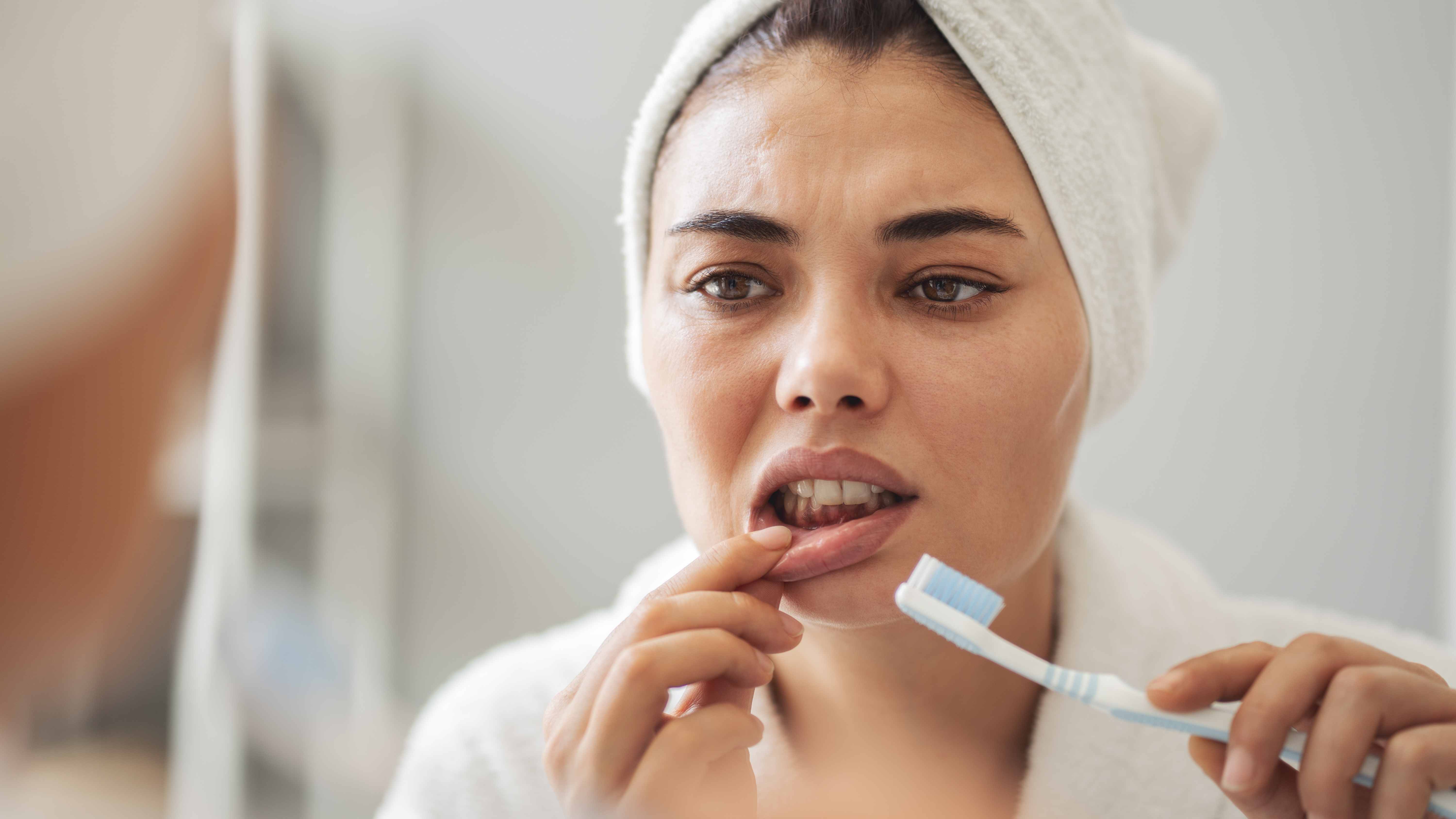
“When mouth acidity is associated with less saliva, these conditions fuel additional negative changes in the mouth microbiology, which predispose women to more cavities and enamel damage, tooth sensitivity, gum irritation, bad breath, and aggressive gum infections,” says Dr. Phillips. “In addition, women’s hormone fluctuations can dampen her body’s immune response to infection, allowing a more aggravated response in the gum tissues, causing bleeding and swelling that can lead to even more plaque accumulation, loosening teeth, and aggressive gum disease.” (Fun!)
While more research is needed to clarify the connection between oral health and menopause, it’s clear that hormones influence the state of your mouth—gums, teeth, saliva, and everything in between. But while the stats may seem scary (who knew spit could make such a difference in your teeth?!), the steps to take in order to avoid them aren't super drastic. A few simple lifestyle changes can make a world of difference for your teeth and overall oral microbiome. Here are a few of the most notable things to incorporate in your daily routine to ward off hormone-related woes and keep your teeth, gums, and mouth healthy, no matter what stage of life you're in.
Women statistically have more dental troubles than men, and those occur earlier in life.
Time Your Appointments
Pain is an often-overlooked issue in the dental care space—at least when it comes to hormone issues—and unfortunately, there is a very real connection between mouth sensitivity and menstruation. “The worst time to go to the dentist is during your bleeding week,” says Vitti. “Gums tend to bleed more and you have a lower threshold for pain.” The best time to go for a cleaning or procedure, if you can, is during the follicular or ovulatory phase, she notes. Try using a tracking app to help with scheduling.
Hydrate (and Breathe) Properly
“Staying hydrated is more important than we think, says Dr. Plotnick. “I like to splash a little coconut water into my filtered water to increase electrolytes,” she adds. Additionally, she suggests using mouth tape at night and reducing mouth breathing (both during the day and while sleeping...hence the mouth tape). While the data is still out as to whether this technique can help to snatch your face, it does deserve attention when it comes to avoiding mouth breathing at night.
Don’t Brush Too Often
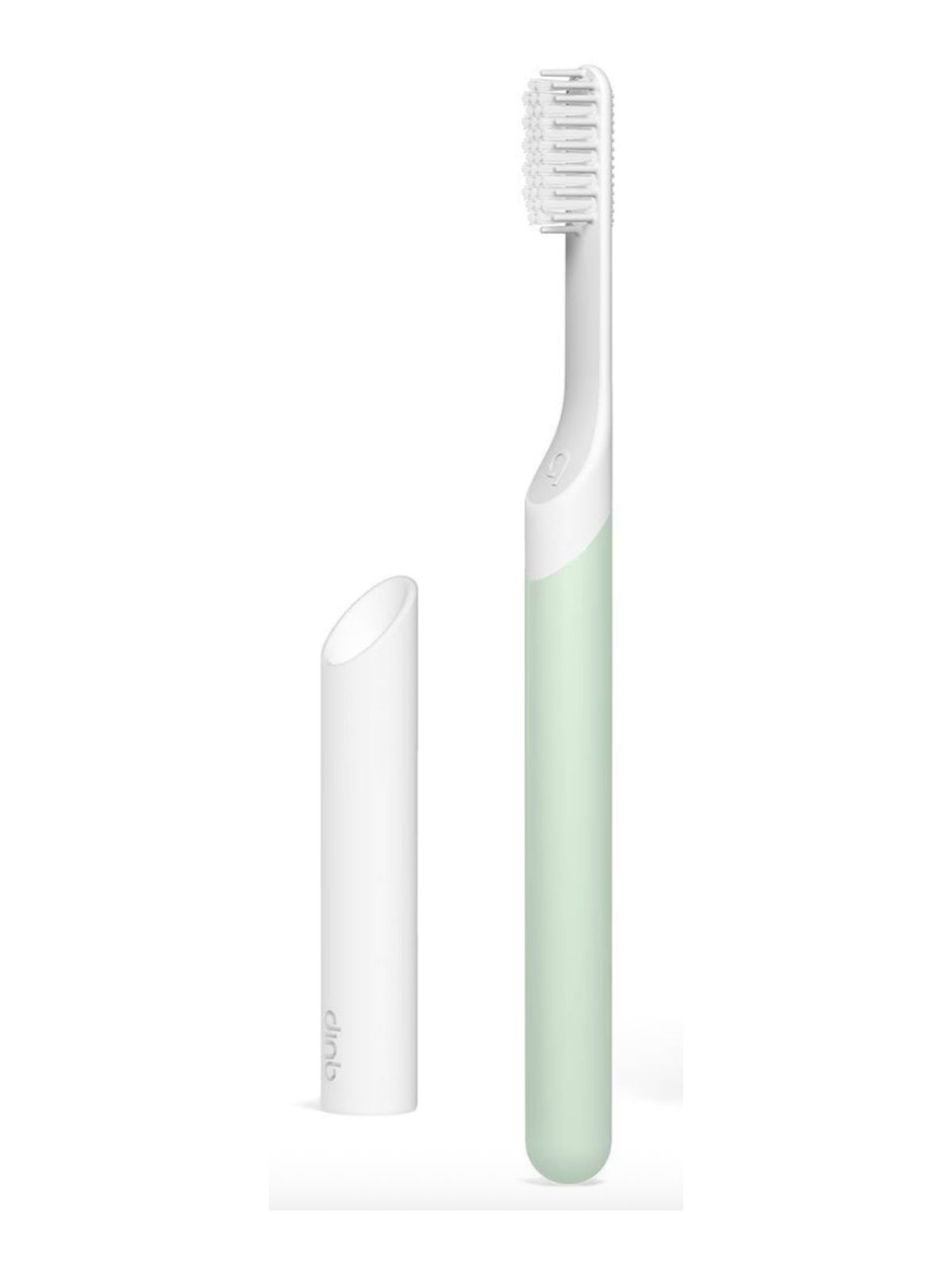
It may sound surprising coming from dental professionals, but you shouldn’t brush your teeth more than twice a day. “Over-cleaning and flossing can lead to bad breath, gum recession, tooth sensitivity, and possibly permanent tooth or gum damage,” says Dr. Phillips. And when you do brush and floss, make sure you're gentle yet thorough—no need to attack those gums and make inflammation worse.
Keep An Eye on Changes
In general, if you’re not pregnant and it’s just a normal fluctuation, you may notice inflammation for a week or two. Then it should return to normal, says Dr. Plotnick. “Just like if you have a cut in your mouth or you burn the roof of your mouth with pizza, it will heal naturally on its own—and surprisingly enough, really quickly,” she adds. If you notice something long-lasting and it’s not healing on its own, that would be an indication to have a dentist check it out, she says. “Everything heals in 10 to 14 days,” notes Dr. Plotnick. So if a problem persists beyond that, it’s time to check in with your dentist.
Try “Mouth Resting”
“One of the most effective ways for women to overcome these unfortunate hazards is to pattern their eating and drinking each day to allow saliva adequate opportunity—after every meal—to coat and heal their gums and teeth,” says Dr. Phillips. “I call this mouth resting.” It is a time of no snacking, no sipping, no drinking—not even water. This interval should extend for an hour or two after every meal, she says.
Use Xylitol Products Frequently
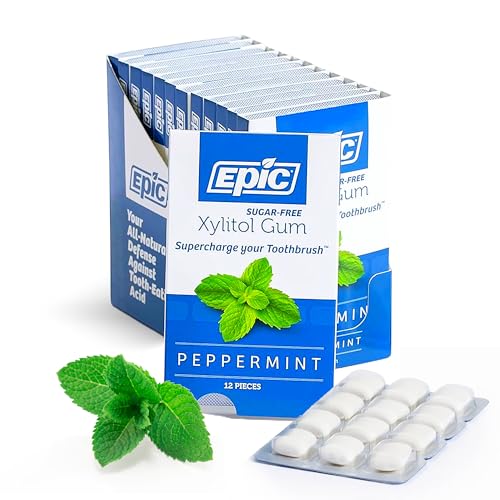
“Chewing gums with xylitol will signal salivary glands to fire up just from the simple act of chewing,” says Dr. Plotnick. Dr. Phillips is also a big fan of xylitol, noting that it can help mineralize teeth, promote healthy mouth bacteria, and reduce plaque damage and formation. Dr. Phillips recommends chewing gum, or mints if you prefer, after meals. Dosage is very important though: one to two grams of xylitol, up to five times a day, after meals, for a total of between five to 10 grams per day.
She notes that just two to 10 minutes of chewing is adequate, then spit it out, and try mouth resting for one to two hours. While mouth resting, saliva stimulated by xylitol will neutralize damaging mouth acids, help rebuild teeth, promote healthy mouth bacteria, and limit damage from plaque, she says. Dr. Phillips says in “small, oral-health-focused amounts, xylitol is safe during pregnancy” and can “help women avoid damaging hormonal-induced dental problems.” But double-check with your doctor just to be safe. Also, it’s worth flagging that xylitol is extremely toxic to pets, particularly dogs, so store xylitol gum or mints out of their reach.
Why Trust Marie Claire
For more than 30 years, Marie Claire has been an internationally recognized destination for news, fashion, and beauty trends, investigative packages, and more. When it comes to the products Marie Claire recommends, we take your faith in us seriously. Every product that we feature comes personally recommended by a Marie Claire writer or editor, or by an expert we’ve spoken to firsthand.