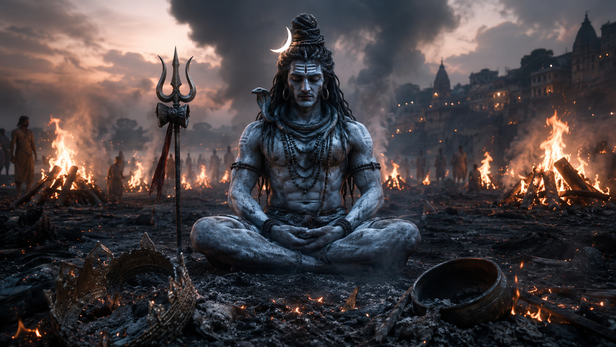
In Hindu mythology, Lord Shiva is not the king seated on a glittering throne. He is the ascetic who meditates in the Himalayas, wears animal skin, and roams among funeral pyres. To many, this image feels frightening. Yet for millions of devotees, it is deeply comforting. The cremation ground, or shamshan, is where all human identities end, for Hindus. Rich and poor, beautiful and ordinary, powerful and weak all become ash in the same fire. Shiva’s choice to stay there was never accidental. It was symbolic, philosophical, and emotional. His presence in cremation grounds teaches humanity lessons that palaces never could.
The Cremation Ground Represents Ultimate Truth
A palace represents status, power, and temporary glory. A cremation ground represents reality. In Hindu philosophy, Shiva is called Mahakaal, the lord beyond time. He does not get attached to worldly illusions because he knows everything eventually disappears. Wealth fades, beauty changes, and power shifts. Death is the only certainty. By choosing the cremation ground, Shiva reminds humans of a truth most people avoid thinking about. Life is temporary. This is not meant to create fear. Instead, it encourages people to live honestly and meaningfully. The shamshan strips away pride and pretence. It shows humans what they truly are beneath titles and possessions. For Shiva, truth mattered more than comfort.
Shiva Accepted What Society Rejected
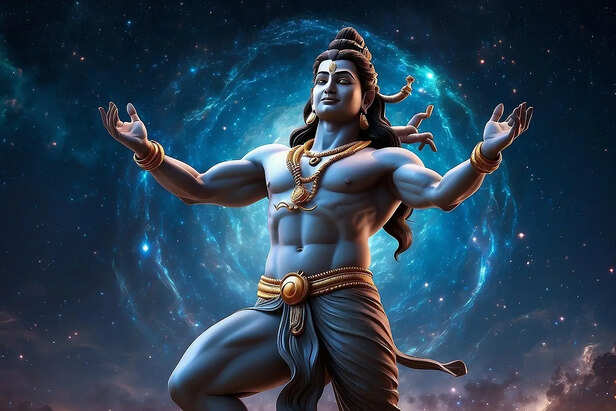
In the stillness of cremation grounds, Shiva gathers what society turns away from, reminding us that divinity exists even in what is forgotten, feared, and discarded.
Cremation grounds were often considered impure and frightening. Most people avoided them unless necessary. Yet Shiva made them his home. This reflects one of Shiva’s most powerful qualities. He embraces what society rejects. In mythology, Shiva accepts ghosts, spirits, animals, outcasts, and broken souls into his presence. His followers, known as ganas, are not polished royal figures. They are wild, unusual, and imperfect beings. This made Shiva different from gods associated with order and royalty. He became the deity of the forgotten and the wounded. For many devotees, this is why Shiva feels deeply personal. He is not a god who demands perfection before offering love. He accepts pain, flaws, grief, and darkness without judgment. The cremation ground became a symbol of that acceptance.
Ashes Symbolize the End of Ego
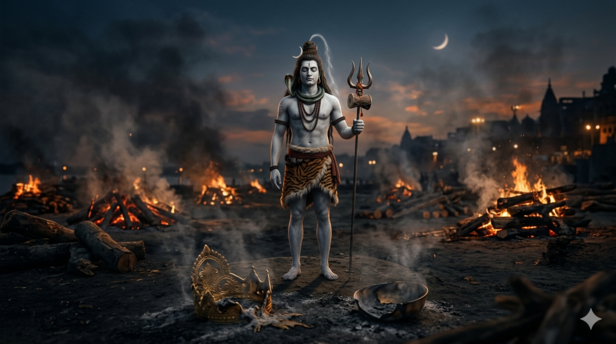
In the silence of the cremation ground, crowns and poverty alike dissolve into ash, as Shiva reveals the ultimate truth that all human identity is temporary and only consciousness remains.
One of Shiva’s most iconic features is the ash smeared across his body. These ashes are not decoration. They symbolize what remains after everything burns away. In Hindu thought, ego is often seen as the biggest obstacle to spiritual growth. Humans become trapped by pride, greed, jealousy, and attachment. But in the cremation ground, all ego disappears. The king and the beggar both become ash. By wearing ashes, Shiva constantly reminds humanity not to become arrogant about temporary success or appearance. Physical beauty and material wealth eventually fade. What remains is the soul and the karma attached to it. This symbolism made Shiva a deeply philosophical deity rather than just a powerful one.
Shiva Is the God of Transformation, Not Destruction Alone
Many people misunderstand Shiva as only the destroyer among the Hindu trinity. But destruction in Shiva’s philosophy is not evil. It is transformation. A cremation ground may appear like an ending, but Hindu beliefs see death as part of rebirth and renewal. The funeral fire destroys the body, but it also releases the soul for its next journey. Shiva’s connection with cremation grounds reflects this cycle. He stands at the border between endings and beginnings. He teaches that loss, heartbreak, and death are painful, but they also transform human beings. Often, people become wiser after suffering. This is why Shiva is both feared and loved. He represents change that humans cannot escape.
Silence and Detachment Bring Spiritual Freedom
Palaces are filled with noise, politics, competition, and distraction. Cremation grounds are silent. For an ascetic like Shiva, silence was sacred. The shamshan becomes a place where worldly desires lose meaning. It forces humans to confront loneliness, mortality, and the deeper questions of existence. Many saints and sages in India even meditated near cremation grounds to overcome fear and attachment. Shiva’s presence there symbolizes complete detachment from material temptation. But detachment does not mean emotional coldness. Shiva deeply loved Parvati, protected his devotees, and showed compassion repeatedly in mythology. His detachment meant freedom from greed and illusion, not freedom from love. That balance is what made Shiva spiritually unique.
Why Shiva’s Cremation Ground Still Speaks to Modern Humans
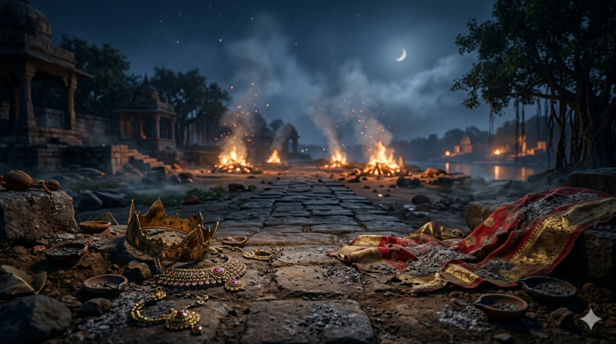
In the stillness of the cremation ground, every symbol of power fades into ash, reminding humanity that peace is found not in possession, but in acceptance and inner freedom.
Even today, Shiva’s image in cremation grounds remains powerful because modern life is filled with distraction, comparison, and endless chasing. People run after status, wealth, and validation while quietly fearing loss and death. Shiva challenges that fear. He teaches that life becomes meaningful only when humans accept its temporary nature. By sitting among ashes instead of gold, Shiva showed that peace does not come from luxury. It comes from truth, acceptance, and inner freedom. Perhaps that is why, centuries later, devotees still find comfort in the god who chose silence over palaces and reality over illusion.
Unlock insightful tips and inspiration on personal growth, productivity, and well-being. Stay motivated and updated with the latest at My Life XP.