
Energy drinks sit in gym bags, desk drawers, and car cup holders across the country, promising focus, stamina, and an instant boost. Men often reach for them during long workdays, intense workouts, or late-night gaming sessions. However, men’s health experts now spotlight a growing concern that links these drinks to poor sleep quality and declining testosterone levels. That combination creates a silent but powerful impact on energy, mood, and long-term health. Many men notice fatigue and irritability without connecting it to their daily drink choices.
This issue matters because sleep and hormones work together like a finely tuned system. When energy drinks disrupt that system, the effects ripple into nearly every part of life, from physical performance to mental clarity. The habit often feels harmless at first because the boost arrives quickly and fades quietly. Over time, the body starts paying a heavier price than most expect.
The Energy Drink Habit That Quietly Disrupts Sleep
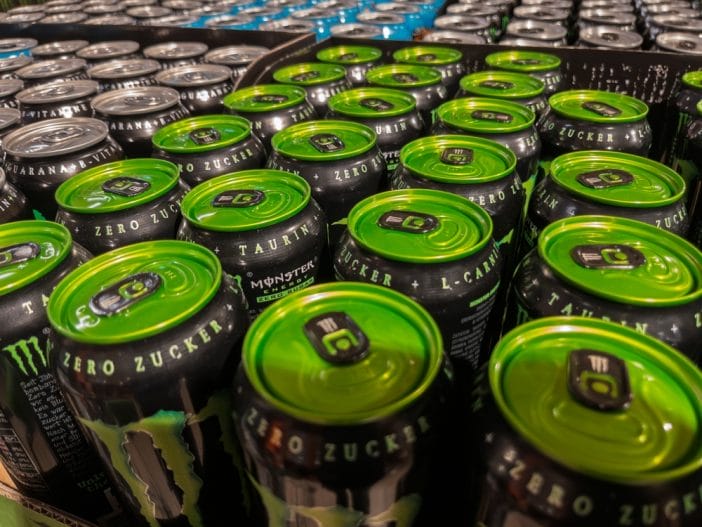
Energy drinks deliver high doses of caffeine that push the nervous system into a heightened state of alertness. Many brands pack 150 to 300 milligrams of caffeine in a single can, which equals two to three cups of coffee. Men who drink these beverages in the afternoon or evening often struggle to fall asleep at a normal hour. The stimulant blocks adenosine, a chemical that signals the brain to wind down. That disruption creates a cycle where the body stays wired long after the day ends.
Sleep quality drops even when total sleep time looks normal on paper. Deep sleep stages shorten, and the body spends more time in lighter, less restorative sleep. Men wake up feeling tired despite spending hours in bed. That fatigue drives even more energy drink consumption the next day, which strengthens the cycle. Over time, this pattern reduces recovery, focus, and physical resilience.
How Caffeine and Sugar Affect Testosterone Production
Testosterone production depends heavily on consistent, high-quality sleep cycles, especially deep sleep stages. Energy drinks interrupt those cycles, which weakens the hormonal signals that support testosterone release. High caffeine intake also raises cortisol levels, and cortisol directly competes with testosterone in the body. When cortisol stays elevated, testosterone levels often dip. That imbalance affects muscle recovery, mood stability, and even motivation.
Sugar-loaded energy drinks add another layer of disruption by spiking insulin levels. These spikes can increase inflammation and place additional stress on metabolic systems. Men who rely on multiple energy drinks per day often experience energy crashes that feel sharper over time. The body struggles to maintain steady hormone production under that pressure. This combination creates a pattern where short-term energy leads to long-term hormonal strain.
Why Evening Consumption Hits Men Harder Than Expected
Evening energy drink use creates the most damage because it collides directly with the body’s natural wind-down rhythm. The circadian clock expects darkness and relaxation signals, but caffeine overrides that process. Men who drink energy beverages after work often push sleep onset hours later than normal. That delay shortens total recovery time before the next day begins. The result shows up as grogginess, poor focus, and slower reaction times.
Late caffeine intake also fragments sleep throughout the night. The brain cycles in and out of light sleep more frequently, which reduces deep restorative phases. Hormonal repair processes, including testosterone production, suffer during those interrupted cycles. Many men misread these effects as stress or burnout from work. The real trigger often sits in the late-day drink that keeps the nervous system running on overdrive.
Healthier Energy Alternatives That Support Hormones and Rest
Men who want steady energy without hormonal disruption often shift toward lower-caffeine options like green tea or matcha. These alternatives provide gentler stimulation and include compounds that support focus without overstimulating the nervous system. Hydration also plays a major role because dehydration often mimics fatigue. Water intake throughout the day helps maintain natural energy levels without artificial boosts. Balanced meals with protein, fiber, and healthy fats also stabilize blood sugar and reduce crashes.
Short movement breaks throughout the day also increase alertness without relying on stimulants. A brisk walk or light stretching session can elevate energy naturally by improving blood flow and oxygen delivery. Morning sunlight exposure helps reset the circadian rhythm, which improves sleep quality later at night. Better sleep then supports healthy testosterone production without additional intervention. Small adjustments like these often deliver more stable energy than any can of energy drink.
Resetting Energy Levels Without Sacrificing Hormonal Health
Energy drinks offer convenience, but the long-term trade-off often includes disrupted sleep and weakened testosterone balance. Men who rely on them heavily may notice changes in mood, recovery speed, and daily stamina over time. Sleep quality sits at the center of this issue, since it directly supports hormone regulation and physical repair. Cutting back even slightly on late-day caffeine can create noticeable improvements within days. Consistent routines and smarter energy choices help the body return to a more natural rhythm.
What changes would make the biggest difference in your daily energy routine?
You May Also Like…
Low Magnesium Could Be Wrecking Your Sleep and Causing Muscle Cramps — Are You Deficient?
Hidden Sugars in “Healthy” Energy Drinks Are Destroying Men’s Teeth — Dentists Warn of Acid Erosion
Taking Ibuprofen After a Night of Drinking? Here’s Why Doctors Say It Could Kill You
Doctors Say Many Men Dismiss Mild Chest Discomfort—Until It Turns Into a Serious Problem
Here Are The 10 Worst Deodorants For Men
The post Men’s Health Experts Warn About the Energy Drink Habit Damaging Sleep and Testosterone appeared first on Clever Dude Personal Finance & Money.