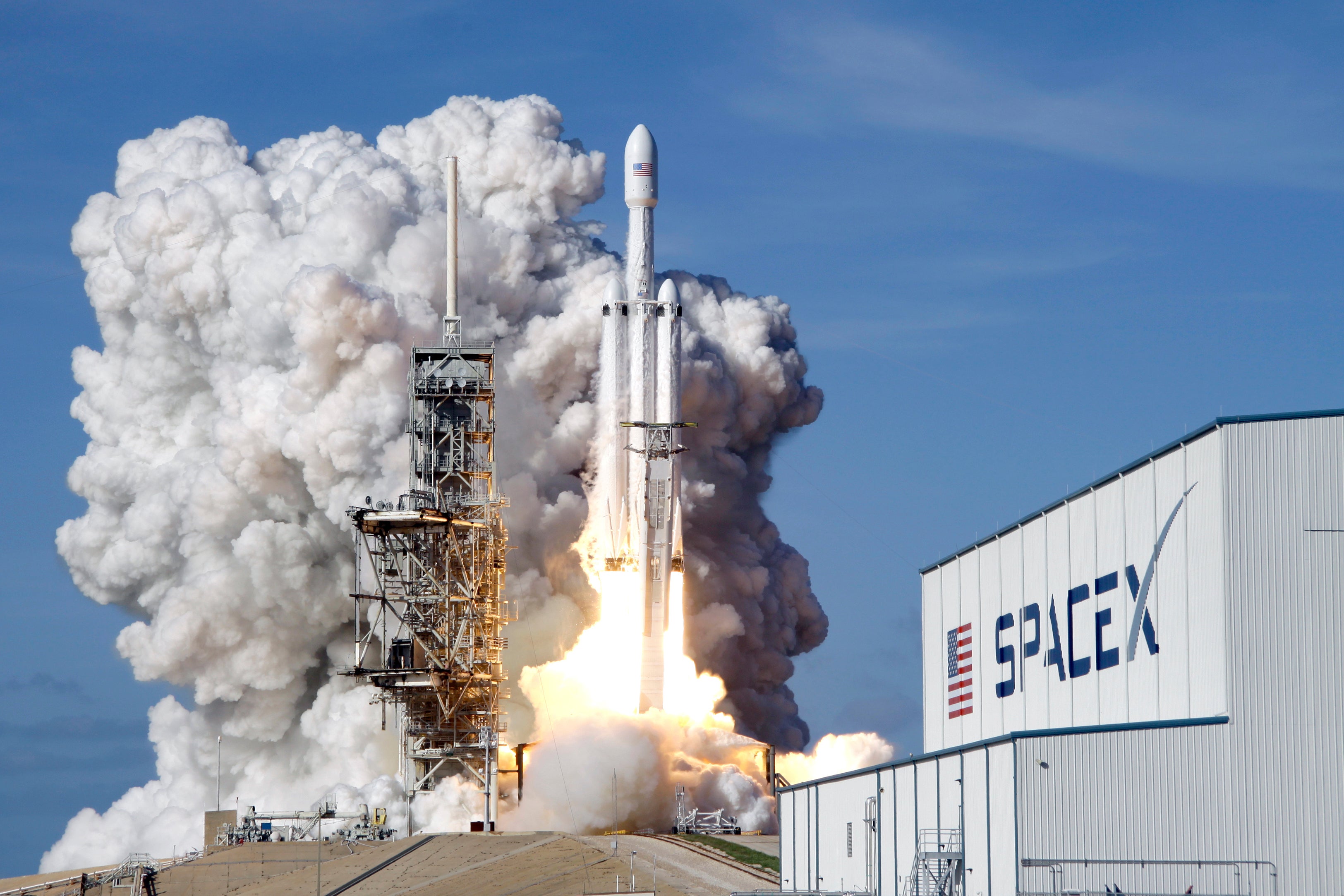
Elon Musk is on the cusp of becoming the world’s first trillionaire after SpaceX was expected to raise a record $75 billion in its initial public offering Thursday.
The rocket company, which Musk, 54, serves as chairman, CEO and chief technical officer, priced its IPO at $135 per share, which implies a $1.8 trillion market cap for the company, according to Forbes.
Its share sale increased Musk’s net worth by $188 billion to an estimated $982.6 billion, which, even before the offering, was more than double that of the next highest entrants on the list of global billionaires: Larry Ellison, Larry Page, Sergey Brin, Jeff Bezos and Michael Dell.
His new trillion-dollar status could be confirmed Friday if SpaceX’s stock climbs to $138.50 per share while the share price of his electric vehicle company Tesla remains unchanged. Alternatively, the same result could be realized if SpaceX’s share price holds at $135 but Tesla’s climbs from $399 to $424 per share, although this is seen as less likely.
His reaching the unprecented landmark would put his total accumulated wealth above the annual output of many countries, Reuters reports, citing the latest International Monetary Fund GDP data.
Musk is already ahead of all South American nations bar Brazil, as well as most of Central Europe, Scandinavia, Central Asia and Africa, the figures indicate.
So where exactly does the South Africa-born impresario’s stratospheric wealth come from?
Musk has co-founded seven companies in all, but the majority of his fortune derives from SpaceX, which he launched in 2002 and in which he owns more than 4.8 billion shares worth $644 billion, Forbes reports.
He holds another $350 million in stock options, giving him the right, but no obligation, to buy and sell shares at an exercise price of $8.40 each within a given timeframe, a hand worth another $44 billion. All of which gives him a 38 percent total stake in the company, worth a combined $688 billion at the price of the IPO.
Musk also owns 12 percent of Tesla, which he first backed in 2004 and has led since 2008, adding another $165 billion to his wealth, plus options to take up another nearly 8 percent stake, valued at $114 billion.
That takes him to $967 billion, with the remainder made up from his other ventures like the brain implant developer Neuralink and his tunneling start-up The Boring Company, plus capital recouped from previous Tesla share sales.
Aside from his status as the world’s richest man, the reason for Musk’s cultural ubiquity, particularly online, is his $44 billion acquisition of X (then Twitter) in 2022, which has seen him weigh in on political matters around the world to an audience of millions, not always to positive effect.
His decision to throw in with then-Republican presidential candidate Donald Trump after the first attempt on his life in Butler, Pennsylvania, in July 2024 saw Musk donate $288 million to his campaign.
He then entered the political arena for real as a special adviser to the president and mastermind of the short-lived Department of Government Efficiency, tasked with hacking and slashing excess federal expenditure.
However, his Washington adventure ended in an acrimonious split with Trump, harmed Tesla’s sales and saw its dealerships boycotted and vandalized, with Musk reacting by swearing off further tinkering with elected office.
The businessman is actually no stranger to falling out with regulators, investors, politicians, journalists and media organizations but, by and large, manages to maintain his popularity.
Many admire the vision that has seen him talk seriously about the possibility of colonizing Mars, even as concerns grow about the ever-increasing polarization of wealth on Earth.
“Elon is the Edison of our time,” JPMorgan Chase CEO Jamie Dimon, another person with whom Musk has publicly feuded, recently said of him, lauding his ambition and creative energy above all other considerations.