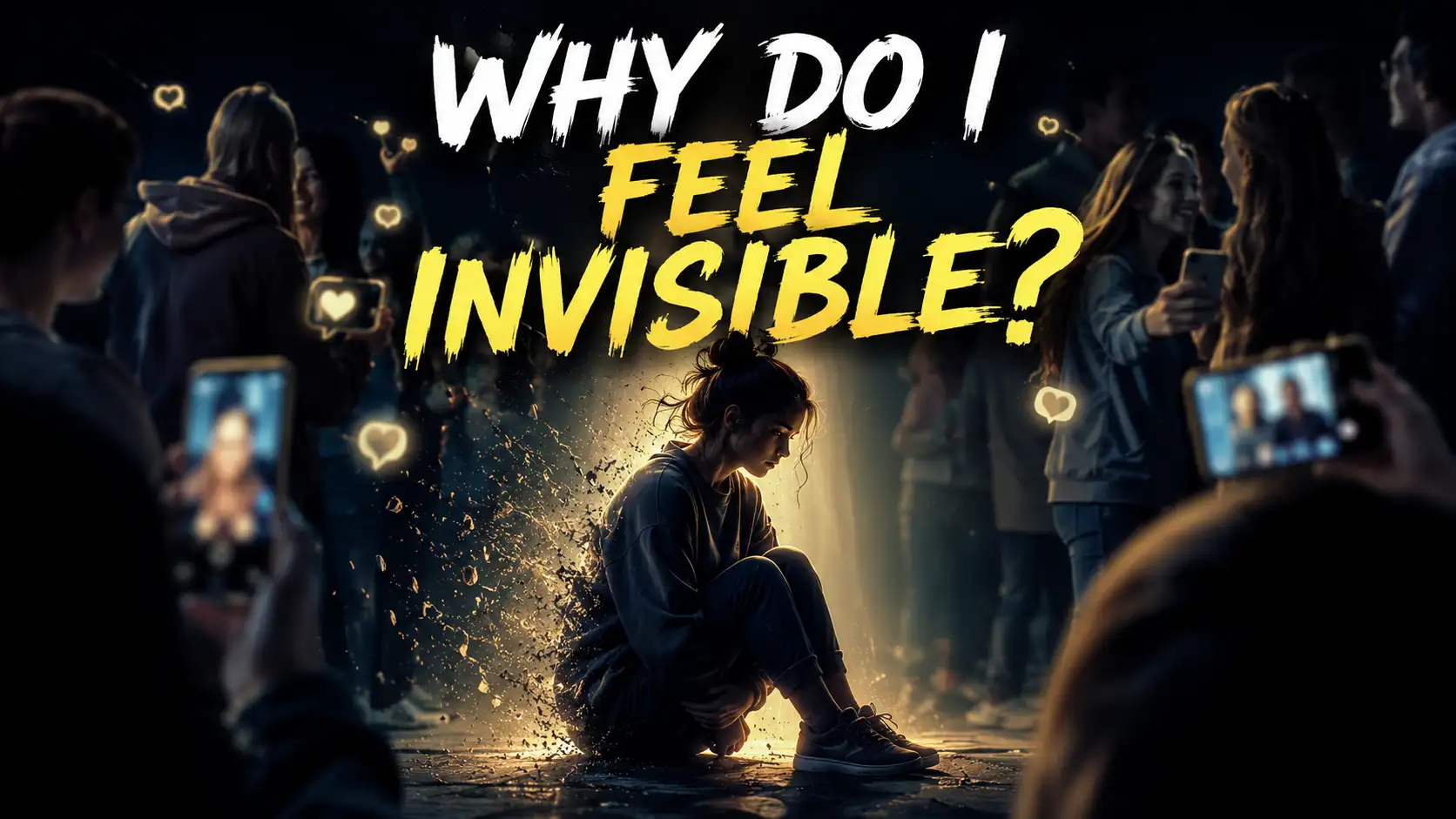
When most people think of loneliness, they imagine someone sitting alone with no friends, no family, and no social life. Psychology suggests that reality is far more complicated.
Some of the loneliest people are surrounded by others every day. They have friends who text them, family members who care about them, coworkers who interact with them, and social media accounts filled with followers. Yet despite all those connections, they still experience a painful feeling of emotional emptiness.
The reason is that loneliness is not simply the absence of people. It is often the absence of meaningful emotional connection.
Psychologists have found that people feel most connected when they believe they are understood, valued, accepted, and emotionally seen. When those needs are missing, loneliness can emerge even in the middle of an active social life.
The Difference Between Social Connection and Emotional Connection
One of the biggest misconceptions about loneliness is the belief that being around people automatically prevents it. Research suggests there is a significant difference between social interaction and emotional intimacy.
A person may spend an entire day communicating with dozens of people and still feel emotionally disconnected. Conversations can remain focused on work, routines, daily updates, or surface-level topics without addressing deeper thoughts, fears, dreams, or emotions.
Psychologists often distinguish between social loneliness and emotional loneliness. Social loneliness involves a lack of social contact, while emotional loneliness occurs when meaningful emotional bonds feel absent.
Many people experiencing loneliness today are not lacking interaction. They are lacking emotional understanding.
Why Feeling Unseen Hurts So Much
Human beings have a deep psychological need to feel recognized and understood. According to psychologists studying belongingness and interpersonal relationships, emotional validation plays a major role in mental well-being. People want others to understand not only what they do but also who they are.
When individuals repeatedly feel misunderstood, ignored, or emotionally overlooked, they may begin experiencing what some researchers describe as emotional invisibility.
A modern example might involve someone who regularly posts cheerful photos online while privately struggling with stress, anxiety, or sadness. Friends and followers may interact with the content every day, yet nobody notices what the person is actually going through.
The result is a painful feeling that others see the image but not the individual behind it.
Social Media Can Create the Illusion of Connection
Technology has made staying connected easier than ever before. However, psychologists increasingly suggest that digital communication does not always satisfy emotional needs. A person may receive hundreds of likes, comments, and reactions on social media while still feeling lonely.
Why?
Because attention and connection are not the same thing. Social media often rewards visibility rather than vulnerability. People share highlights, achievements, and carefully selected moments while hiding fears, disappointments, and emotional struggles.
This can create what psychologists call an illusion of connection, where individuals appear socially connected but feel emotionally isolated. The gap between public interaction and genuine understanding often contributes to loneliness.
Attachment Theory Helps Explain Emotional Loneliness
According to Attachment Theory, humans are wired to seek secure emotional bonds with important people in their lives. These relationships provide comfort, support, and reassurance during difficult times.
When emotional needs are not consistently met, people may begin feeling disconnected even when relationships technically remain intact. Someone might have close friends, a romantic partner, and supportive relatives, yet still feel lonely if they believe nobody truly understands their inner experiences.
The loneliness comes not from being physically alone but from feeling emotionally alone.
Why Modern Life Can Make People Feel More Isolated
Psychologists have observed that many aspects of modern life encourage connection on the surface while limiting deeper conversations. Busy schedules, constant notifications, workplace stress, and digital communication often leave little room for meaningful emotional exchanges.
Many people discuss what they are doing without discussing how they are feeling. As a result, relationships can become functional rather than emotionally nourishing.
A modern example is someone who spends hours communicating through messages every day but rarely has a conversation where they feel fully heard and understood. Over time, this emotional gap can contribute to feelings of isolation.
The Need to Feel Heard and Understood
Research consistently shows that emotional validation strengthens relationships and improves psychological well-being. When people feel heard, they experience greater emotional security and belonging.
When they feel ignored, dismissed, or misunderstood, loneliness often increases.
This helps explain why one meaningful conversation can sometimes reduce loneliness more effectively than dozens of casual interactions. What people often seek is not simply company. They seek understanding.
How Psychology really defines loneliness
Psychology does not suggest that loneliness only affects people who are isolated or socially disconnected. Human relationships are far more complex than that. Attachment needs, emotional validation, belongingness, meaningful connection, and interpersonal understanding all influence feelings of loneliness.
A person can have friends, family, coworkers, followers, and constant communication while still feeling emotionally invisible. Because in many cases, loneliness is not about how many people know your name. It is about how many people truly know your story.
FAQs
Can someone feel lonely even if they have friends and family?
Yes. Psychologists suggest loneliness often results from a lack of emotional connection rather than a lack of social contact.
Why do social media users still feel lonely?
Social media can provide interaction and attention, but it does not always provide genuine emotional understanding or intimacy.