
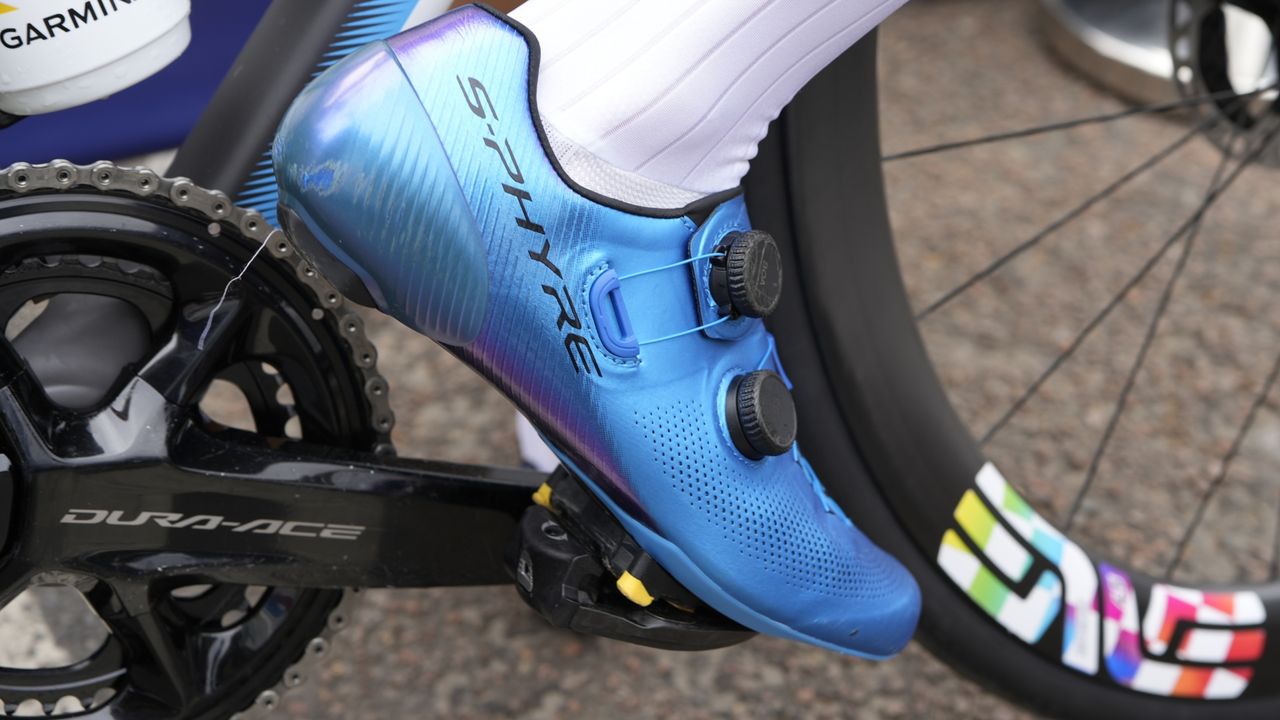
When To Replace It is a feature series in which we explore when one should replace common cycling products like helmets, apparel and various moving parts on your bike. Curious about a particular product? Shoot us an email at anne.rook@futurenet.com
Pedals and cleats do a massive amount of work to keep you connected to your bike each and every pedal stroke. They are relatively inexpensive, easily replaceable and never in short supply. So why do so many riders neglect proactively replacing them?
These touchpoints are second only to tyres in keeping you grounded and connecting you through your bike. Worn cleats can allow your shoe to come free from your pedals when laying down power, which could result in your foot coming off at the worst possible moment.
Every time you come to a full stop and put your foot down or walk into a coffee shop, you wear down your cleats. And every time you clip into or out of your pedals, you put a bit of wear on them, too. So how do you know when it's time to refresh them?
A clear indicator for replacing your cleats is when the rubber no-slip pads on the corners are worn away. But what if you use cleats that don’t have these rubber bits, or other tell-tale wear indicators?
Cleats with built-in float allowing some side-to-side play will noticeably feel looser, and there may even be some vertical play to them, letting you know it’s time for new ones. If you use cleats with zero degrees of float, it’s probably time to replace them as soon as you notice any play in your shoe-pedal connection.
Deciding when to install new cleats onto your shoes is relatively easy if you don’t ignore simple tell-tale signs.
What do the manufacturers say about replacing cleats?
Cycling component manufacturer Shimano suggests cleats should be replaced when clipping in or out becomes harder or easier. A bit vague, perhaps, but it comes down to this: if you notice a change in how the pedal/cleat interface feels in use, then it may very well be time for a replacement.
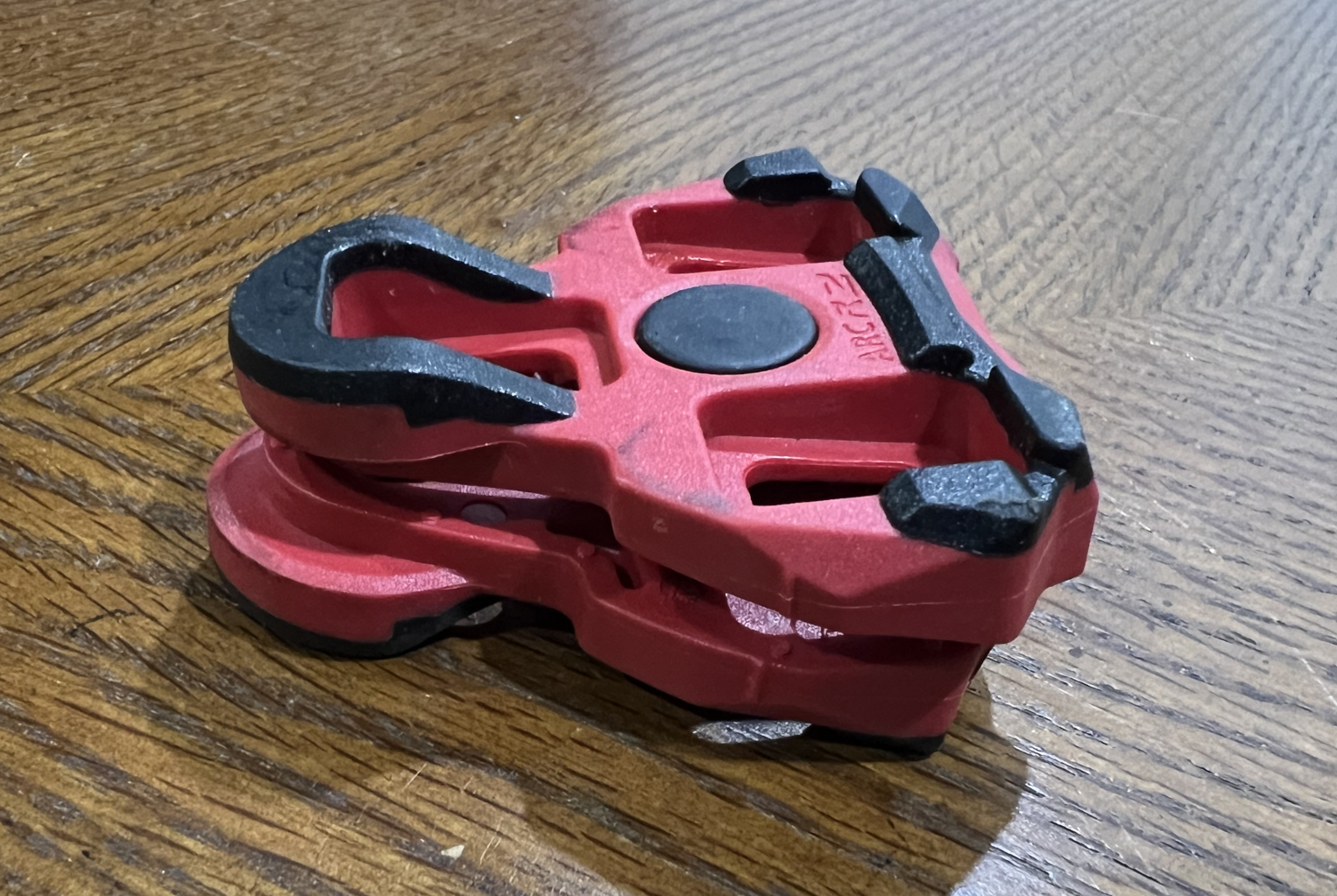
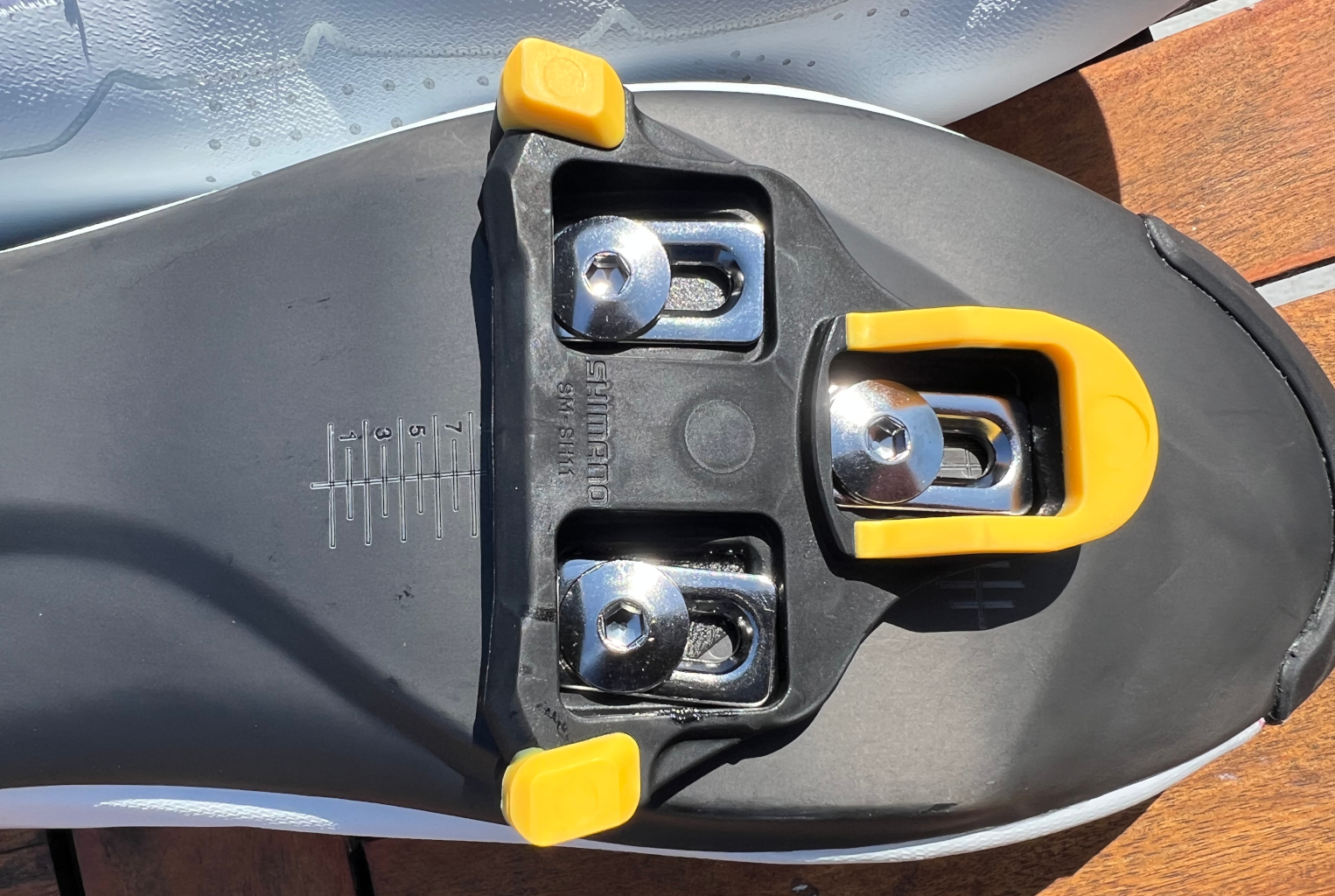
The Japanese cycling component giant also suggests that when the coloured portion of the cleat is worn away, it’s time to throw them out.
"It’s time to change your cleats when you can see the cleat body underneath the coloured pads on the front and back of the SPD-SL cleats," advises Shimano.
Look KEO cleats, which appear similar to Shimano in shape but are not interchangeable with other systems, also have colour-coded wear indicators. As soon as you see the contrasting colour cleat material flush with the grey, red or black portion of the cleat, you’ll know it’s time to bin them and install new ones.
Time, part of the SRAM family of bike components, suggests when the walking pads that double as wear indicators on its iClic system feel like they are sticky when clipping out, it’s replacement time. Be aware that Time's cleats are known to wear quickly if you do a lot of walking in them.
Like other types of cycling parts and accessories, wear is dependent upon so many different factors. Wahoo suggests its SpeedPlay cleat life may range greatly—from 3,000 to 5,000 miles—depending on rider weight, riding surface, frequency of use, and more.
The SpeedPlay pedal and cleat system is slightly different from other brands—the cleat comprises most of the size and mass of the system. Wahoo cautions against using a combination of new and old cleat parts when servicing your cleats.
New Cleat Installation Tips and Tricks
Use a small amount of high-quality bearing lube (or similar) on cleat mounting bolt threads. These bolts are exposed to sweat, road spray, and other dirt ingress, which could 'freeze' the bolt/shoe interface. The next time you replace your cleats, you’ll be happy you properly prepped them.
To be sure you install new cleats in the same place as your existing cleats, you can use a Sharpie or a paint marker—or even a bit of chalk if you don’t want to graffiti the soles of your cycling shoes with ink—to trace the outline of your worn cleats before removing them.
Some pedal and shoe systems have built-in guide indicators to assist in replacing cleats. If you’re not sure if your system offers this feature, or how to use it, the aforementioned outline method is simple and as accurate as your hand allows.
For optimal outcomes, use a torque wrench to tighten the bolts to the manufacturer’s guidelines.
When to replace cleats:
- When colour-coded indicators are worn away
- When the cleat is loose, and unintentional clipping out is a problem
- When clipping in is hit or miss
Do road pedals even need to be serviced or replaced?
The short answer is yes, but not nearly as frequently as other wearable components. While pedals wear at a slower rate than cleats, you’ll want to service them as needed, paying attention to how they perform.
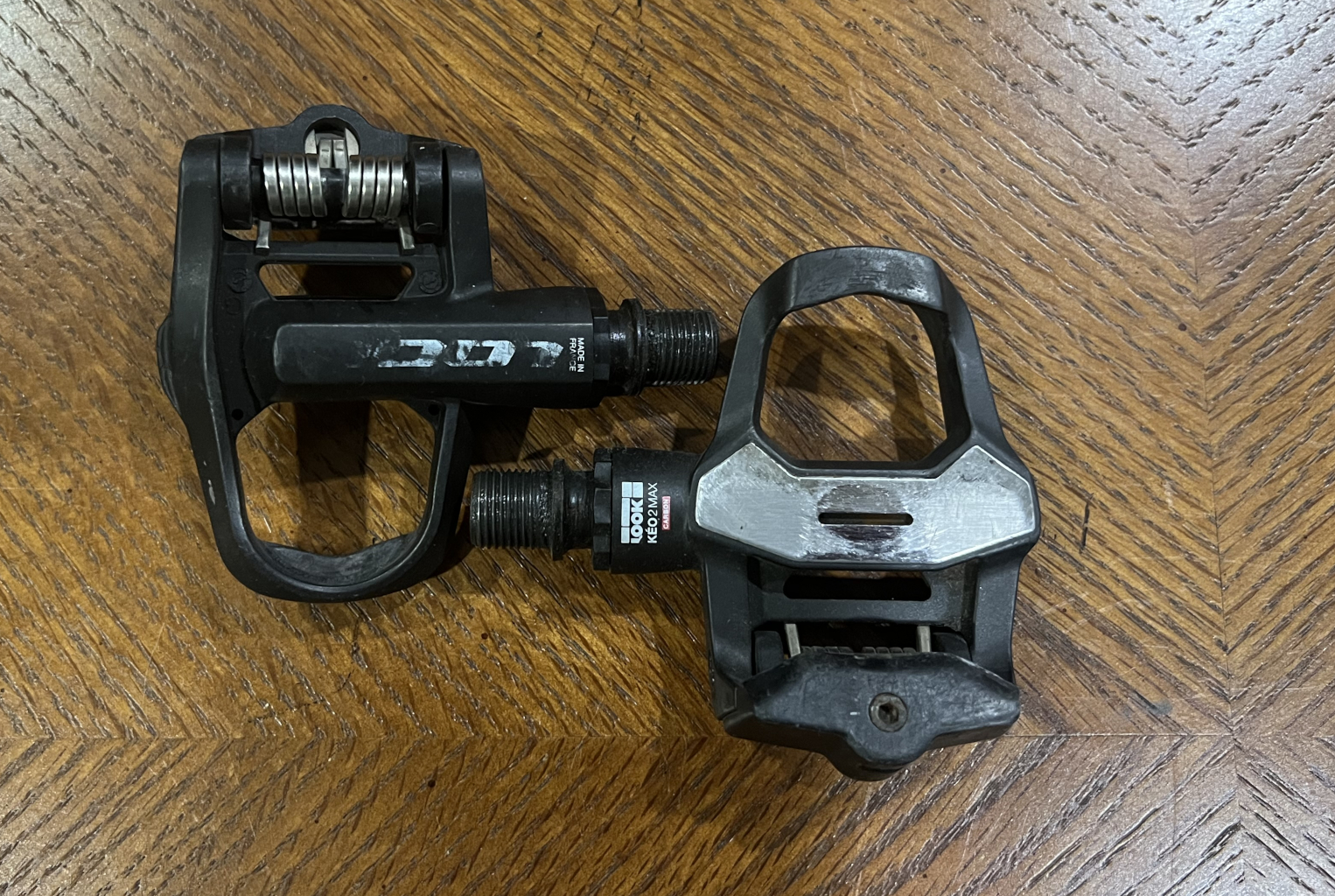
Worn pedal bodies don’t offer the same positive engagement when clipped in, or make clipping in a challenge. Unwanted side-to-side or vertical play, allowing you to lift your shoe from the pedal even when engaged, can cause you to clip out, similarly to a worn cleat.
Signs of wear include grooves and scuffs in the forward part of the pedal (except for Speedplay) and in the retaining clip at the rear top of the pedal. Wear and tear on pedal bodies is normal, but be mindful of rusty springs.
Diagnosing pedal spindle problems can be trickier, since wear can be mistaken for bottom-bracket or drivetrain issues. Spin the pedal in place while holding your crank steady, and feel for clicking, movement or rough spots.
To be sure, when spindles feel rough or the pedal body has side-to-side play on the spindle, you’ll want to service them sooner rather than later, to save yourself from having to replace pedals outright.
Many pedals feature serviceable bearings, and bearing swaps are easy to do.
For pedals with open internals, or exposed retention springs, a little bit of dry chain lube can prolong life and performance.
When to replace pedals
- When the body is grooved and worn
- When clipping in/out is inconsistent
- When the pedal has lateral play or wiggles on the spindle