
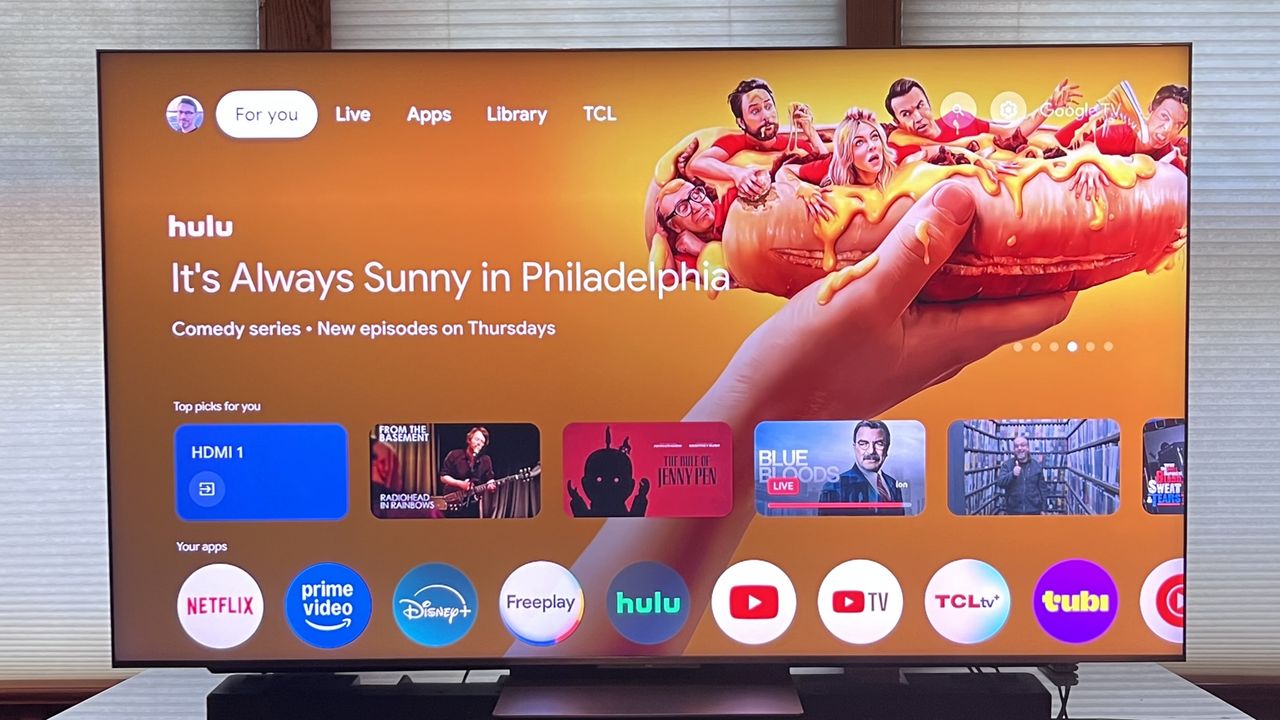
- TV component costs are rising, squeezing already thin margins
- A report says advertising in smart TVs has helped avoid price rises
- It also says fierce retailer competition has helped keep prices low
The price of nearly everything electronic has rocketed in recent months, with one particular exception: TVs. And a new report says that there's good news and bad news about that.
The good news is that TVs really have bucked the trend for ever more expensive electronics, which has been ideal for everyone looking for a new World Cup TV.
The bad is that it's because TV firms are keeping prices artificially low as they pivot to making money from advertising on your screens instead.
That's according to market research firm Omnia (via Digitimes), which says that North America provides a particularly clear example of the trend. Because the competition between retailers is so fierce in the TV market, TV firms have been under intense pressure not to raise their prices.
And because TV profit margins have been so low for several years anyway, that means they've been forced to find a different revenue stream: ads.
So we've been experiencing a classic double-edged sword. The TV makers' pivot to throwing more ads at you hasn't been making anyone happy; but it's meant that they've been able to weather component price rises without passing it on to us.
What's the state of the TV market?
People buying TVs for the FIFA World Cup has helped push TV shipments up: they've increased 6% year on year, according to market research firm Omdia.
Pretty much everywhere other than mainland China showed sales growth: 13% in Asia and Oceania, 12 in Latin America and 11% in North America. Omdia suggests that part of the change is the result of Chinese firms aggressively targeting overseas markets to compensate for slowing demand at home.
Those increased sales are happening against a background of increased and still-increasing costs, however. So firms are continuing to move towards what Walmart calls a "content-to-commerce" platform.
By linking streaming activity with advertising on its Vizio platform and Onn TVs, it aims to generate recurring income from advertising rather than being wholly reliant on hardware sales.
When you sell a TV you only get paid once. But you can sell ads on that TV forever. And that's why companies are willing to absorb some small extra costs now, in exchange for making sure you choose their TVs and they can make money long-term from you in the future.
The downside? Well, if prices of components keep rising, TV companies may conclude that they can always serve you more ads in more places… but in the meantime, at least you buy a nice new huge-screen.
Thinking of buying a new TV?
Try our TV size and model finder! You tell it how far you sit from your TV, we'll tell you what size to buy based on viewing angle advice from image quality experts, and we'll recommend our three top TVs at that size for different prices.