
The crescent moon and Venus put on a spectacular show for skywatchers worldwide during a dramatic close approach in the evening sky earlier this week. Read on to see a selection of gorgeous photos of the cosmic rendezvous, captured from around the world.
Photographers captured the razor-thin lunar crescent just a few days after the new moon phase on May 16, as sunlight reflected from Earth's surface and atmosphere bathed the shadowed expanse of the moon's disk in a soft glow, known as earthshine..
Venus, meanwhile, appeared as a dazzling star-like object that accompanied the moon through the late spring sky, setting the stage for a gorgeous photoshoot as the duo lit the night above cityscapes and historic landmarks.
Stunning photos of the May's lunar conjunction of Venus and the moon
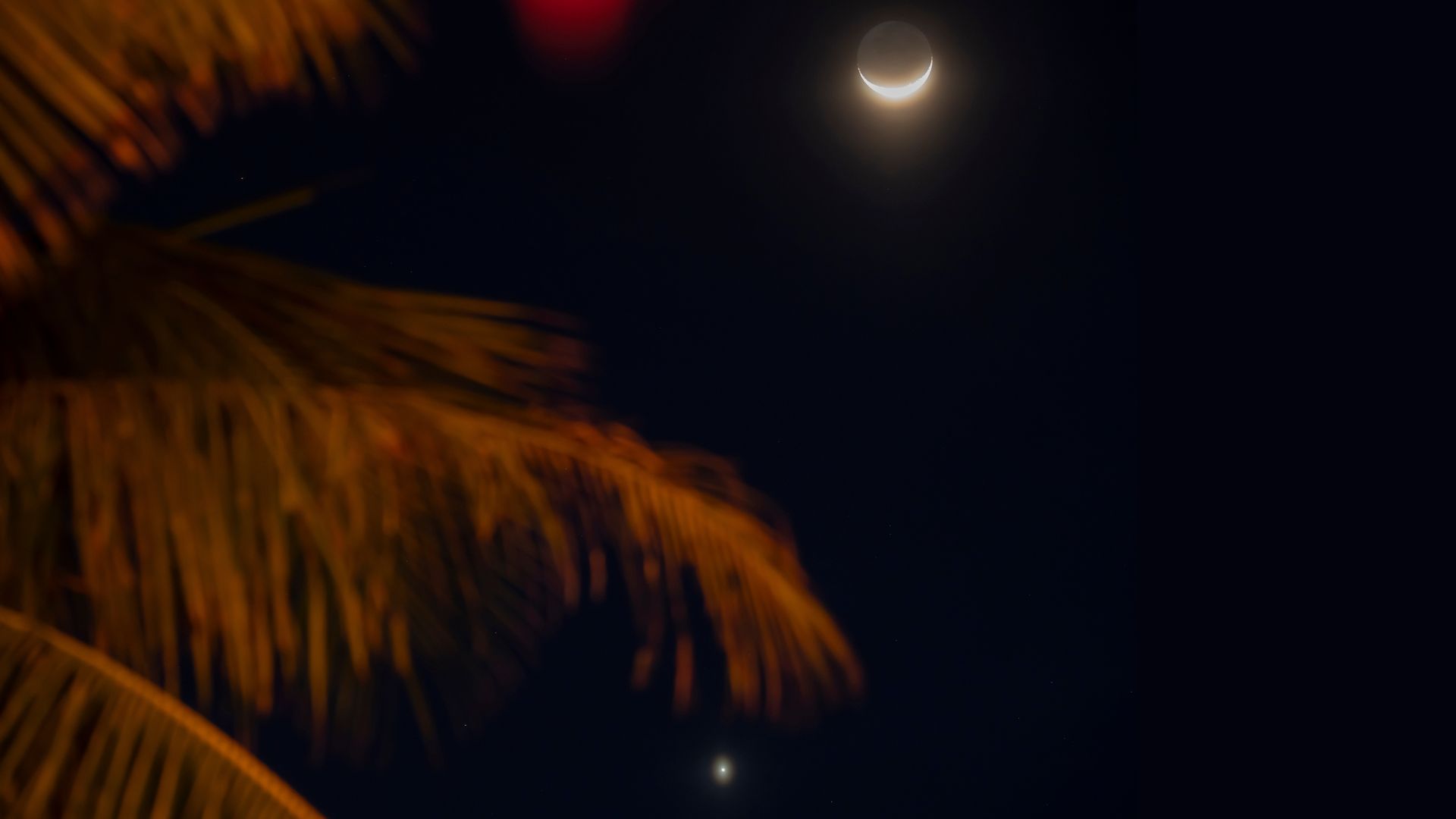
Meng Zhongde spied Venus and the moon shining in the twilight sky over the Hainan Province of China on May 19, with earthshine illuminating the lunar disk as reflected sunlight poured into the night from its glowing crescent.
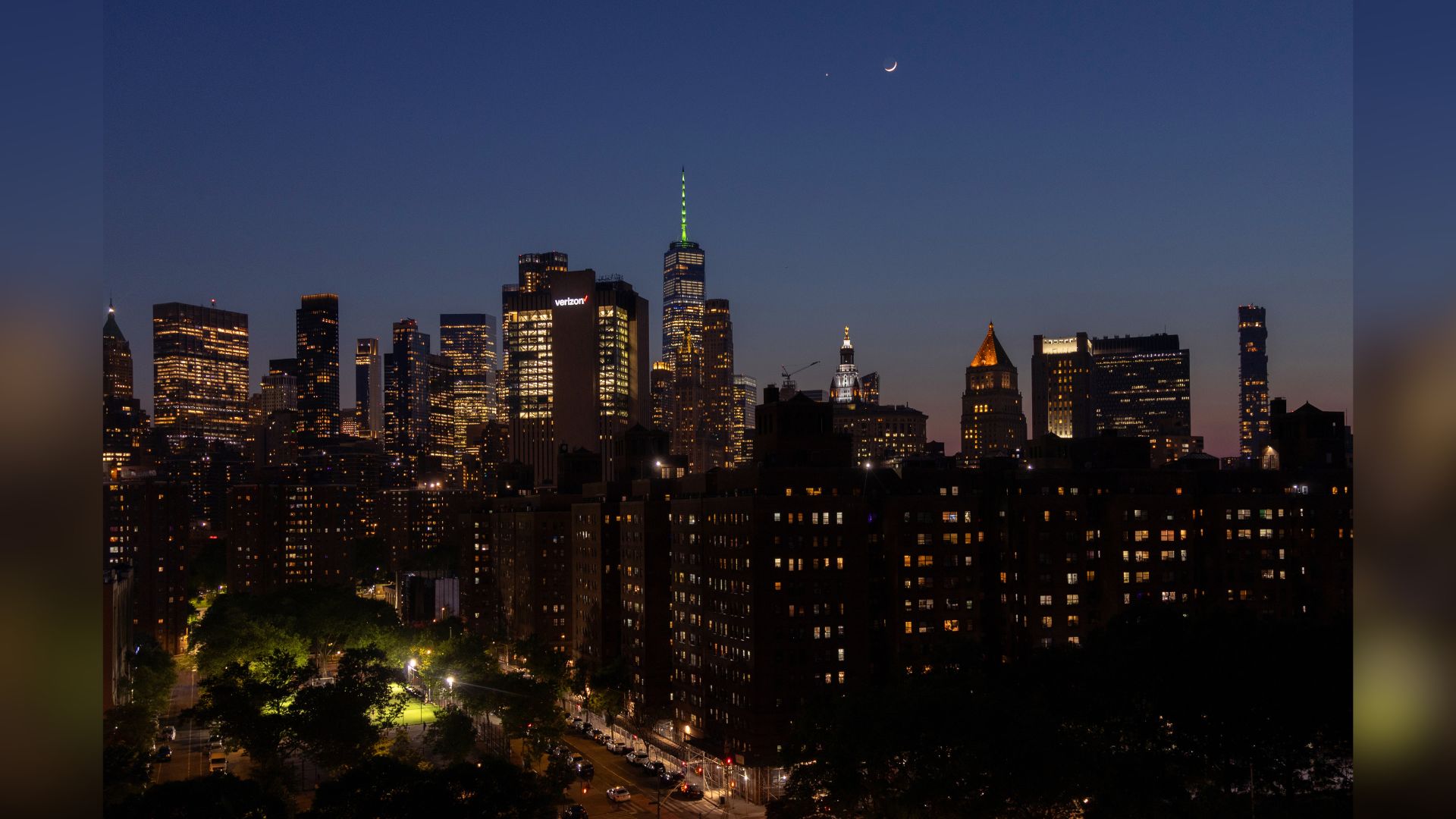
Photographer Gary Hershorn captured a dazzling photo of Venus shining to the left of the crescent moon above the One World Trade Center on May 18, as the glow of dusk illuminated the New York City skyline.
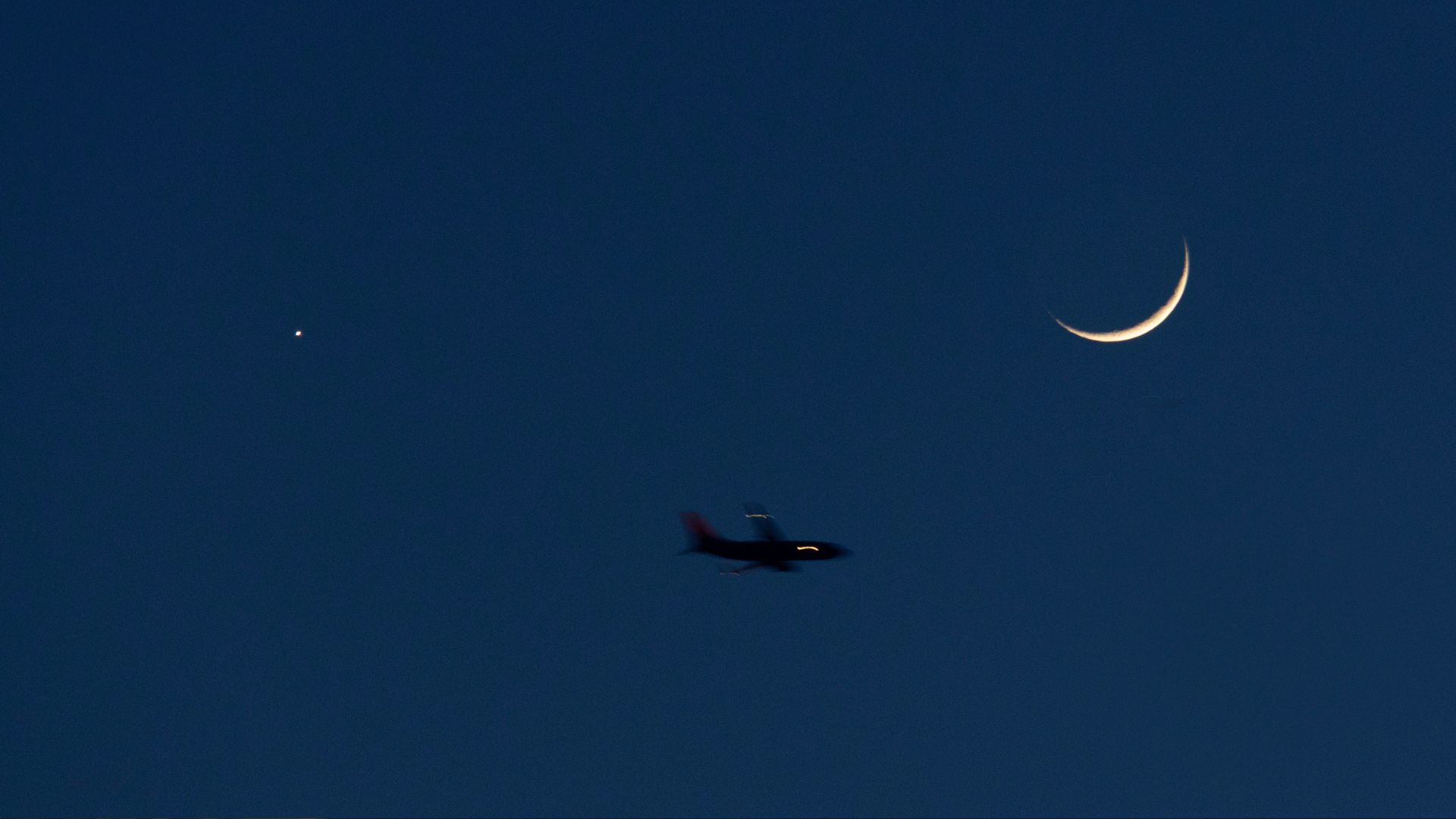
Hershorn also snapped a well-timed shot of a passenger aircraft speeding through the skies above Manhattan alongside the celestial duo that same night, before the 7%-lit crescent moon slipped from view below the western horizon.
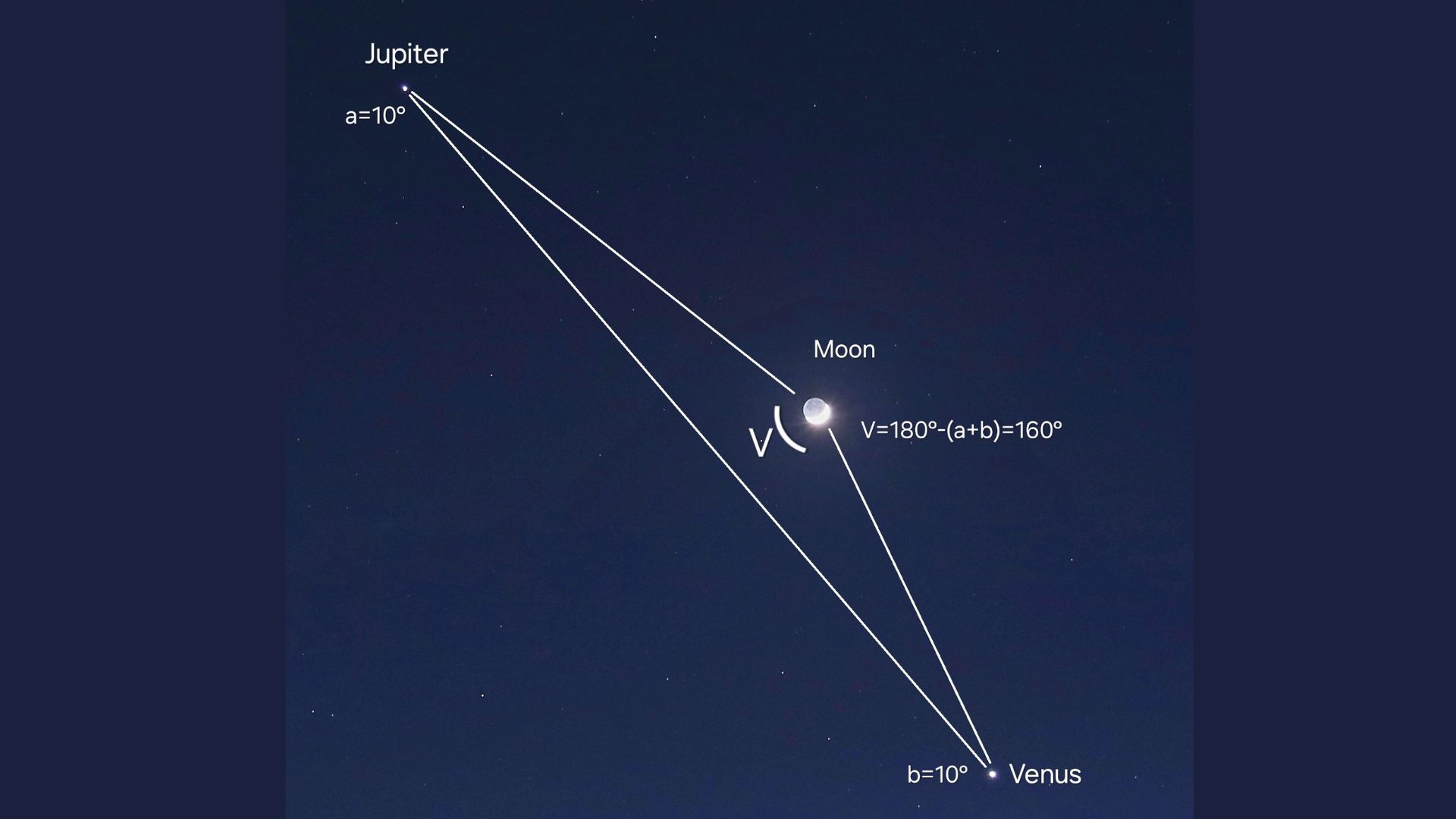
Giuseppe Pappa took a mathematical approach to the celestial event, by photographing the moon, Venus and the gas giant Jupiter in the skies over Catania, Italy on May 19 before calculating the angles between them.
"The three celestial bodies aligned perfectly in the evening sky, forming a geometric isosceles triangle," Pappa told Space.com in an email. "Jupiter (top left) and Venus (bottom right) sit at the base of the triangle with an identical angle of 10°. The Moon rests at the vertex(V), in the center of the scene, creating a wide 160° angle."
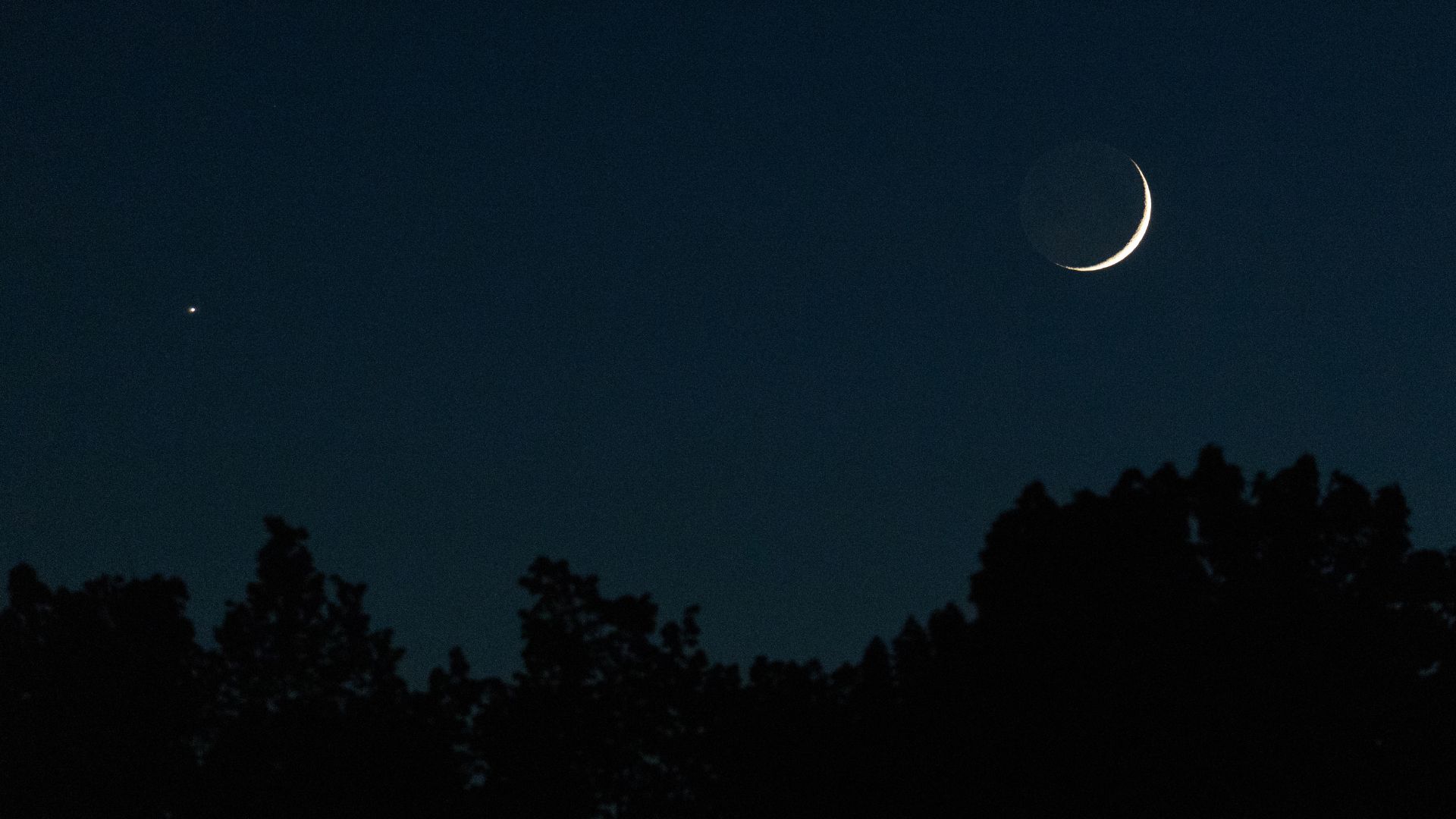
This view of the moon and Venus — often called "Earth's twin" due to its similar size and rocky composition — was taken by Pradeep Dambarage as they hung over the silhouetted treetops of a forest in Linköping, Sweden. The photo reveals subtle imperfections in the arc of the moon's crescent, created as sunlight fell on craters and broken terrain lining the shadowy divide separating night from day on the lunar surface.
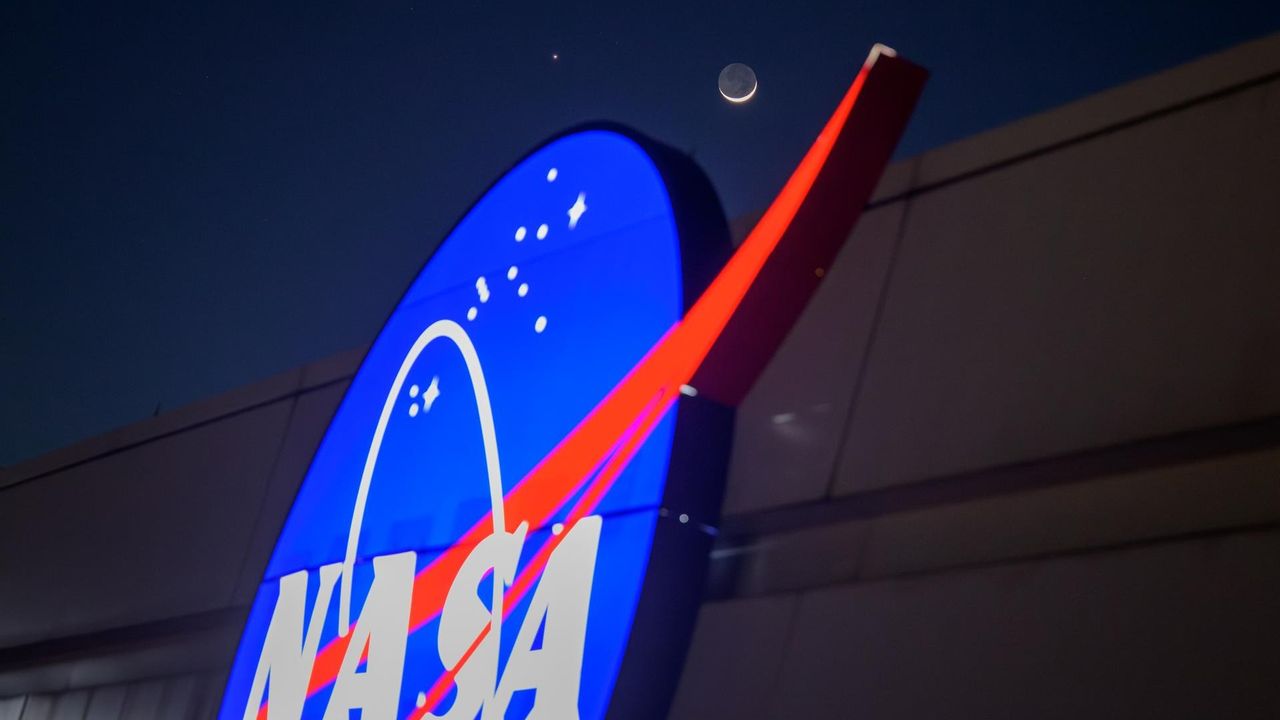
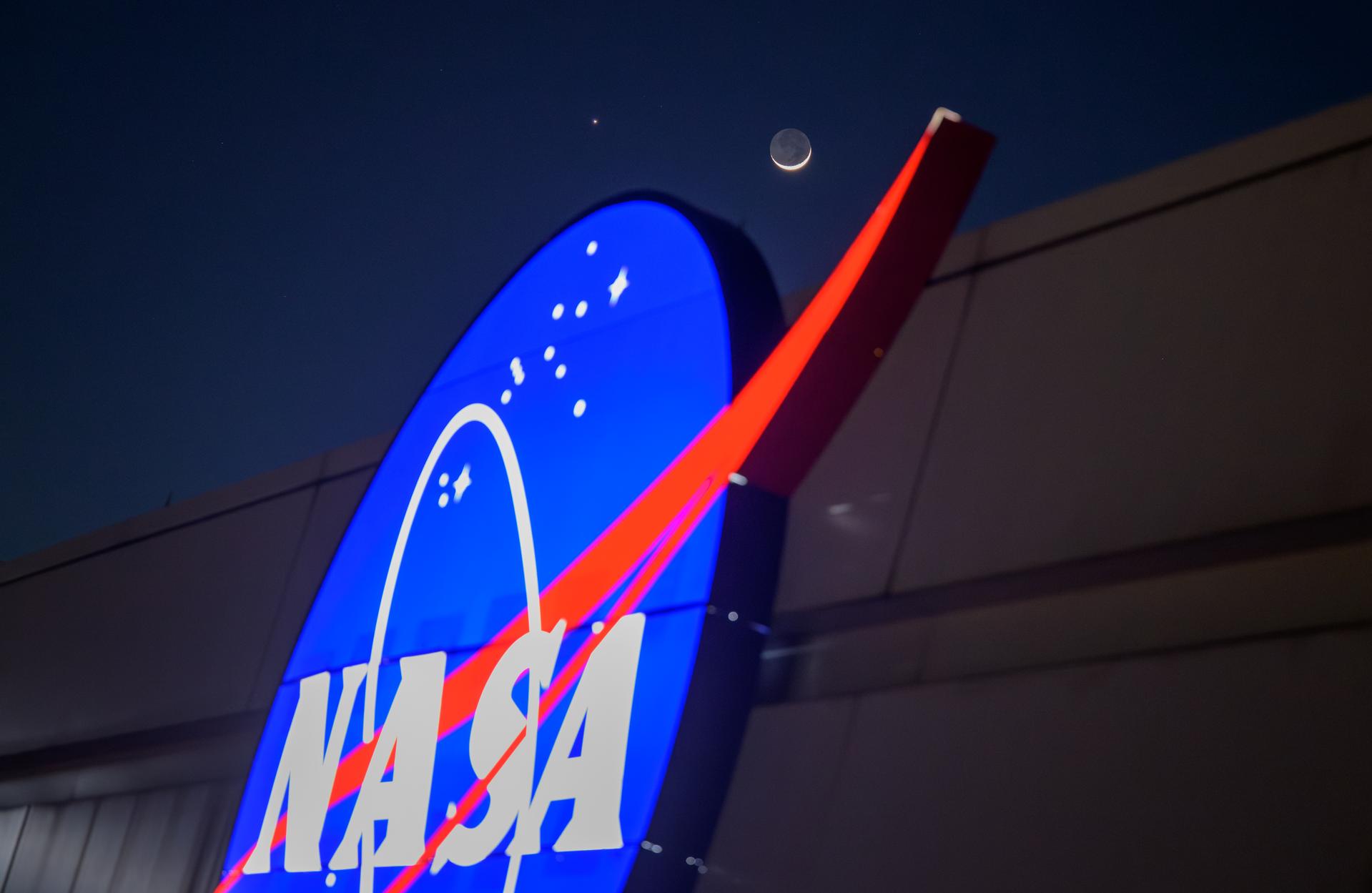
Photographer Bill Ingalls spied that same scene unfolding above the Mary W. Jackson building at NASA's headquarters in Washington D.C., as the agency's iconic blue, red and white "Meatball" logo dominates the shot.
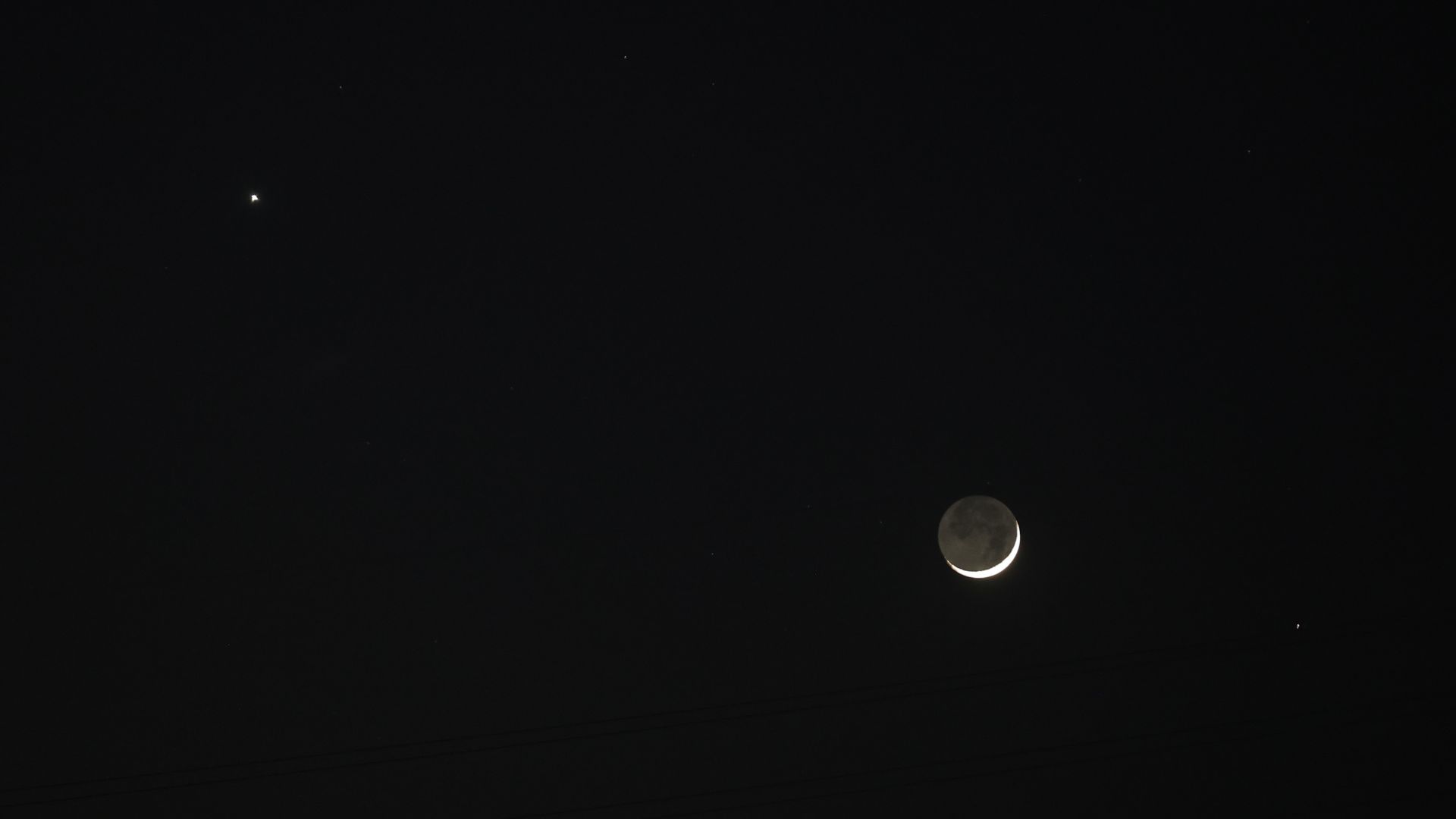
Tahir Turan Eroglu captured another gorgeous view of the young moon and Venus, as earthshine reveals the dark silhouettes of lunar seas scarring the lunar surface, where lava flows had solidified billions of years ago to form sweeping basaltic plains.
Want to know more about Venus? Then be sure to read our explainer article detailing everything you need to know about the rocky planet, along with these 10 fascinating facts about the moon.
If you're looking for a closer look at the planets then you'd do well to read our roundups of the top telescopes available in 2026. If photography is your thing then why not also peruse our picks of the best cameras and lenses for astrophotography?
Editor's Note: If you would like to share your astrophotography with Space.com's readers, then please send your photo(s), comments, and your name and location to spacephotos@space.com.