The United States has deployed the Nimitz Carrier Strike Group to the Caribbean as tensions with Cuba soar over charges against former president Raúl Castro. US Southern Command announced the arrival of the USS Nimitz and its strike group in the southern Caribbean on Wednesday, coinciding with the Justice Department's unsealing of an indictment against Raúl Castro.
The 94-year-old is charged in connection with the 1996 downing of two civilian planes. The deployment forms part of the Southern Seas 2026 multinational naval exercises.
Nimitz Strike Group Deployment Marks Significant US Naval Presence
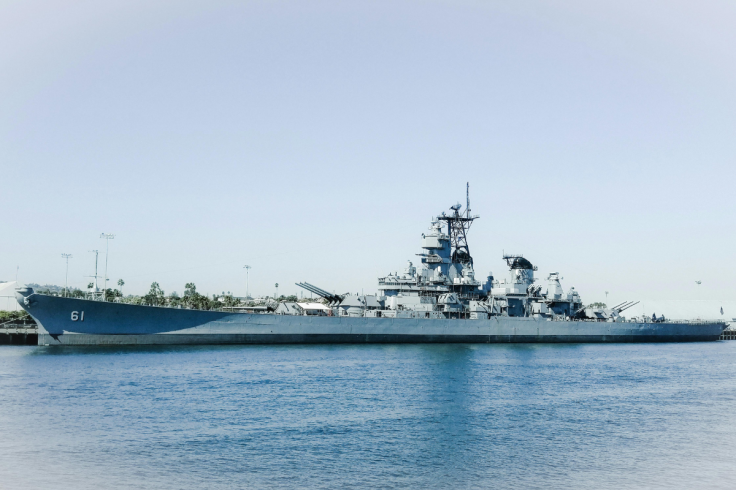
The group includes the nuclear-powered aircraft carrier USS Nimitz, Carrier Air Wing 17 with its F/A-18E Super Hornets, EA-18G Growlers and C-2A Greyhounds, the guided-missile destroyer USS Gridley and the fleet oiler USNS Patuxent. Southern Command emphasised the vessels' 'readiness and presence, unmatched reach and lethality, and strategic advantage'.
Welcome to the Caribbean, Nimitz Carrier Strike Group!
— U.S. Southern Command (@Southcom) May 20, 2026
The aircraft carrier USS Nimitz (CVN 68), the embarked Carrier Air Wing 17 (CVW-17), USS Gridley (DDG 101) and USNS Patuxent (T-AO 201) are the epitome of readiness and presence, unmatched reach and lethality, and strategic… pic.twitter.com/83mfzSIKzd
It is conducting joint operations and passing exercises with navies from 10 nations as it circumnavigates South America. The deployment is the Nimitz's last before it is decommissioned in 2027.
Officials have described the operation as routine, aimed at enhancing interoperability and maritime security with nations including Brazil, Mexico, Chile and Panama. Yet the timing has not gone unnoticed, coming as the Trump administration ramps up pressure on the Cuban government through a series of sanctions and legal actions.
Charges Against Raúl Castro Revive 1996 Aviation Tragedy
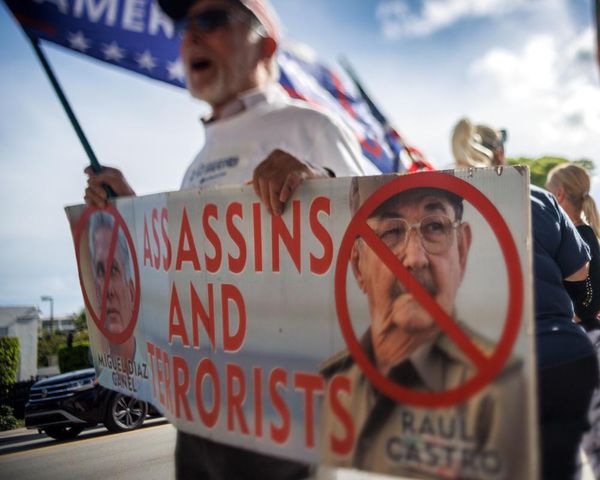
Federal prosecutors charged Castro with conspiracy to kill US nationals, four counts of murder and two counts of destruction of aircraft. The accusations stem from his alleged role as defence minister in ordering the shootdown of two Brothers to the Rescue planes over international waters on 24 February 1996. Four people were killed, including three Americans: Carlos Costa, Armando Alejandre Jr and Mario de la Peña, as well as Pablo Morales, a resident per The New York Times.
The indictment, unsealed on Cuba's Independence Day, names five Cuban military pilots alongside Castro. It marks a significant step in long-standing efforts by US authorities and Cuban exiles to secure justice for the victims of what has been described as a deliberate attack on unarmed civilian aircraft.
The case has been pursued for decades by relatives and activists in Miami. President Trump said the administration had Cuba 'on our mind' after the charges were announced as per The Hill. Cuban officials have called the indictment a pretext for further intervention and rejected the claims as politically motivated.
Regional Partners Watch as Exercise Unfolds Amid Diplomatic Strain
The deployment coincides with more than 240 additional US sanctions imposed on Cuba since January, which have slashed fuel imports by up to 90 per cent and triggered prolonged blackouts of up to 25 hours a day across much of the island.
The Nimitz group is expected to remain in the region for a few days before heading to port calls in Panama and Jamaica en route around South America. Cuban authorities have warned against any provocation, while regional partners monitor the situation closely for any signs of further escalation.
As the US deploys Nimitz Carrier Strike Group to the Caribbean, the latest developments underscore the fragile state of relations between Washington and Havana.