
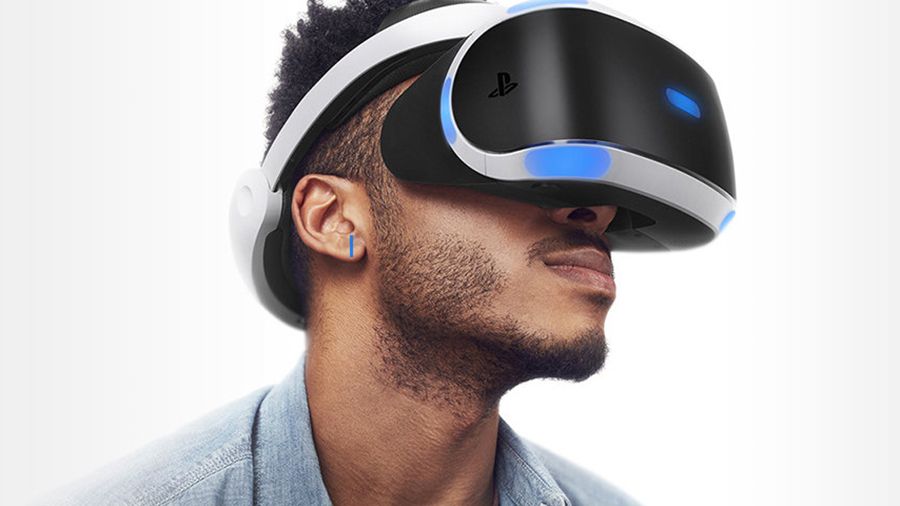
A new type of AR technology allows any surface to become interactive, thanks to advances in finger recognition.
The development comes from Tohoku University, where AI works with cameras to detect finger presses in a powerful new way.
Researchers at Tohoku University have developed a new tech that can turn any surface into an interactive space.
While there are exciting stories currently about self-driving cars and quantum battery tech, this finger discovery could be a significant jump forward.
Imagine your AR headset, or AR glasses, being able to throw up a keyboard on your desk that really works – suddenly your phone and glasses become a fully interactive computer for work and beyond.
The discovery, from Tohoku University, uses a combination of AI and mixed reality cameras to offer the interactive surface. Unlike current offerings, that rely on you holding super still or using a handheld device, this works naturally.
Thanks to an effect called blanching – where your finger changes colour slightly when pressed to a surface – the AI and cameras can detect when you're pressing an area.
In early testing it was found that many different surfaces could be used and the reliability was strong for a natural interaction, as if using a touchscreen or keyboard.
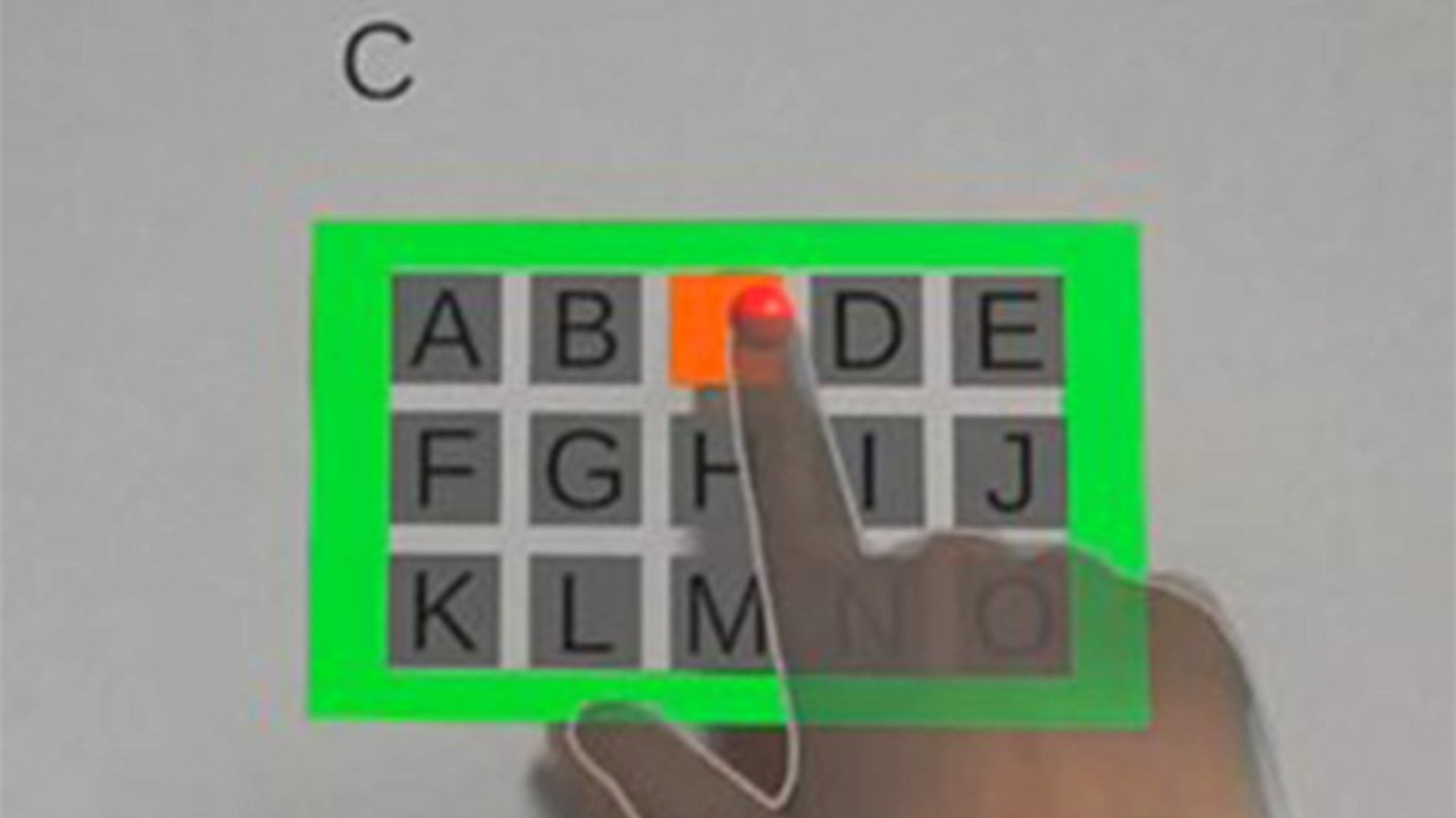
Guanghan Zhao, who led the study, said: "Our primary objective was to develop a technology that allows touch input on everyday physical surfaces for AR and MR without the need for special hardware, making these devices easier to use and promoting the wider adoption of AR and MR technologies for everyday use."
BlanchTouch: when will it be available?
BlanchTouch, as it's being called, was presented at the IEEE Conference on VR and 3D interfaces in South Korea in March.
When this will be used by companies already offering AR tech remains to be seen. But, since it uses current hardware and AI, it seems this could arrive soon.