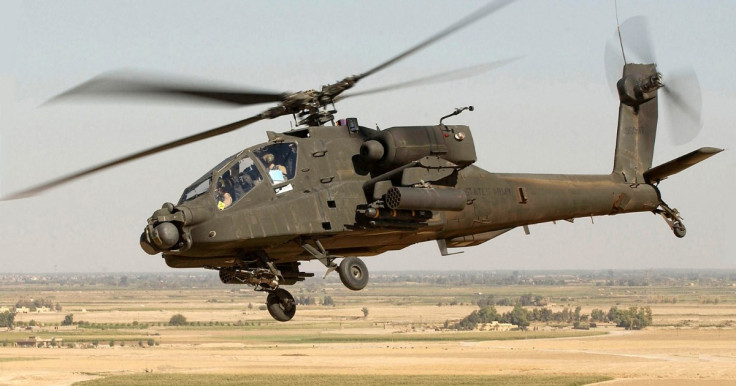
The United States has launched a series of military strikes against Iranian targets following the downing of a US Army Apache helicopter near the Strait of Hormuz, marking a significant escalation in tensions between Washington and Tehran.
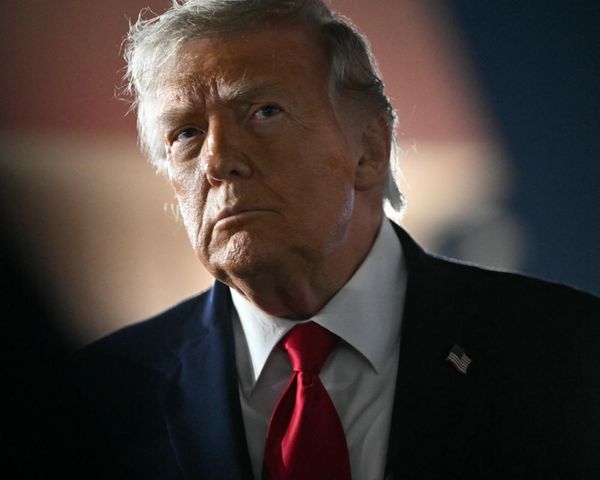
US Central Command said the operation was a direct response to the destruction of the helicopter, which American officials claim was brought down by an Iranian drone. President Donald Trump described the military action as 'very strong' and 'very powerful', while insisting the response was necessary to protect American forces and interests in the region.
The strikes targeted Iranian air defence systems, surveillance radar installations and ground control stations located near the strategically vital Strait of Hormuz. Despite the escalation, a senior US official said the Trump administration believes the military action will not derail ongoing efforts aimed at future negotiations with Iran.
US Launches Strikes Following Apache Incident
According to US military officials, fighter aircraft from both the Air Force and Navy carried out precision attacks against several Iranian military facilities. The Pentagon characterised the operation as a 'proportional response' to recent threats against US personnel and international shipping routes.
The Apache helicopter incident appears to have been the immediate trigger for the action. Two US officials stated that the aircraft was struck by an Iranian drone, although one official cautioned that investigators are still determining whether the helicopter was intentionally targeted.
View this post on Instagram
Military analysts note that the Strait of Hormuz remains one of the world's most strategically important waterways, with a significant proportion of global oil shipments passing through the narrow channel each day. Any military confrontation in the area has the potential to affect international energy markets and regional security.
Reports from Iranian media said explosions were heard in several locations, including Qeshm Island, Bandar Abbas and Jask, all of which have military and maritime significance.
Iran Responds with Attacks on US Regional Assets
Iran reacted swiftly to the American strikes. The Islamic Revolutionary Guard Corps announced that it had launched drone attacks against the US Fifth Fleet in Bahrain, describing the operation as retaliation for the American military action.
Iranian Foreign Minister Abbas Araghchi warned that no attack against the country would go unanswered, signalling that Tehran remains prepared to respond to any future operations.
Authorities in Bahrain activated emergency sirens and urged residents to seek shelter after reports of incoming threats. While there were no immediate reports of major damage, the situation heightened concerns that the confrontation could spread across the wider Gulf region.
Iranian state media also reported damage to infrastructure in southern parts of the country, including water facilities that reportedly supplied nearby communities.
How Will the US Respond Next?
The key question now is how Washington will respond to Iran's retaliation. Current indications suggest the United States will seek to maintain a policy of measured military pressure while avoiding a full-scale regional war.
American officials have repeatedly described the strikes as limited and defensive rather than the beginning of a broader campaign. However, any further attacks on US personnel, naval assets or regional bases could trigger additional military action.
For now, the White House appears focused on demonstrating strength while keeping diplomatic channels open. Whether that balance can be maintained may depend on Iran's next move and whether both sides can prevent the latest confrontation from spiralling into a wider conflict.