
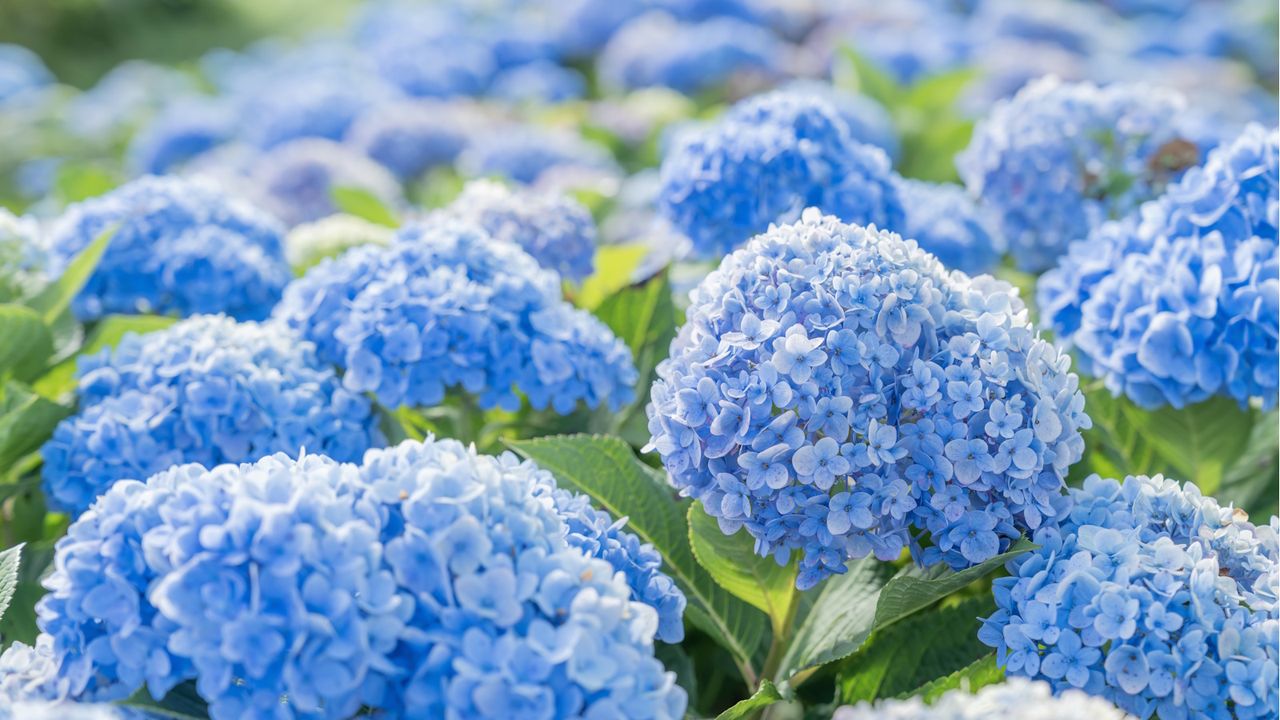
My blue hydrangea is the jewel in the crown of my patio planting. Its bright flowers always capture the attention of my guests and give me a hit of dopamine whenever I go out there. But, it's well-known that it can be tricky to keep a hydrangea blue, which is why I've adopted some specific tricks to make it easier.
Growing hydrangeas successfully is already fairly particular, let alone trying to keep them blue. The color of hydrangeas is all to do with soil pH level, with acidic soil bringing out the natural blue pigment. As soon as soil pH level becomes more neutral and alkaline, these hydrangeas can turn pink. By planting mine in the right place, using an acidic soil, and applying a special amendment, I manage to keep mine a vivid blue quite easily.
So, if you've also just added one of these beauties to your yard, keep reading. Below, I share my top three tips to maintain that unique sky-blue hue all summer long.
1. Grow It In a Container
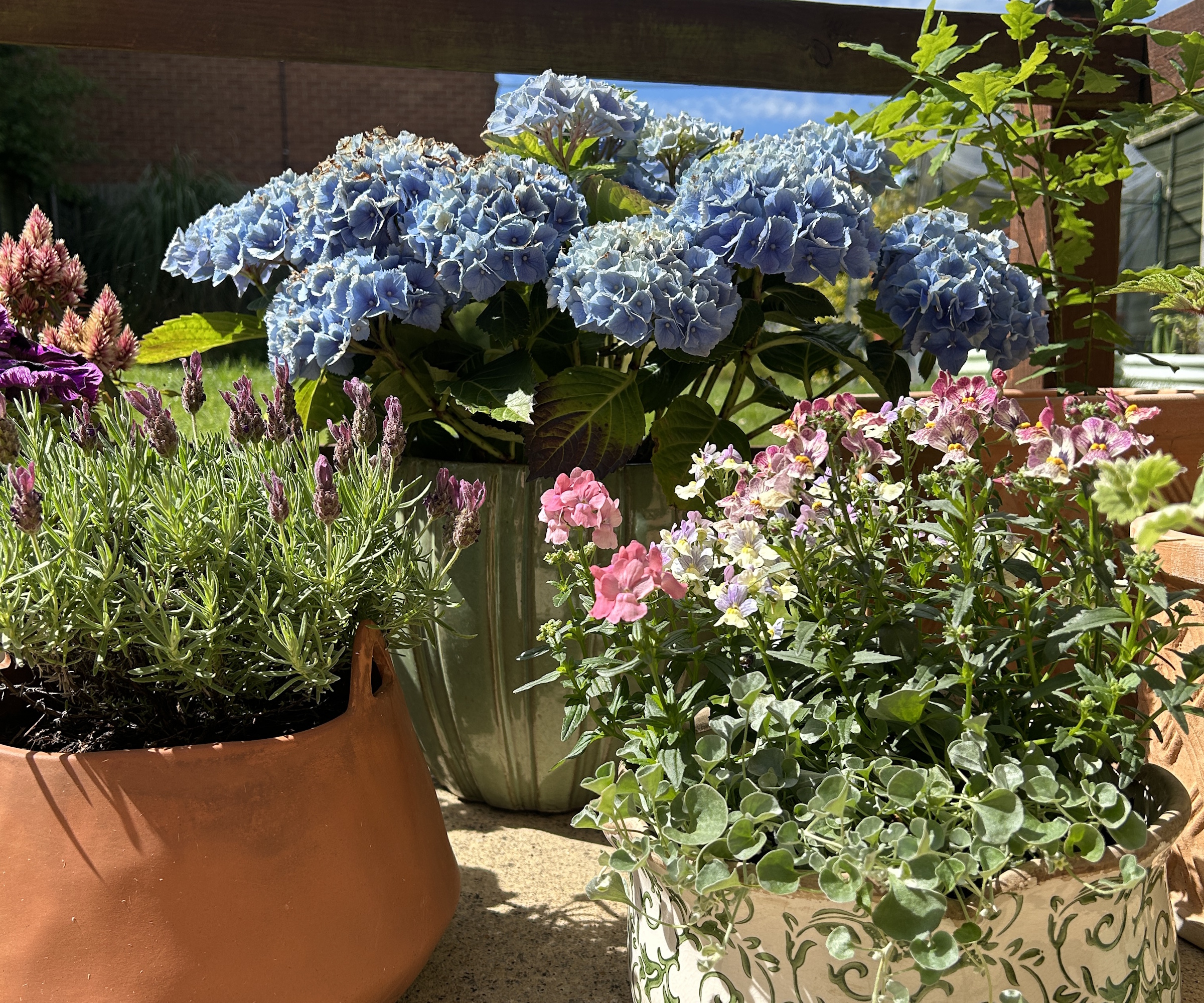
The soil type in my yard is a bit of a mixed bag, with some areas being sandy and some patches of clay. So, when it came to planting up my blue hydrangea, I wasn't going to take any risks and opted for container growing.
Adding a blue hydrangea to your container garden makes it much easier to control its growing environment. You know exactly the type of soil in the pot and can easily amend it to maintain acidity.
The thing to note about growing hydrangeas in pots is the size, with the most common types of blue hydrangea (bigleaf and mountain varieties, like this 'Nikko Blue' hydrangea from Fast Growing Trees) typically reaching an ultimate size of 2-3ft in height and spread in pots.
This Endless Summer Blue Hydrangea from Amazon is another good choice for pots.
Hydrangeas also love consistent moisture (you may spot your hydrangea wilting otherwise), but hate soggy conditions. That's why a pot with a drainage hole is a must.
This large ceramic planter from Wayfair is a great choice, with the navy color complementing the blue flowers beautifully.
2. Use Acidic Compost
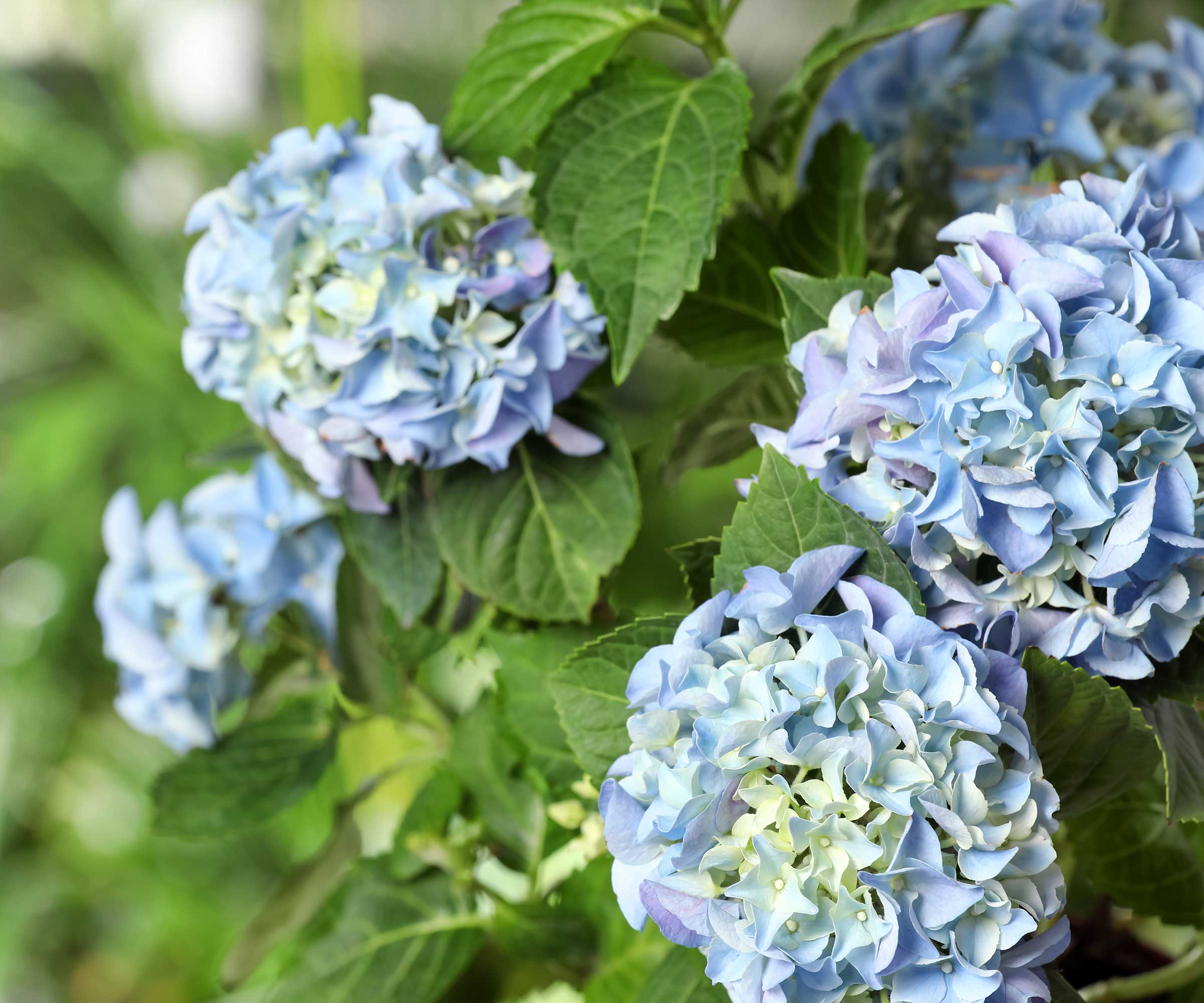
Soil is the most important thing when it comes to trying to keep a hydrangea blue. More specifically, the pH level of soil.
As mentioned, it's acidic soil that brings out the blue pigment in these hydrangeas. Pink hydrangeas, on the other hand, prefer an alkaline growing medium.
Somewhere between 4.5 and 5.5 is the sweet spot for blue hydrangeas. I needed, you can test the pH of your soil with this Amazon soil test kit to find out more about pH levels and nutrients.
Instead of using any potting mix for my blue hydrangea, I chose an acidic potting soil (like this acid-loving plant soil from Lowe's). This is a blend specially made for acid-loving plants, including azaleas and blue hydrangeas.
The acidic nature of this soil maintains a growing environment for the chemical reaction to happen that brings out the blue blooms.
Of course, you can also use methods to make your soil more acidic, though this is a more laborious option.
This 4-in-1 soil meter from Amazon can give you an instant reading of your soil's pH, moisture, temperature, and sunlight level, so you can monitor it.
3. Apply Aluminium Sulfate
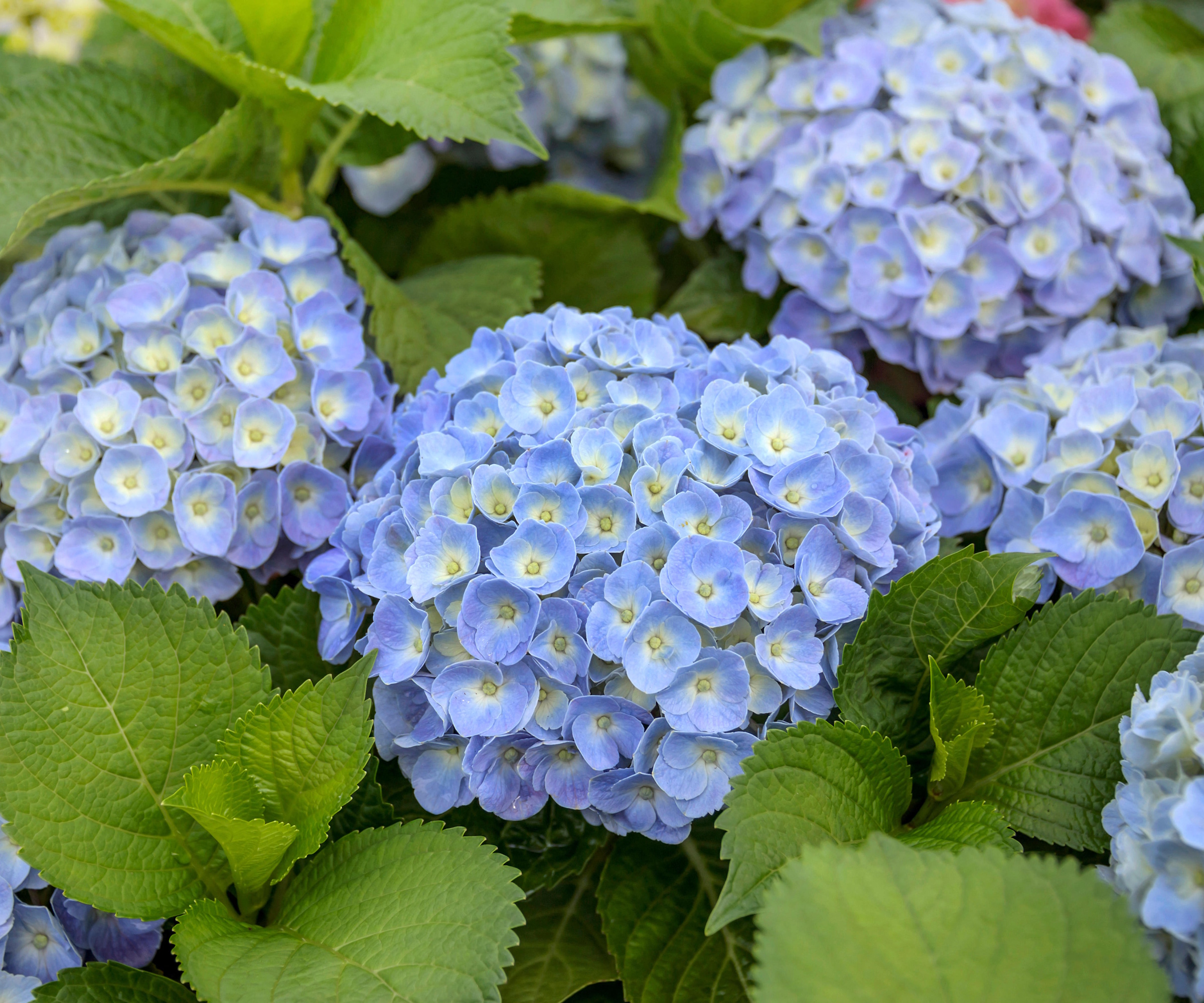
Over time, soil pH can change due to weathering and other environmental factors. That's why I use a aluminium sulfate soil amendment to top up acidity for my blue hydrangea.
Aluminium sulfate (like this from Amazon) is the secret ingredient to maintaining blue blooms because it helps lower the pH of the soil.
When the hydrangea's roots take up the aluminium, it binds with pigments called anthocyanins in the flower tissues, resulting in the blue coloration.
You should apply it in early spring, just before new growth emerges.
Mix it with water, as per the manufacturer's instructions on the product you have. Apply it around the drip line of the shrub, avoiding the foliage which can cause leaf scorch. You should then water thoroughly to help the plant soak it up and stop its roots burning.
Reapply once a month during the growing season until you achieve the desired shade of blue.
You can also use a hydrangea fertilizer (like this from Amazon) for a boost of essential plant nutrients in spring, though you should wait a couple of weeks after the aluminium sulfate is applied to ensure the root aren't overloaded.
Shop Hydrangea Essentials
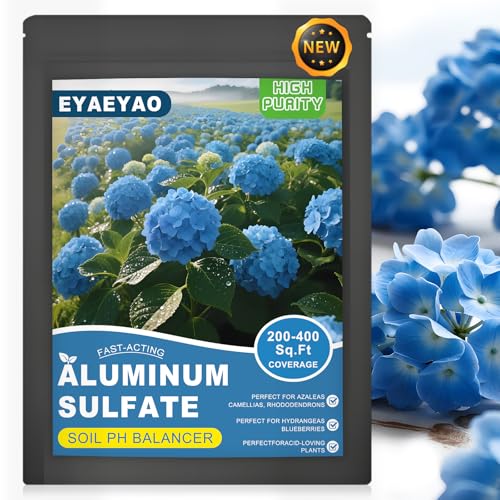
Use this aluminium sulfate to make your hydrangea's soil more acidic, helping to bring out blue flowers.

These pretty floral gardening gloves have leather palms to protect your skin when working with woody shrubs in the garden.

These pruning shears are ideal for tending to hydrangeas. It has a steel blade with a 5/8" cutting capacity.
FAQs
Can All Hydrangeas Turn Blue?
No, not all types of hydrangeas can turn blue. Most commonly, it's bigleaf and mountain hydrangeas that react to chemical changes in soil for the blue pigment to appear. White varieties tend to stay white, however, while pink blooms can turn blue with more acidic soil.
Hydrangeas can seem daunting at first, as there are plenty of hydrangea mistakes to avoid. But, there are also some hydrangea myths you should read up on to ensure you don't overcomplicate care.
If you love inspiring garden ideas, outdoor advice, and the latest news, why not sign up for our newsletter and get the latest features delivered straight to your inbox?