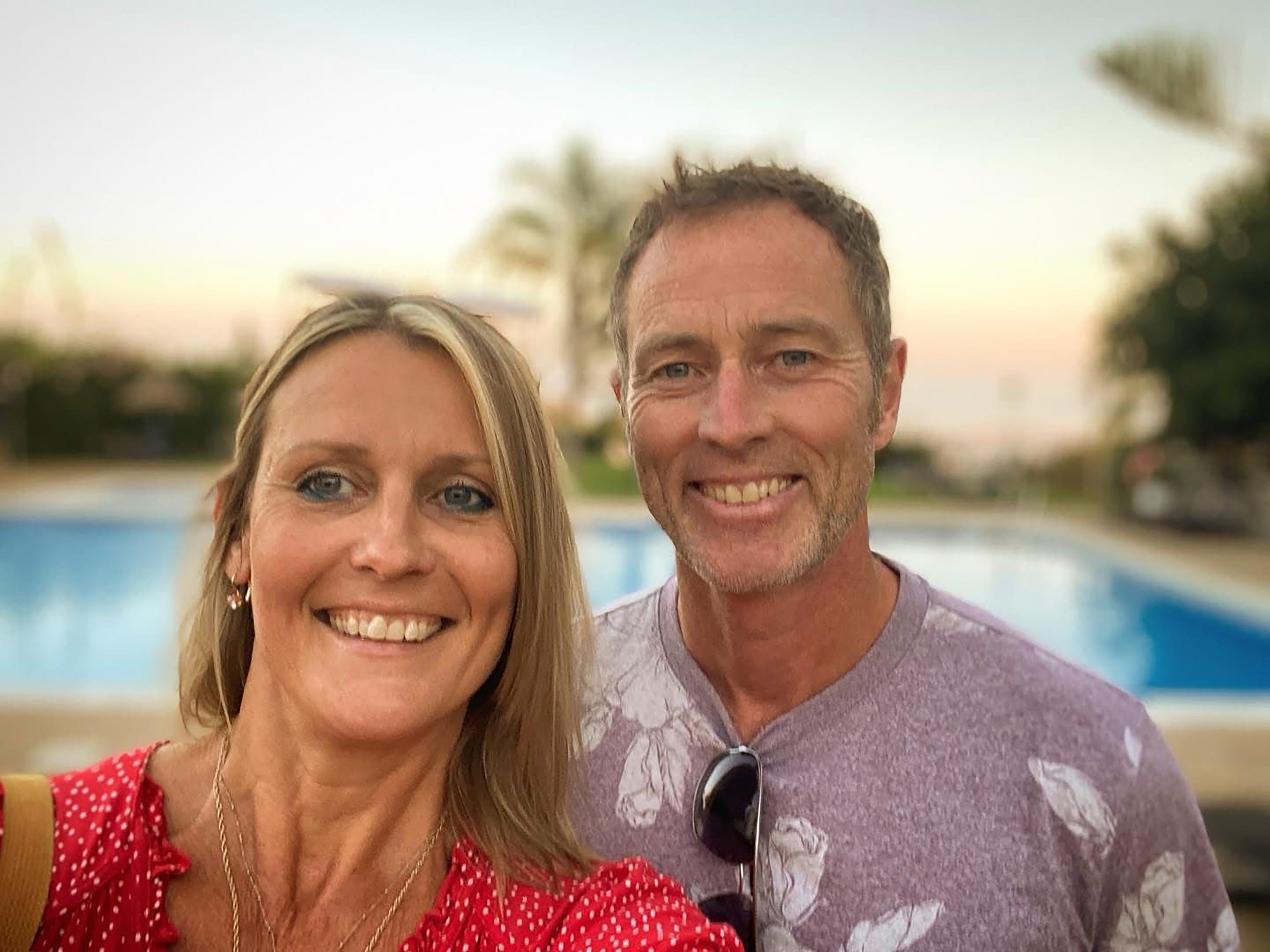
A British couple jailed for 10 years in Iran has issued a plea for the UK government to deport an Iranian stalker who has spent two decades in a maximum security jail, claiming he is their best hope of securing freedom.
Craig and Lindsay Foreman have accused the government of failing to act on clear signals from Iranian officials that Richard Jan, who was once described as Britain’s worst stalker, is the key to their release.
The couple were detained during a once-in-a-lifetime world motorbike tour 17 months ago and have been sentenced to 10 years on espionage charges – which they deny – and Foreign Office officials say it is “absolutely obvious” they are innocent tourists.
A joint investigation by The Independent and Sky News has uncovered a 15-year campaign by high-ranking Iranian officials for Jan to receive urgent healthcare in prison and be returned to the country.
The former British-Iranian dual national, who renounced his British citizenship in prison, was jailed for a minimum term of seven years in 2004. Including time served on remand, he has languished for 23 years as his health deteriorates, despite the government’s pledge to deport foreign offenders.
The Independent can reveal that his case was raised six months ago by an Iranian official holding the Foremans.
It can also now be revealed that Jan’s plight formed part of high-level negotiations in 2021 for the release of British-Iranian mother Nazanin Zaghari-Ratcliffe, who was detained for six years in Iran before she was finally freed after the British government settled a £400m arms debt with the country.
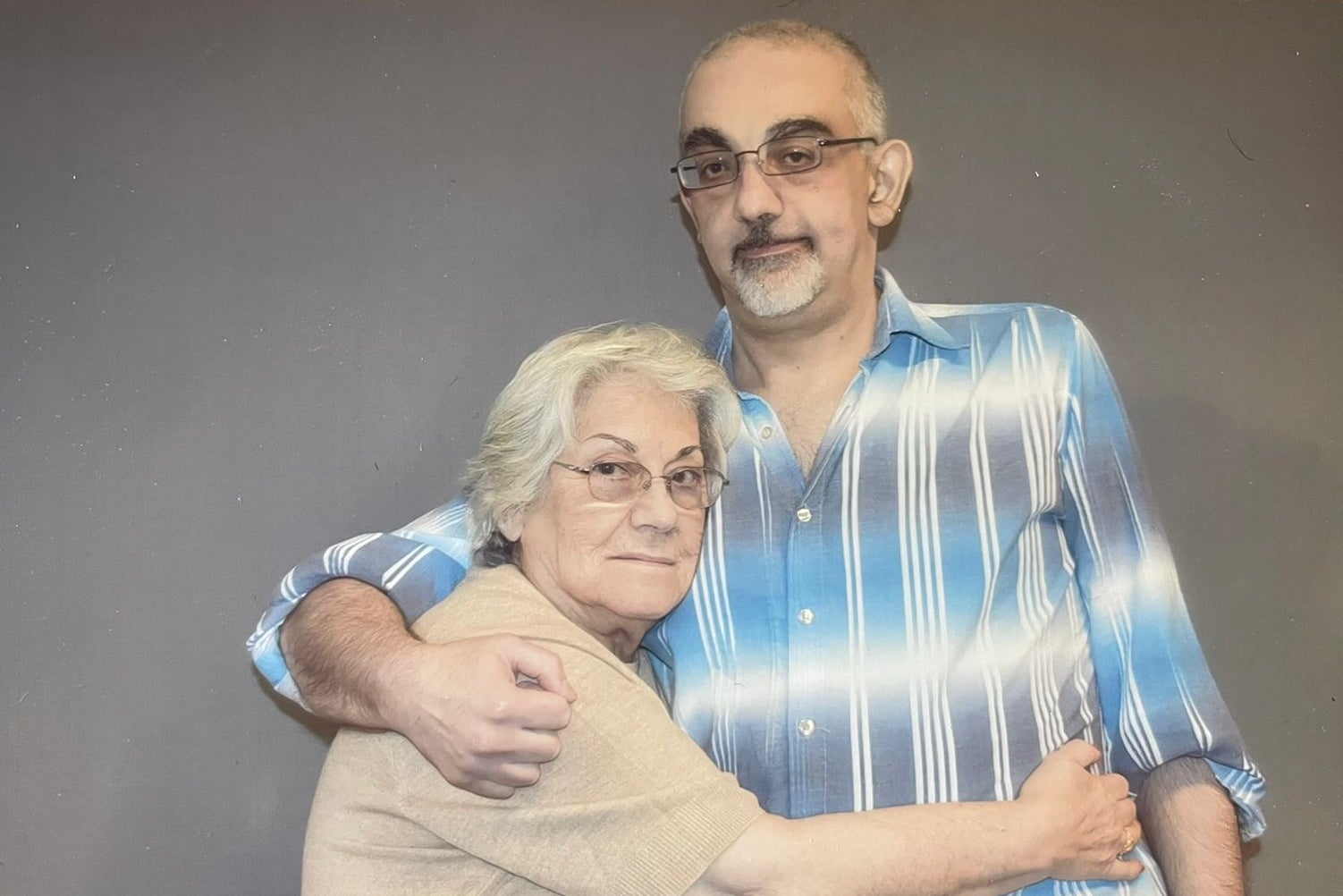
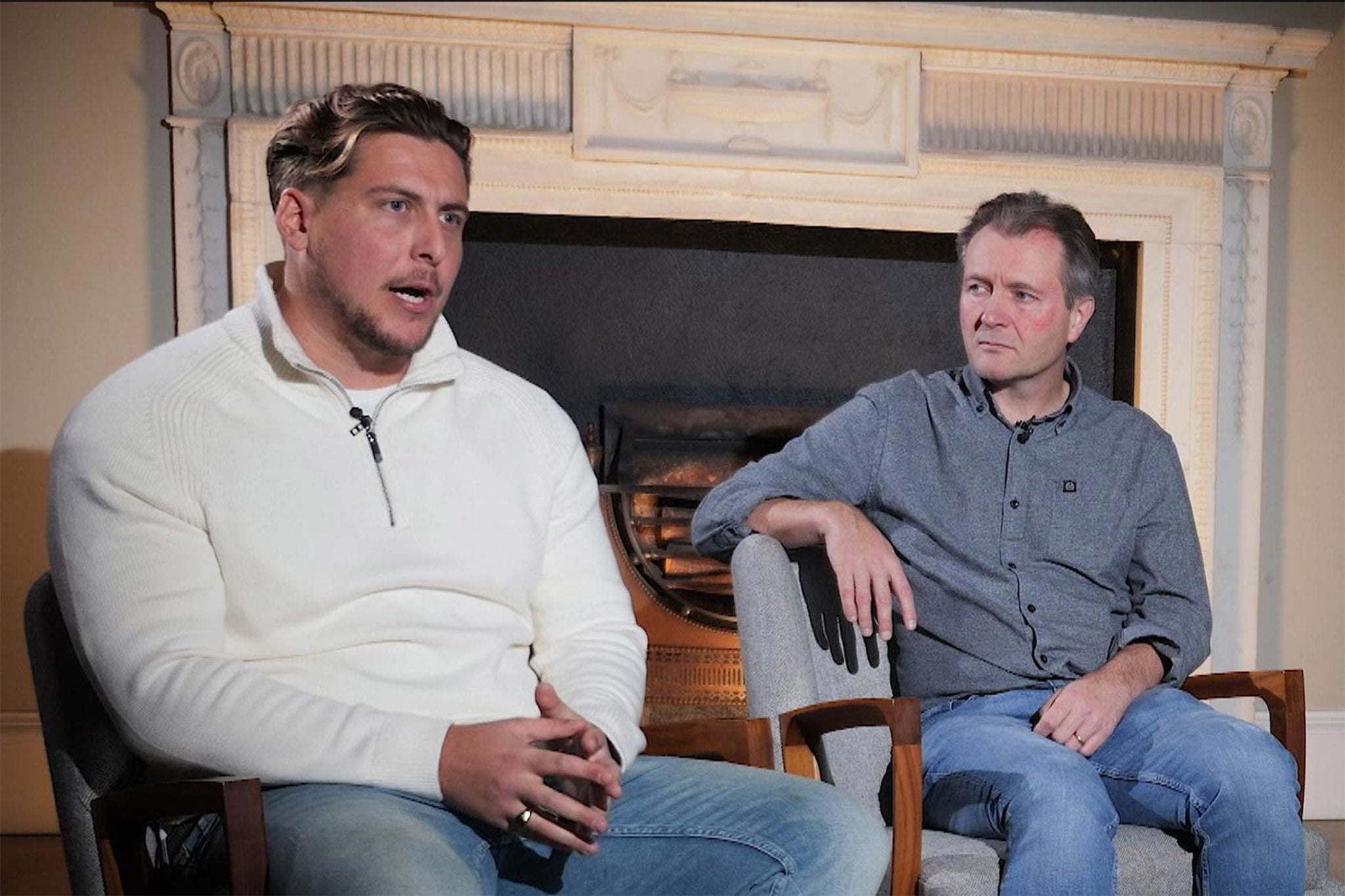
Speaking from his cell in Evin prison, Mr Foreman said: “This guy Richard Jan is like us, rotting away. He’s a sick man. He’s costing the taxpayers a lot of money.”
Despite a Foreign Office policy not to do prisoner exchanges, he believes Jan is the “only avenue” to negotiating their release, adding: “We are pawns in this massive game of chess.”
He pleaded: “If it means that they can get us out by doing a swap, then why not? I believe this guy, from what I’ve heard, is fairly old now and ill. Surely if he gets back to Iran via a prisoner swap, what harm could he be doing to the UK?”
Evidence unearthed during a two-month investigation suggests that Iranian authorities have grown increasingly frustrated over Britain’s treatment of Jan, who uses a wheelchair as he struggles with a litany of worsening health conditions.
The Foremans believe Britain’s failure to resolve Jan’s case is connected to their arrest, which came weeks after he was yet again refused release to Iran despite assurances he would be securely detained in a psychiatric hospital in Tehran.
Their son Joe Bennett questioned why the government has continued to waste taxpayers’ money holding Jan in the category A HMP Frankland, in Durham, where prison places cost £92,437 per year. He demanded: “If there’s a solution out there to get my parents back, why are we not exploring it?”
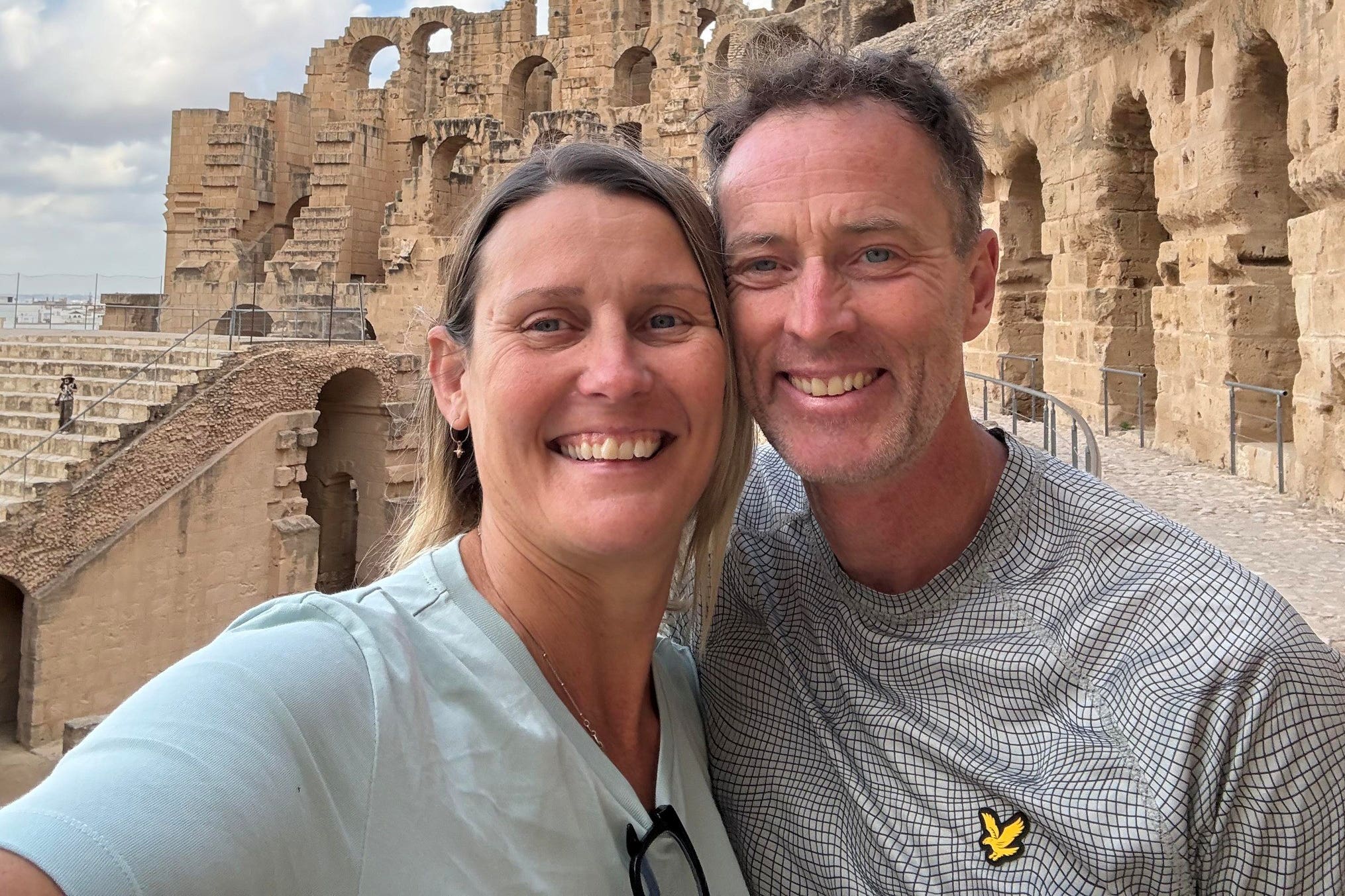
‘Lightbulb’ moment
It was during a consular meeting in Tehran on 29 December 2025 that Jan’s name was first mentioned to the Foremans in front of a British deputy ambassador.
One of two Iranian officials, who only identified themselves to the couple as members of the judicial system, suddenly announced that they wanted a meeting with the British ambassador to discuss Jan.
“At this point, I didn’t even have a clue who this guy was,” Mr Foreman recalled, adding that the official said he was “a really important man” whom they wanted to help, raising concerns that he was not getting his medication.
He described the revelation as like a “light bulb moment” as it was the first time any Iranian demands had surfaced since they had been arrested almost a year earlier.
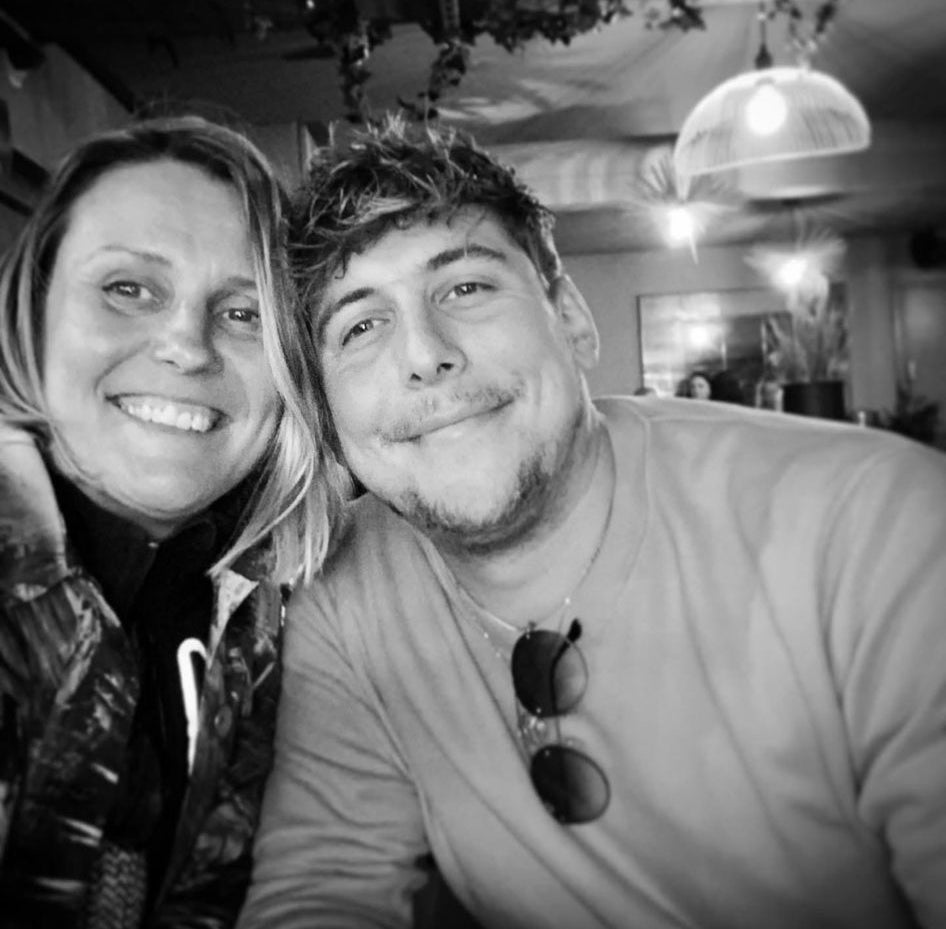
However, much to the family’s frustration, UK Foreign Office diplomats have dismissed the issue, insisting the official does not represent Iran’s Ministry of Foreign Affairs.
“It was kind of the only piece of hope that we were grabbing on to that there was a possibility of some sort of prisoner swap,” Mr Foreman said. “But unfortunately, there has been no action taken as yet.
“Sometimes we are scratching our heads thinking, why are we still here when there’s something on the table?”
Phone contact with the couple has since been cut off, and they have launched a hunger strike in desperation, which is making them weaker every day. The Foremans, both 53, have already survived the US bombardment while trapped in the notorious prison in northern Tehran.
Mr Bennett said Jan’s case was raised “with intention” and it “felt like the solution” for his mother and stepfather, adding that he should be legally deported in line with the government’s policies to remove foreign offenders.
In an appeal to the government, he said: “This seems like a very credible source, seems like a credible solution, yet you are dismissing it at every opportunity. Why?”
.jpeg)
He does not know if Jan alone will be enough to secure their release, but said the family had decided to defy Foreign Office advice not to go public after growing frustrated with the lack of progress on their case.
Mr Bennett continued: “It might be a building block to the next part of the deal, right? But a deal has to be done. They can’t rot in prison for 10 years.”
Who is Richard Jan?
Jan, whom police previously described as Britain’s worst stalker, was sentenced to life with a minimum tariff of seven years and six months in July 2004 after he waged a campaign of abuse against council workers and mental health teams who had tried to section him.
The former hospital biochemist was responsible for thousands of nuisance calls in his seven-year vendetta against 200 victims, which culminated in him torching a car, attacking a social worker with a brick, and pouring petrol through the letterbox of one Ealing councillor. His crimes left victims terrified, with some changing their names or going into hiding to escape the torment.
He was first eligible for deportation in August 2010, having served his minimum term for two counts of arson with intent to endanger life and one of causing public nuisance.
Under the government’s Tariff-Expired Removal Scheme, foreign offenders must be considered for deportation once their minimum term is up. Born in north London to Iranian parents, Jan renounced his British passport in jail in anticipation of his removal.
A deportation order was issued by the Home Office in 2013, but his removal was blocked by the Ministry of Justice (MoJ) in case it risked undermining public confidence in the justice system.
He has remained incarcerated ever since. Until last week, the 59-year-old was detained alongside some of Britain’s worst killers inside Frankland, which holds Milly Dowler’s killer Levi Bellfield and Sarah Everard’s murderer Wayne Couzens. However, he was transferred to a secure hospital in an unknown location as The Independent prepared to publish this story, according to his mother.
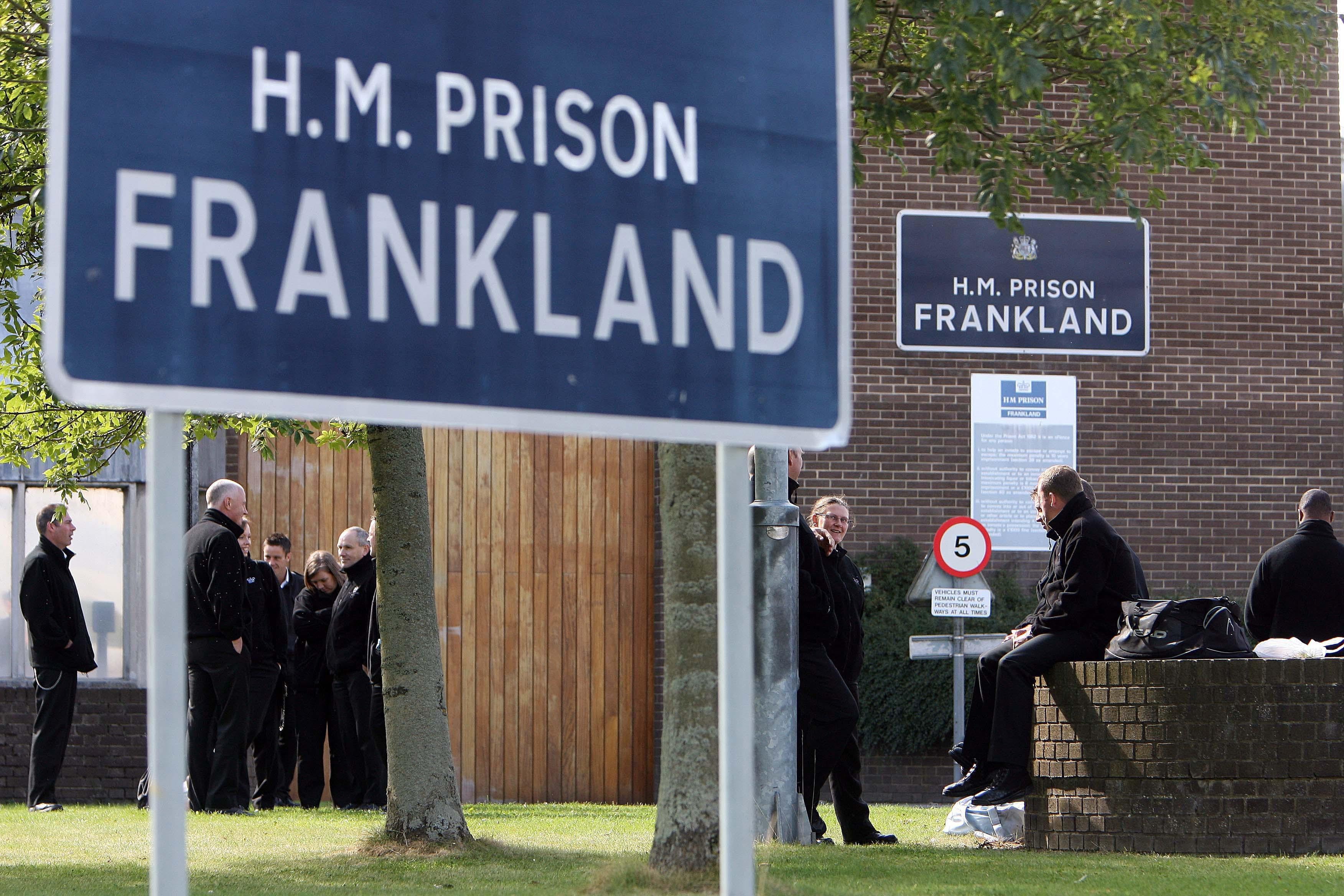
Without British citizenship, he cannot be freed in this country, but the Parole Board has repeatedly refused to recommend his release to Iran because it will be unable to monitor him there. This leaves him “effectively trapped”, according to his lawyer, Mladen Kesar, who hopes the Iranian regime will fund a six-figure judicial review arguing his detention is now arbitrary.
Speaking from prison before his transfer, Jan said he had endured 23 years of anguish, but “basically, they are saying we don’t want you out of our clutches”.
He pleaded for the MoJ to stop leaving him without hope while his mental and physical health deteriorates. He warned his health is so bad, “I might not survive long enough to get to Iran – I am not kidding.”
He claimed his case had reached a “very high level” in the Iranian foreign ministry, adding: “The Iranians want me out badly, very badly. They have been working on it for 15 years.”
Why does Iran want him back?
Documents seen by The Independent reveal the Iranian regime has gone to extraordinary lengths to support his deportation, including attending parole hearings and drafting detailed plans on his management in the country.
If he were to be deported, he would be met at Tehran airport by police and transported to the city’s Azadi Hospital, where he would be held securely and treated until he is safe for supervised release into the community.
He would then be monitored with restrictions on his movement and internet access. The Iranian regime – which has some of the toughest cyber crime laws in the world – has promised to punish him if he ever tries to contact his victims in Britain.
In a letter dated 12 November 2019, Consul Saied Zinati, from the Iranian embassy in London, revealed they had been following Jan’s plight for almost 10 years and raised concerns about his human rights, noting he had been diagnosed with bipolar disorder and had already served many years over his tariff.
He said they were “ready to communicate and cooperate with the UK judicial system” on the case.
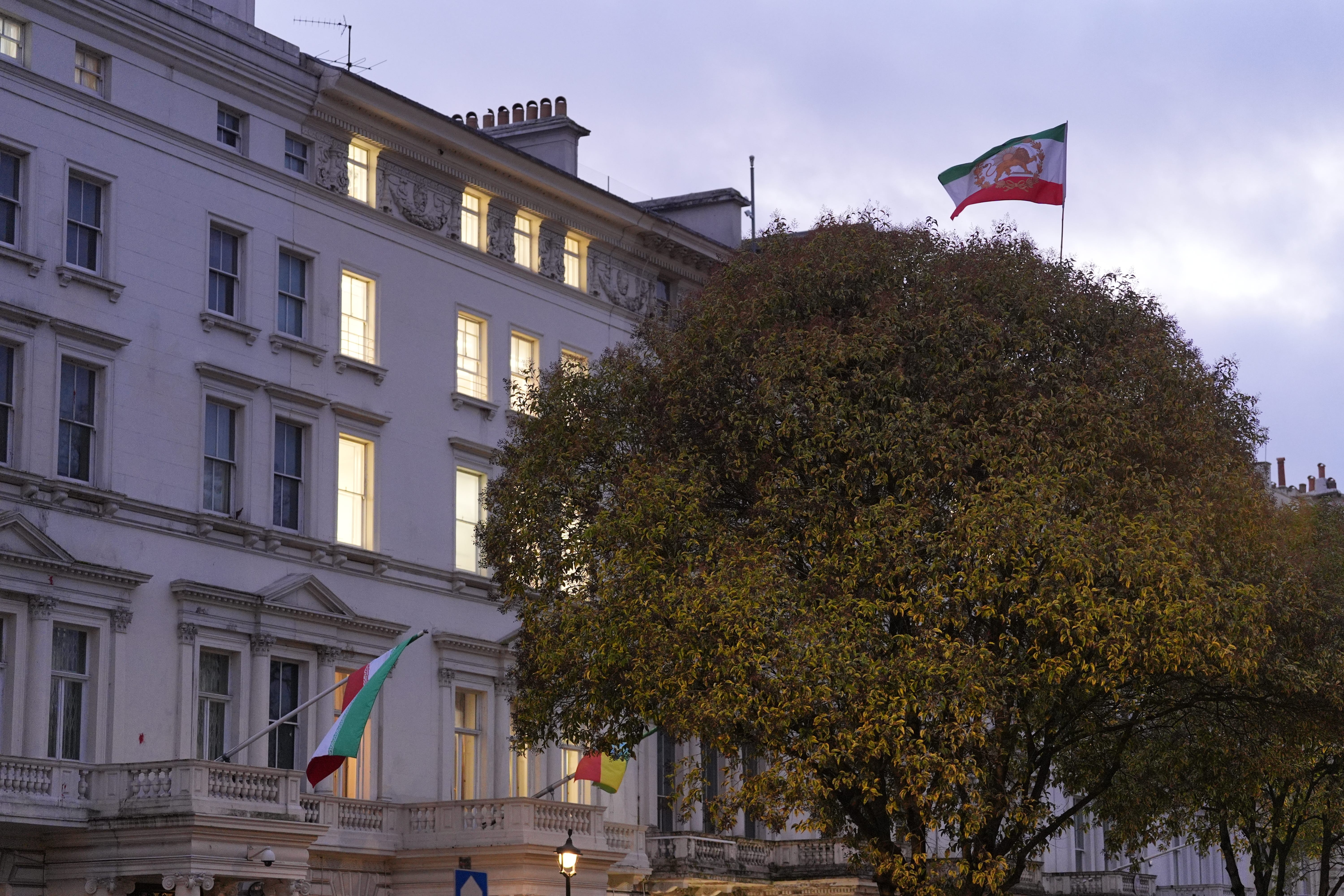
In a further appeal dated 4 October 2024, ahead of Jan’s most recent parole hearing, the embassy promised that he would be “carefully managed under a comprehensive risk management plan” produced in collaboration with Dr Hossain Foudeh, who leads the psychiatric unit at Azadi Hospital.
The embassy called for the Parole Board to take a “humanitarian approach”, adding: “His release would allow him to receive much-needed medical care while ensuring public protection through ongoing supervision.”
It argued that permitting Jan’s release to Iran would fulfil the long-held wish of his 90-year-old mother, Peggy Jan, to be reunited with her son.
“This decision would offer a unique opportunity for both justice and compassion to coexist, serving the interests of public safety and health concerns,” the letter implored.
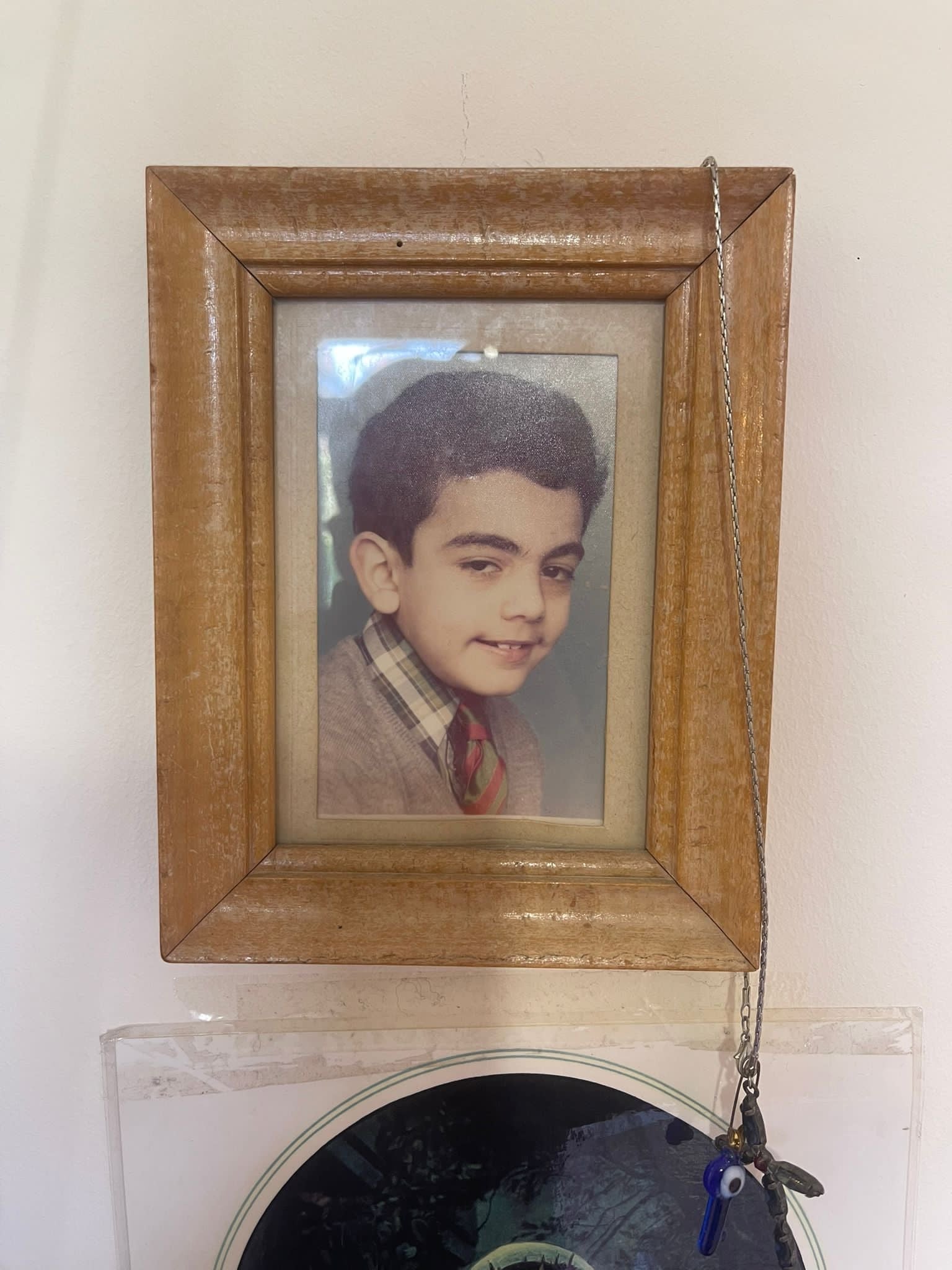
His mother, who is living in supported accommodation in south London, told The Independent he has been “left to rot” as he struggles with a heat disorder, asthma, severe varicose veins, incontinence and mobility issues. She last visited him four years ago because Frankland, in Durham, is too far for her to travel.
“He’s living in conditions that an animal would live in,” she said. “He’s so very, very ill. He was crying, saying, ‘Mum, I don’t know what to do; I am going to die, they are going to kill me’.”
Britain ‘dismissed’ Iran’s plans
Despite concerted efforts to prove he can be safely deported, Jan has been repeatedly denied release to Iran because British authorities cannot supervise him there.
Although the Parole Board in 2021 admitted that it was “impressed” with the Iranian proposals and found they could effectively manage his mental health problems, it concluded it could not impose licence conditions once he left Britain.
For the same reasons, by the time of his next unsuccessful parole bid in December 2024, the panel did not even consider the Iranian proposals.
The Foreman family fears this dismissal may have been the trigger for their arrest, without explanation, on 3 January 2025 as they travelled from Isfahan to Kerman.

Richard Ratcliffe, whose wife Nazanin was separated from their daughter for six years on Iranian espionage charges, told The Independent there is a “clear connection” between Jan’s case and the Foremans’ detention.
He revealed Jan was raised by the then ambassador Mohsen Baharvand in a meeting with Labour MP Tulip Siddiq about the imprisoned mother in November 2021. At the time, Jan had just been refused parole and was appealing the decision.
Mr Ratcliffe said Jan was added as a makeweight in negotiations for her return, which centred around an unpaid arms debt. He believes discussions had reached advanced stages and Jan’s removal to Iran may have gone ahead if he had not rejected the idea.
In a letter to the Iranian ambassador, seen by The Independent, Mr Ratcliffe said a prisoner swap was an insult which would create a “false equivalence” between the innocent mother and a convicted criminal.
Mr Ratcliffe claims the fact that the Foremans were arrested shortly after Jan was refused parole to Iran yet again is “not a coincidence”.
“He’s become increasingly important and then almost a symbol of the respect with which the Iranian justice system is treated,” he said, adding that he fears Britain’s response has been interpreted as a “personal slight” by the Iranian regime.
“I think that has been dangerous for the consequences for British citizens, which has ended up with the Foremans being taken hostage.”
He claimed the Foreign Office has failed to learn lessons from his wife’s case and was using the same playbook of “gaslighting” the Foreman family by denying any connection. The government consistently refused to acknowledge that an unpaid £400m arms debt owed to Iran had anything to do with Ms Zaghari-Ratcliffe’s detention. She was eventually freed after the sum was repaid.
A documentary on Jan’s plight, whose title translates to “Richard’s Tragedy”, was first aired on Iranian state TV on 14 October 2022. Shortly after the Foremans were sentenced to 10 years on espionage charges in February this year, the documentary was rebroadcast and screened at Evin prison, where it was watched by the couple.
Jan’s lawyer, Mr Kesar, described the Iranian plans over his deportation as “pretty watertight”, adding: “I just can’t think of what else [the Foreign Office] could offer.”
He believes Iran’s efforts are driven by compassion for a prisoner who has no meaningful opportunity to progress towards release.
Mr Kesar told The Independent: “Richard is detained simply because nobody knows what to do with him. He is not maximum security material, his offence and his health and his current ability to actually cause damage to anyone are just not for that type of security and caution.”
What is next for Lindsay, Craig and Richard Jan?
Iranian officials first became involved after Ms Jan, a former nurse who came to Britain in 1958, appealed to the embassy when her son was jailed. The staff member she met in the legal department, Seyed Ali Mousavi, has maintained a close relationship with the family and has since been promoted to Iran’s ambassador to Britain.
He has visited Jan personally in prison, most recently in August last year. In a post on X following the visit, Mr Mousavi called for “immediate action” to address his health concerns and requested access to emergency medical care.
“The ambassador assured him that his case, including hospitalisation and genuine treatment, is going to be pursued without delay through the relevant British authorities,” the post said. “His health condition is critical, and immediate action is essential to save his life.”
In a meeting with the Foremans’ MP Tony Vaughan in February this year, Mr Mousavi confirmed that Jan is a person of interest to the Iranian regime, which wants him to receive urgent medical care.
Mr Vaughan called for the government to act to help the couple, who this week learnt that an appeal against their 10-year conviction was refused in a hearing they were not permitted to attend.
In a statement, the Iranian embassy said it viewed Jan’s case as a “consular and humanitarian matter” and confirmed it has “repeatedly” raised concerns about his worsening health and requested his transfer to hospital.
“During consular visits by representatives of the embassy, Mr Jan’s serious physical deterioration has been clearly visible,” the statement said. “His mobility has significantly worsened, and he now appears to have extreme difficulty walking without assistance.”
They said there was also a “deeply human dimension” to the case given Jan’s prolonged separation from his elderly mother.
The statement added: “As you may be aware, Mr Jan has been eligible for consideration for release for many years, and there have been longstanding requests and discussions concerning his return to Iran.
“From Iran’s perspective, the central issue is the protection of the rights, health and dignity of an Iranian national who remains in custody despite serious humanitarian concerns, and facilitating his return to Iran remains an important part of addressing those concerns.”
A government spokesperson warned against publishing the Foreman family’s appeal, adding: “There is no truth whatsoever to the claims of a potential exchange arrangement, and giving credence to these claims is not only wrong but risks hindering all the other efforts currently being made by this government to secure the Foremans’ release.”
However, The Independent has chosen to bring the couple’s link to Jan into the public domain, with the full support of the Foreman family, who have called for officials to fully explore any avenue which could expedite their release.