A recent safety recall has forced several major retailers to pull specific noodle and snack products from their shelves immediately. These items were identified as having a potential contamination issue that could pose a health risk to regular consumers. You should check your pantry right now to see if you have any of these items in your home. The health and safety of your family is the most important thing to keep in mind today. Here is how you can identify the recalled products and what to do next.
The Noodle Recall: Allergen Risks
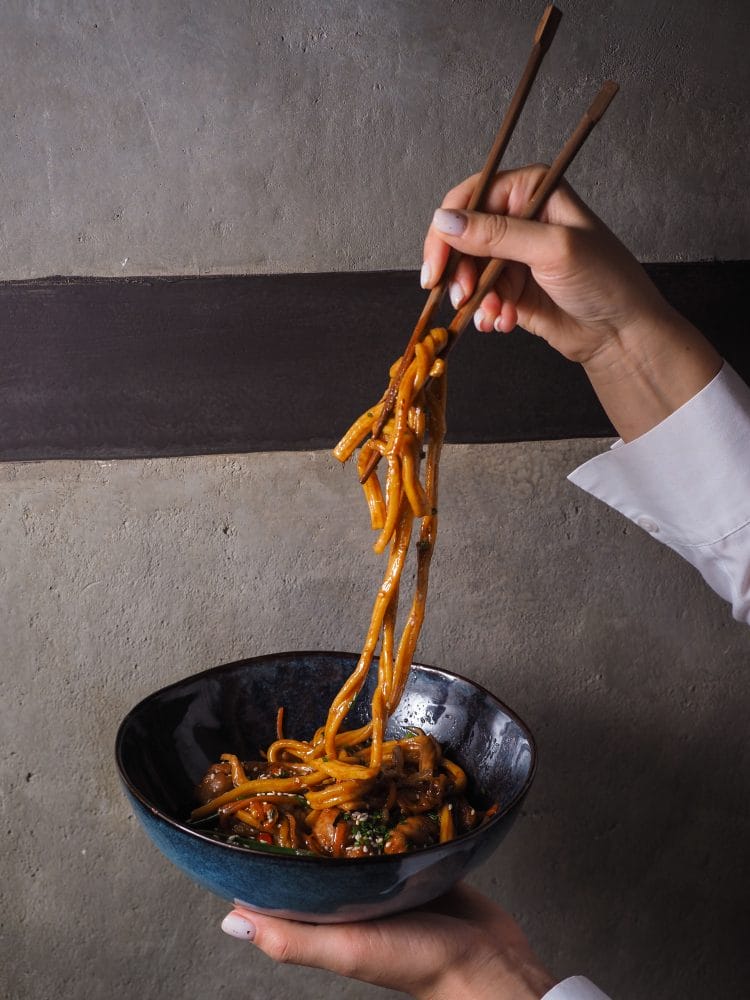
Fly By Jing has issued a voluntary recall for select lots of its Creamy Sesame Noodles due to the potential for undeclared peanut cross-contact. Although peanuts are not an intended ingredient, the product was manufactured on shared equipment that processes peanuts, posing a life-threatening risk to individuals with peanut allergies. Affected products include both single and four-pack containers distributed nationwide between February 1, 2026, and May 8, 2026. You can identify these items by checking for the “Best By” dates of October 15, 2026, December 6, 2026, and March 23, 2027, on the bottom or back of the packaging. If you have these noodles and a peanut allergy, do not consume them.
Widespread Snack Recalls: Salmonella Fears
In a separate broader series of alerts, dozens of popular snack products—including popcorn, trail mixes, potato chips, and pork rinds—are being recalled due to potential Salmonella contamination. This issue stems from a third-party ingredient supplier, California Dairies Inc., which issued a recall for powdered milk and buttermilk that may be contaminated. Affected brands include Good & Gather (sold at Target), Williams Sonoma, Fisher, Southern Style Nuts, and Zapp’s or Dirty brand potato chips. While many of these products tested negative for Salmonella before use, manufacturers are issuing these recalls out of an abundance of caution. Symptoms of a Salmonella infection include severe stomach cramps, nausea, vomiting, and watery or bloody diarrhea.
Steps to Protect Your Household
You should immediately inspect your pantry and kitchen cabinets for any products listed in these safety notices. If you find a recalled item, do not attempt to consume it, even if it appears perfectly fine to the naked eye. The safest course of action is to discard the product in a secure trash bin where others cannot access it. Alternatively, most manufacturers are offering full refunds if you return the item to the place of purchase or provide proof of your purchase through their customer service channels. Staying informed is your best defense against these unpredictable safety concerns, so consider signing up for email alerts from the FDA or your state agricultural department.
How to Identify Recalled Items

Check the packaging of any noodles or snacks you have purchased in the last month to look for specific codes. Most recalls involve very specific batches that are identified by a lot number printed on the back of the bag. You can visit the official government food safety website to search for the brand names and the matching codes. The site provides a full list of affected products along with clear pictures to help your search. Take your time to review your pantry and discard anything that matches the listed criteria.
Do Not Eat the Product
If you find that you have a recalled item, you must stop using or eating it immediately for your safety. Do not try to cook the noodles or snack on the contents even if they look perfectly fine to you. Contamination issues are often invisible to the naked eye and can only be confirmed through laboratory testing procedures today. The safest thing you can do is to throw the package in the trash right away. Your health is not worth the risk of trying to finish an unsafe snack.
Getting a Refund
You are entitled to a full refund for any recalled product you have bought at your local grocery store. Contact the manufacturer using the phone number printed on the package or their official website to start the claim. They will often ask for a photo of the product code to verify it was from the bad batch. You might also be able to bring the item back to the store where you bought it for a return. Always keep your receipt if you still have it to make the process go much faster today.
Staying Safe at Home
Food safety recalls are a normal part of the system to ensure that our supply chain stays secure for everyone. By keeping an eye on these alerts, you are playing your part in keeping your household safe and healthy. Sign up for email alerts from your state department of agriculture to get these warnings delivered directly to your inbox. It is a very easy way to stay informed and avoid any potential issues with your family’s food supply. Being prepared is the best defense against these unpredictable safety concerns.
Be Mindful
Recall alerts are important reminders to be mindful of the food that makes its way into your home kitchen. Taking a moment to check your pantry is a small action that protects your family from preventable health risks. Follow the official guidelines for disposal and refunds to ensure you are fully protected after a recall event. You can trust that the safety systems are working to identify and address these issues for the public good. Stay safe and keep your family well-fed with trusted, verified food this week.
What To Read Next
FDA Alert Brain Tonic Recalled After Botulism Contamination Risk
Major Jasmine Rice Recall Hits Target and Walmart Over Contamination Risks
FDA Recall Alert Raw Farm Cheese Products Flagged for Possible E coli Risk
Nationwide Cantaloupe Recall What Shoppers Need to Know About Salmonella
FDA Alert The Moringa Supplement Recall Linked to a Multi State Safety Investigation
The post Recall Alert: Why Certain Noodle and Snack Products Are Being Pulled from Major Retailers This Week appeared first on Grocery Coupon Guide.