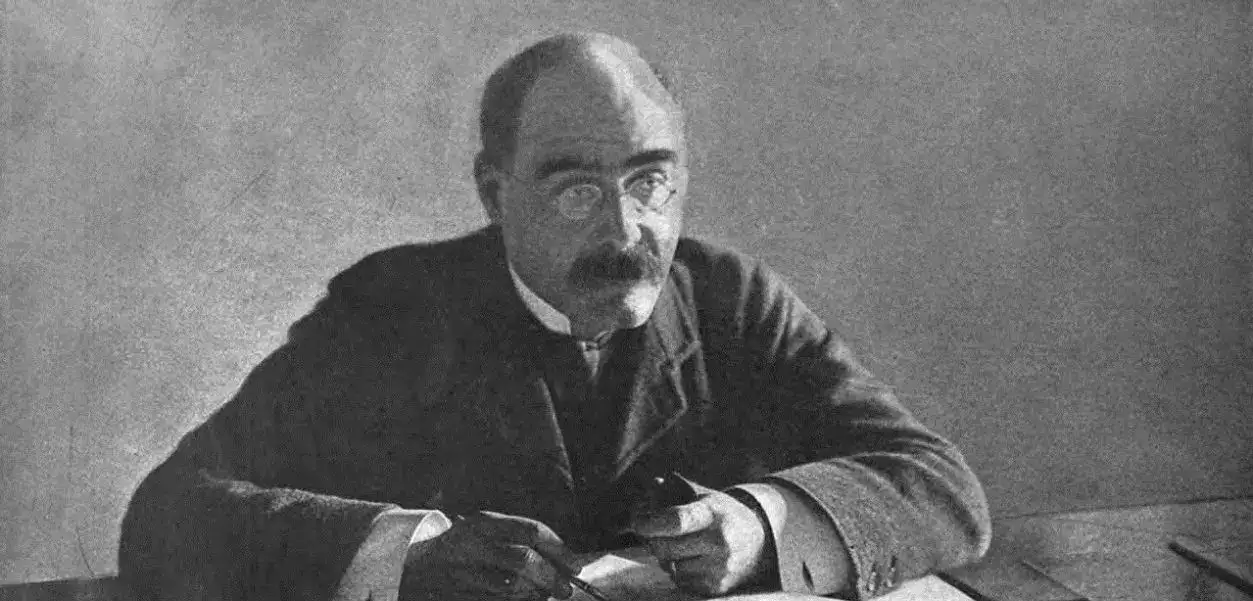
Quote of the Day by Rudyard Kipling: Human perception is shaped not only by knowledge but also by intuition, awareness, and emotional understanding. The way people interpret situations and others often goes beyond facts, relying on instinct, experience, and subtle observation. This balance between logic and intuition plays an important role in how individuals understand the world around them, especially in relationships and social interactions.
His witty and thought-provoking quote, “Every woman knows all about everything,” which is an iconic line that comes from Rudyard Kipling’s 1926 short story The Eye of Allah reflects the idea of heightened perception and emotional intelligence in understanding human behavior. In today’s world of communication, relationships, and social awareness, this quote continues to spark discussion about intuition, judgment, and insight. It reminds us that understanding is not always about certainty or formal knowledge, but about awareness, sensitivity, and the ability to perceive deeper truths in everyday life.
Quote of the Day Today: Rudyard Kipling on perception, intuition, emotional intelligence and awareness
Quote of the Day by Rudyard Kipling: “Every woman knows all about everything”
Meaning of Rudyard Kipling’s Quote About Perception and Understanding
Rudyard Kipling’s quote, “Every woman knows all about everything,” explores the role of intuition, perception, and emotional awareness in understanding people and situations. The phrase “knows all about everything” reflects a witty observation about heightened sensitivity and the ability to read emotions, intentions, and unspoken details. Kipling suggests that true understanding is not always based on formal knowledge, but often on instinct, awareness, and lived experience.
However, the deeper meaning of the quote emphasizes that perception is shaped not only by logic but also by emotional intelligence and observation. It highlights how insight often comes from noticing subtle human behavior and understanding situations beyond surface-level facts. A balanced perspective values both reason and intuition, ensuring that understanding is guided by awareness, experience, and sensitivity rather than certainty alone.
Why Understanding People Is More Than Knowing Facts
Understanding people goes beyond collecting facts or information about them because human behavior is shaped by emotions, experiences, and perspectives that cannot always be measured. While facts may tell us what a person has done or said, they do not fully explain why they act in a certain way. True understanding requires empathy, patience, and the ability to see situations from another person’s point of view. It involves observing emotions, listening carefully, and recognizing unspoken feelings. People are complex, and their thoughts and actions are influenced by circumstances that are often hidden beneath the surface. Therefore, meaningful understanding comes not just from knowledge, but from awareness, emotional intelligence, and genuine human connection that helps us see beyond the obvious.
Early Life of Rudyard Kipling
Rudyard Kipling was born on December 30, 1865, in Bombay (now Mumbai), India, during the British colonial period. His early childhood in India exposed him to diverse cultures, languages, and traditions, which later influenced his storytelling. At the age of six, he was sent to England for education, a transition that deeply affected him emotionally and shaped his sense of identity. These early experiences of cultural contrast became a recurring theme in his literary works.
Education and Literary Development
Kipling studied at the United Services College in Devon, England, where he developed his interest in writing and storytelling. He began his literary career as a journalist in India, where he gained firsthand experience of colonial life. This period helped him develop a strong narrative style characterized by vivid detail, realism, and insight into human behavior. His early exposure to both India and England gave him a unique perspective that shaped his writing voice.
Rise as a Writer and Literary Fame
Rudyard Kipling rose to international fame as one of the most popular writers of his time. His works, including The Jungle Book , Kim , and numerous poems and short stories, gained widespread recognition for their storytelling depth and imaginative power. Kipling’s writing often explored themes of duty, human nature, and cultural identity. His ability to combine adventure with philosophical insight made him a defining literary figure of the late 19th and early 20th centuries.
Legacy and Lasting Influence
Rudyard Kipling passed away on January 18, 1936, in London, but his literary influence continues to endure. He is remembered as one of the most influential English writers, known for his storytelling skill and exploration of human behavior and society. His works continue to be studied and adapted worldwide, reflecting themes of identity, culture, and perception. Today, Kipling’s writings remain significant for their insight into human nature and their lasting contribution to world literature.
Life Lessons from Rudyard Kipling’s Famous Quote
Rudyard Kipling’s quote highlights the importance of intuition, perception, and emotional awareness in understanding people and situations. It suggests that true understanding is not only based on facts or formal knowledge, but also on sensitivity, experience, and the ability to read between the lines of human behavior. The quote reflects how awareness and instinct often play a key role in interpreting the world around us. In modern life, this idea is especially relevant because emotional intelligence and observation are essential for building meaningful relationships and making thoughtful decisions. Kipling’s words continue to remind people that insight comes from both logic and intuition, and that understanding others requires depth, patience, and awareness.
Why This Quote Still Matters Today
Rudyard Kipling’s quote remains relevant today because people often rely too heavily on certainty and logic while overlooking intuition and emotional awareness. In a fast-paced world filled with constant communication and information, misunderstandings are common, and deeper perception becomes even more important. This quote reminds us that true understanding is not always visible on the surface and often requires attention to subtle details and human emotions. Modern relationships and interactions benefit greatly from emotional intelligence, where awareness and sensitivity help in interpreting situations more accurately. Kipling’s message continues to emphasize the importance of balancing logic with intuition in everyday life.
Life Wisdom
Rudyard Kipling’s quote, “Every woman knows all about everything,” reflects a broader truth about perception, intuition, and emotional intelligence. It suggests that understanding people and situations often goes beyond formal knowledge and is deeply connected to awareness and experience. Real insight comes from observing behavior, recognizing emotions, and interpreting subtle cues in human interaction. This wisdom remains relevant because it highlights the importance of emotional intelligence in both relationships and decision-making. True understanding is not only about what is known, but also about how deeply one can perceive and interpret the world around them.