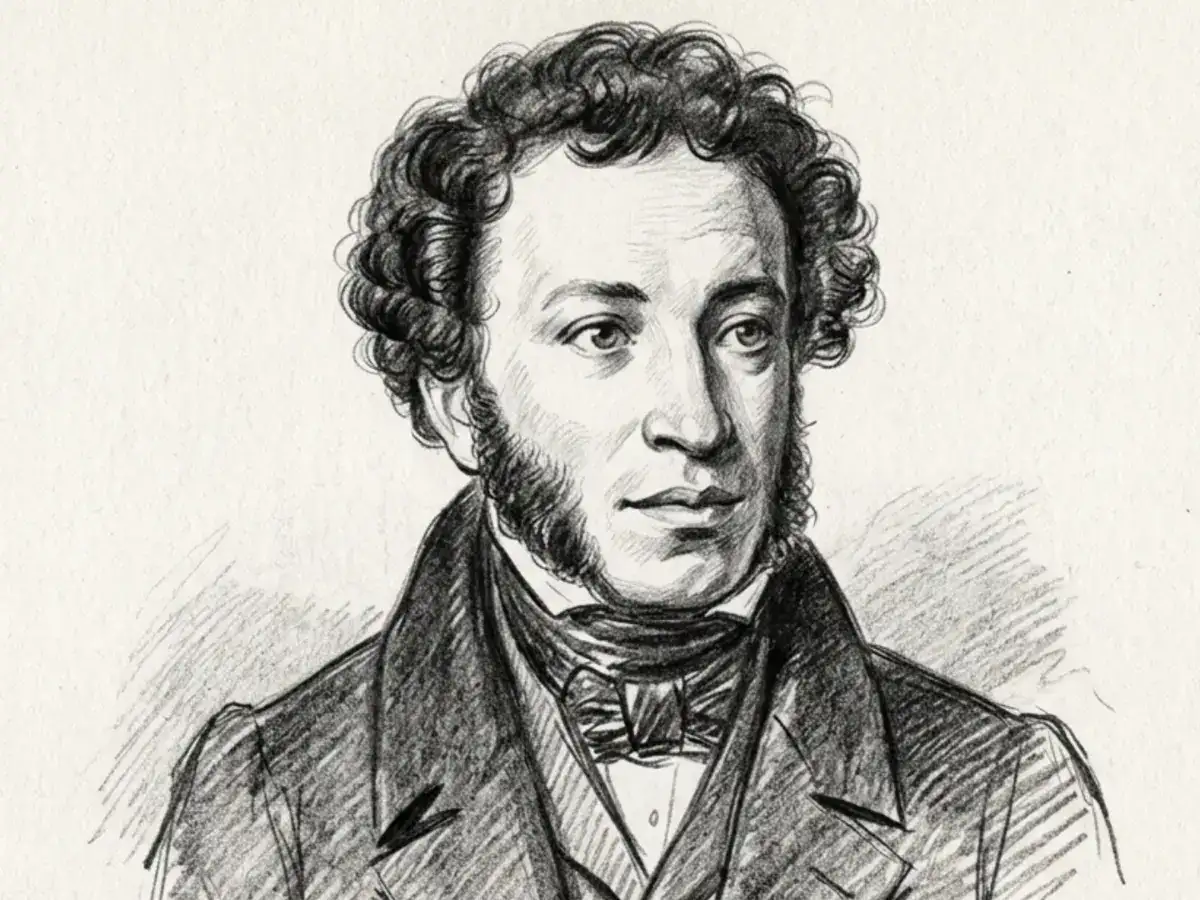
Quote of the Day: Aleksandr Pushkin was a Russian poet, novelist, dramatist, and short-story writer. Often celebrated as the father of modern Russian literature, remains one of the most influential literary figures in history. Born in Moscow in 1799, Pushkin displayed extraordinary literary talent from an early age and went on to reshape
Russian poetry and prose through his innovative use of language. His works, including Eugene Onegin, The Captain's Daughter, and Boris Godunov, laid the foundation for generations of Russian writers. Though his life was cut short at the age of 37, his literary legacy continues to inspire readers, scholars, and writers around the world.
Quote of the Day by Alexander Pushkin: “It is better to have dreamed a thousand dreams that never were than never to have dreamed at all”
Alexander Pushkin Quote: Context, meaning and interpretation
Pushkin’s quote reflects a profound appreciation for imagination, aspiration, and the human capacity to envision possibilities beyond present realities. While many of our dreams may never materialize exactly as we imagine them, the act of dreaming itself gives life direction, hope, and meaning.
The context of the quote resonates deeply with Pushkin’s own life and artistic journey. As a poet and storyteller, he constantly explored ideas that transcended ordinary experience. Literature, after all, begins with imagination, the ability to see what does not yet exist. Pushkin asserted that growth often starts with a dream. Even when ambitions remain unfulfilled, they can inspire creativity, courage, and perseverance that shape a person's character and achievements.
The quote suggests that there is immense value in aspiration, regardless of the outcome. A life without dreams can become limited by fear, routine, or resignation. Dreams encourage people to explore new possibilities, challenge established boundaries, and strive for something greater than their current circumstances. Even unsuccessful dreams can leave behind lessons, experiences, and personal growth that would never have occurred otherwise. In contrast, never daring to dream may mean missing opportunities before they even arise.
The quote also reminds us that disappointment should not discourage ambition. Not every goal will be achieved, and not every vision will become reality. Yet the willingness to imagine a better future is often what drives innovation, discovery, and personal fulfillment.
The enduring lesson from Pushkin’s words is to embrace hope and possibility without fear of failure. Dreaming expands our horizons, motivates action, and enriches our lives even when the destination remains out of reach. By daring to dream, people cultivate resilience, creativity, and optimism.