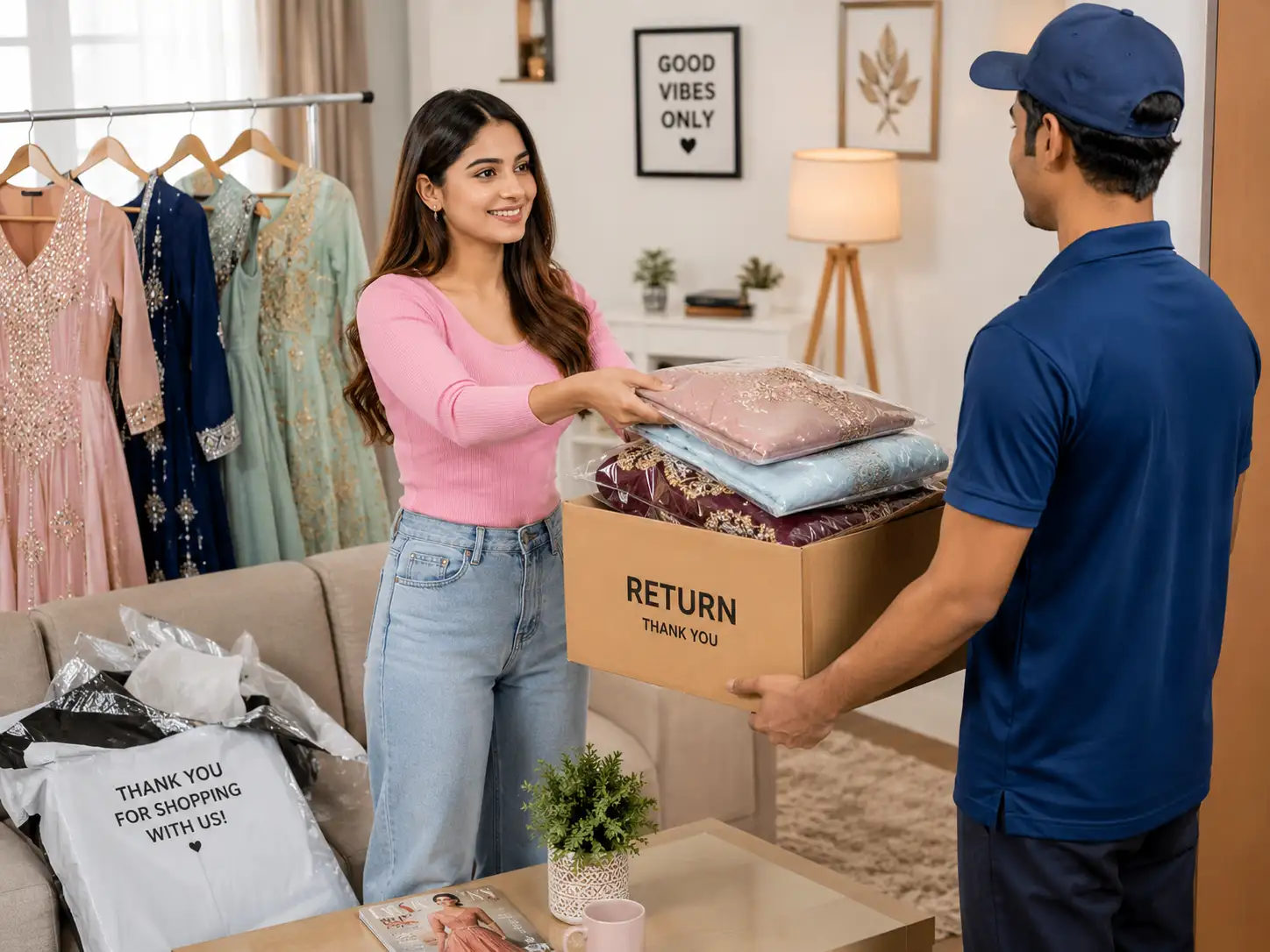
Online shopping has changed the way people buy clothes. Many shoppers now order several items at once and return those they do not keep. This pattern has become common in many countries. Some people believe frequent returns show indecision. However, psychology presents a different explanation. Researchers say this behavior is often connected to the brain's reward system, online shopping challenges, social media habits, and practical buying strategies. These findings help explain why many women return clothing after online purchases and why this habit is becoming more common across digital shopping platforms.
Psychology says women who return clothes often after ordering online aren't simply indecisive
Many people assume that returning clothes means the shopper could not make up their mind. Psychology suggests that this is not always true. Researchers believe repeated online returns often happen because several psychological and practical factors work together. These include the excitement of shopping, uncertainty about clothing quality, changing fashion needs, and online buying habits. Instead of looking at returns as failed purchases, experts often see them as part of the complete online shopping process.
What does this mean?
Psychology explains that returning clothes after online shopping does not always reflect poor decision-making. Many shoppers buy items with the intention of evaluating them at home. Since online stores do not offer fitting rooms, customers recreate that experience in their own homes.
Women may order different sizes, colors, or styles of the same product. After comparing them, they keep the one that fits best and return the others. This process helps reduce uncertainty created by online shopping. Experts say this behavior is often planned before the purchase is made rather than decided afterward.
The dopamine loop behind online shopping
One of the strongest explanations comes from the brain's reward system. Psychologists say the anticipation of receiving a package creates a dopamine response. Dopamine is linked to motivation and reward. The excitement begins when shoppers place an order. It continues while waiting for delivery and reaches another stage during unboxing.
For some shoppers, the excitement comes more from the shopping experience than from owning the product. Once the excitement decreases, returning the item does not always feel like losing something. Instead, some people feel they have recovered their money while still enjoying the experience of shopping. Researchers compare this to completing another successful step in the buying process.
How social media influences clothing returns?
Social media has also changed shopping habits. Many people buy clothes for one event, gathering, or photograph. Some shoppers wear an outfit once, take pictures, and then return the clothing under store return policies. This practice is often called "snap and send back."
Studies describing opportunistic return behavior explain that some consumers use return policies to maintain access to different outfits without permanently owning them. This allows a constant rotation of clothing while spending less money over time. Retailers continue to monitor this pattern because it increases return volumes and affects business operations.
The challenge of sizing and fabric in online shopping
Another major reason for returns is the lack of physical interaction with products. Unlike shopping in stores, online buyers cannot touch fabrics or try clothes before purchasing. Women's clothing sizes also differ between brands.
A medium size from one company may fit differently than the same size from another. This creates uncertainty before buying. When the clothing arrives, shoppers sometimes discover that the material feels different from expectations or the fit is not correct. Psychologists say this mismatch between expectations and reality often leads to buyer's remorse. Returning the item becomes the practical solution rather than a sign of indecision.
Shopping as a process of selection
Behavioral researchers describe shopping as an act of curation instead of simple consumption. Many consumers intentionally buy several options. They compare colors, sizes, and styles inside their own homes where they have more time and comfort.
This approach replaces the experience of trying clothes inside physical fitting rooms. Instead of making one choice before ordering, shoppers make their final decision after delivery. For many online buyers, this method reduces uncertainty and increases satisfaction with the final purchase.
Why is it done?
There are several reasons why frequent online clothing returns happen.
- The brain's reward system creates excitement during shopping.
- Social media encourages some people to wear outfits for one occasion.
- Different clothing sizes across brands create fitting problems.
- Online shopping removes the ability to touch fabrics before buying.
- Many consumers also use home comparisons as their own fitting room.
These factors together explain why returning clothing has become part of modern online shopping.
What to learn from it?
The psychology behind online returns shows that shopping behavior is influenced by more than simple choice. Consumers respond to technology, marketing, social expectations, and the limitations of digital shopping. Understanding these factors helps shoppers make informed buying decisions. Reading size charts, checking customer reviews, comparing measurements, and understanding return policies may reduce unnecessary returns.
Retailers can also improve product descriptions, provide accurate sizing guides, and include detailed fabric information to help customers choose correctly before placing an order. As online shopping continues to grow, understanding consumer psychology will remain important for both shoppers and businesses.
FAQs
Q1. Why do women return clothes after ordering online?
Many women return clothes because of sizing differences, fabric expectations, shopping psychology, social media influence, or by intentionally ordering multiple options before choosing the one that fits best.
Q2. Does returning clothes often mean someone is indecisive?
No. Psychology suggests frequent returns often result from planned shopping strategies, dopamine-driven buying behavior, inconsistent clothing sizes, and the inability to inspect products before purchasing online.