American teenagers are losing valuable sleep time because they are spending too much late-night time on their phones, new research shows, with consequences for their health and academic performance.
Growing teens need at least 8-10 hours each night to help stave off the risk of problems with attention, poor mental health and chronic disease like obesity and diabetes, according to federal guidance.
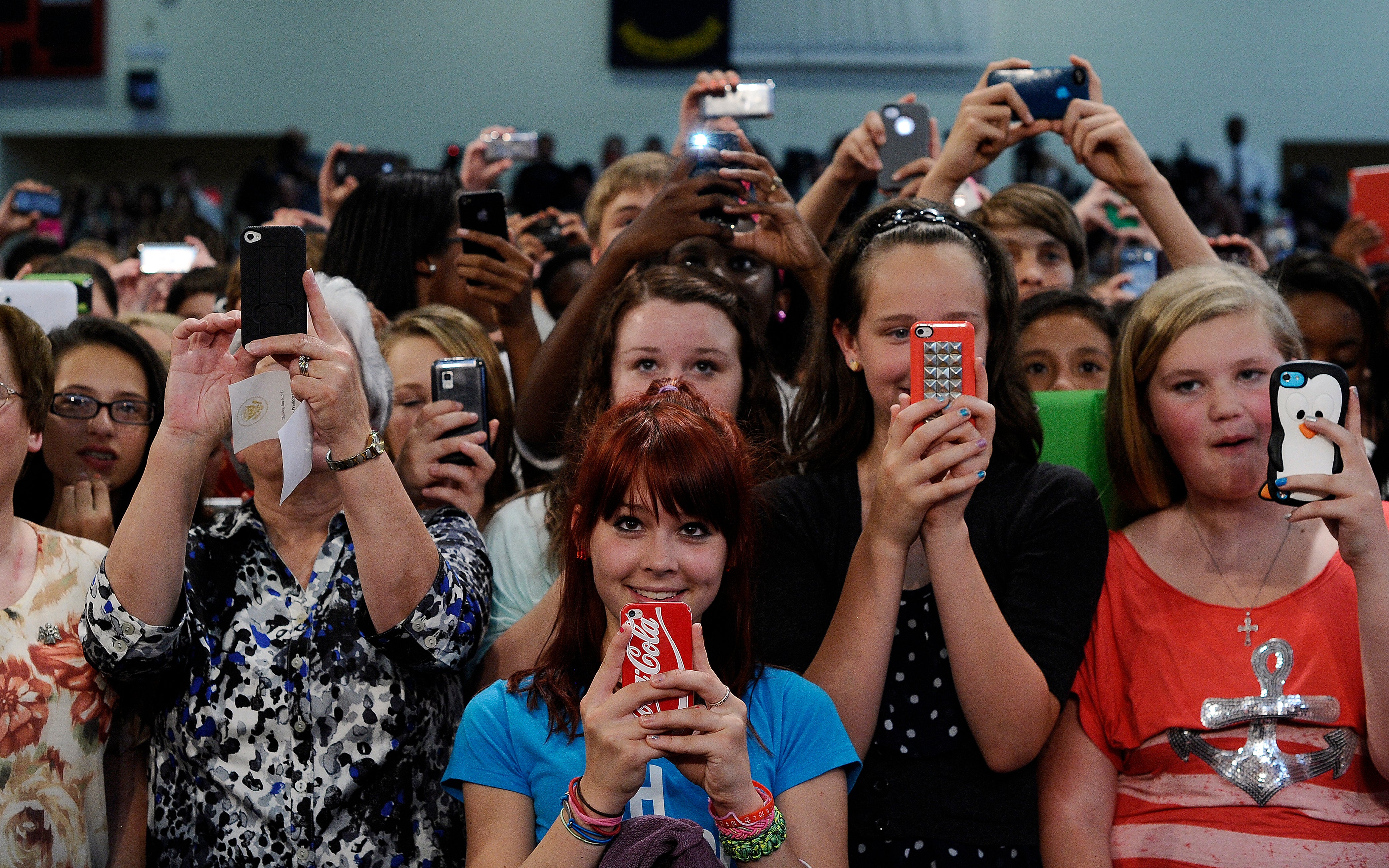
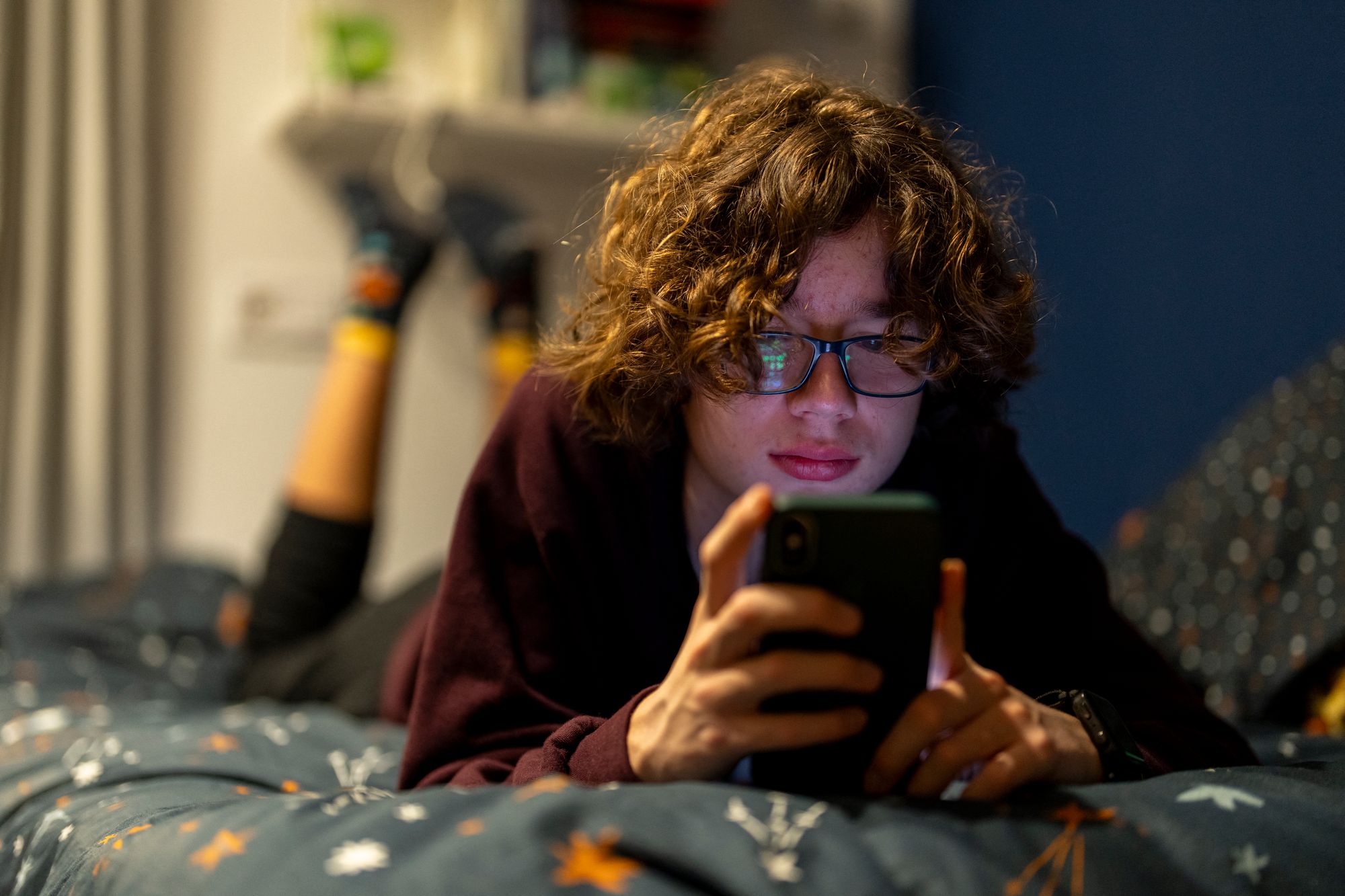
But the majority of 657 adolescents across the country still average about 50 minutes of smartphone use between the hours of 10 p.m. and 6 a.m. on school nights, using social media apps, streaming and playing games. Almost half of them used their phones between midnight and 4 a.m.
Jason Nagata, an associate professor of pediatrics at the University of California at San Francisco, says the findings about teens’ phone use need to be addressed.
“That’s a really critical window when kids should be asleep, especially on school nights,” he told The Washington Post on Tuesday.
The teenagers’ smartphone use was tracked using an app on their phone that examined screen patterns - a break from past studies that have relied on the users to report their own use. Self-reporting is usually not as accurate because users can bend the truth.
The data was recorded as part of the national Adolescent Brain Cognitive Development Study, which is the largest long-term study of brain development and child health in the U.S.
It builds on previous research from Nagata and others showing that social media use can harm kids’ performance at school - no matter how long they spend on their devices.
Just an hour spent on a smartphone app every day can knock down test scores by one or two points for kids between nine and 13 years old.
“There’s a lot of stimulation,” Nagata said of social media use, “and that can make it harder for teens in particular to wind down, even after you’ve turned the phone off.”
The solution may seem simple: get teenagers off their devices, especially at night. That’s easier said than done, with roughly 95 percent of U.S. teens having a smartphone, according to a Pew Research Center report from last summer.
That’s why the American Academy of Pediatrics recommends that families create a media plan for their households, which can include screen-free areas inside homes or what times to avoid them.
One way to safeguard your teen’s sleep is to power off the device, Nagata says, even if you’re leaving the phone in the room. That’s because light or vibrations from notifications can be disruptive to sleep.
Still, the best method is getting the screens out of the bedroom entirely.
“Our studies have shown that simple act alone is associated with the best quality and longest duration of sleep,” he said.
Gen Z is bringing back a classic 90s playground trend
I tried not speaking for 24 hours. Here’s what I felt and what experts say
Perfect Meghan and Sienna are exactly why the messy mums of Amandaland are so popular
What renaming PCOS to PMOS could mean for the future of women’s health
What you need to know if you’re considering cloning your pet