A Massachusetts family claims to have lost $12,000 on a Vrbo vacation rental home after cancelling a trip to Hawaii due to a “state of emergency.”
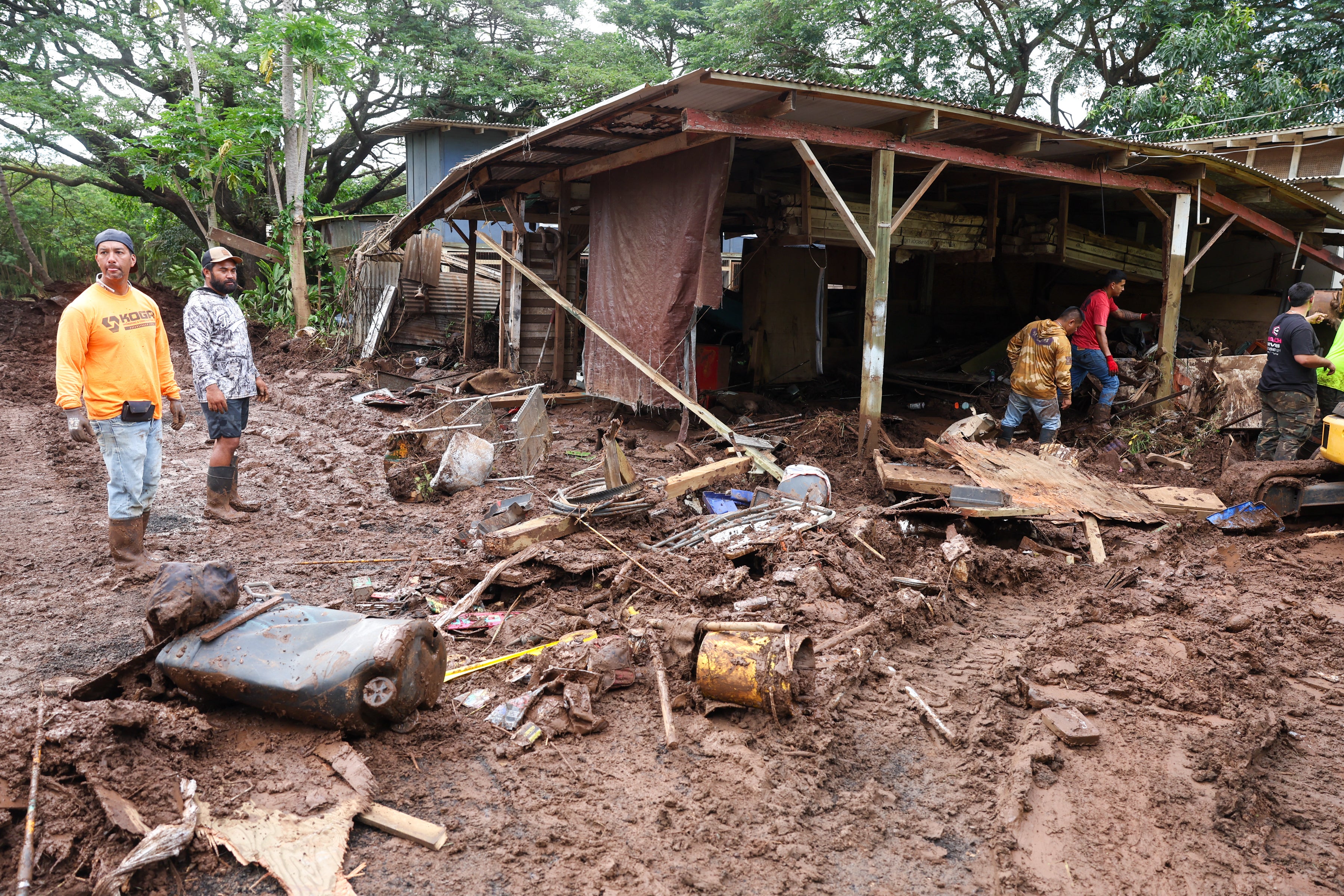
Steve Cavagnaro, from the Boston area, had planned the vacation with his family in early March. But on March 9, Hawaii Governor Josh Green declared a state of emergency due to a weather event expected to bring “heavy rain, thunderstorms, flooding, road closures, and damaging wind statewide...”
Cavagnaro told CBS News that he and his family made the decision to cancel their trip for their safety, according to a report published Friday.
The family received airline credit for their Hawaii flights after explaining why they cancelled. But the family claimed they were met with a very different response from short-term vacation rental company Vrbo who said the state of emergency was not covered by its "extenuating circumstances policy.” This meant the refund was left at the discretion of the property host who declined to refund Cavagnaro, Vrbo told CBS News.
"Just realizing in a natural disaster type scenario, we would be protected from that. I had referenced what they call their 'extenuating circumstances policy.' They said they didn't activate the policy, which doesn't seem to make a lot of sense to me with a state of emergency," Cavagnaro said.
Vrbo's extenuating circumstances policy forces property hosts to refund guests' bookings in the event of an unpredictable and disruptive event, like a natural disaster or unseasonably powerful weather system.
"[Vrbo hosts] must refund the guest in full if they have not yet checked in to their reservation. For reservations already underway, you must offer a partial refund for the portion of the stay that cannot be completed due to the covered event," the policy states. "Vrbo will refund the full Traveler Service Fee for impacted travelers."
The policy includes language that addresses events like natural disasters, global health or political emergencies, and weather events that could force an abrupt booking cancellation.
"For example, earthquakes, tsunamis, volcanic eruptions, landslides, tornadoes, flooding, wildfires, and other historically severe weather events... Foreseeable weather disasters (such as cyclones and extreme winter storms) may be covered if they cause or coincide with another covered event..." the policy says.

But it also carves out some exceptions like vacationing in Hawaii during its hurricane season, which lasts from late spring through mid-fall.
"Seasonal weather events that do not cause or coincide with another covered event: For example, hurricanes during Atlantic Coast hurricane season; tropical cyclones; winter storms in the Northern Hemisphere; where a covered event has occurred prior to a booking being made, but has subsequently increased in impact (for example, flooding that worsens)," the policy states.
A chart on the policy page shows all the various exceptions to its extenuating circumstances policy. Among the exceptions are bookings made to Hawaii - between May and November - that are cancelled due to hurricanes.
The Independent has contacted Vrbo for comment.
In a statement to CBS News, Vrbo said that when its extenuating circumstances policy isn't activated, the decision on whether or not to refund a booking falls to the property's host.
"Since the Extenuating Circumstances Policy was not activated, the decision whether or not to allow additional flexibility is up to the host," the company stated. "Unfortunately, the host declined to offer a credit to Mr. Cavagnaro."
Cavagnaro told CBS News that he is out $12,000 as a result. Vrbo told the network that it will refund the family's $800 booking fee.
Lawyer and Consumer World founder Edgar Dworsky also told the broadcaster that Vrbo could generate a lot of "goodwill" with its customers if it were more flexible with the refund policy.
"There's such a thing as goodwill. They would generate so much goodwill if circumstances like this occurred and they did the right thing, protecting the consumer, giving them the money back, giving them a credit toward a future trip," he said.