Israel and Lebanon have agreed to renew a ceasefire and establish pilot security zones inside Lebanon from which Hezbollah militants would be barred, even as the Iran-backed group vowed to continue fighting Israeli occupation of southern Lebanon and Iran warned it would retaliate if Israel attacks Beirut.
Get breaking news anytime, anywhere. Download the TOI app now!
The agreement was announced in a joint statement after a fourth round of US-mediated talks at the State Department. The two sides said the ceasefire was contingent on a complete halt to Hezbollah fire and the withdrawal of all Hezbollah operatives from areas south of the Litani River. Details on how the security zones would be implemented were not immediately clear. Under the agreement, the Lebanese army would assume full control of those areas.
Israel hails 'great achievement'
Israeli defence minister Israel Katz hailed the US-brokered agreement as a "great achievement in Lebanon, on the ground and also on the diplomatic level."
"We promised security to the residents of the north and we delivered," Katz was quoted by Israeli media as saying. "Members of the opposition should apologize and acknowledge this."
Katz added that the declaration includes an "unequivocal statement" on the disarmament of Hezbollah and its removal from the area south of the Litani River. It also allows for "the continued presence of the Israeli military in the security area."
Israeli forces retain the "freedom of action, with US backing, to strike in Beirut in response to fire on Israeli communities and territory," Katz said in a separate statement.
Iran warns of retaliation
Iranian foreign minister Seyed Abbas Araghchi warned that Tehran would retaliate if Israel launches an attack on Beirut, saying Iran has made clear to all sides that it will not accept an assault on the Lebanese capital and that such an action could reignite the conflict.
Speaking in an interview aired by Lebanese broadcaster Al Mayadeen on Wednesday, Araghchi said Iran's armed forces remain on high alert and are prepared to strike Israel should Beirut come under attack.
He also accused Israel of breaching ceasefire arrangements in both Iran and Lebanon in recent days. Araghchi said Tehran views the security and future of Lebanon and Iran as closely linked, arguing that any ceasefire or political settlement must address the situation in both countries.
Hezbollah drone targets IDF Northern Command chief
A Hezbollah drone struck the vehicle of Israel's Northern Command chief in southern Lebanon shortly after he stepped out of it, Israel's public broadcaster Kan reported, citing Israeli military permission for publication.
Major General Rafi Milo was on a field visit to a village in southern Lebanon with officers and fighters when an explosive FPV drone directly hit his vehicle. Milo and an aide had exited the vehicle shortly before impact. There were no casualties.
The incident comes amid what Israeli analysts say is a deliberate Hezbollah strategy of targeting senior IDF officers. Data published by the Amit Institute for Research and Intelligence indicated the group has been monitoring the movements of senior Israeli officers with the aim of striking command, control and defence systems using drones and other UAVs.
Fighting continues despite truce
The Israeli military has issued an urgent warning to residents of southern Lebanon, telling them to refrain from traveling south of the Zahrani River until further notice. Anyone who travels south of the river puts their life at risk, the military said.
The Israeli military also claimed its forces have achieved operational control of the Beaufort Ridge area in southern Lebanon, killing what it said were two armed individuals in a combined air and ground attack.
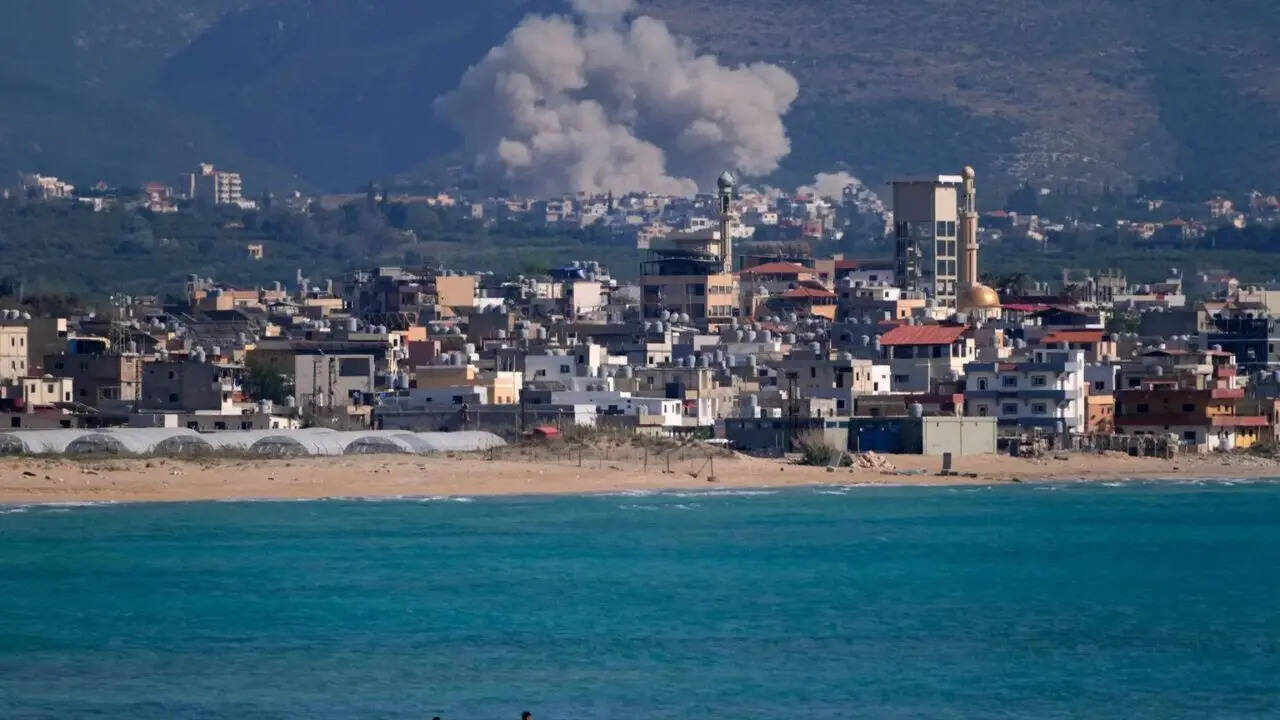
Despite the ceasefire announcement, several people were injured after an Israeli drone strike targeted a vehicle on the Zefta-Kfarwa road in southern Lebanon, according to Lebanon's National News Agency. An attack south of the city of Tyre targeted a family driving on Zefta Road, injuring a man, his wife and daughter. In the Nabatieh district, a large attack on a roundabout wounded civilians.
Hezbollah announced it launched several volleys of rockets towards Israeli troops in the early hours. The group has criticised the negotiations and has yet to indicate whether it will accept the proposed arrangements.
Israeli opposition criticises truce
Former Israeli Defence Minister and Yisrael Beiteinu party leader Avigdor Lieberman criticised the ceasefire, saying it gives Hezbollah time to regroup and rebuild its forces. Writing on X, Lieberman said the agreement amounted to "a return to the concept that led us to October 7."
"The battle must be decisively concluded, and Hezbollah must be eliminated," he added.
The joint statement stressed that the future of relations between Israel and Lebanon must be determined by their sovereign governments, rejecting attempts by any state or non-state actor to influence Lebanon's future — an apparent reference to Iran, which backs Hezbollah and has argued that Israeli strikes on Lebanon must end as part of a broader understanding with the US.