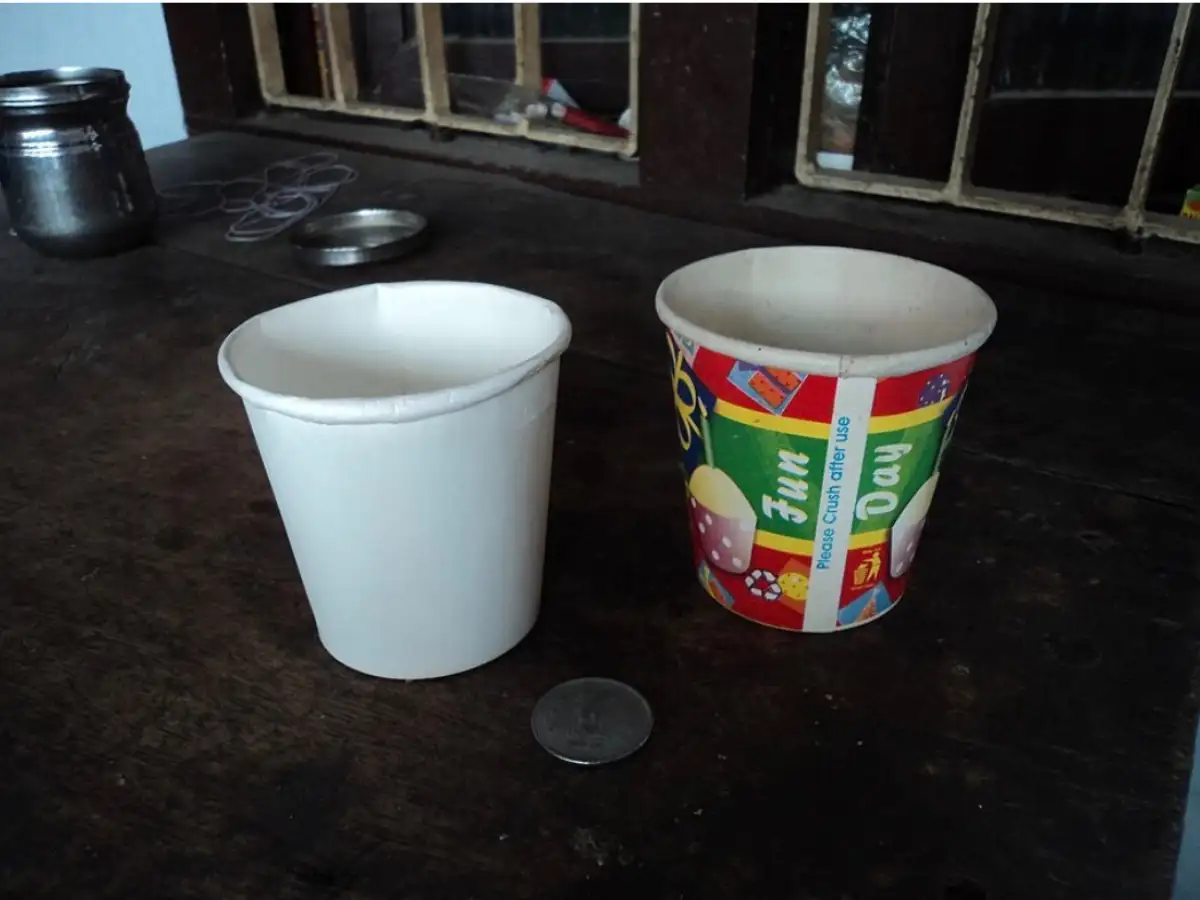
At the beginning of the twentieth century, one of the most common objects in public life was also one of the most overlooked. Shared drinking cups sat beside water fountains in schools, railway stations, offices, and public buildings, passing from person to person throughout the day with little concern, a practice that began to change as growing awareness of infectious disease prompted public health officials to look more closely at everyday habits.
In 1907, Boston-area lawyer Lawrence Luellen developed a disposable paper drinking cup and accompanying dispenser, creating a simple alternative to the common cup. The success of a new product followed, and a broader shift in how Americans thought about hygiene, public spaces, and personal safety was seen. According to historical research from Lafayette College and the University of Chicago, as well as recent public health scholarship, the disposable paper cup became one of the most visible symbols of the era’s growing emphasis on disease prevention.