
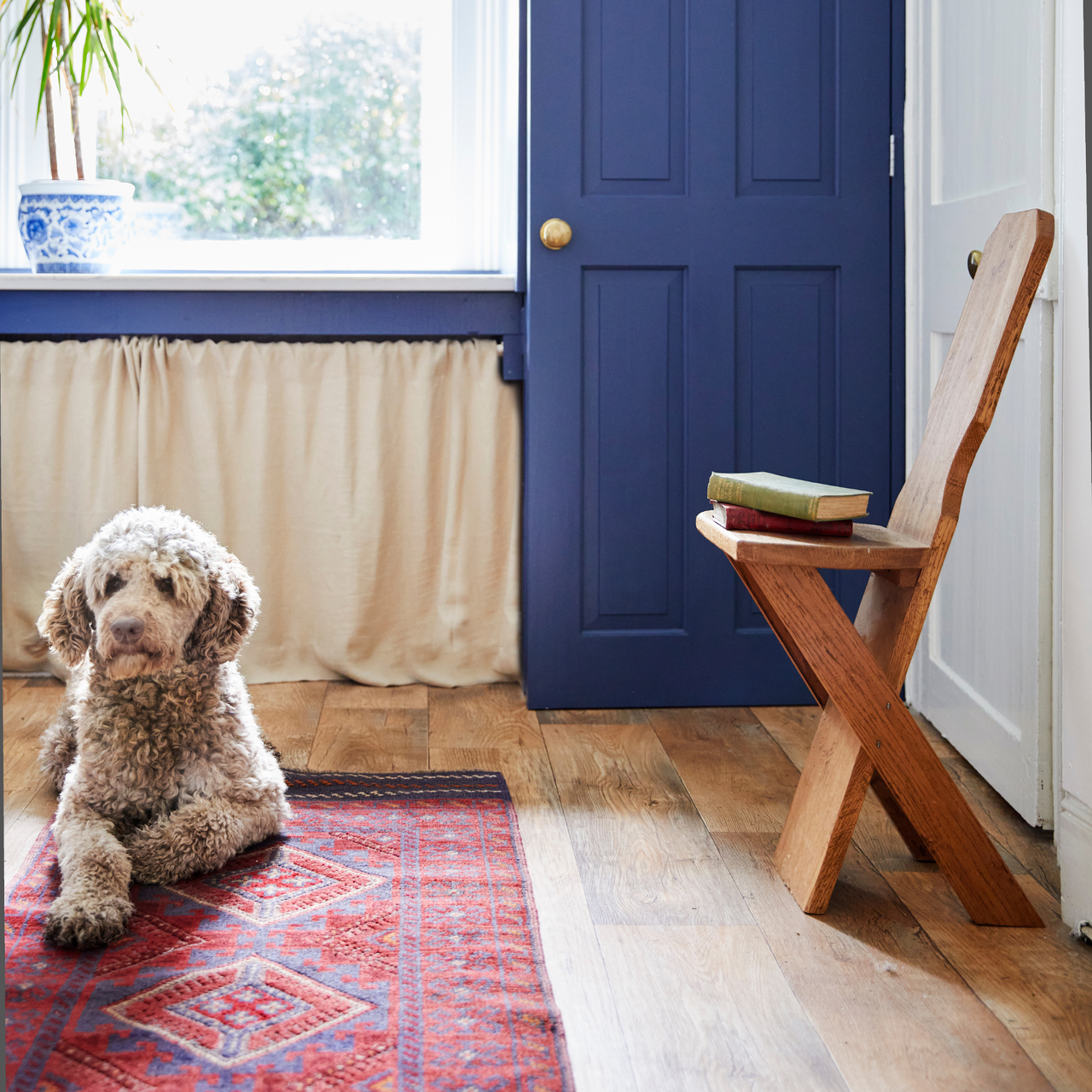
As the proud pawrent of a four-year-old cocker spaniel (a very fluffy cocker spaniel, I might add), I know more than most just how irritating pet hair can be. I regularly find it on my clothes, every home surface, and even my food! And while I regularly vacuum my house, I’ve realised that there’s a big difference between regular vacuuming and vacuuming pet hair.
Of course, the best vacuum cleaners for pet hair are a must for anyone who has a dog, cat, rabbit, or other furry friend in their family. But knowing how to keep a house clean with pets goes way beyond a quick whip-around with a vacuum. That’s because pets bring so much more than fluff to the table, and these pet hairs carry dust, dander, fleas, and other nasties that need to be sucked up and removed from your house.
As Paul Bagwell, founder of Halo Vacuums explains, ‘All pet owners know that keeping your home fur-free can seem like a daily battle, and excess pet hair in the home can also lead to odours, allergies, and poorer air quality.’ So, this is how to vacuum pet hair… properly.
1. Choose the right vacuum for the job
As Ideal Home’s Certified Expert in Vacuums, I test the best vacuum cleaners on the daily. Because of this, I can safely say that only a few machines are equipped to deal with the amount of hair shedding animals can leave in their wake. And we assess this ability when we test pet vacuums.
This one-size-doesn’t-fit-all moto is echoed by Lucy Rhead at Gtech, who says, ‘Pet hair can be stubborn, so make sure you have a high-performance vacuum cleaner that caters specifically to pet hair and fur.’ Generally, it’s easy enough to find a vacuum that will be able to handle pet hair, as most of them are marketed as pet-specific models.
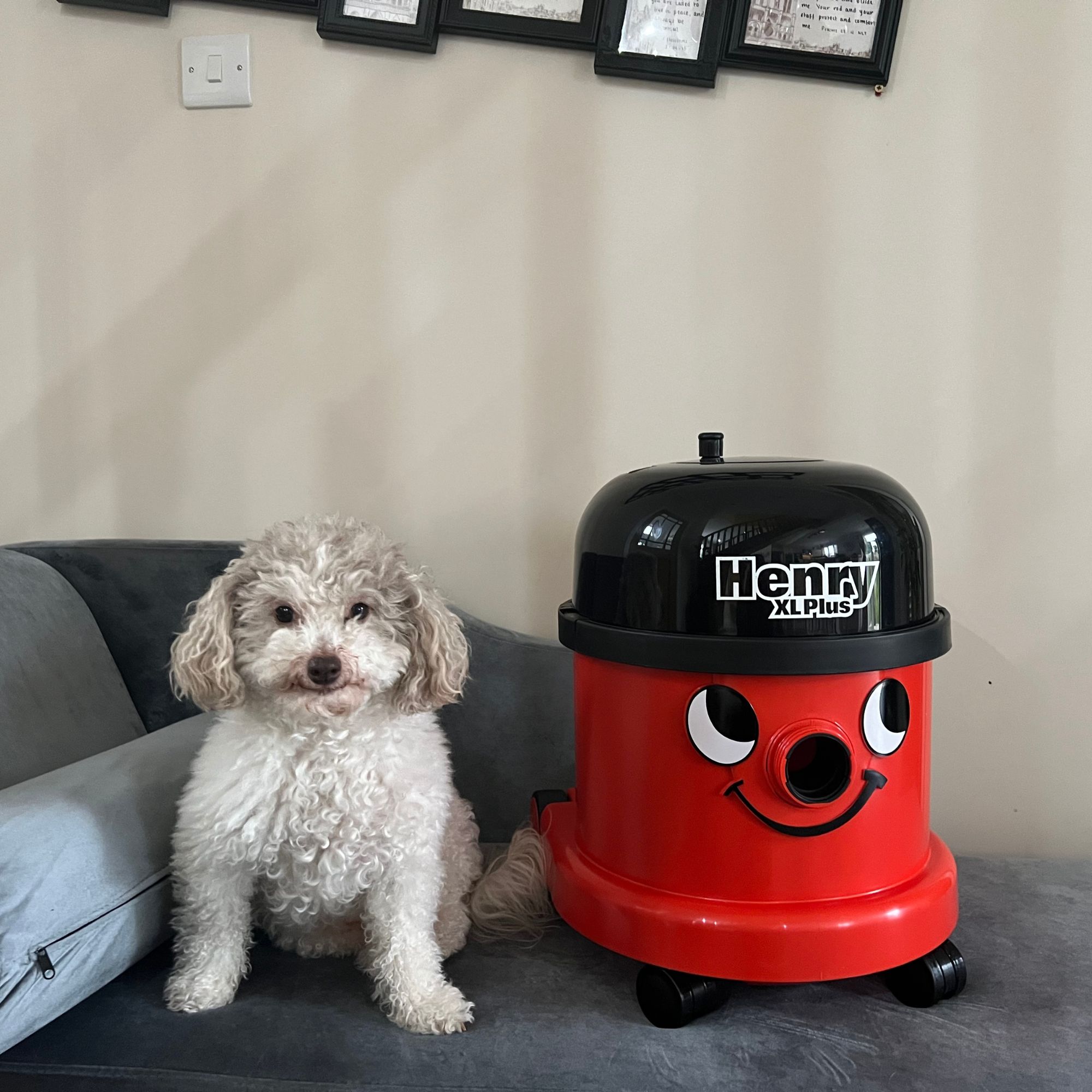
These normally have impressive suction power (often with multiple power modes) and tools and attachments that allow you to remove pet hair from carpets and upholstery. If you want to ensure you’re also getting rid of pet dander and keeping your home as clean as possible, you should also opt for a pet vacuum with a true HEPA (High Efficiency Particulate Air) filter, which captures up to 99.97% of airborne particles.
Paul says, ‘This filter captures dust and hair particles, ensuring they aren't airborne during cleaning, and completely traps and removes them rather than re-circulating them around the home.’ Of course, you may have to pay a premium for this powerful, practical pet model, but it’s well worth it.
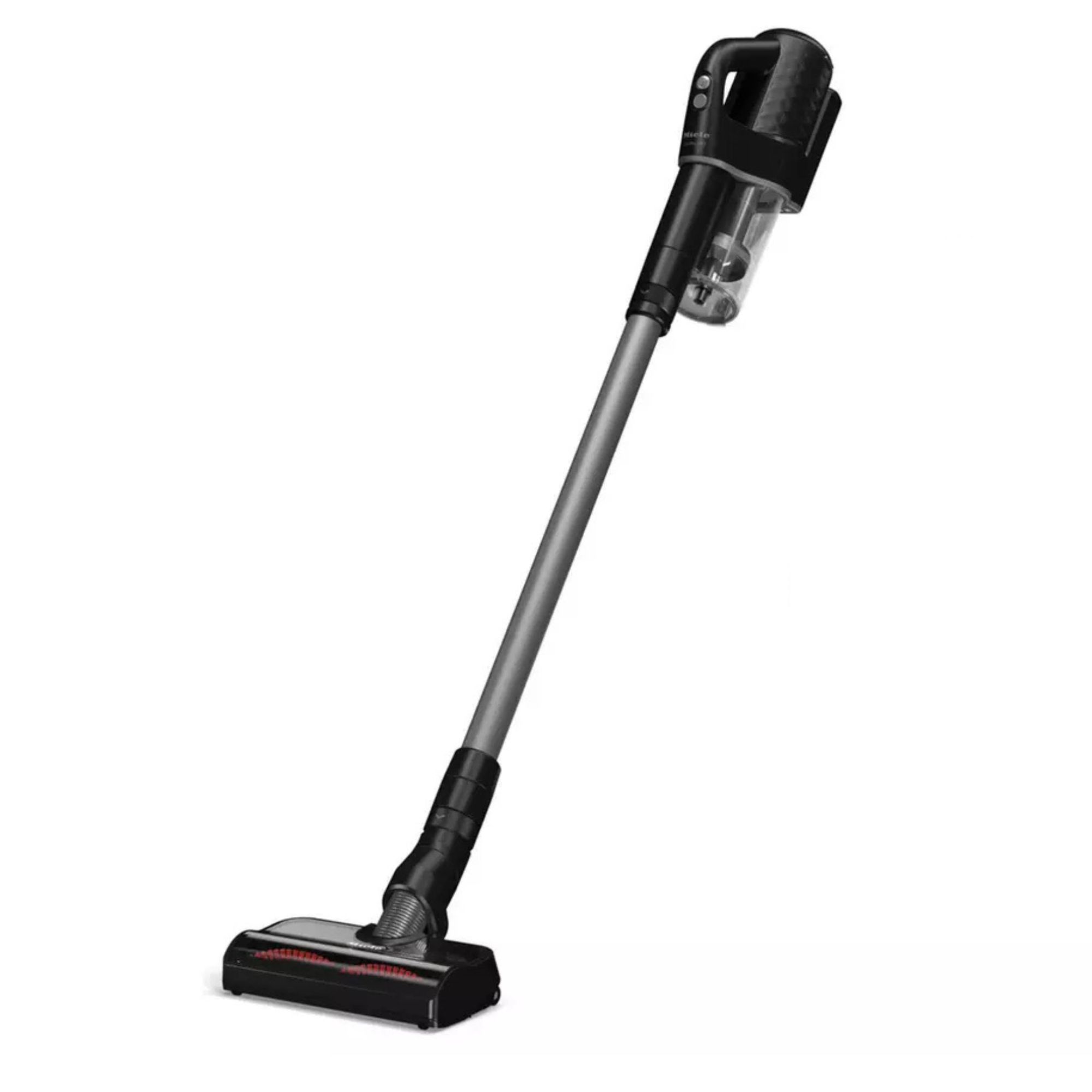
Miele Duoflex HX1 Cat & Dog
This cordless stick vacuum is a pet design, making it incredibly lightweight and manoeuvrable. It still packs a power punch and comes with a variety of tools, though.
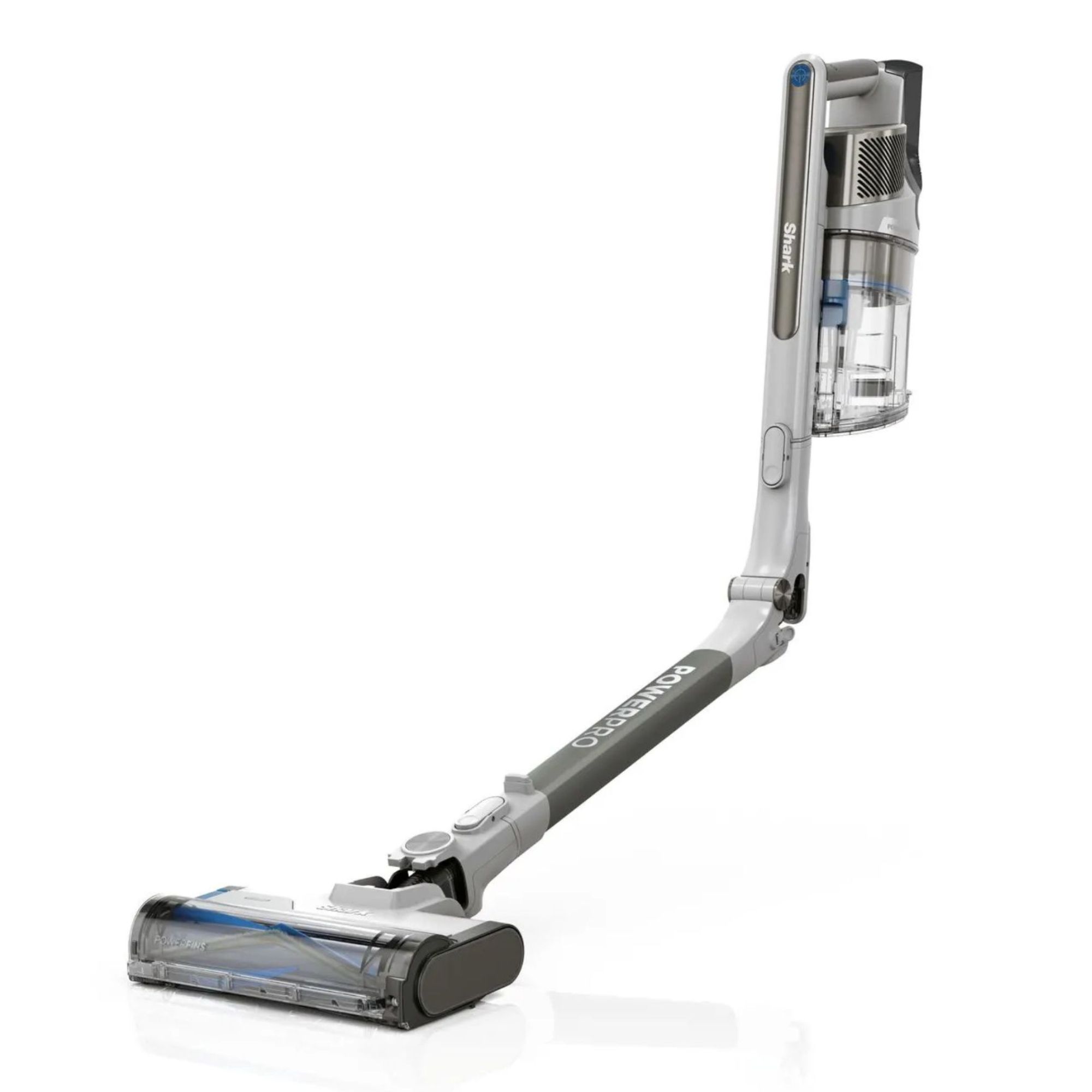
Shark PowerPro Pet Cordless Stick Vacuum
If you're looking for a budget pet vacuum, this one will tick many of your boxes. It's basic but brilliant, and great for a mixture of flooring types.
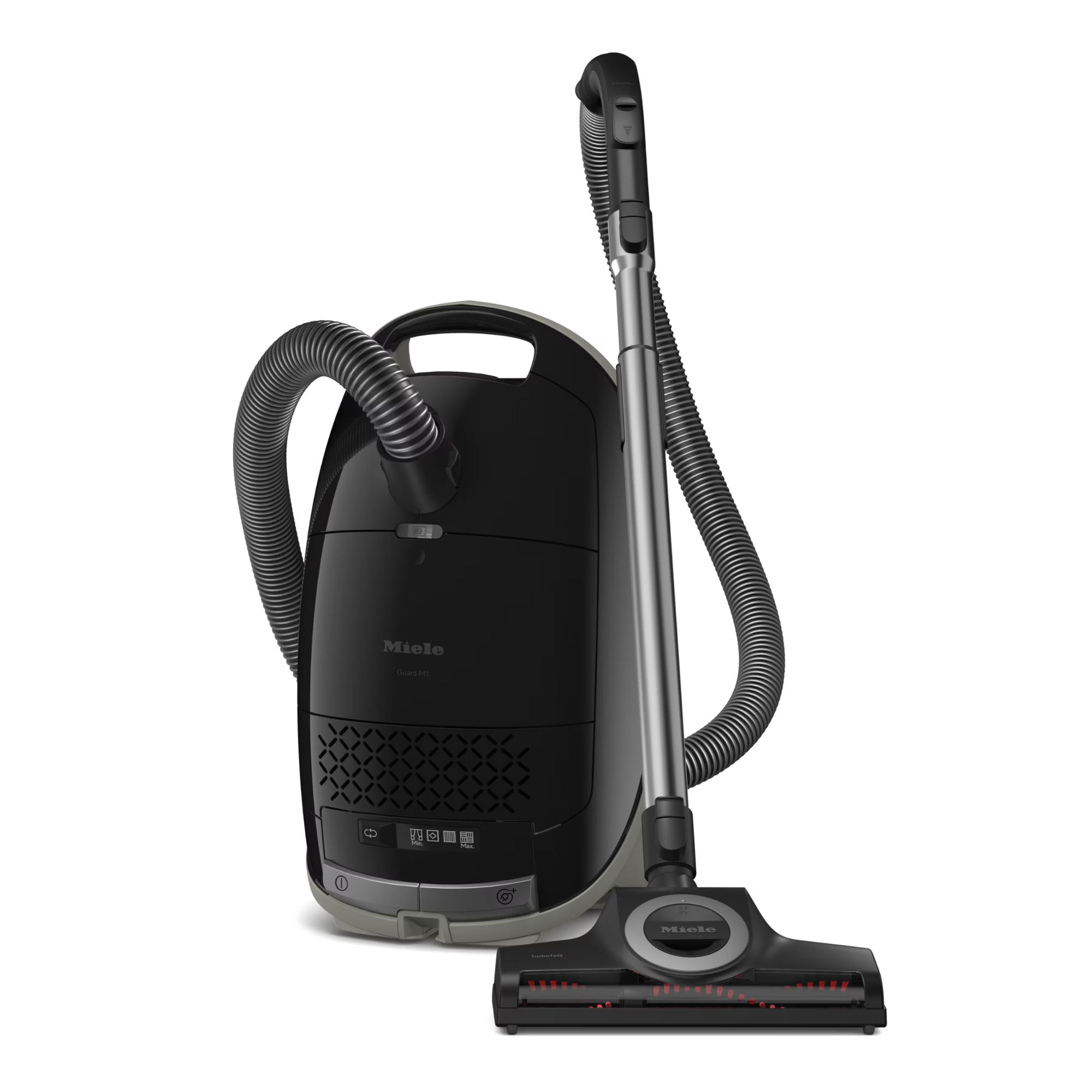
Miele Guard M1 Cat & Dog Flex
I think every pet owner should own a corded vacuum, as the power is unmatched. This one also has hidden tools within the main unit and is bagged to keep dander away from the home.
2. Nail the proper technique
Generally, most people know how to vacuum. But vacuuming pet hair requires a certain technique - on both hard flooring and carpets. In fact, Catrin Davies, SDA Product Manager at Hoover says that it’s easy to go wrong.
‘On hard flooring, using the correct floorhead is important to avoid simply pushing hair around the surface. Vacuuming little and often helps prevent build-up along skirting boards and corners where pet hair tends to collect most noticeably,’ Catrin explains. Because of this, using a vacuum that auto-detects the floor type or has interchangeable heads is key.
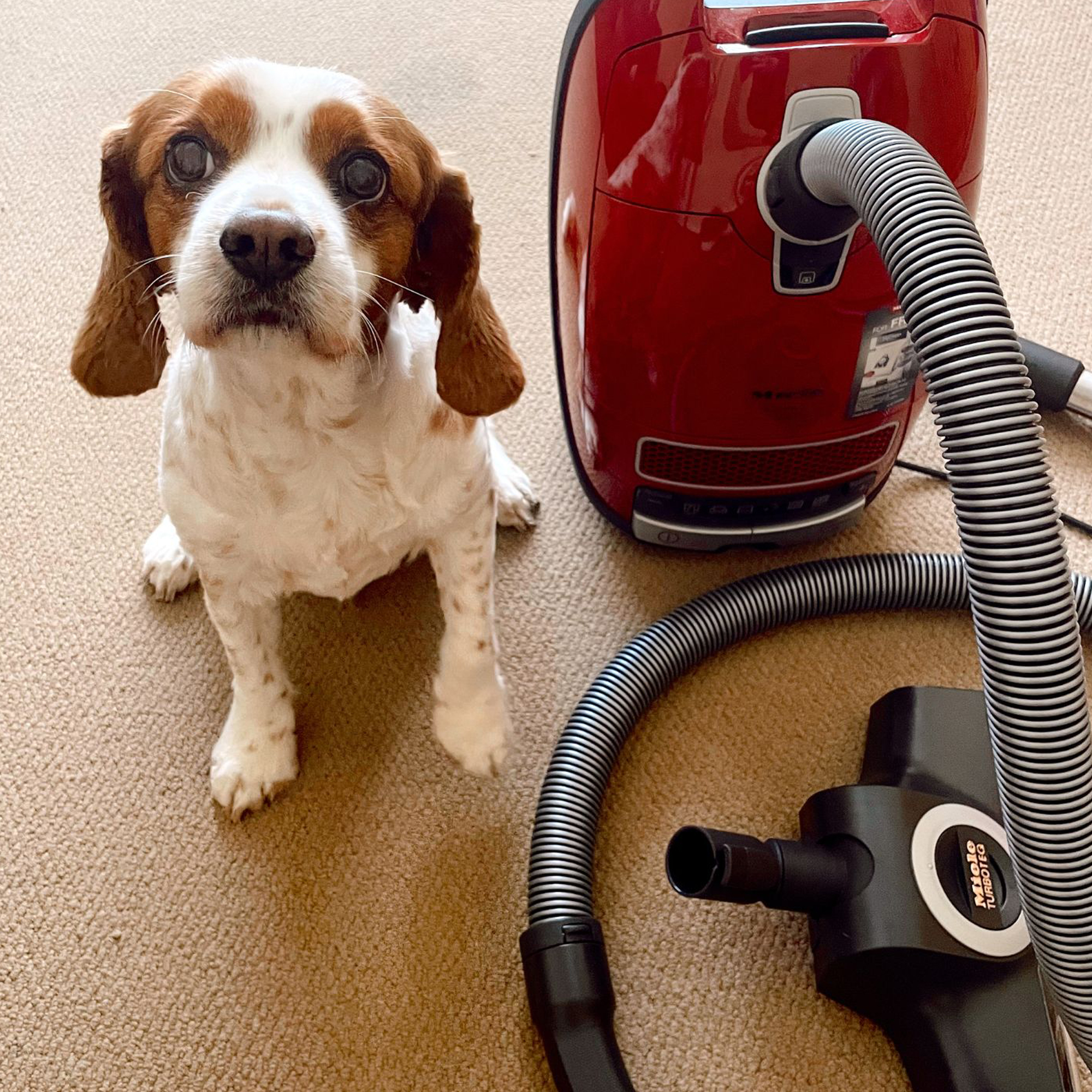
You’ll need to adjust your vacuuming technique to vacuum your carpet and rugs, too - especially if they have a longer pile where pet hairs can get stuck. Catrin advises, ‘For carpets and rugs, it’s best to vacuum in multiple directions to help loosen stubborn hair fibres, especially in high-traffic areas where hair becomes compacted into the pile.’
It’s also important to vacuum regularly, ideally two to three times a week, to keep on top of the pet hair. And if you have the time, slow vacuuming can improve the hair removal process, while also sucking up embedded dirt, dust and pet dander within the pet fibres.
3. Keep attachments close by
Although a pet-specific vacuum cleaner may be enough to vacuum your floors, one thing I’ve learned as a pet owner is that vacuum attachments and tools are a must - especially when trying to clean a sofa or other soft furnishings.
That’s because vacuum floorheads aren’t able to get into the many nooks and crannies of these other items and areas, which means you need to make the most of crevice tools, upholstery tools, motorised pet tools and more. In fact, the latter is one that I use every time I want to vacuum pet hair - even if it isn’t visible.
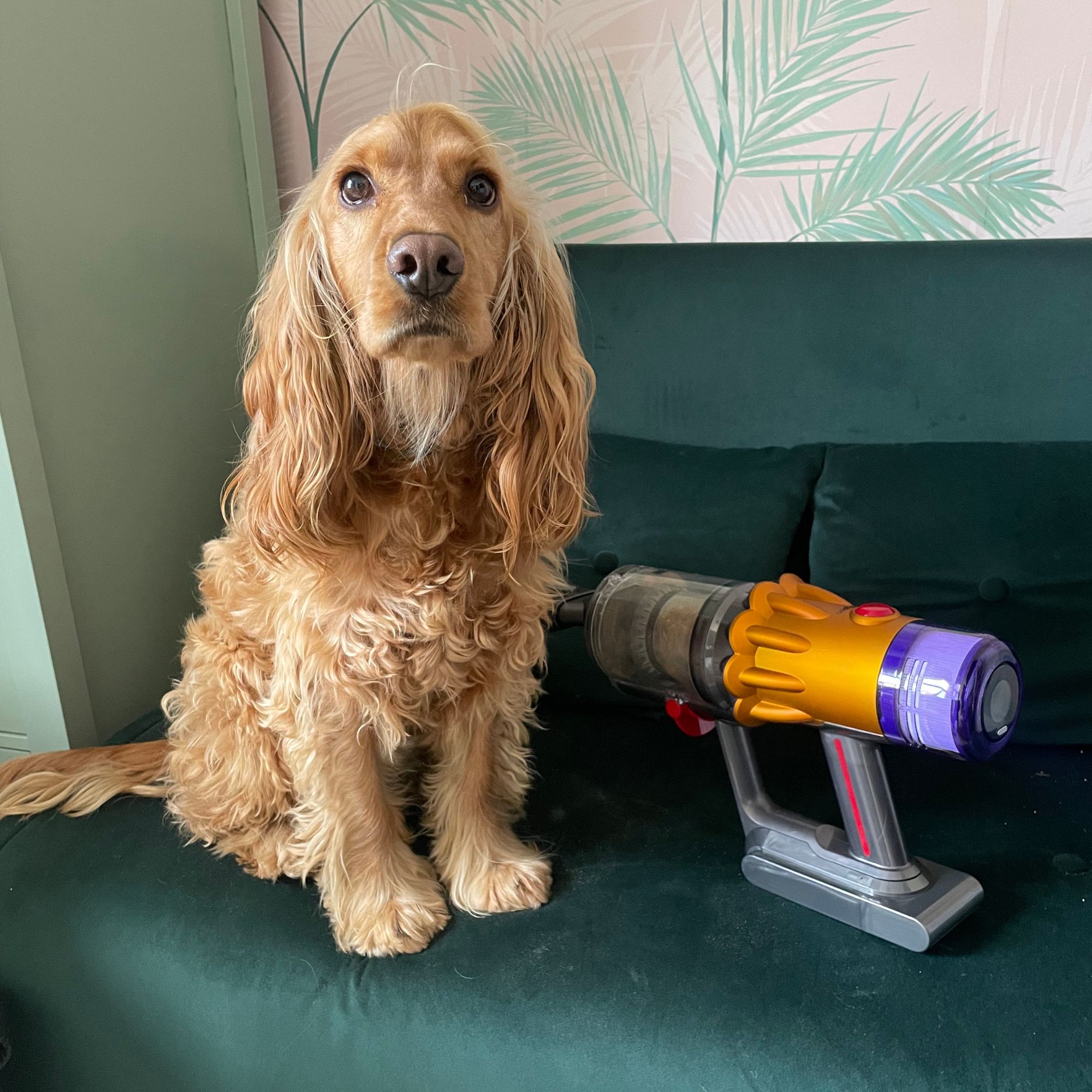
It’s a good idea to understand what vacuum tool is right for each job before you try to vacuum pet hair, though, as some just won’t cut the mustard. You should also remember that some vacuum tools aren’t universal, so you’ll need to do your research before buying new ones or using tools from an old vacuum.
This is again why buying a specific vacuum for pet hair is important, as these models are designed with pet owners in mind and typically come with the attachments every pet owner should need.
4. Don’t be afraid to bring in reinforcements
While I’d love to say that knowing how to vacuum pet hair and using vacuum attachments are enough to de-fluff a home with pets, that’s often not the case. If you want to ensure it stays clean and dander-free, you shouldn’t be afraid to bring in reinforcements if needed.
There are many ways to get rid of pet hair that work alongside vacuuming, including the Scrub Daddy pet hair cleaning hack, which uses something you probably already have in your sink caddy. I’m also a huge fan of carpet scrapers, and was amazed (and horrified) by the amount of invisible hair uncovered in my rugs.
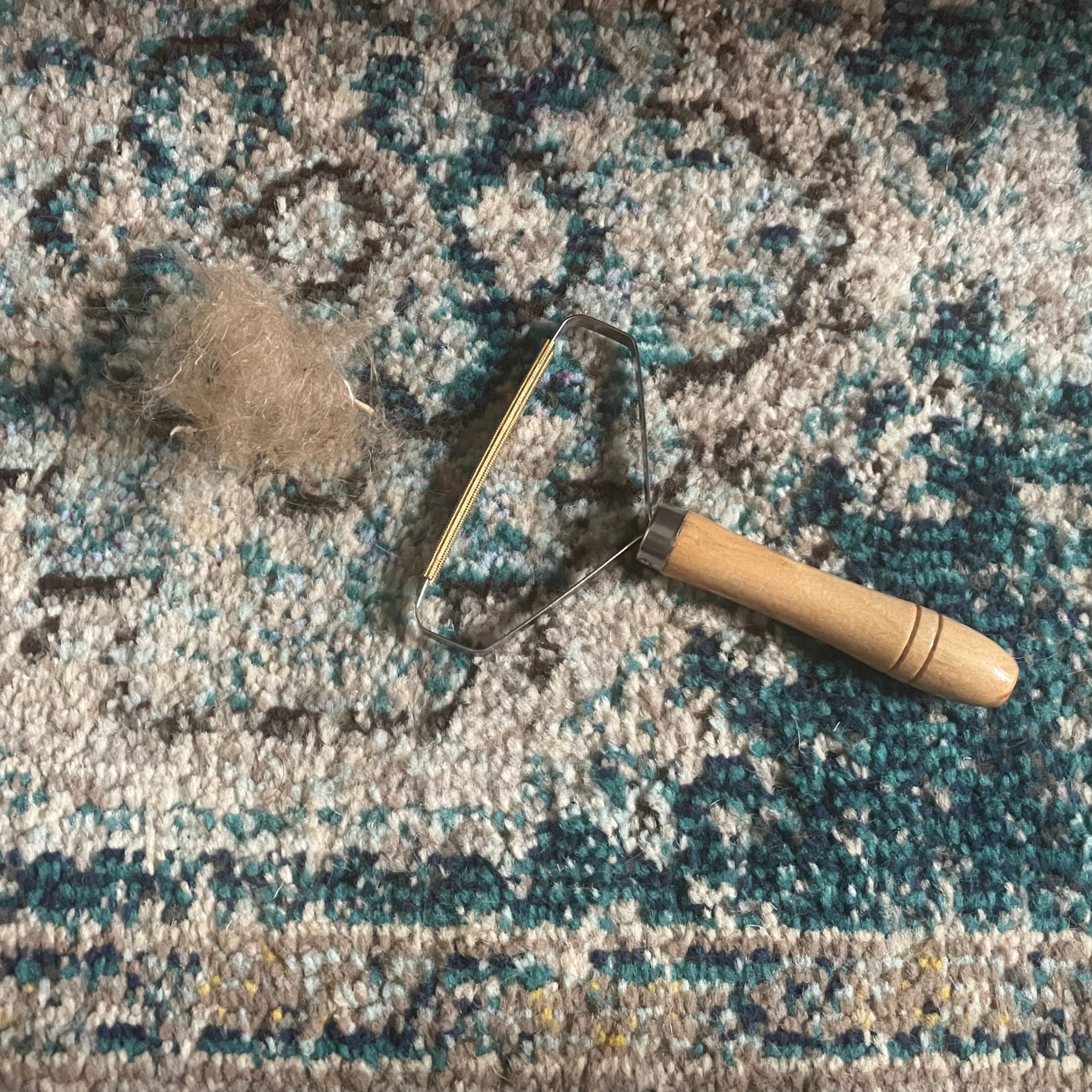
Pet hair is also one of the many things you can clean with a pumice stone. Lucy seconds this, saying, ‘One of the best ways to remove pet hair from carpet is to gently scrape the surface with a pumice stone, which you might more typically think to use for exfoliating skin. By scraping gently, you will be able to collect enough hair without damaging the fibres of your carpet.’
Then, you can give it a once-over with your vacuum to remove any stray hairs and collect the leftover dust and dander.
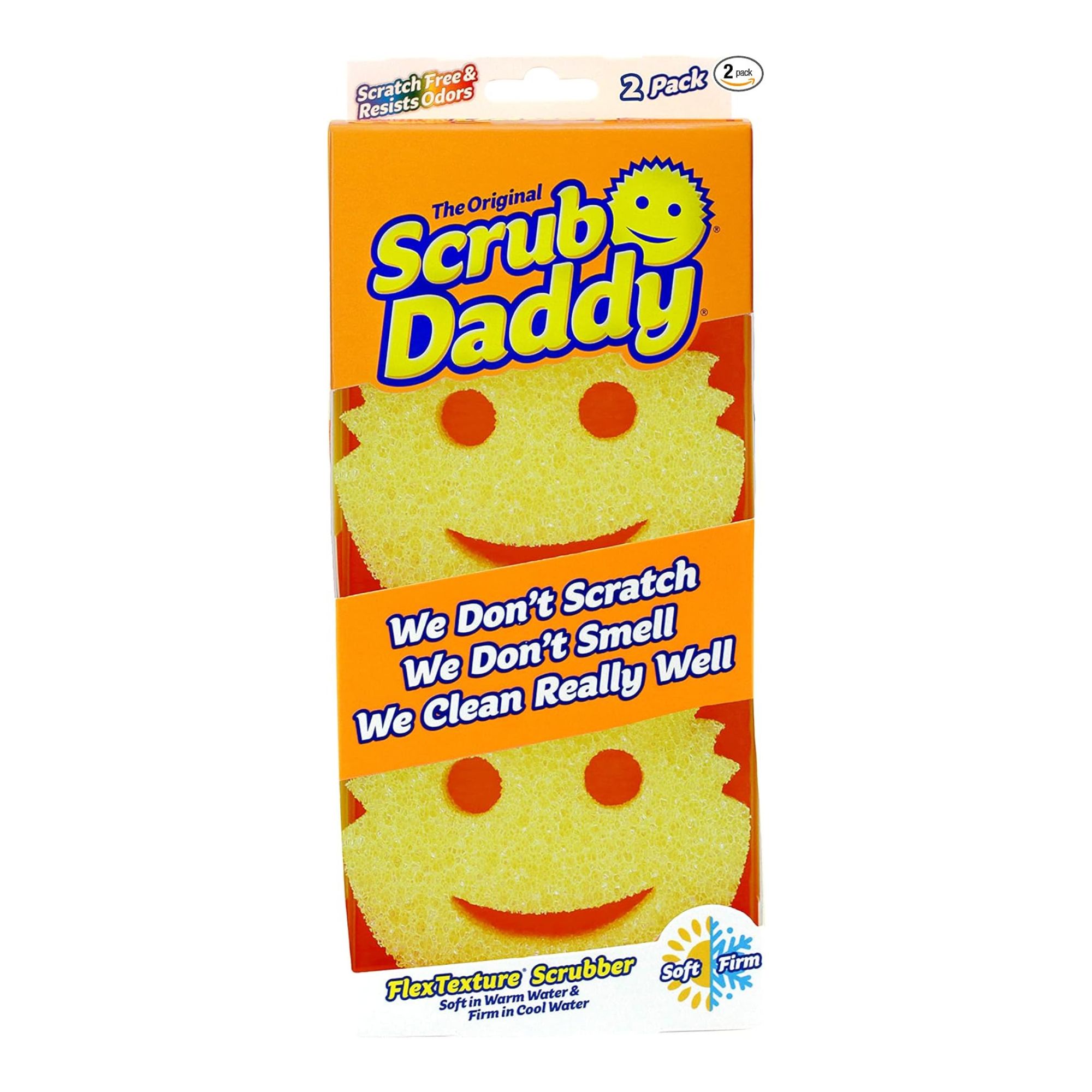
If you buy this two-pack Scrub Daddy offering, you can use one to get pet hair out of the carpet and the other to give your dishes a good ol' clean.
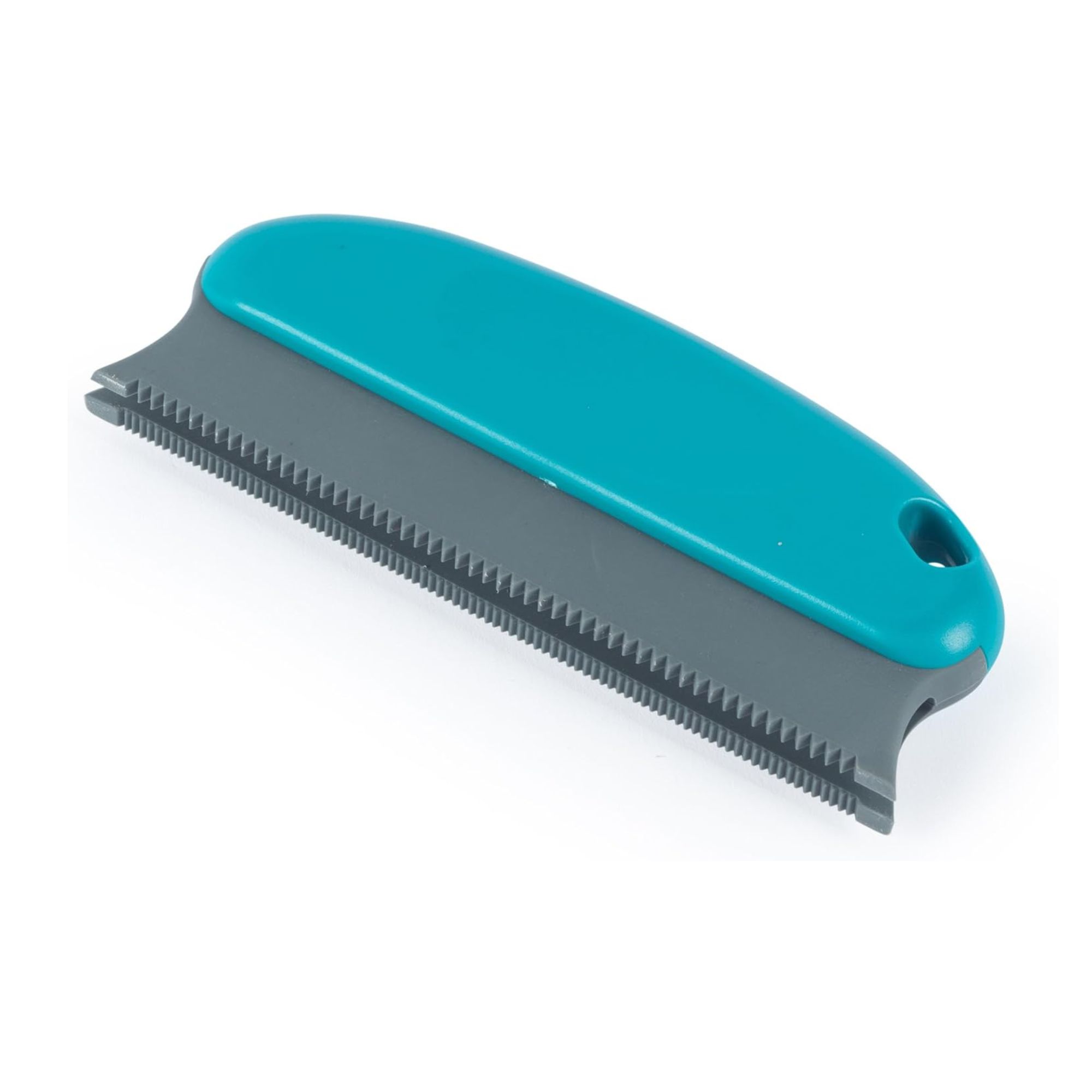
I've used this myself, and it's well worth the money. It's ideal for really getting into the nooks and crannies of your carpet to lift every last strand of pet hair.
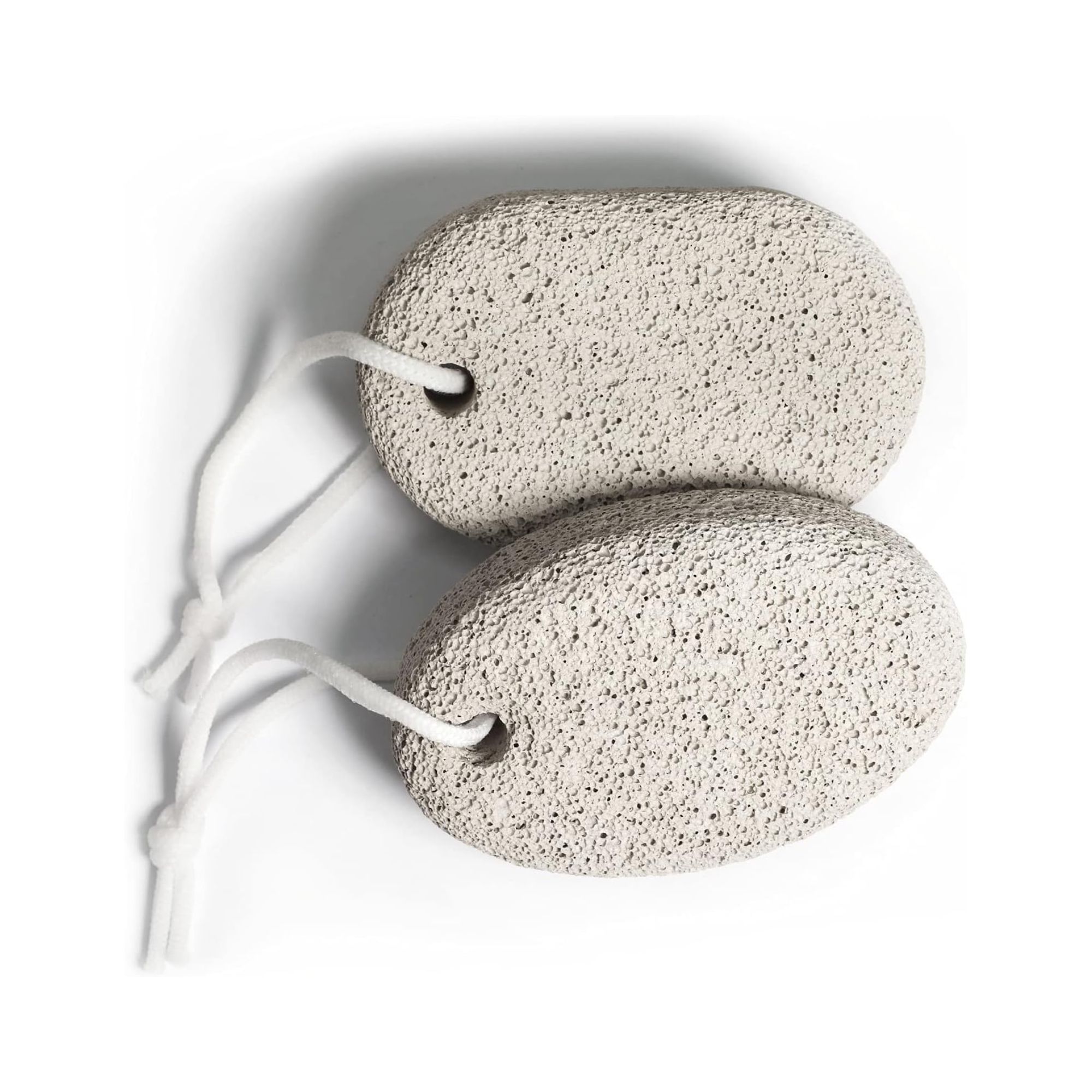
You can't really go wrong with a pumice stone. There are countless options available online - and you can also buy them in most supermarkets or pharmacies.
5. Maintain a regular grooming schedule
Regularly vacuuming your home can help to keep these pesky pet hairs at bay, but it’s also important to maintain a regular grooming schedule to remove this hair before it causes a nuisance.
As the owner of a dog that used to HATE being brushed, I know that sometimes it’s not as easy as simply getting a brush out and getting to work. But through desensitisation training and a lot of treats, I’ve managed to limit how much he sheds. Even regularly bathing helps to remove some of that excess pet hair and stops it from hanging out on my sofa or my carpets.
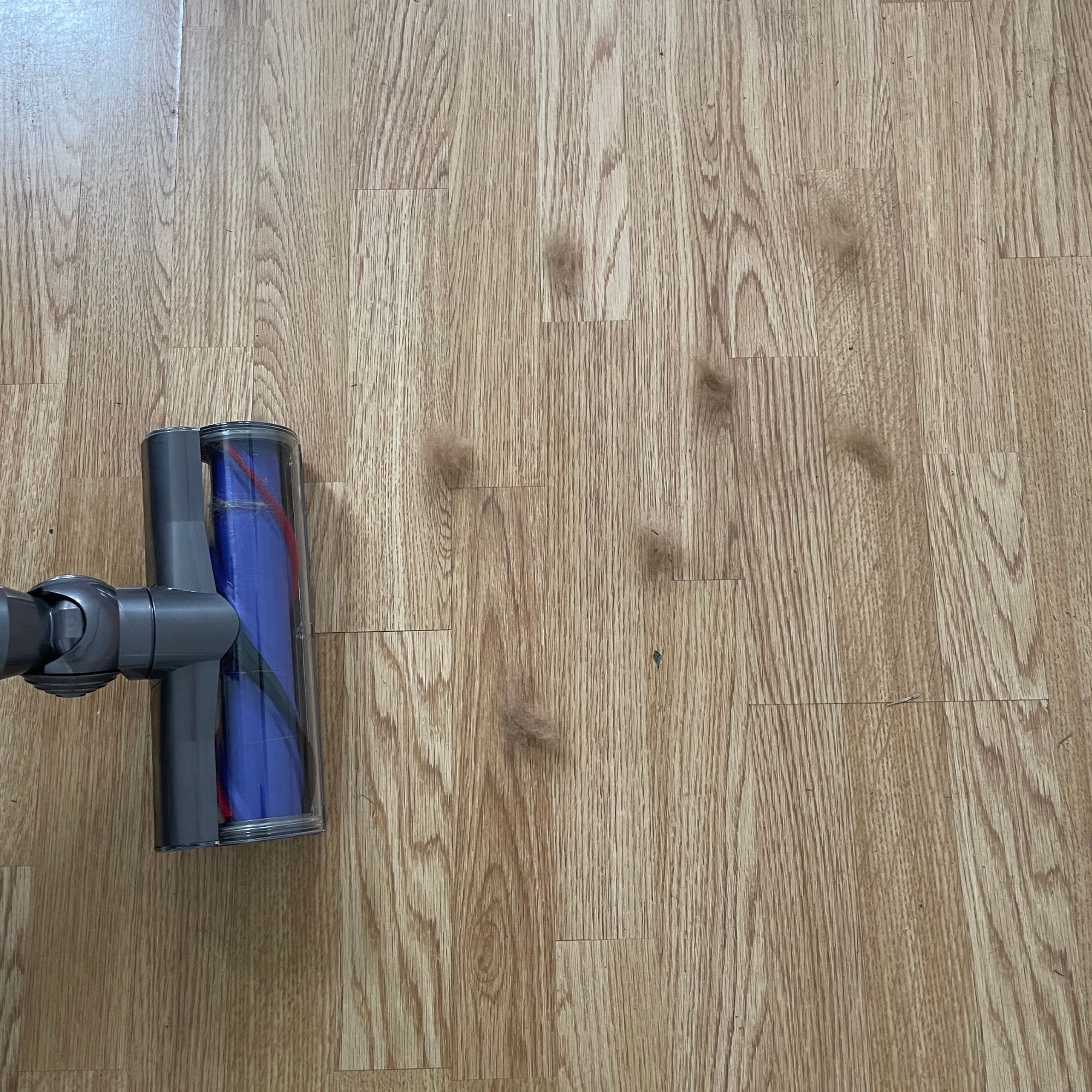
By keeping on top of this, you can limit how often you’ll need to vacuum pet hair. But, ultimately, this all depends on your pet, as Atit Chopra, Product Development Director at Beldray explains, ‘Some breeds may require more frequent cleaning, while hypoallergenic pets shed less and typically need less upkeep. If your pet does shed, aim to vacuum up to 3 or 4 times a week, especially in high-traffic areas like living room carpets and hallways.’
If you don’t want to vacuum that regularly, you might want to consider one of the best robot vacuums so it’ll continue to do the work even when you don’t want to.
6. Maintain your vacuum cleaner
Although the act of vacuuming pet hair is incredibly important, it’s just as important to maintain your vacuum cleaner - otherwise, its ability to do the job will decrease rapidly. Because of this, it’s well worth cleaning your vacuum cleaner every month (or even more than that if you have a heavy shedding animal).
When doing this, you should focus on removing any trapped hair in the brush, unblocking the hose if necessary, cleaning the filter, and making sure the dust bin isn’t overfilled.
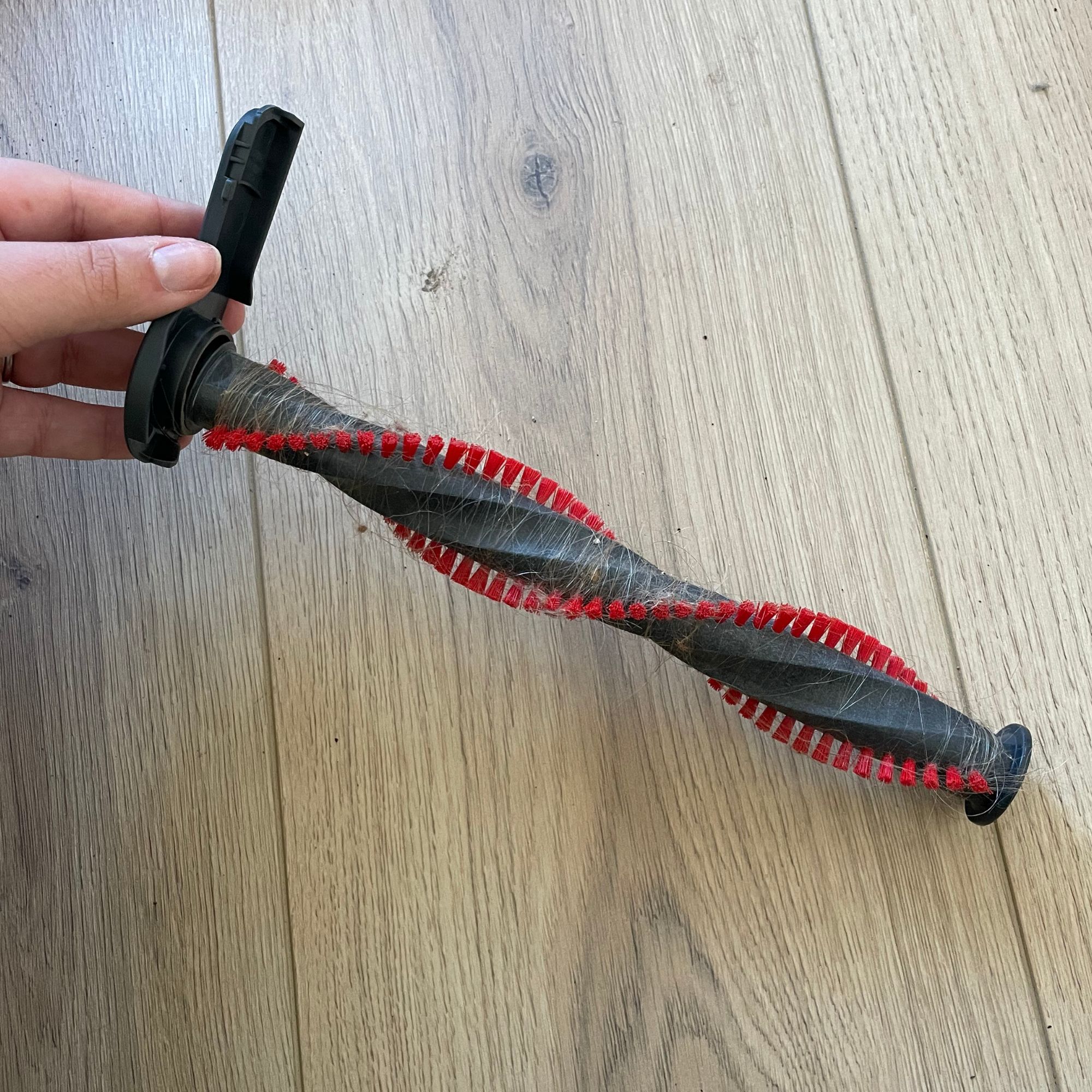
This is echoed by Catrin, who says, ‘Emptying the bin frequently and cleaning the brush bar helps maintain strong suction performance, particularly in homes with long-haired pets where hair wrap can reduce cleaning efficiency over time.’
If you find that your vacuum cleaner has lost suction and has lost its ability to vacuum pet hair, it might be time to replace it with a newer model. There are other signs to look out for if that’s the case, too.
FAQs
Why is my vacuum cleaner not picking up pet hair?
There are a few potential reasons why your vacuum cleaner is not picking up pet hair, and these include:
- It’s not a pet-specific vacuum.
- Poor suction power.
- Blocked hoses or attachments.
- A clogged or dirty filter.
- The dustbin is full.
- Wrong vacuuming technique.
So, it’s worth giving your vacuum a once-over to check for any of the above. The best-case scenario is that your vacuum cleaner isn’t picking up pet hair because it needs emptying or to be unblocked.
How often should you vacuum with pets?
If you have pets, you need to be vacuuming your home at least once a week. This will help to pick up any loose pet hair, as well as the dirt, dander, and dust that your pets can bring into the house. However, most experts would advise vacuuming a lot more than that.
If you can, aim to vacuum 2-3 times a week if you have pets. And if you really want to be on top of things, give your home a quick once-over every day to keep your house as clean as possible.
By following these steps, your home will be pet-hair-free in no time.