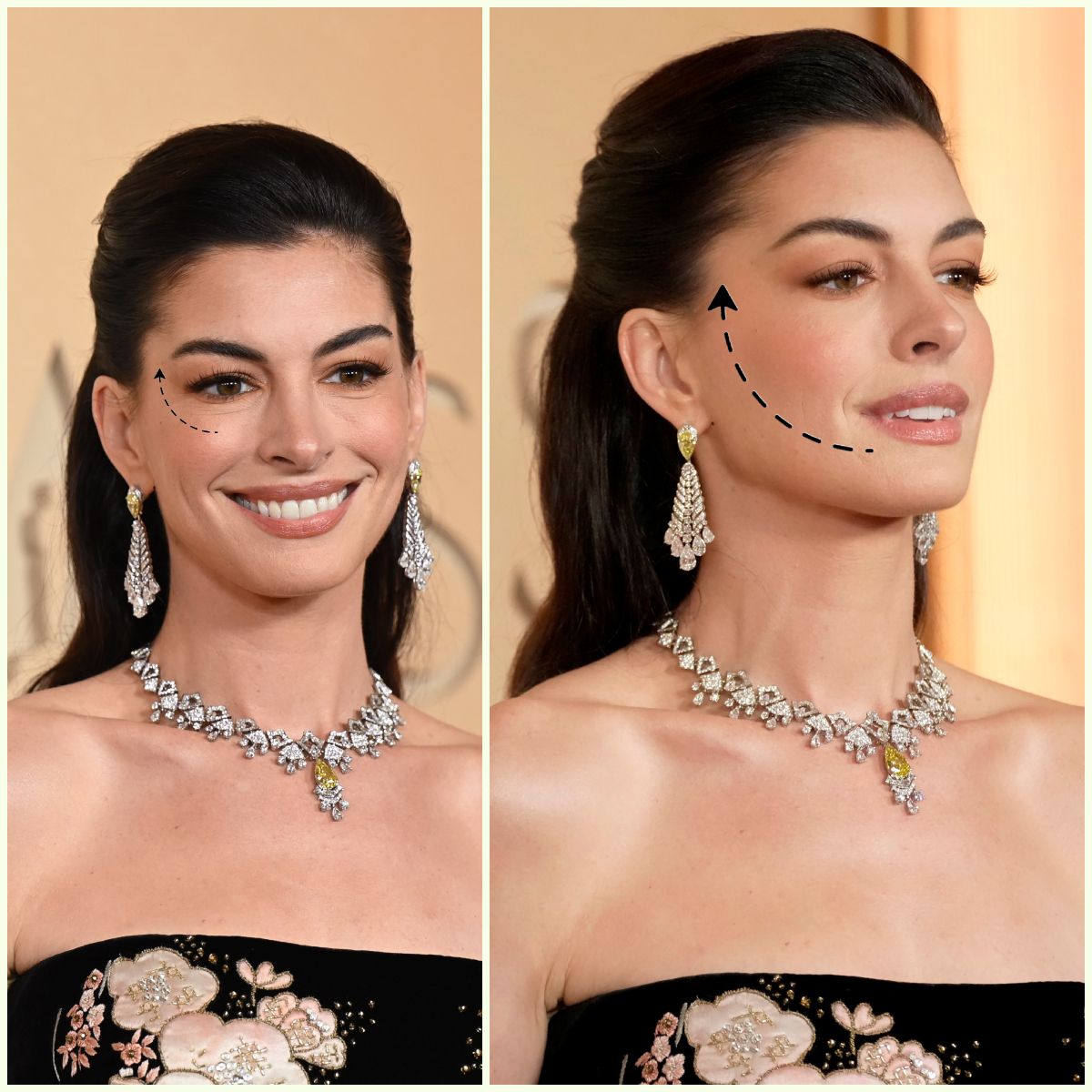
If you’ve spent more than five minutes on TikTok recently, you’ve probably come across the latest beauty trick promising a more lifted look: the hidden braid facelift hack. The technique, which involves securing two tightly braided sections of hair beneath the rest of your hairstyle, is designed to create subtle tension around the temples. The result? Eyes that appear slightly more lifted, cheekbones that look a little more defined, and a jawline with a touch more sculpt—all without a single contour stick in sight or surgical procedure booked.
While the hack has been circulating among hairstylists for years, it recently found a new audience after Anne Hathaway’s longtime hairstylist, Orlando Pita, revealed the technique in an Instagram video. The video came after months of speculation surrounding Hathaway's appearance—beginning at the Ralph Lauren Fall 2025 show and continuing at what felt like every event thereafter. (The Devil Wears Prada actress previously told Elle that she did not have a facelift and her lifted appearance is because of these "two little braids.")
Now, if you’re raising an eyebrow right now, you’re not alone. As someone who has spent enough time covering beauty to know there are usually a few more moving parts behind a great celebrity glow-up, I was skeptical that two tiny braids deserved all the credit. Curious whether the trick could actually work beyond celebrity glam squads and red carpets, I spoke with celebrity hairstylist Marcos Diaz to find out exactly how the hidden braids work, how to recreate them at home, and whether a hairstyle can really fake the appearance of a facelift.
A post shared by Anne Hathaway (@annehathaway)
A photo posted by on
How Does the Hidden-Braid Facelift Hack Work?
According to Diaz, the effect you’re seeing is all about placement. The style starts by sectioning hair from the temples back toward the area behind the ears. From there, two small braids are woven close to the scalp, secured, and concealed beneath the rest of the hairstyle.
“The braids are positioned to create gentle upward tension through the temple area,” Diaz says. That slight pull can make the outer corners of the eyes look more awake, emphasize the cheekbones, and subtly sharpen the jawline—particularly on camera. The effect comes from the direction of the pull rather than the braids themselves, he says.
How Do I Do the Facelift Hairstyle?
The good news? You don’t need a celebrity hairstylist on speed dial to try this one yourself.
Diaz recommends starting with a tail comb, small clear elastics, and a handful of bobby pins. You'll need to create clean, precise sections before braiding. “Precision sectioning is what allows the technique to remain invisible once the rest of the hair is styled over it,” he says. He also suggests prepping the hair with a lightweight texturizing product before braiding. Hair with a little grip is easier to work with than freshly washed strands that tend to slip out of place.
Once the braids are secured, tuck them beneath the rest of the hair and finish with a flexible-hold hairspray to keep everything in place while still allowing for natural movement.
One mistake Diaz often sees is people assuming that tighter equals better. “A successful braid lift should feel secure, not painful,” he says. If you immediately notice headaches, scalp tenderness, or excessive pulling around the hairline, you’ve likely gone too far. The goal is support—not a hairstyle that leaves you counting down the minutes until you can take it out.
The Best Products for Anne Hathaway's Facelift Hair Trick
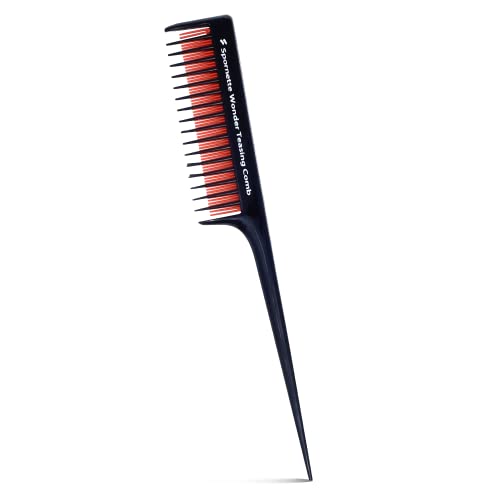
Use a rattail comb to section out your braid.
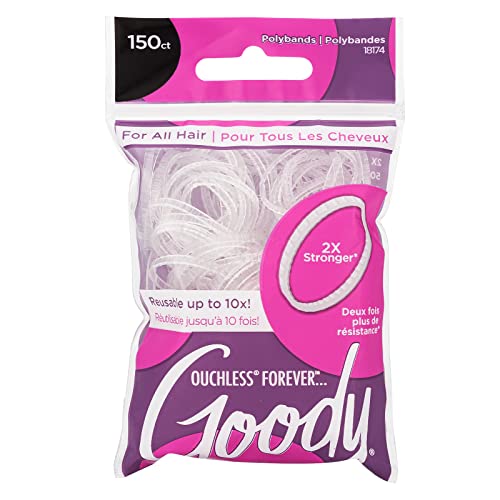
Tiny hair ties will help to keep the braids hidden beneath your hair and secured.
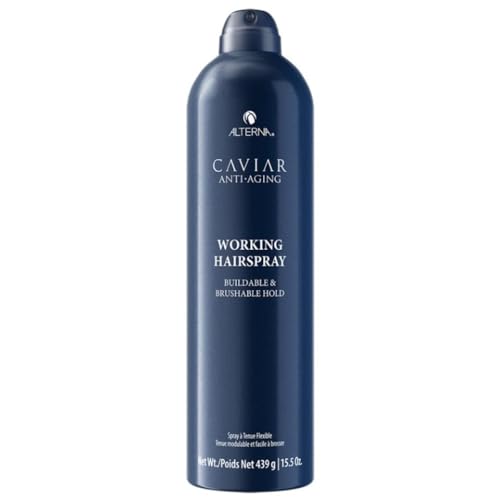
Add a texturizing spray before you start your braid to help it remain in place and to add some grip.
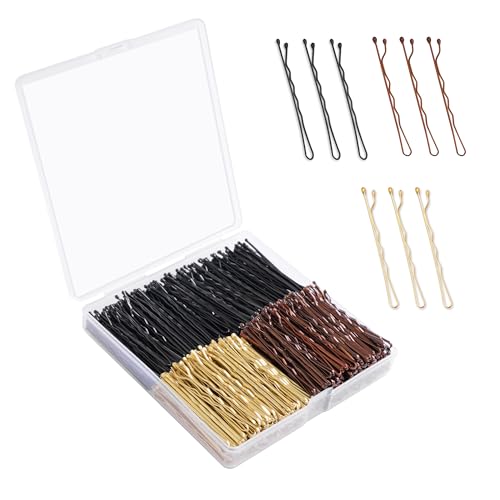
Secure the braids to the rest of your hair with a few bobby pins.
Can a Hairstyle Really Fake a Facelift?
“No hairstyle can replace a facelift, but a great hairstyle can absolutely create the illusion of one,” says Diaz. While the style won’t physically tighten skin or alter facial structure, it can make features appear more lifted and refreshed, especially in public appearances and photos. According to Diaz, hairstylists have secretly relied on versions of this approach for years: "By directing the hair upward and creating tension at strategic points around the temples and crown, you can make the face appear more lifted, refreshed, and defined."
What makes Hathaway’s version particularly effective is that the braids remain completely hidden. “Viewers aren’t focused on the mechanics of the hairstyle,” Diaz explains. “They simply notice a beautifully polished look that subtly enhances the facial features.” The goal, he says, should always be soft enhancement rather than obvious pulling.
I’ll absolutely be trying the trick before my next big event, where photos are involved, for a subtle lift. If nothing else, it’s a lot cheaper than the alternative.
Why Trust Marie Claire
For more than 30 years, Marie Claire has been an internationally recognized destination for news, fashion and beauty trends, investigative packages, and more. When it comes to the products Marie Claire recommends, we take your faith in us seriously. Every product that we feature comes personally recommended by a Marie Claire writer or editor, or by an expert we’ve spoken to firsthand.