
Quick Summary
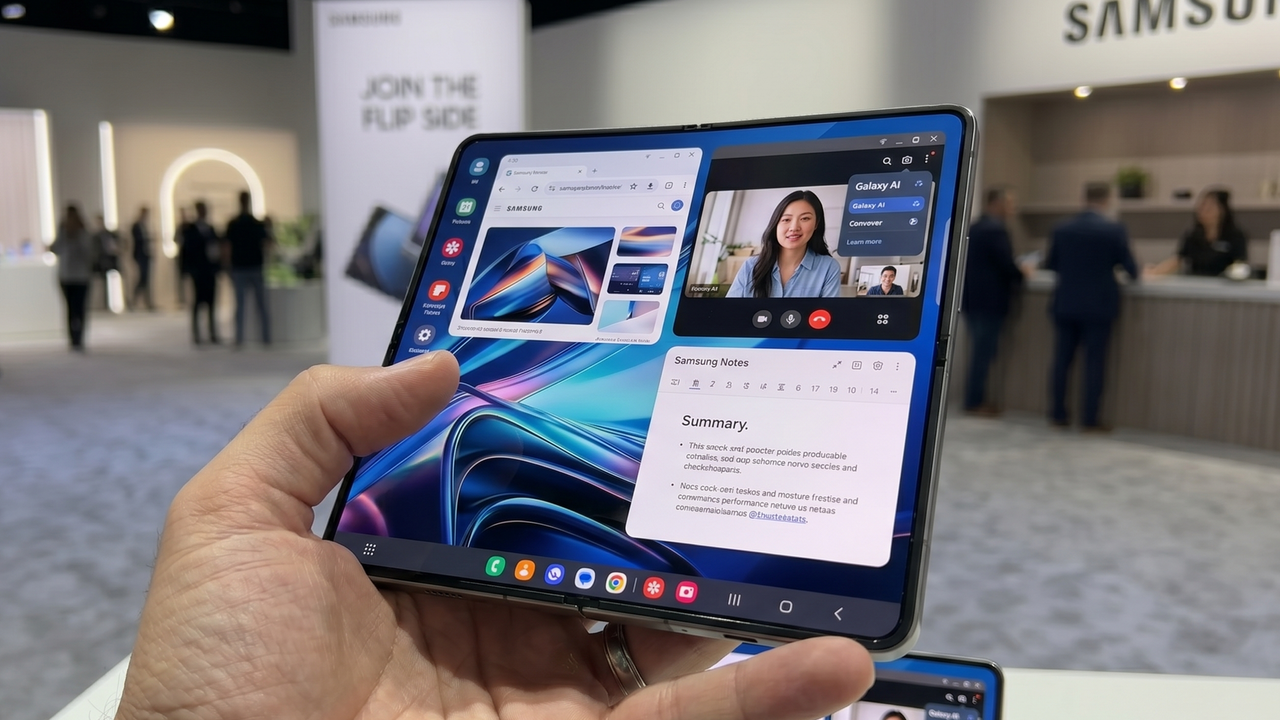
Samsung's rumoured Galaxy Z Fold 8 Wide is expected to launch with new, thicker ultra-thin glass (UTG).
This ought to be smoother, feel and perform better, and help negate the crease visibility – making the future of folding phones more relevant for more people.
The folding phones market is heating up in 2026, too, with future Motorola, Honor and, of course, rumoured foldable Apple iPhone all on the horizon.
It's been almost eight years since the very first folding phone came to market. That was the Royole FlexPai, if you remember that – which ultimately failed and the company went under.
Since then, however, we've seen plenty of big-name players enter the space, with Samsung at the forefront – and, if rumours are true, the South Korean brand is due to reveal its latest Galaxy Z Fold 8 range next month.
Amid rumours that Apple could also reveal a foldable iPhone, the folding phone market is arguably now more relevant than ever. But it's the release of a certain specification that makes that all the more true, thanks to a Samsung upgrade to battle the much-lauded "crease" so prevalent in folding devices.
As reported by Notebookcheck, referencing a ZDNet South Korea post, two Galaxy Z Fold 8 devices are in the works – the Galaxy Z Fold 8 Wide and Galaxy Z Fold 8 Ultra – with the wide model said to use a new ultra-thin (UTG) glass solution that's even thicker.
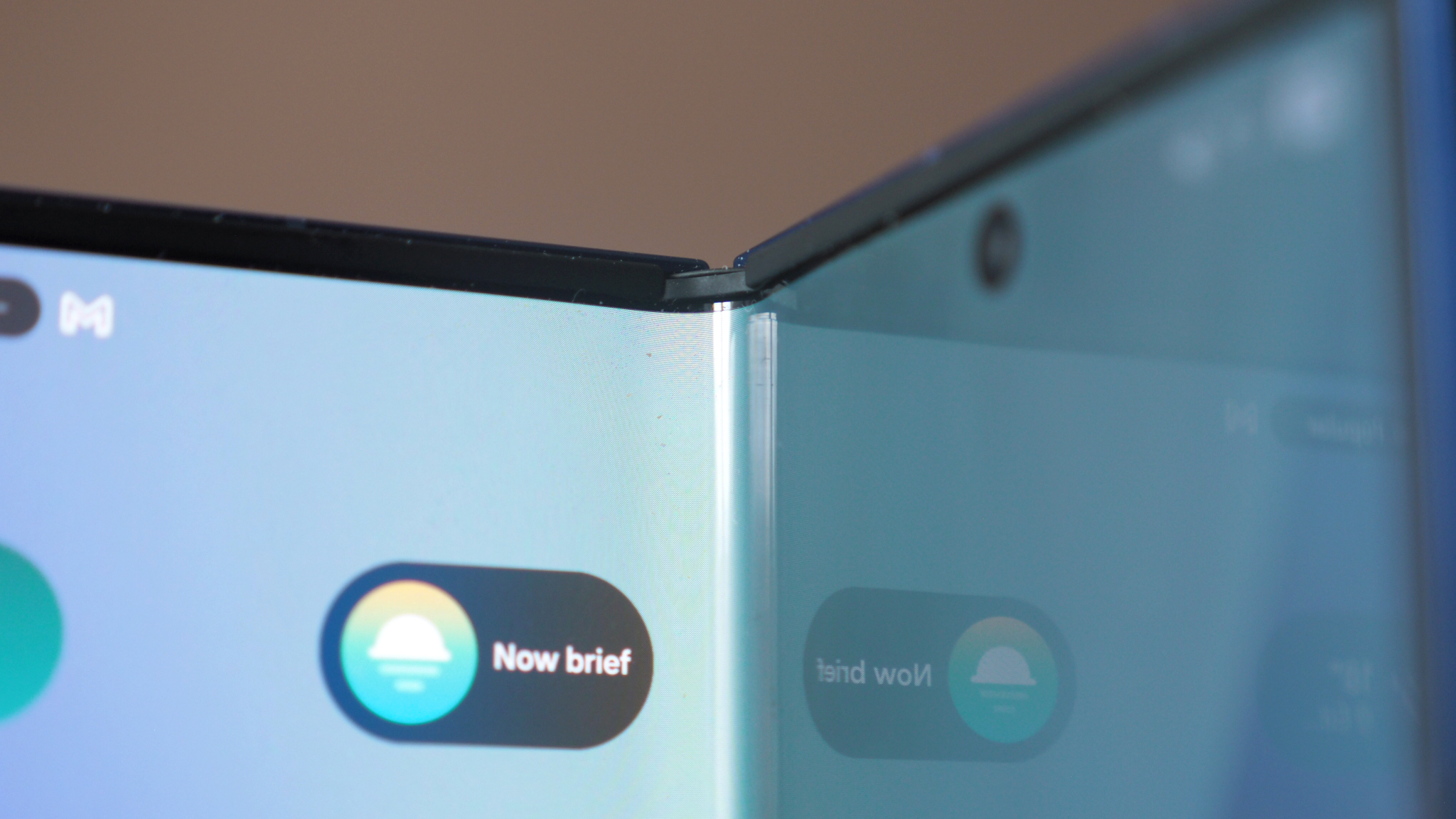
Samsung's UTG solution has been increasing in thickness – the Z Fold 7's UTG was 50% thicker than its predecessor, up from 30- to 45-microns – and the new Z Fold 8 Wide is said to match that increase again, moving to 60-microns.
While thinner is typically 'better' when it comes to tech products, with ultra-thin glass the opposite approach brings benefits. This new glass ought to be smoother, feel and perform better, and help negate the crease visibility. That'll help to make foldables even more relevant to a wider market, if it helps solve the biggest bugbear in this category.
Thicker folding glass is trickier to manufacture, however, due to increased risk of breakage. That could explain why only the Z Fold 8 Wide is expected to utilise this technology – as a kind of testbed, if you like – while the Z Fold 8 Ultra's more classic, tried-and-tested format will retain the 45-micron UTG of previous.

Many others have been tackling 'the crease problem', too. Oppo's Find N6 – which didn't launch in many markets – used a 3D-printing technique to fill dips in the hinge mechanism for a flatter, near "crease-free" solution. So there are multiple ways in which to tackle the problem.
Samsung's persistence in the folding phones market shows greater resilience than many other makers. But with new entries from Motorola, expected updates from Honor and more, plus Apple's will-it-won't-it-happen folding iPhone potentially on the horizon, 2026 looks like a tipping point for foldables – and all the better for it.