The 2026 FIFA World Cup is already giving us something completely different and, for once, I am not talking about a new camera, a new lens or some clever broadcast trick hiding at the edge of the pitch. This time, the most exciting viewpoint in soccer is coming directly from the referee.
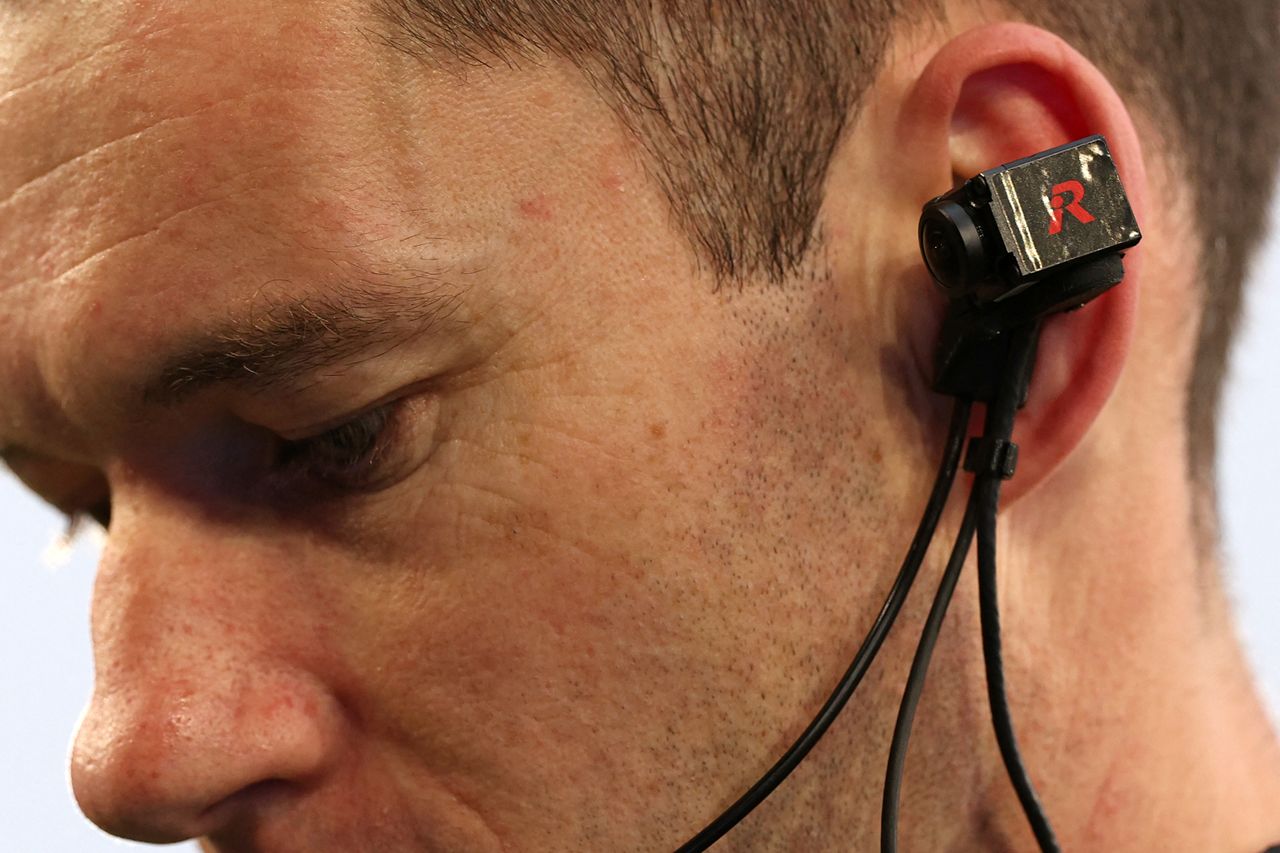
The tournament opened on Thursday, with referee body cameras being used across all 104 matches, giving fans a live or replay view from the official’s own perspective. The small headset-mounted “Referee Body Camera” captures the game from pitch level, offering a view that feels far more immediate than the usual high broadcast angles.
FIFA’s technology partner, Lenovo, has also applied AI-based real-time stabilization to reduce motion blur by up to 50%, with servers installed at the Dallas International Broadcast Center to support the system. FIFA has said the footage is not part of the standard feed supplied to media partners, but is instead being used as a separate broadcast tool.
And honestly, it is brilliant.
A post shared by Match of the Day (@bbcfootball)
A photo posted by on
We have become so used to watching soccer from a safe distance. The main camera sits high in the stadium, giving us the tactical shape, the passing lanes, the defensive line and the bigger picture. That is essential, of course, but it is not how soccer feels when you are on the pitch.
The referee camera changes that. Suddenly you are not simply watching the game; you are inside it. You see players closing down space, bodies moving across the frame, boots flashing past the ball and the sheer speed of decision-making in a way that the traditional broadcast camera rarely captures.
That was always the promise of the system when it was tested at the 2025 FIFA Club World Cup, where fan reaction was strong enough for FIFA to develop it further and roll it out for the biggest tournament in world football.
As Pierluigi Collina, chairman of FIFA’s Referees Committee, put it: "We think that it is a good chance to offer the viewers a new experience, in terms of images taken from a perspective, from an angle of vision which was never offered before".
That is exactly why this works so well. It is not just a gimmick or a novelty angle thrown in for its own sake. It genuinely adds to the storytelling of the match.
A high broadcast camera can show you where a player is running, but a referee ’s-eye view can show you how fast that player arrives. It can show the intensity of a challenge, the chaos inside the box and the small details that disappear when viewed from several rows above the halfway line.
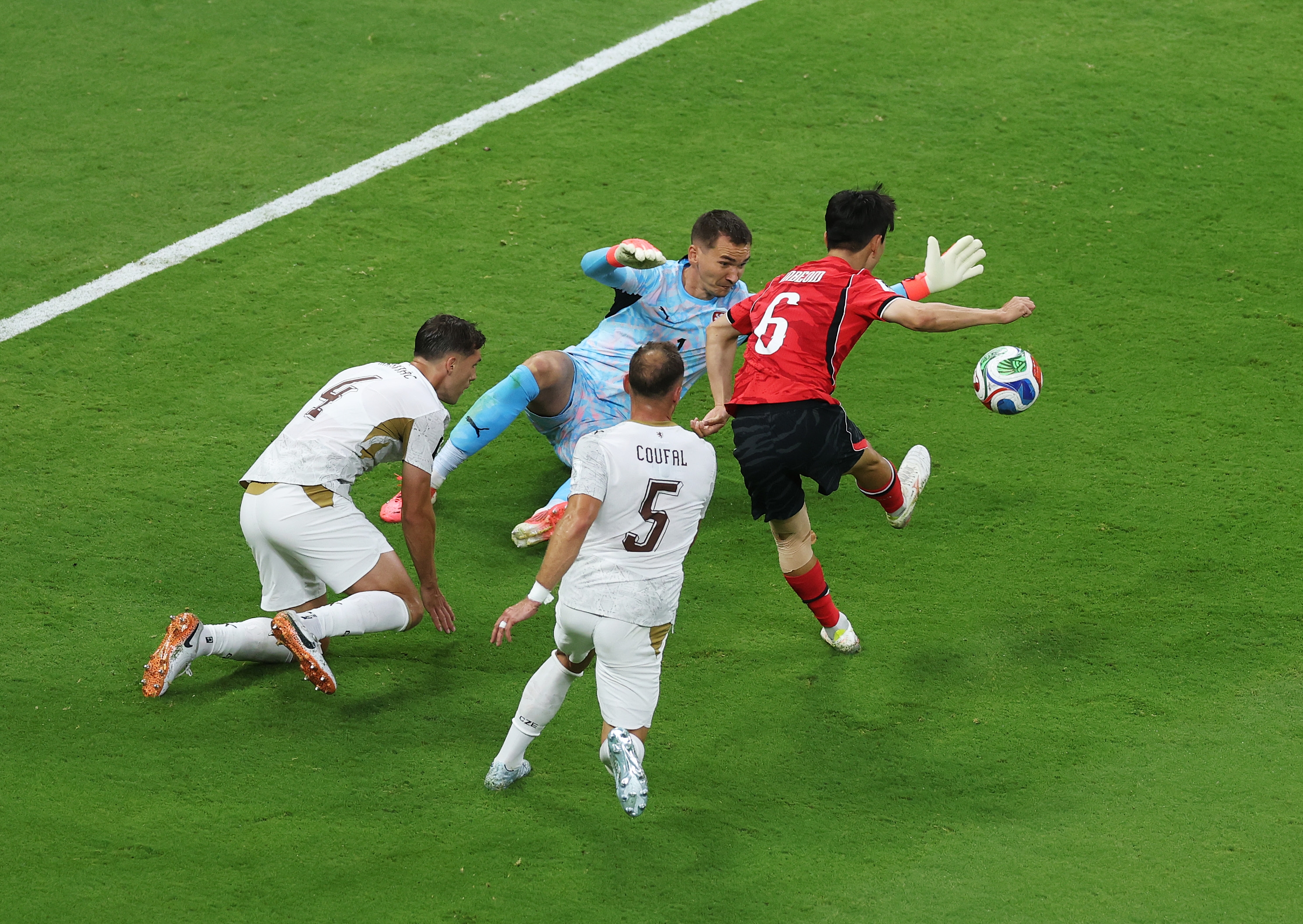
The South Korea equalizer in the first round of Group A games was a perfect example of why this technology feels so exciting.
Hwang In-beom’s goal against Czechia was already a superb World Cup moment, but the pitch-level perspective helped underline the speed and sharpness of the move in a way that the standard broadcast angle simply could not.
That is where referee cameras become more than just another viewpoint. They bring us closer to the game's rhythm and emotion, and for anyone who loves cameras that is a fascinating sight.
It also says something about the wider appeal of point-of-view footage. We are living in an age where viewers want to feel part of the action, not just observe it from a distance. That is why POV cameras have become so popular with cyclists, skiers, motorcyclists, vloggers, wildlife shooters and adventure filmmakers.
So, while most of us will not be running around the middle of a World Cup match with a referee headset on, anyone wanting to replicate that immersive first-person look should take a look at our best POV cameras guide.
A post shared by Bussin' With The Boys (@bussinwtb)
A photo posted by on
What I like most about FIFA’s referee camera system is that it does not try to replace the main broadcast. It adds another layer. It gives us a view that feels more human, more frantic, and more connected to what is happening on the pitch.
For years, sports broadcasting has been about bigger cameras, longer lenses, drones, cable cams and ever more complex replay systems. But here, one of the most effective innovations is a tiny camera worn by the person trying not to become the story.
And that is why it works. The referee camera gives soccer a new visual language. It shows the game from the middle of the storm, and if the early footage from the 2026 World Cup is anything to go by, it might become one of the most exciting broadcast developments the sport has seen in years.
You might also like…
Take a look at the best cameras for sports photography and the best lenses for sports photography.