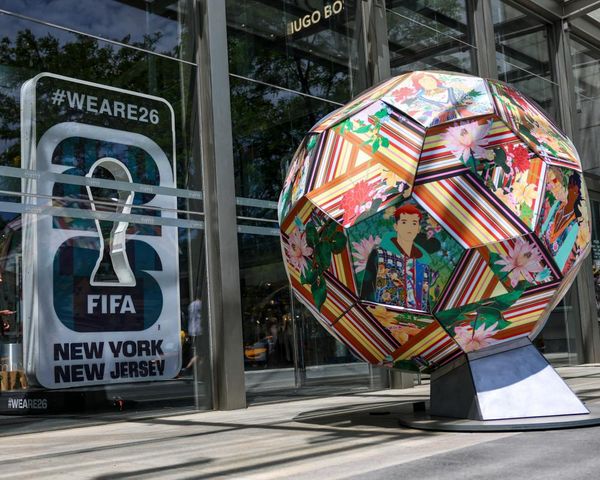
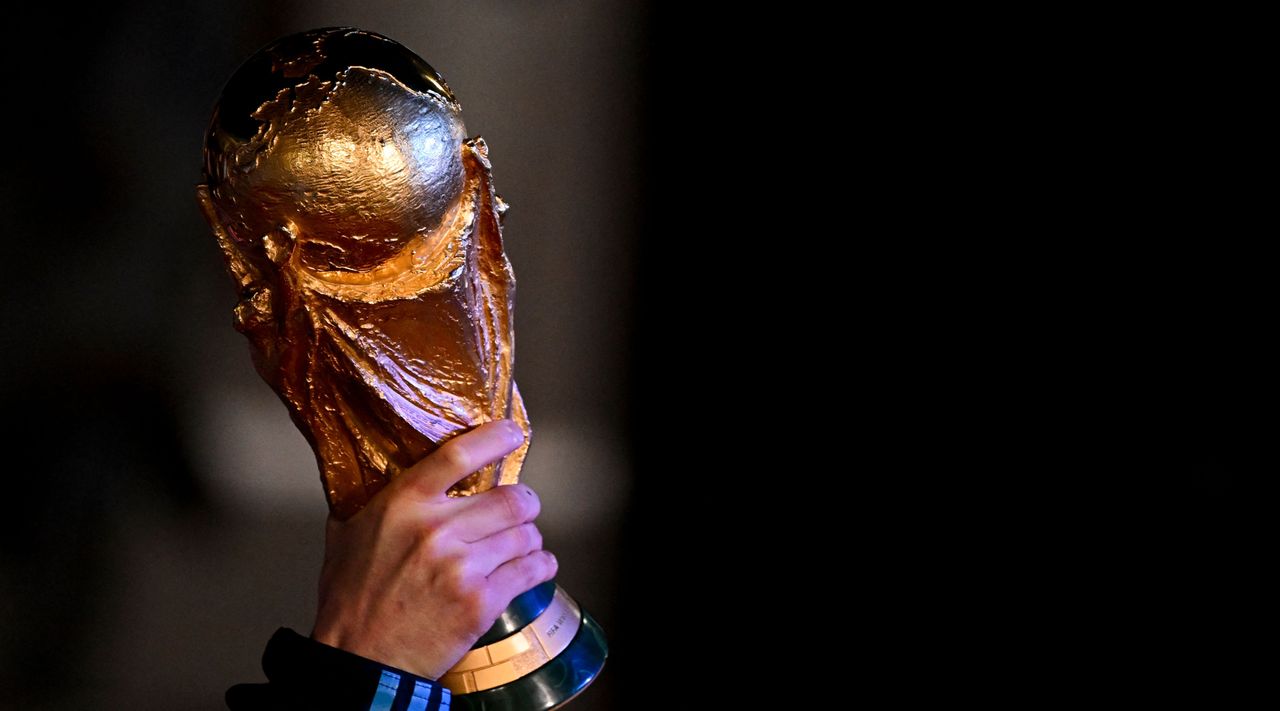
Excitement is already building for the latest edition of the FIFA World Cup, which will begin in the coming weeks with three countries sharing the hosting duties for the first time: Canada, Mexico and the United States.
CONTENTS
- Dates and fixtures
- Hosts
- Stadiums
- Qualified teams
- Tournament format
- Tickets
- Wall chart
- Groups
- Kick-off times
- Squads
- Mascots
- Final
- Ball
- Kits
- Broadcasters
- World Cup pubs
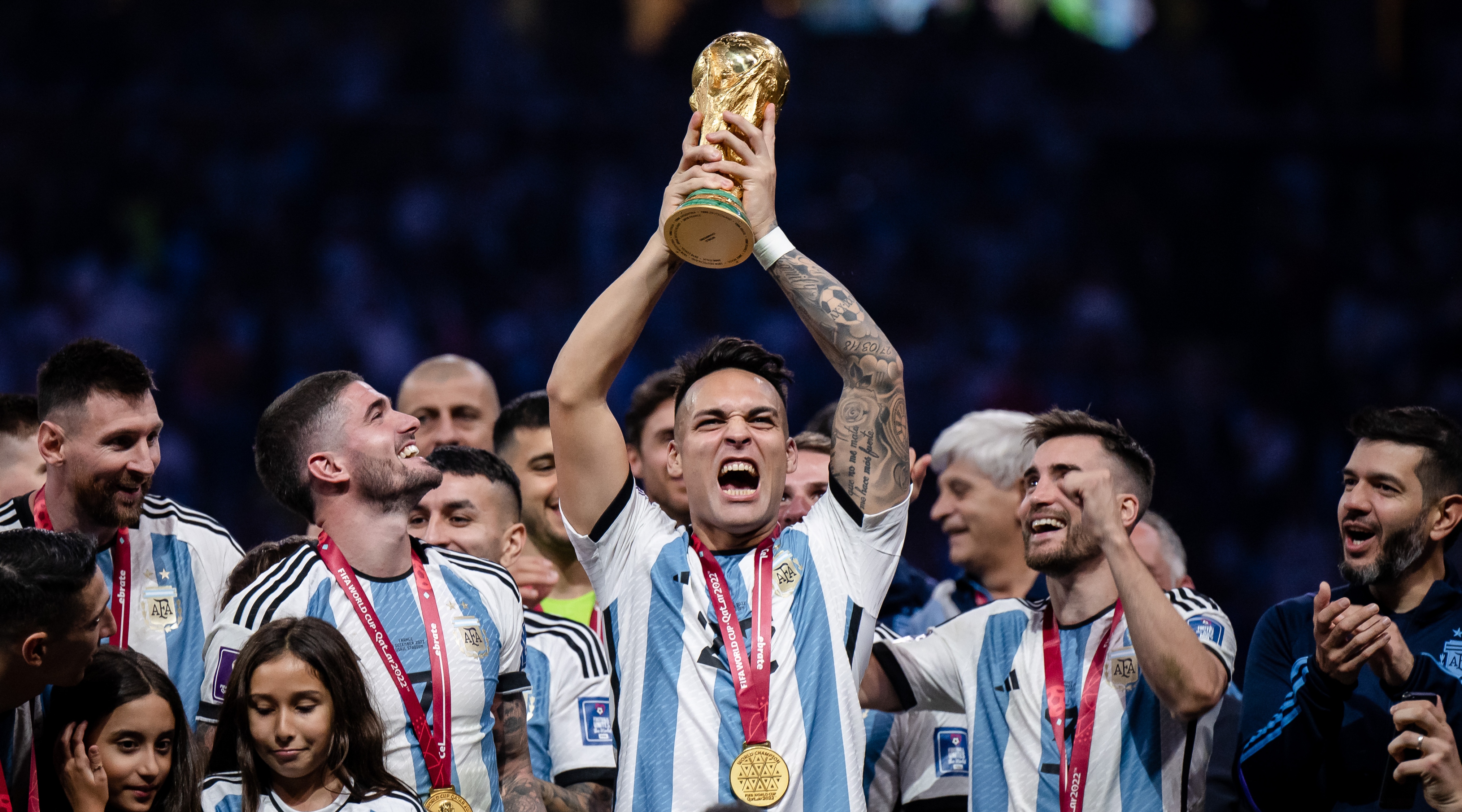
Argentina will be looking to defend the World Cup trophy they won in a scintillating final against France in 2022, while the competition will be expanded from 32 teams to a monster 48.
That makes the 23rd edition of the World Cup the biggest and most ambitious of all time. Here's everything you need to know about the competition – and make sure you bookmark this page and keep checking back from time to time as we keep it up to date with all the latest news and developments.
World Cup 2026 – Quick Facts
Dates |
Thursday, June 11 to Sunday, July 19 |
Hosts |
United States, Canada and Mexico |
Teams |
48 |
Matches |
104 |
Opening match |
Estadio Azteca, Mexico City |
Final |
MetLife Stadium, East Rutherford |
Dates and fixtures
What are the dates for World Cup 2026?
World Cup 2026 will take place between Thursday, June 11 and Sunday, July 19.
Group stage |
June 11 – June 27 2026 |
Round of 32 |
June 28 – July 3 2026 |
Round of 16 |
July 4 – July 7 2026 |
Quarter-finals |
July 9 – July 11 2026 |
Semi-finals |
July 14 – July 15 2026 |
Third-place play-off |
July 18 2026 |
Final |
July 19 2026 |
Where will World Cup 2026 take place?
Where will World Cup 2026 take place?
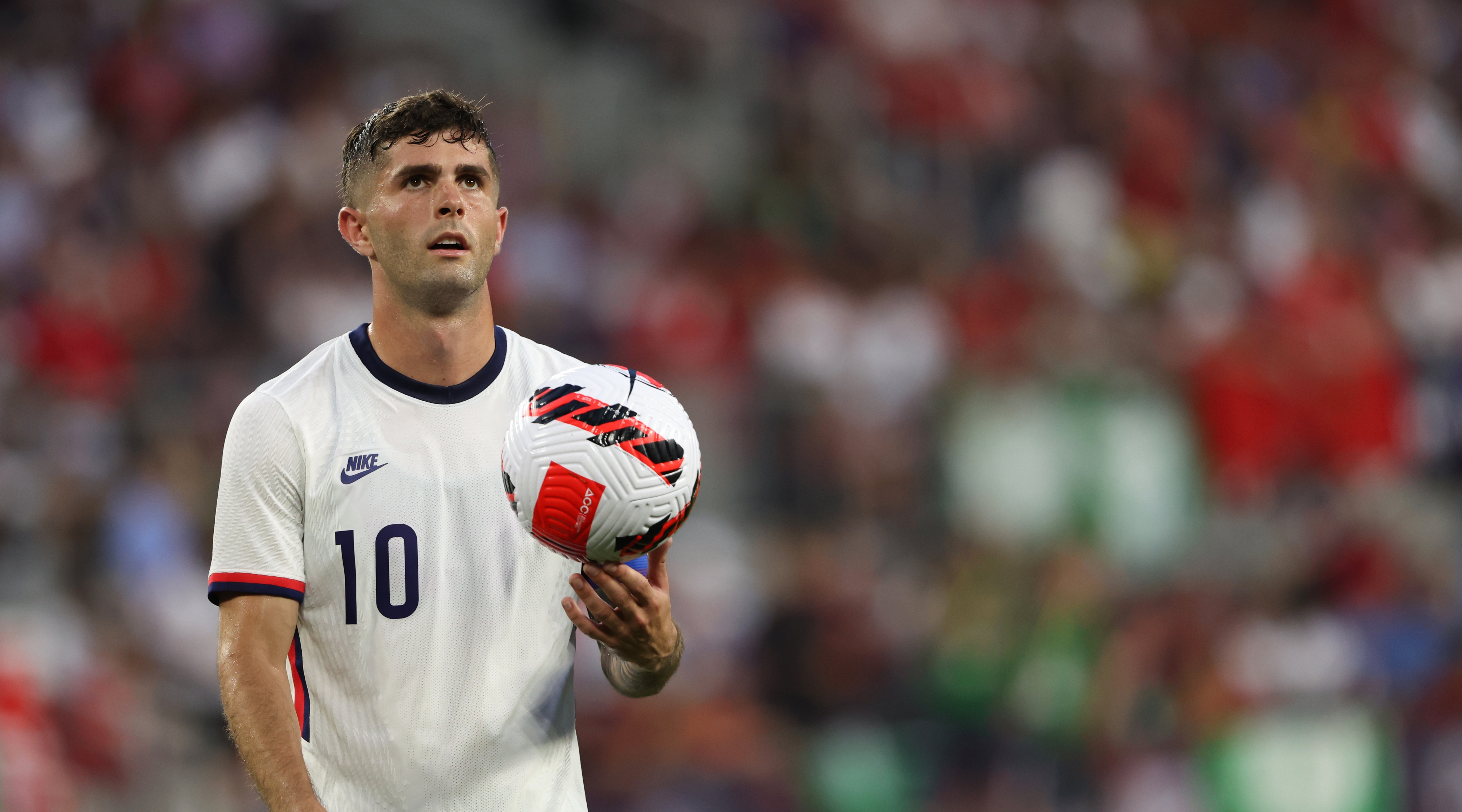
In something of a U-turn from FIFA, World Cup 2026 will be co-hosted by Canada, Mexico and the United States. FIFA had not been keen on having more than one country as hosts since World Cup 2002, which was shared between Japan and South Korea.
All three countries considered bidding separately but decided in 2017 to team up. With UEFA and AFC nations not allowed to bid because they hosted the last two tournaments, the only rival bid came from Morocco, with the North American bid winning the vote by 134 votes to 65.
The United States hosted the World Cup in 1994, while Mexico hosted in 1970 and 1986 (when they stepped in after the intended hosts, Colombia, dropped out). Canada has never hosted a men's World Cup but did host the Women's World Cup in 2015.
Stadiums
These are the 16 stadiums that will host matches at World Cup 2026, listed with their expected capacities for the tournament:
Stadium |
City |
Host Nation |
World Cup Capacity |
|---|---|---|---|
Vancouver |
Canada |
54,400 |
|
Toronto |
Canada |
45,736 |
|
Mexico City |
Mexico |
87,523 |
|
Guadalupe |
Mexico |
53,500 |
|
Zapopan |
Mexico |
49,850 |
|
East Rutherford |
United States |
82,500 |
|
Arlington |
United States |
80,000 |
|
Kansas City |
United States |
76,416 |
|
Houston |
United States |
72,220 |
|
Atlanta |
United States |
71,000 |
|
Inglewood |
United States |
70,240 |
|
Philadelphia |
United States |
69,796 |
|
Seattle |
United States |
69,000 |
|
Santa Clara |
United States |
68,500 |
|
Foxborough |
United States |
65,878 |
|
Miami Gardens |
United States |
64,767 |
Qualified countries
Which countries have qualified for World Cup 2026?
Confederation |
Qualified Team |
|---|---|
CONCACAF |
Canada (hosts) |
CONCACAF |
Mexico (hosts) |
CONCACAF |
United States (hosts) |
CONCACAF |
|
CONCACAF |
|
CONCACAF |
|
AFC |
|
AFC |
|
AFC |
|
AFC |
|
AFC |
|
AFC |
|
AFC |
|
AFC |
|
AFC |
|
CAF |
|
CAF |
|
CAF |
|
CAF |
|
CAF |
|
CAF |
|
CAF |
|
CAF |
|
CAF |
|
CAF |
|
CONMEBOL |
|
CONMEBOL |
|
CONMEBOL |
|
CONMEBOL |
|
CONMEBOL |
|
CONMEBOL |
|
OFC |
|
UEFA |
|
UEFA |
|
UEFA |
|
UEFA |
|
UEFA |
|
UEFA |
|
UEFA |
|
UEFA |
|
UEFA |
|
UEFA |
|
UEFA |
|
UEFA |
|
UEFA |
|
UEFA |
|
UEFA |
|
UEFA |
All three co-hosts were granted automatic qualification to the tournament, with the first teams to battle through their respective qualification groups being confirmed in the March international break in 2025.
Subsequent qualifiers around the world locked in the first 42 teams, with the final six decided by play-offs in March 2026, nearly four months after the World Cup draw.
There are four teams set to make their World Cup finals debuts in 2026. Jordan, Uzbekistan, Cape Verde and Curacao will all compete at the World Cup for the first time.
- AFC (Asia): Eight direct qualification slots, plus one inter-continental play-off slot
- CAF (Africa): Nine direct qualification slots, plus one inter-continental play-off slot
- CONCACAF (North America, Central America and the Caribbean): On top of the three co-hosts, three direct qualification slots plus two inter-continental play-off slots
- CONMEBOL (South America): Six direct qualification slots, plus one inter-continental play-off slot
- OFC (Oceania): One direct qualification slot, plus one inter-continental play-off slot
- UEFA (Europe): 16 direct qualification slots, no inter-continental play-off slots
Why don't Argentina get automatic qualification as reigning World Cup winners?
FIFA used to give automatic qualification to the reigning World Cup winners, doing so from 1938 to 2002, but they did away with that from 2006.
So far, no reigning champions have yet failed to qualify through the usual process. Argentina qualified as the top team in CONMEBOL, with 12 wins in 18 qualifiers.
Tournament format
How many teams will be at World Cup 2026?
An unprecedented 48 teams will take part in the 2026 edition of the World Cup, which means significant alterations to both the group stage and the knockout stage.
The World Cup has been played in the same basic 32-team format since 1998, with the best two sides from eight groups of four going through to a knockout round of 16.
Now, it's going to be 12 groups of four, with the top two sides from each group going through to a knockout round of 32 alongside the eight best-performing third-placed sides from the groups.
If you've followed the past few European Championships or are old enough to remember the days of 24-team World Cups then it's effectively that but twice the size.
Tickets
How to get World Cup 2026 tickets?
This is set to be the most expensive World Cup by far for supporters, with tickets, travel and accommodation costs going through the roof.
FIFA deployed dynamic pricing when tickets went on sale in 2025. The first fans able to get their hands on tickets were members of the participating federations' supporters' associations, with ticket prices jumping with every new stage of the sales process.
The governing body provides a resale marketplace where prices are just as extreme, while the first 'open sale' stage at the beginning of April saw final tickets on sale for more than £8,000 each.
Nevertheless, FIFA claimed early in 2026 that it had received more than half a billion ticket requests. More than three million tickets have been sold.
FourFourTwo World Cup wall chart
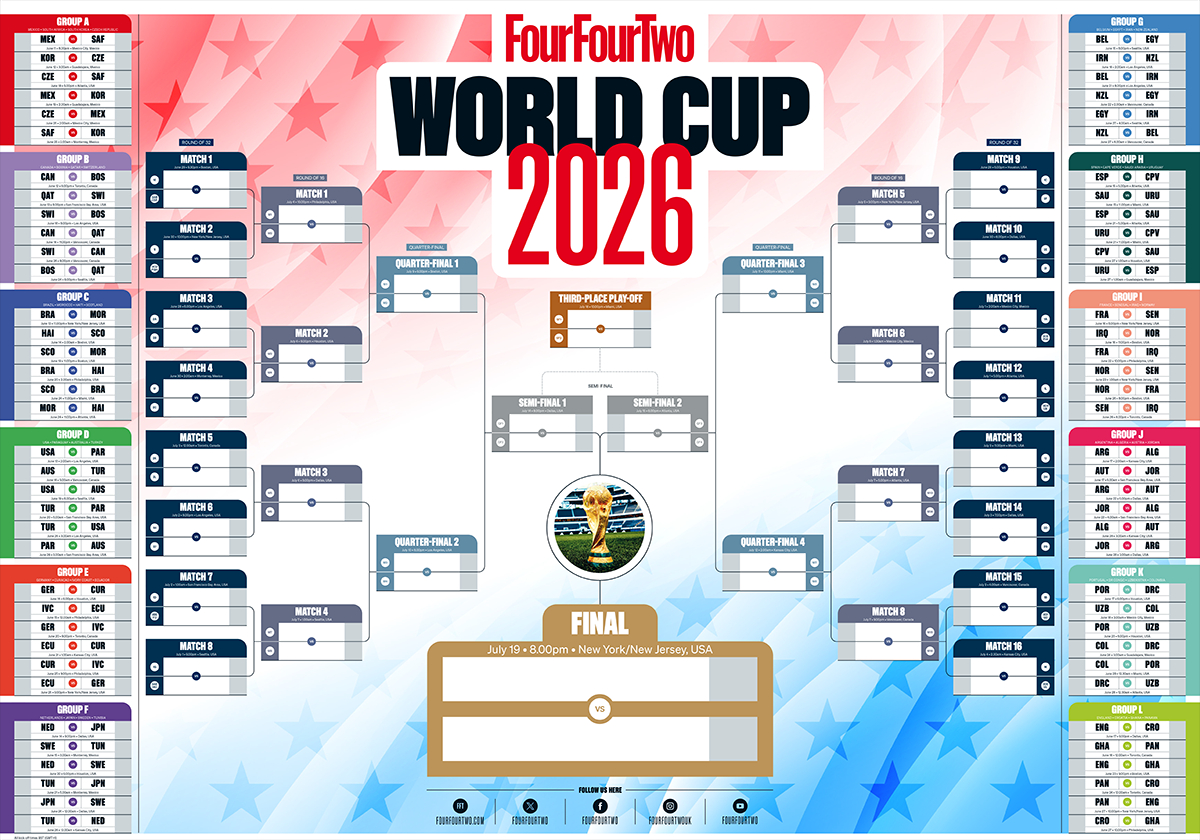
The famous FourFourTwo World Cup wall chart is back and bigger than ever, and only partly because there are 104 matches to be played in the United States, Canada and Mexico in June and July.
Printing out into eight A4 sheets to create a gigantic A1 poster, the wall chart allows you to track every one of those matches throughout the tournament simply by putting pen to paper.
We have versions in colour and black and white, and with kick-off times for a wide variety of time zones around the world.
You can download your World Cup wall chart HERE right now.
Groups
What are the groups for World Cup 2026?
There will be 72 group stage matches at World Cup 2026, where there will be 12 groups of four teams.
Group A |
Mexico |
South Africa |
South Korea |
Czechia |
Group B |
Canada |
Switzerland |
Qatar |
Bosnia and Herzegovina |
Group C |
Brazil |
Morroco |
Haiti |
Scotland |
Group D |
United States |
Paraguay |
Australia |
Turkiye |
Group E |
Germany |
Curacao |
Ivory Coast |
Ecuador |
Group F |
Netherlands |
Japan |
Tunisia |
Sweden |
Group G |
Belgium |
Egypt |
Iran |
New Zealand |
Group H |
Spain |
Cape Verde |
Saudi Arabia |
Uruguay |
Group I |
France |
Senegal |
Norway |
Iraq |
Group J |
Argentina |
Algeria |
Austria |
Jordan |
Group K |
Portugal |
Uzbekistan |
Colombia |
DR Congo |
Group L |
England |
Croatia |
Ghana |
Panama |
Kick-off times
What are the kick-off times for World Cup 2026?
We now know the match dates, venues and kick-off times for all 104 World Cup matches in June and July.
The extended World Cup format means that there are up to four time slots per day during the group stage, though the spread of time zones actually means that there are an incredible 13 different kick-off times scheduled for matches at the tournament.
Consequently, European viewers will have to be extraordinarily committed to watch some of the matches.
World Cup squads
When are the World Cup 2026 squads announced?
With 48 managers naming 26-man squads for the World Cup, there will be a whopping 1,248 players eligible to play their part in the tournament.
They will be called up ahead of the finals and there are various deadlines federations must meet prior to the tournament.
- Monday, May 11: Between 35 and 55 players named in a preliminary squad list submitted to FIFA
- Monday, May 25: Clubs not involved in the finals of the Champions League, Conference League or CONCACAF Champions Cup release players for international duty
- Saturday, May 30: Final 26-player World Cup squad submitted
- Thursday, June 11: Up to nine additional players permitted to join squads for training purposed released from international duty
Mascots
FIFA unveiled the faces of the World Cup in September, giving the world plenty of time to familiarise itself with the animated representatives of Canada, Mexico and the United States.
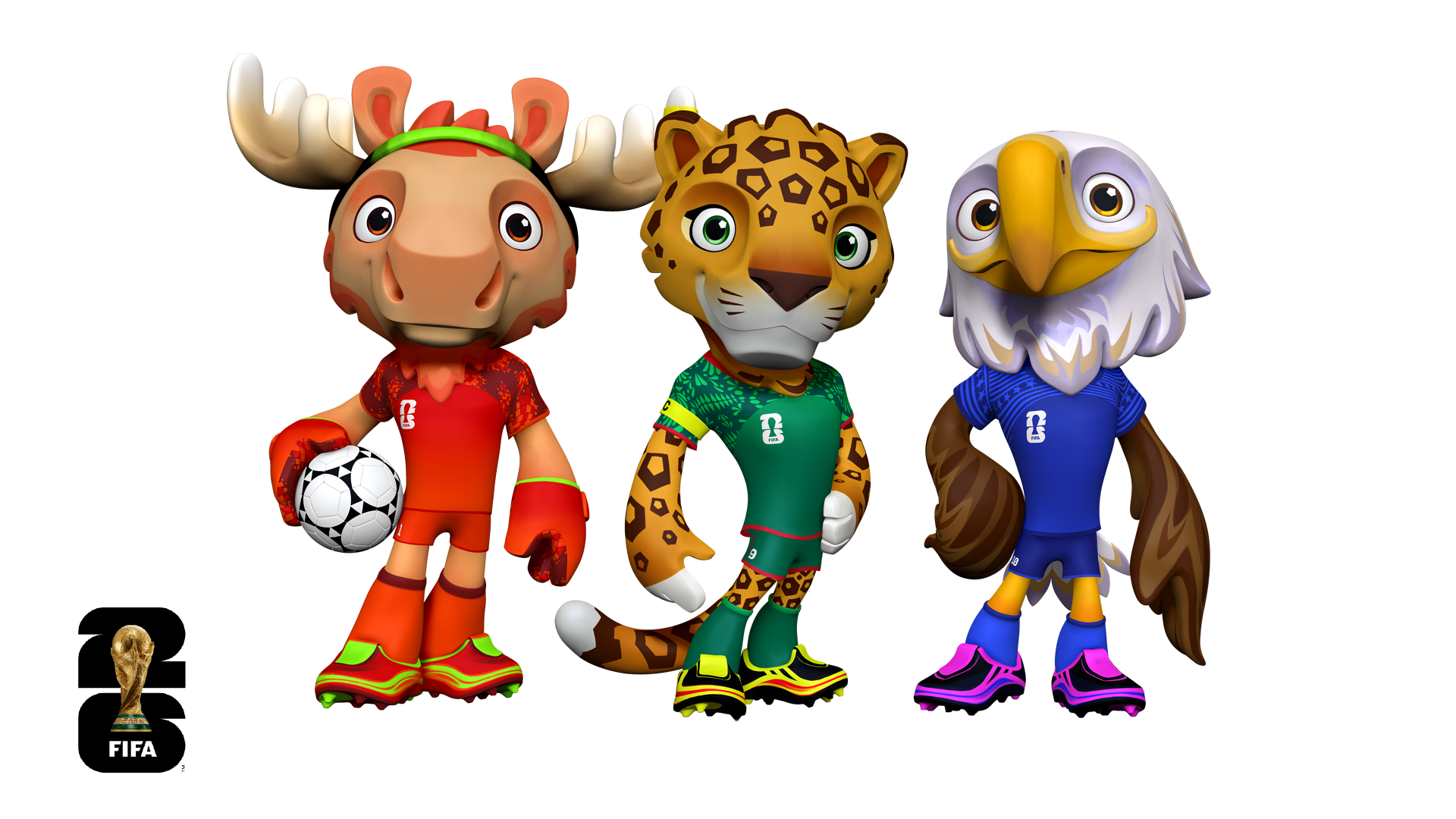
Maple the Moose is the Canadian mascot, "a street style-loving artist, music enthusiast and dedicated goalkeeper," according to the FIFA website
The Mexican mascot is Zayu the Jaguar, who is "a symbol of cultural celebration and connection, carrying the heart of Mexico with pride." Zayu is the only mascot with a captain's armband.
Finally, the United States representative is Clutch the Bald Eagle, whose name is terrible zoological guidance but "possesses an unquenchable thirst for adventure."
World Cup 2026 final
Where is the World Cup 2026 final?
Although Dallas' AT&T Stadium was initially expected to win the bid to host the final, the World Cup 2026 final will actually be held at MetLife Stadium in East Rutherford, New Jersey, just ten miles outside New York City.
The stadium has previously hosted the 2014 Super Bowl final and the 2016 Copa America final, as well as WWE WrestleMania in 2013 and 2019.
Primarily an American football stadium and the home of the New York Jets and New York Giants, the MetLife will have seats specially removed for the World Cup to make it wide enough to suit FIFA's recommended pitch dimensions.
Official match ball
What is the official match ball at World Cup 2026?
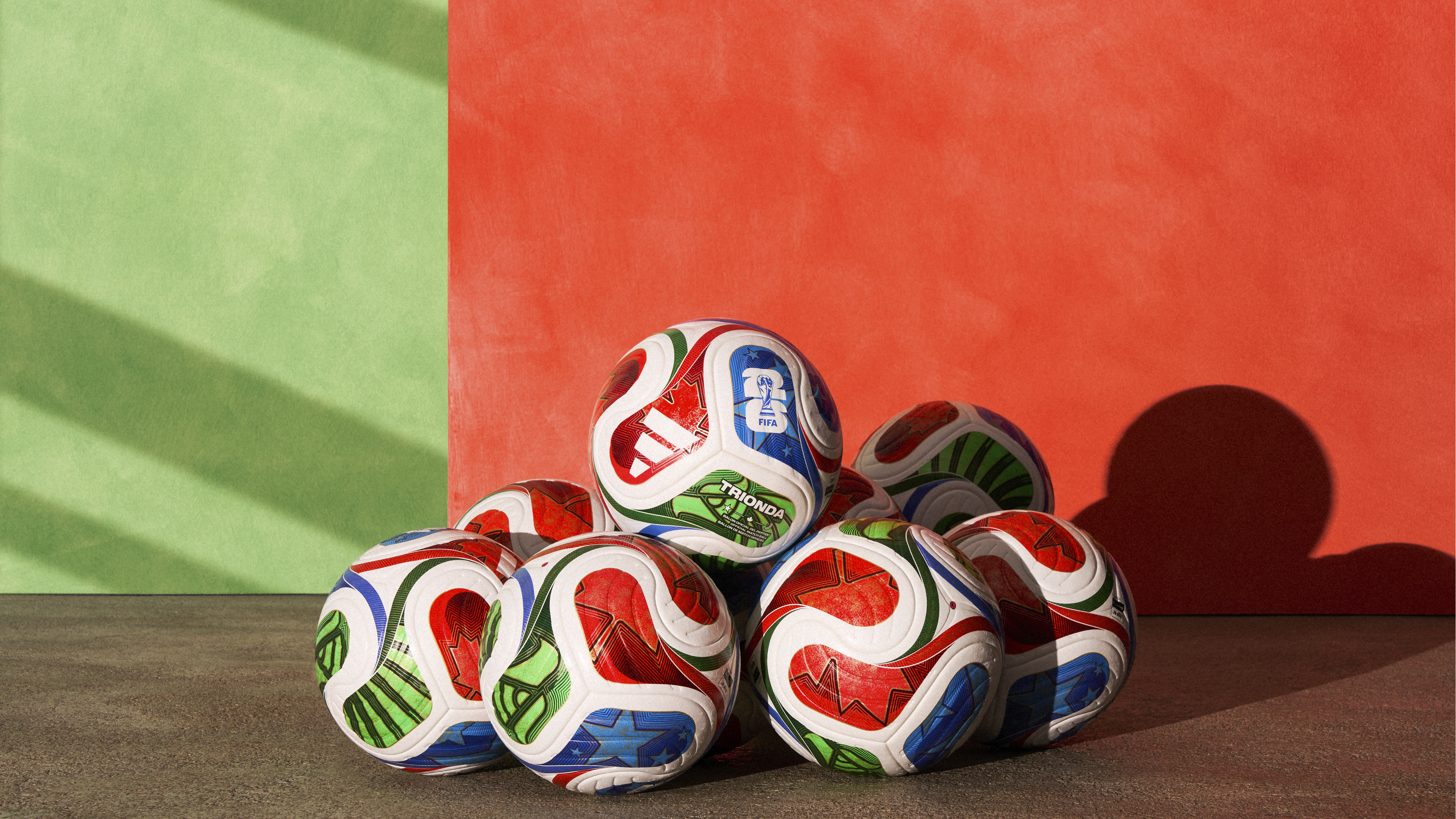
The official match ball for World Cup 2026 is the Adidas Trionda.
Kits
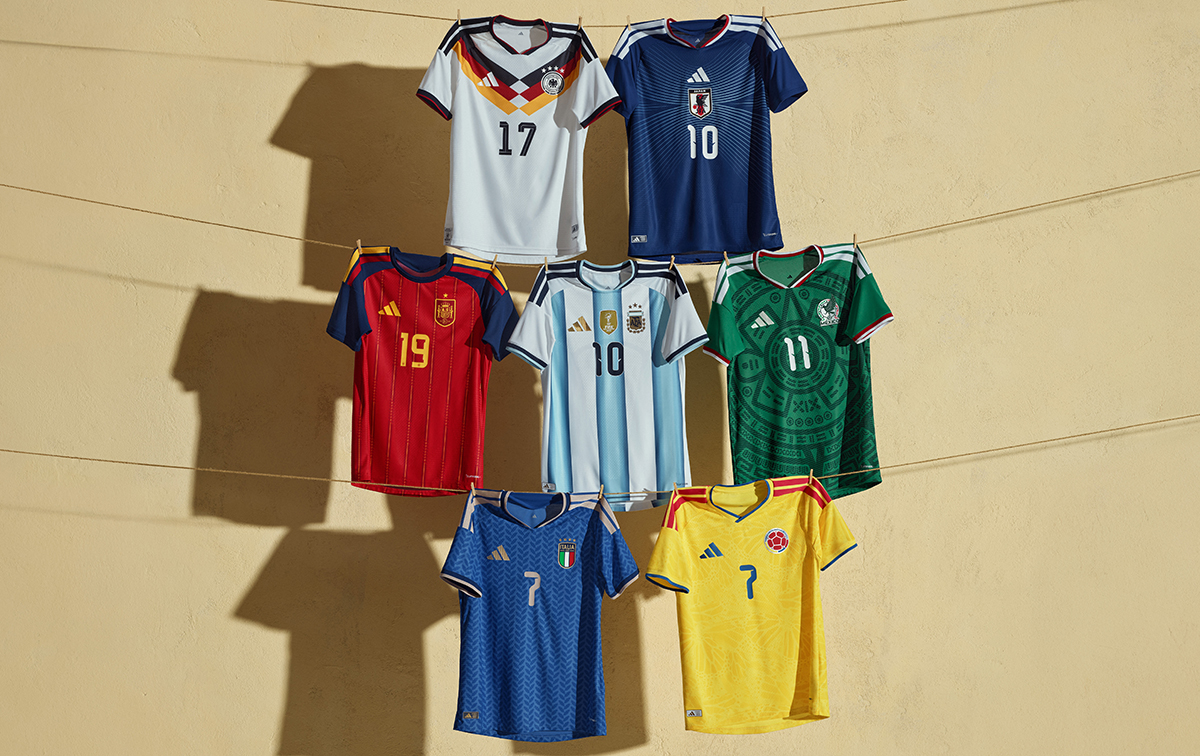
When are the kits for 2026 World Cup released?
Adidas released the first home shirts for the World Cup in November 2025, with World Cup 2026 kits emerging steadily ever since.
Puma and Nike joined the party and will be represented at the tournament along with Reebok (Panama), Marathon (Ecuador), Kelme (Jordan), 7Saber (Uzbekistan) and Saeta (Haiti).
There are plenty of nations whose kits have been released now, with less than a month before the tournament. We can't wait to see what else is yet to come.
Watch World Cup 2026 on TV
The World Cup is one of the biggest media events on the planet and a goldmine for the tournament's official broadcasters around the world.
In the UK, that means the BBC and ITV. But which broadcasters will be showing the World Cup in the rest of the world?
Here's the full rundown of World Cup 2026 broadcasters:
Watch World Cup 2026 at the pub
If the World Cup is a communal experience for you, watching matches at the local watering hole is likely to become a regular pastime in June and July.
We've been doing our research – somebody has to – and come up with FourFourTwo's picks of the best pubs in Britain for World Cup viewing.
There's a website, address and phone number included for each one and we've even made a map view of them all. Alternatively, you can search the entire list for a top World Cup boozer near you.