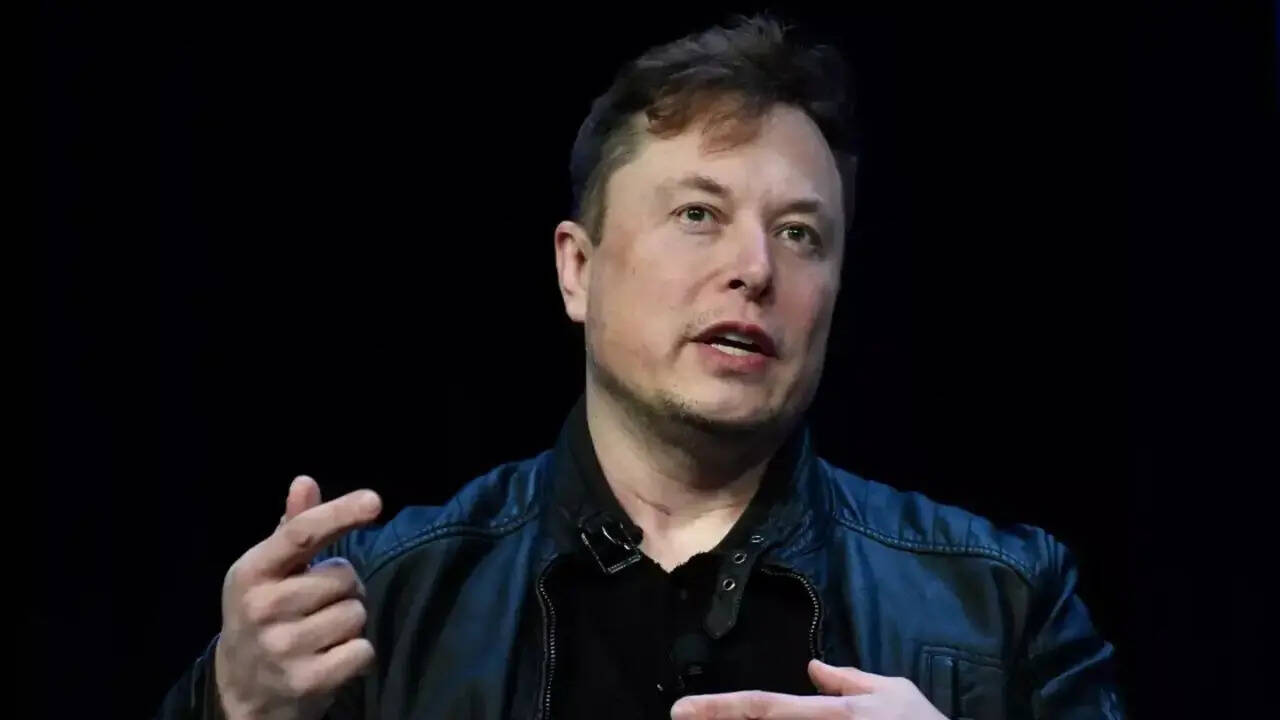
Elon Musk has never been shy about stretching timelines or expectations, but his latest comment about SpaceX lands on a scale that makes even the most optimistic market forecasts look restrained. Elon Musk’s writing on X in response to a Morgan Stanley projection, he suggested the company could be pulling in around a trillion dollars a year by 2030, a figure that sits far beyond what analysts currently sketch out. The remark came in the middle of a broader wave of projections, valuations, and investor commentary following SpaceX’s recent public listing. Between ambitious internal targets and Wall Street modelling, the gap is starting to look less like a difference of opinion and more like two entirely separate versions of the same company’s future.
Get breaking news anytime, anywhere. Download the TOI app now!
Elon Musk’s $1 trillion claim amid rising valuation pressure
The public debut of SpaceX has already pushed it into unusual territory for a space-focused business. The scale of the valuation has also reshaped the perception of Elon Musk himself. Based on the value of his holdings after the IPO, he is now described as the first person to cross the trillionaire threshold. It is a label that sits uneasily alongside the company’s own financial disclosures, which still show losses and heavy capital demands rather than steady profitability.
Inside the same set of documents that accompanied the listing, SpaceX’s recent financials read more like a company still scaling its industrial base than one approaching maturity. According to the recent X (Formerly Twitter) post, revenue reached $18.7 billion in 2025.