
There's a lot you need to learn if you want to make it as a remixer, but these half dozen bite-sized tips are a great place to start.
Remixing is all about extracting the parts and elements from a track and then rearranging them – and adding new parts of your own – to form a new mix.
Let's get started.
1. Beyond pitch and time
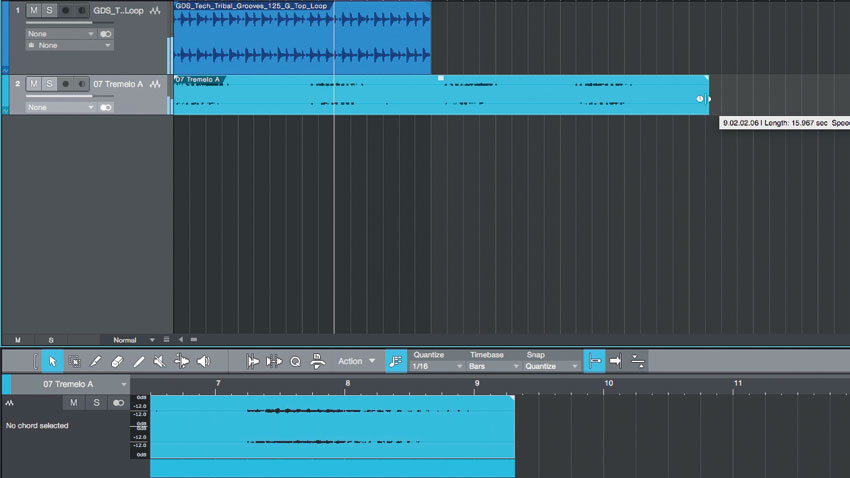
Timestretching, pitchshifting and contorting audio and MIDI tracks to fit with chords are essential skills for remixing and bootlegging. Take the time to learn how your DAW handles these tasks and investigate the many plugins out there designed to make everyday remix chores even easier.
2. Layer by layer
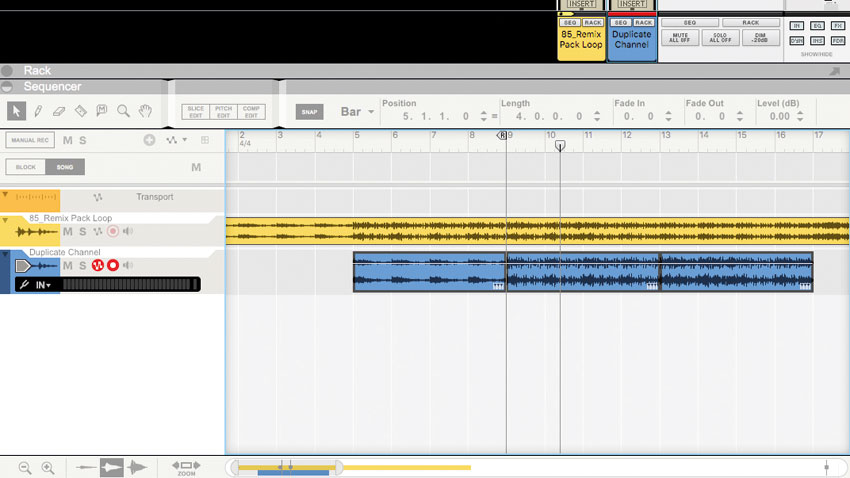
If a track’s made up of layers, with one new element added every few bars, there’s a chance you’ll be able to duplicate the channel and use phase inversion to isolate elements from each other.
That's to say that you can take a sample of audio from an earlier part of the track then phase invert it alongside the next part of the track. The two 'original' samples will then magically mute each other out, leaving only the audio of the new addition.
This is a great technique for extracting vocals or new synth parts ready for further use or manipulation elsewhere in your remix.
3. Straight down the middle
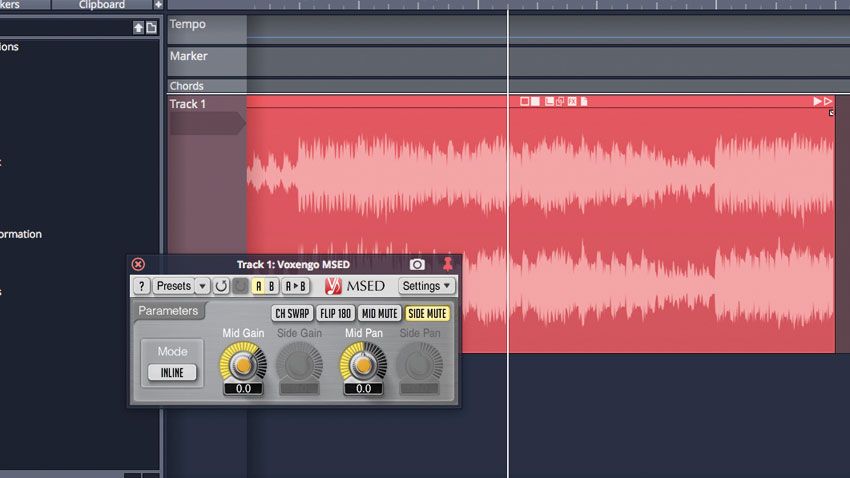
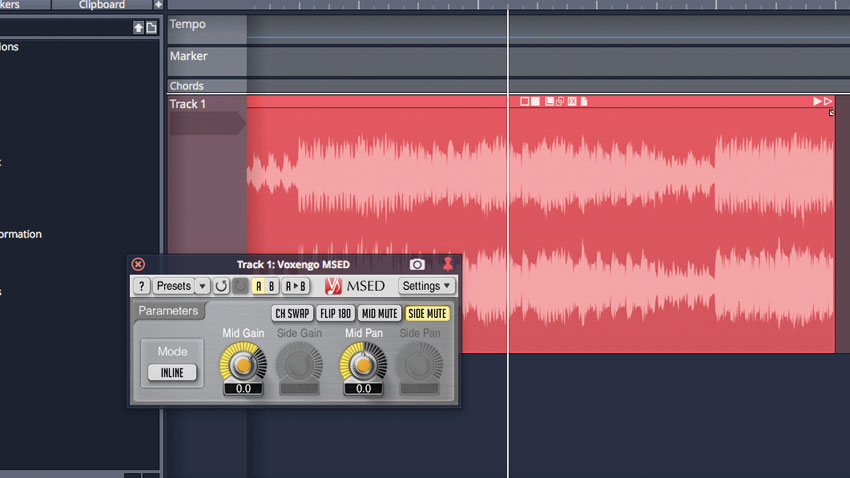
With a mid/side plugin like Voxengo MSED, you can mute the mid or side signals, helping isolate certain elements of the mix.
The mid information comprises any audio that’s exactly the same in both speakers at any given point (mono), whereas the side signal represents what’s different in both speakers. The point being, as you’ll see, certain mono elements can be extracted from stems or full tracks.
4. Sound conversion
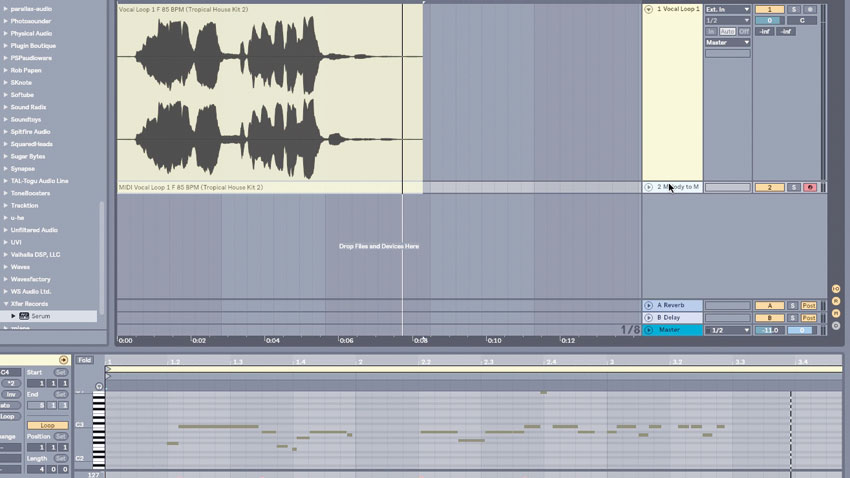
Many DAWs have some form of Audio to MIDI conversion, meaning you can take an audio file and spit out a MIDI representation of it. Naturally, this is great for remixing, helping you quickly layer or replace recorded parts with virtual instruments.
Want to replace one sound with another? This is how you do it: Turn the audio into MIDI, then use that MIDI track to drive your own synth sound or sample.
5. Beats working
Getting a great drum sound is an essential part of making a great remix.
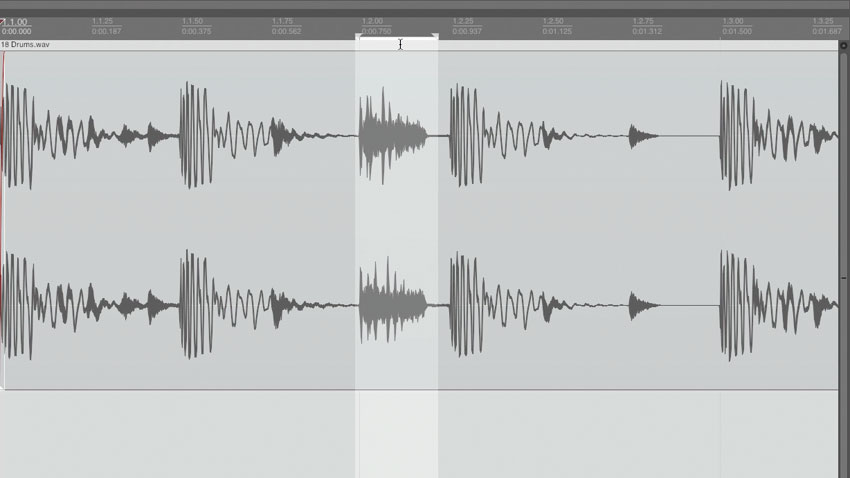
Listen through your work-in-progress mix to find individual hits you can chop out and lift. Load them into a sampler or arrange them on a track and create your own rhythm additional rhythm tracks with all the polished pro-quality sound of the original source.
You can also isolate individual hits from a full beat using phase-inversion, mid/side processing and manual or automatic slicing. Again, look into your DAW’s particular tools in this department, as each has its own ways of doing things.
6. Groove is in the art
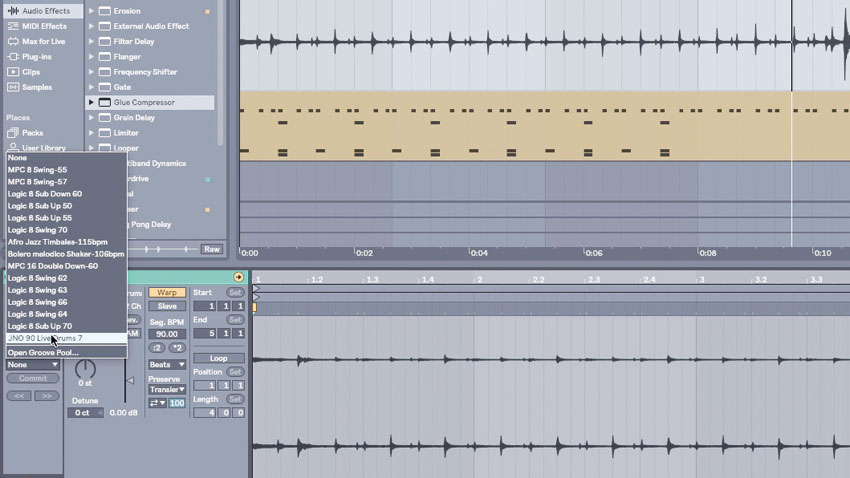
Groove templates let you steal the exact feel (ie, the detailed timing and dynamics) of an original piece of audio. By imprinting the exact swing or ‘groove’ of the track you're remixing onto your own audio and MIDI clips, you can make your re-imagining feel a little more authentic.
It's therefore possible to extract the feel and timing of one track and totally superimpose it onto another. Or give your lifeless work-in-progress track a whole new lift by 'borrowing' the timing and feel of someone else's success.