It has been nearly three months since Donald Trump and Benjamin Netanyahu launched their war on Iran, a conflict that quickly spiralled into an international crisis due to Iran’s control of the Strait of Hormuz.
A Pakistani delegation was in Tehran on Friday to discuss the latest proposals to end the war, just as Washington insisted there had been “good signs” in recent talks.
But even as Islamabad tries to stoke peace talks, insiders suggest key issues remain unresolved and oil prices continue to climb as investors doubt the prospect of a real breakthrough.
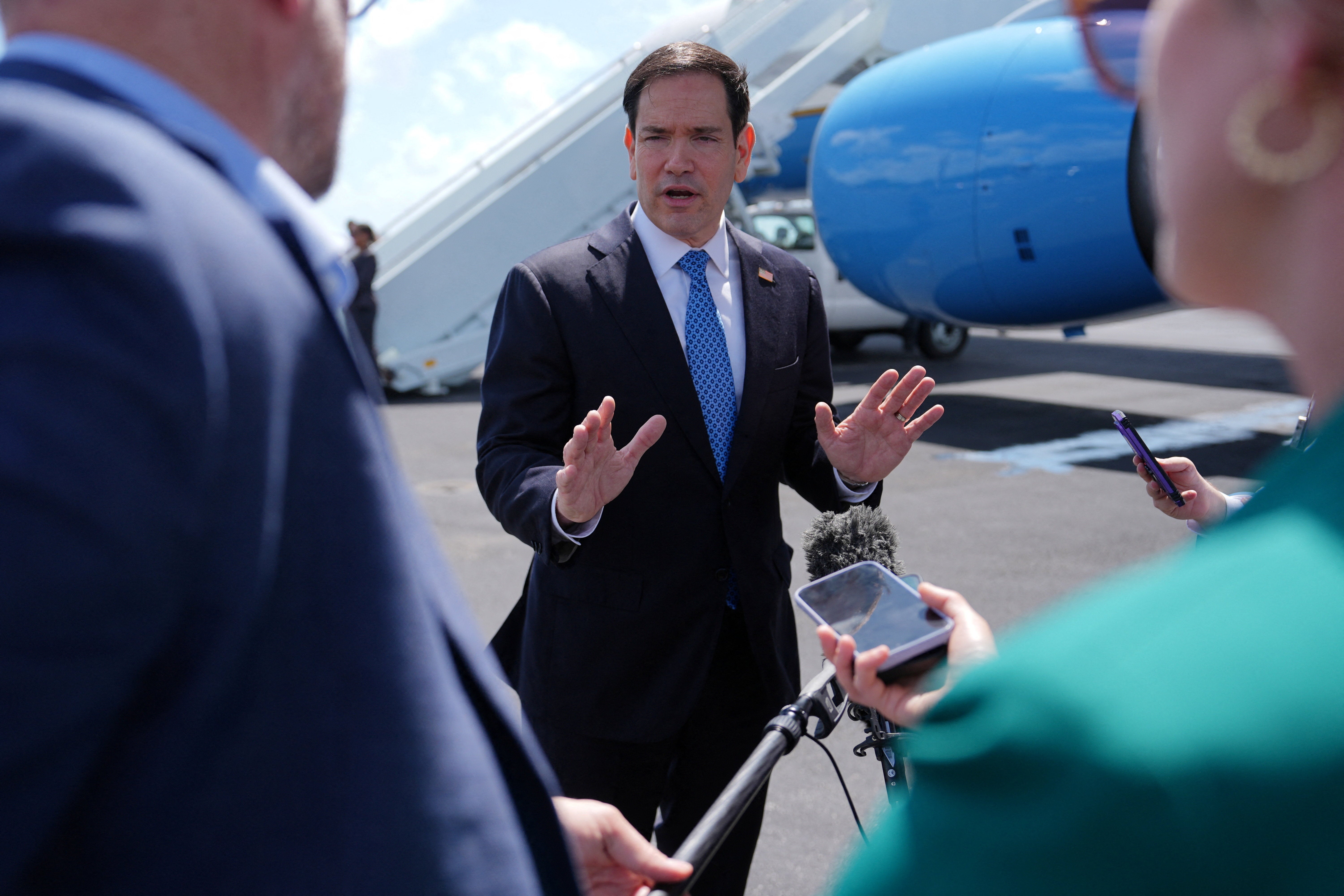
US secretary of state Marco Rubio told reporters on Thursday that he didn’t want to be “overly optimistic”, as there could be no solution if Tehran pursues a tolling system in the Strait of Hormuz.
A senior Iranian source said that while the gaps have narrowed in discussions, uranium enrichment and the Strait remain among the obstacles to an agreement.
Trump has said he is ready to resume strikes on Iran if he does not get the “right answers” from the country's leadership. But the ever-unpredictable president has spent weeks blowing hot and cold on the conflict, one minute threatening the end of Iran’s civilization and the next talking up the prospects of a deal.
As the war in the Middle East approaches its fourth month, The Independent looks at the sticking points preventing a last agreement.
What are the latest demands?
Tehran submitted its latest offer to the United States earlier this week.
The proposal appeared to be better received than previous iterations in Washington, as senior members of the Trump administration said differences between the two sides were narrowing.
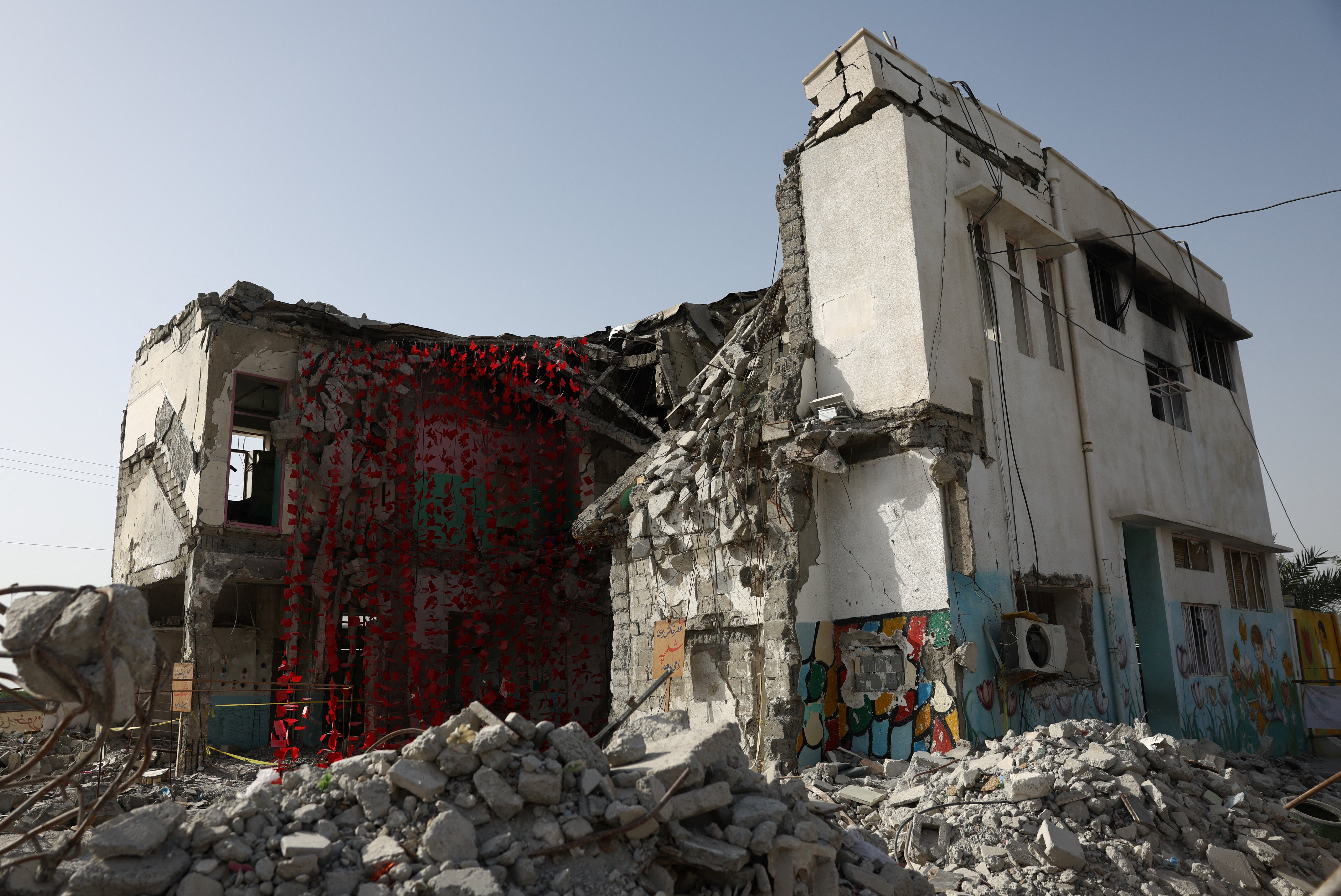
But Tehran’s descriptions of the offer suggests it largely repeats terms Trump previously rejected, including demands for control of the Strait of Hormuz, compensation for war damage, the lifting of sanctions, the release of frozen assets and the withdrawal of US troops from the region.
Trump continues to publicly oppose some of these conditions, but also faces domestic pressure over the war ahead of the November midterm elections.
With Americans angry over the surge in fuel prices and Trump’s approval rating hitting new lows since he returned to the White House last year, the president will be keen to secure a resolution to the conflict soon.
Iran’s nuclear programme
Iran’s nuclear programme is the lingering issue that had troubled American negotiators in talks before the conflict erupted on 28 February.
On the eve of the war, Iran had agreed to convert its existing enriched uranium into fuel, abandoning its stockpiles and committing to “never, ever” hold the nuclear material needed for a bomb, according to Omani mediators.
But 10 weeks on, the demands appear to have changed. A US plan floated earlier this month reportedly proposed a temporary moratorium on enrichment, allowing limited enrichment for civilian use after several years, according to American outlet Axios.
That plan also sketched provisions for the UN’s nuclear watchdog to carry out snap inspections of Iranian sites, while Iran would give up its underground facilities and agree to move all of its enriched uranium out of the country, according to reports.
In return, the US has offered to lift sanctions on Iran and release billions of dollars in frozen funds.
Trump insisted this week that the US will eventually recover Iran's stockpile of highly enriched uranium, which Washington believes is destined for a nuclear weapon though Tehran says it is intended purely for peaceful purposes.
“We will get it. We don't need it, we don't want it. We'll probably destroy it after we get it, but we're not going to let them have it,” Trump told reporters at the White House on Thursday.
Israeli prime minister Benjamin Netanyahu has said he will not consider the war over until enriched uranium is removed from Iran, Tehran ends its support for proxy militias, and its ballistic missile capabilities are eliminated.
But Iran has so far retained its stockpile of near-weapons-grade enriched uranium, and its ability to threaten neighbours with missiles, drones and proxy militias.
Two senior Iranian sources told Reuters before Trump's comments that Iranian Supreme Leader Ayatollah Mojtaba Khamenei had issued a directive that the uranium should not be sent abroad.
The Strait of Hormuz
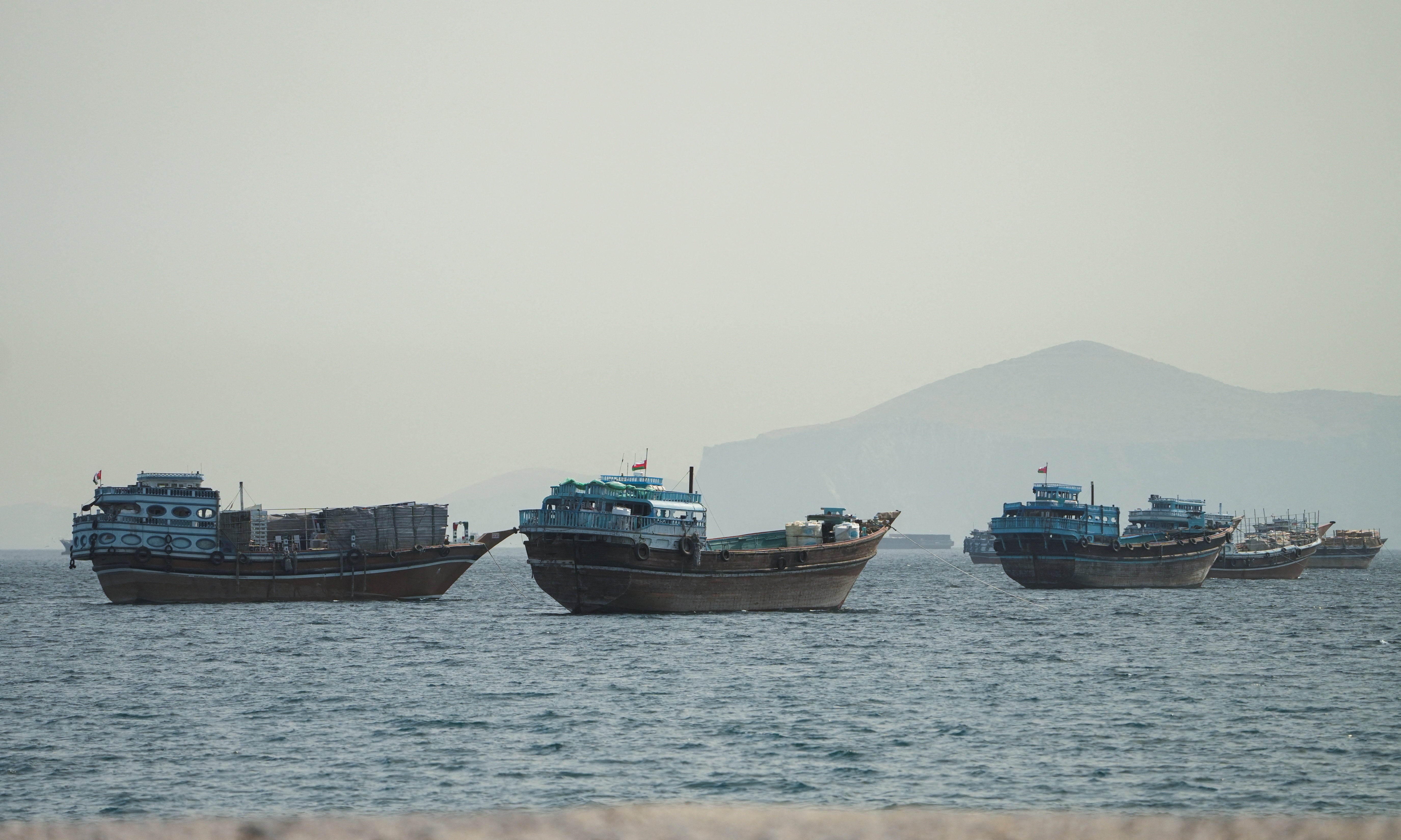
Speaking on Thursday, Trump also railed against Tehran’s intentions to charge fees on ships using the Strait of Hormuz.
“We want it open, we want it free. We don't want tolls,” Trump said. “It's an international waterway.”
The closure of the Strait through the war has created massive disruption to a vital channel of commerce that ordinarily carries a fifth of global oil and LNG. Iran has floated plans to continue charging some $2m for tankers post-war.
The UN Convention on the Law of the Sea says countries bordering straits cannot demand payment simply for permission to pass through.
But Iran has said it aims to reopen the strait to friendly countries that abide by its terms that could potentially include fees.
It emerged on Thursday that Iran and Oman have reportedly held discussions on enforcing a permanent toll on the Strait of Hormuz, despite Donald Trump’s warnings.
People familiar with talks told the New York Times that Oman has come around to the idea of sharing revenues from ships crossing the Strait.
“It would make a diplomatic deal unfeasible if they were to continue to pursue that. So it's a threat to the world if they were trying to do that, and it's completely illegal,” Rubio said.
A ceasefire for Lebanon
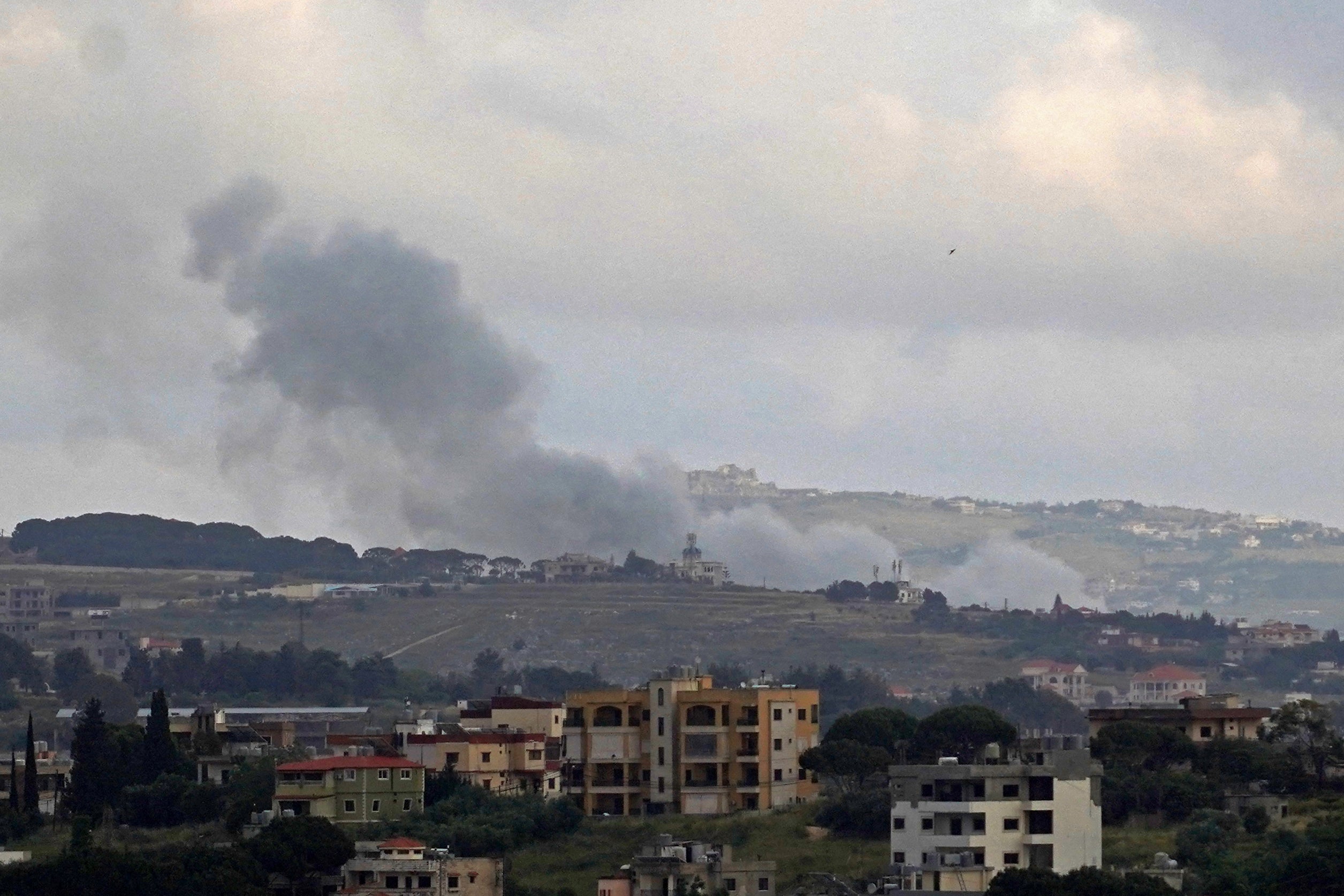
Iranian state media reported earlier this month that Tehran was insisting upon the need to end the war on all fronts, especially in Lebanon, where proxy group Hezbollah continues to clash with Israeli forces.
Fighting has continued in southern Lebanon between Israel and Hezbollah, despite a US-brokered ceasefire there announced on April 16.
An end to hostilities with Iran would not necessarily bring an end to the war in Lebanon, Netanyahu said in a ‘60 Minutes’ interview previously.