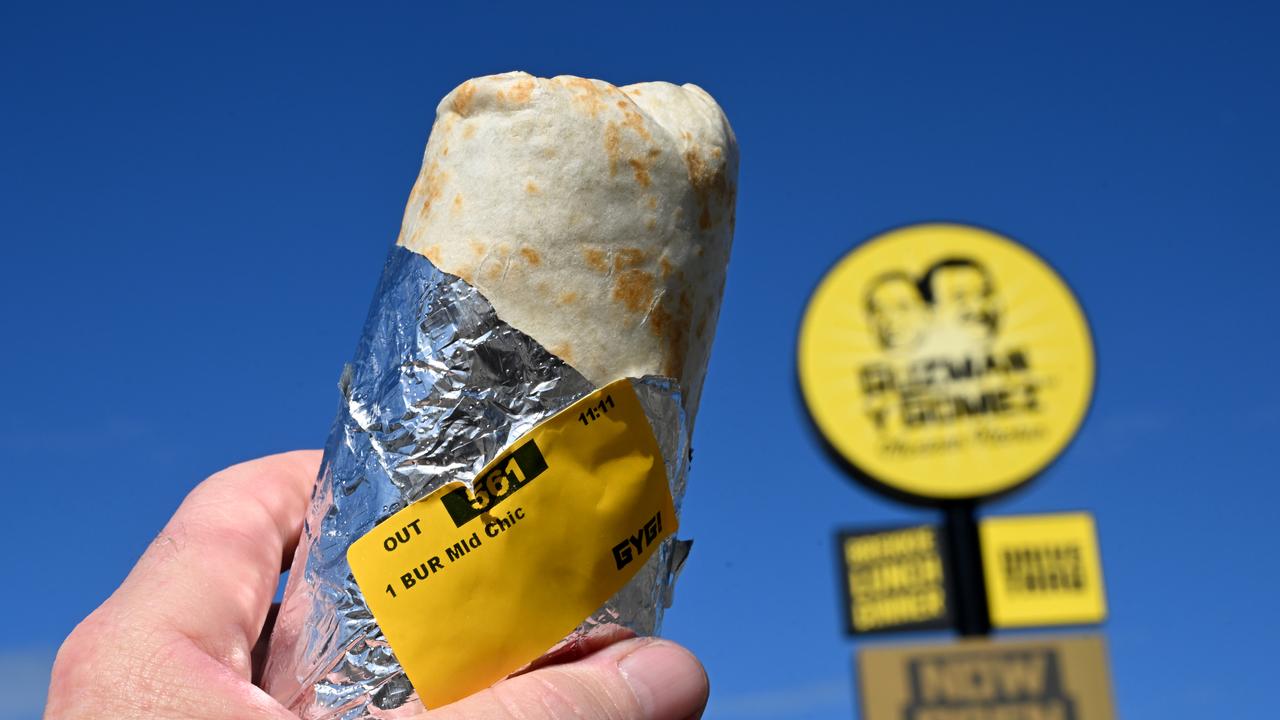
A popular Mexican-themed fast food chain has become the latest Australian company whose dreams of cracking the vast American market have ended in failure.
Guzman y Gomez is closing eight restaurants in the Chicago suburbs, two years after it raised $335.1 million in a highly touted stock exchange float to fund its global expansion plans.
GYG co-founder and co-chief executive Steven Marks, who just spent three months in the US, came to realise the move into the highly competitive market - where Taco Bell and Chipotle rule - wasn't working out.
"Decisions like today are never easy, but they are the decisions that build generational companies," Mr Marks told an online briefing on Friday.
The company's US food and guest experiences were superior to Chipotle and second to none, Mr Marks claimed, but it had also made mistakes.
"I can tell you all the lessons learned on real estate. Did we pick the right city? Did we start with the right real estate strategy?"
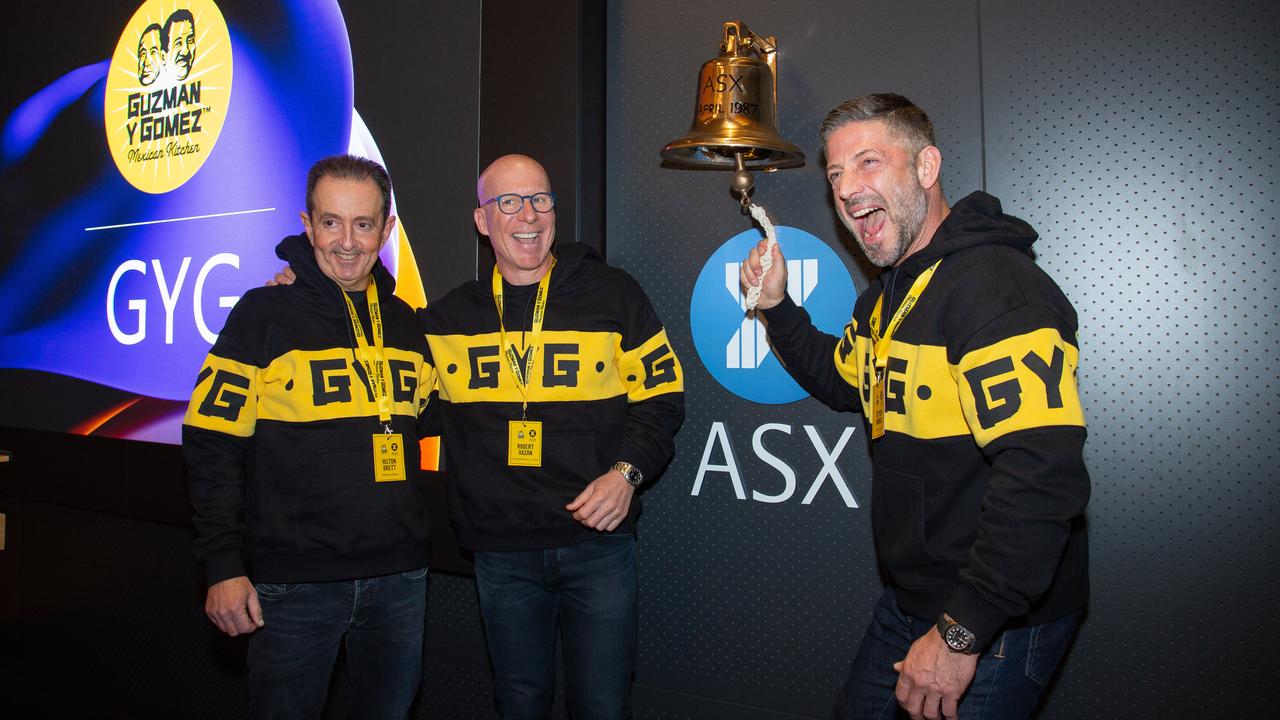
GYG was founded in the Sydney suburb of Newtown by Mr Marks and Robert Hazan in 2006, a few years after they immigrated to Australia from the US.
The childhood best friends opened their first US restaurant in January 2020 and spent millions on the failed expansion.
GYG expects the US exit to impact its bottom line by between $US30 million to $US40 million ($42 million to $68 million), including cash costs of up to US$15 million ($21 million).
Josh Gilbert, eToro's lead APAC analyst, said the one-off charge looked ugly, but investors would generally reward a decisive call over a slow bleed.
"What markets don't forgive is open-ended losses with no end in sight, and that's what the company's US operations had become," Mr Gilbert said.
"The market has been crying out for a clear pathway to profitability, and closing the US restaurants removes a persistent drag on capital and lets management focus on the business that's actually working."
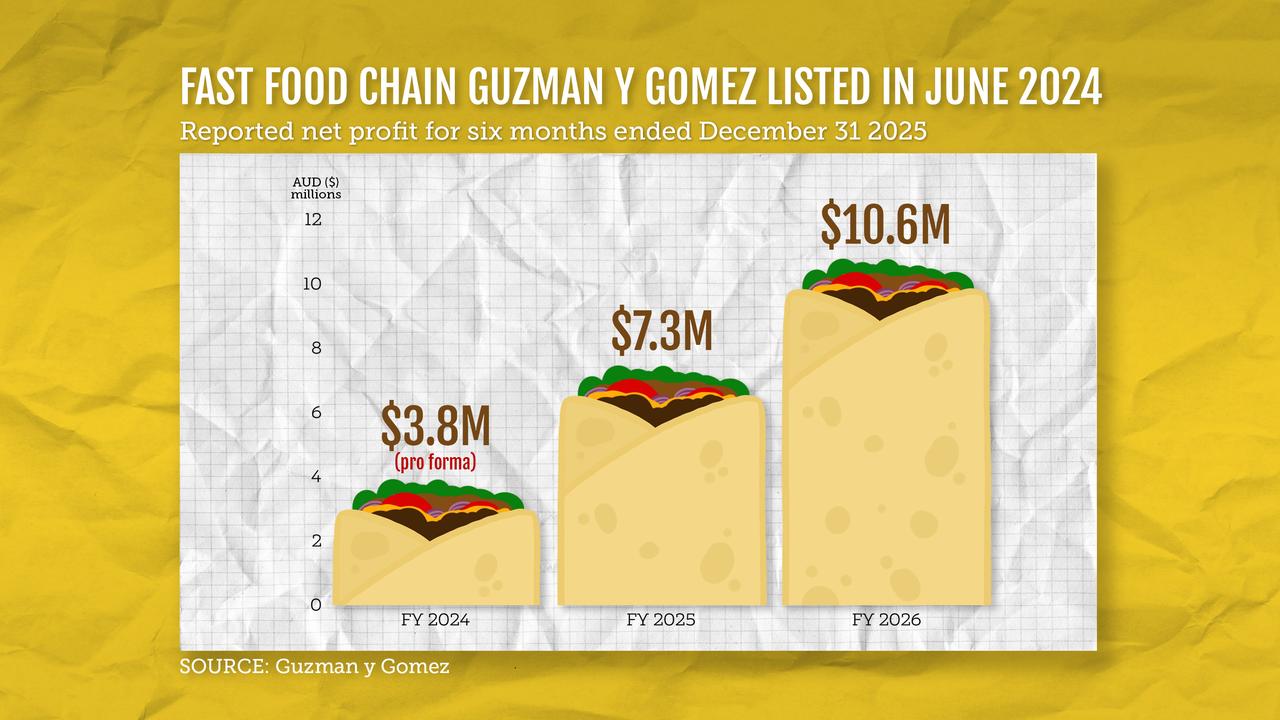
In February, GYG reported a first-half net profit of $10.6 million, but its US operations turned an $8.3 million loss, up from a $5 million loss a year ago.
Mr Marks told analysts the company's earnings profile would improve materially on the US pullout, and shareholders should expect higher dividends and a resumption of a share buyback program.
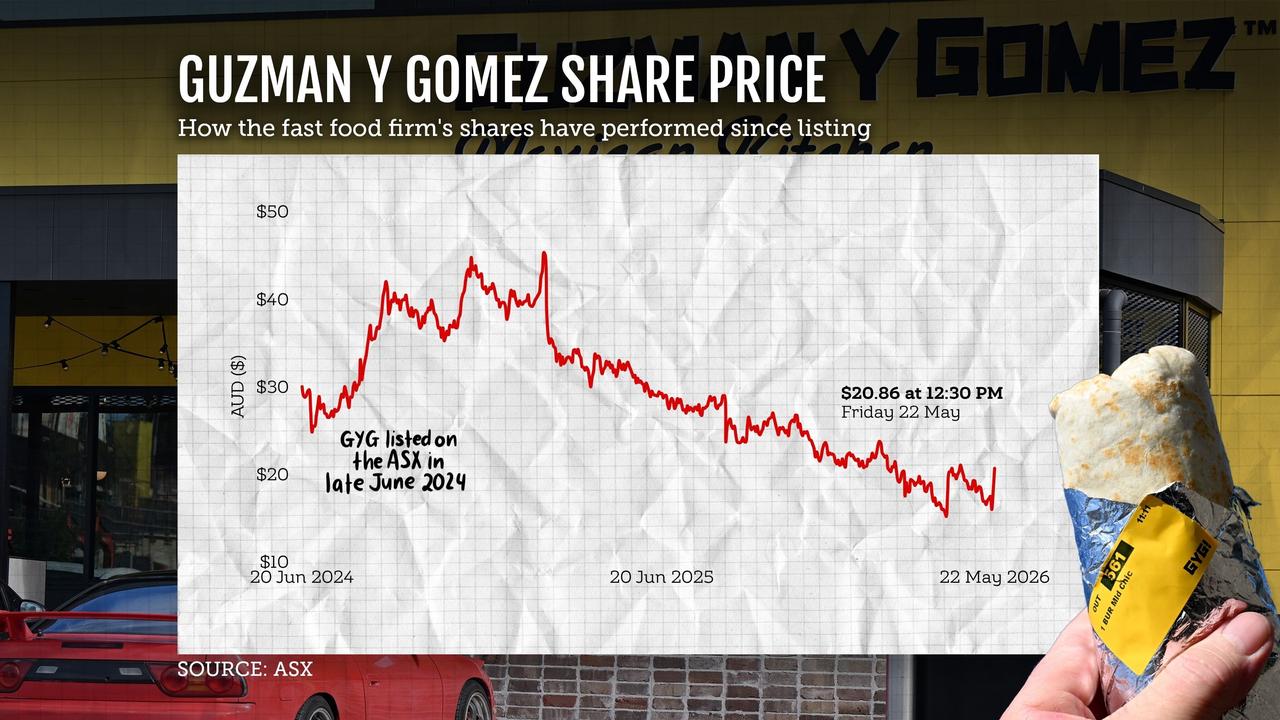
Shareholders applauded, with GYG shares surging 13.6 per cent to $20.54 by midday on Friday, after peaking at $21.80 earlier in the day.
That still leaves them down 4.8 per cent year-to-date and under the $22 initial public offer price in mid-2024.
RBC Capital Markets analyst Michael Toner said the US business had very little prospect of success and was weighing down earnings, so the exit was a positive.
Jason Pohl, a partner at ECP Asset Management, said the Sydney-based investment firm had owned shares in GYG since 2024, and its belief in the chain hadn't changed.
"We said a while ago that the worries hanging over the stock were overdone and that the real story was always the Australian business. Today backs that up," he said.
GYG's Australian operations have genuinely strong economics and a long growth runway, Mr Pohl added.
It's on track to open 32 new restaurants in 2025/26.
The company had 242 restaurants in Australia as of April, with a long-term target of 1000 stores.
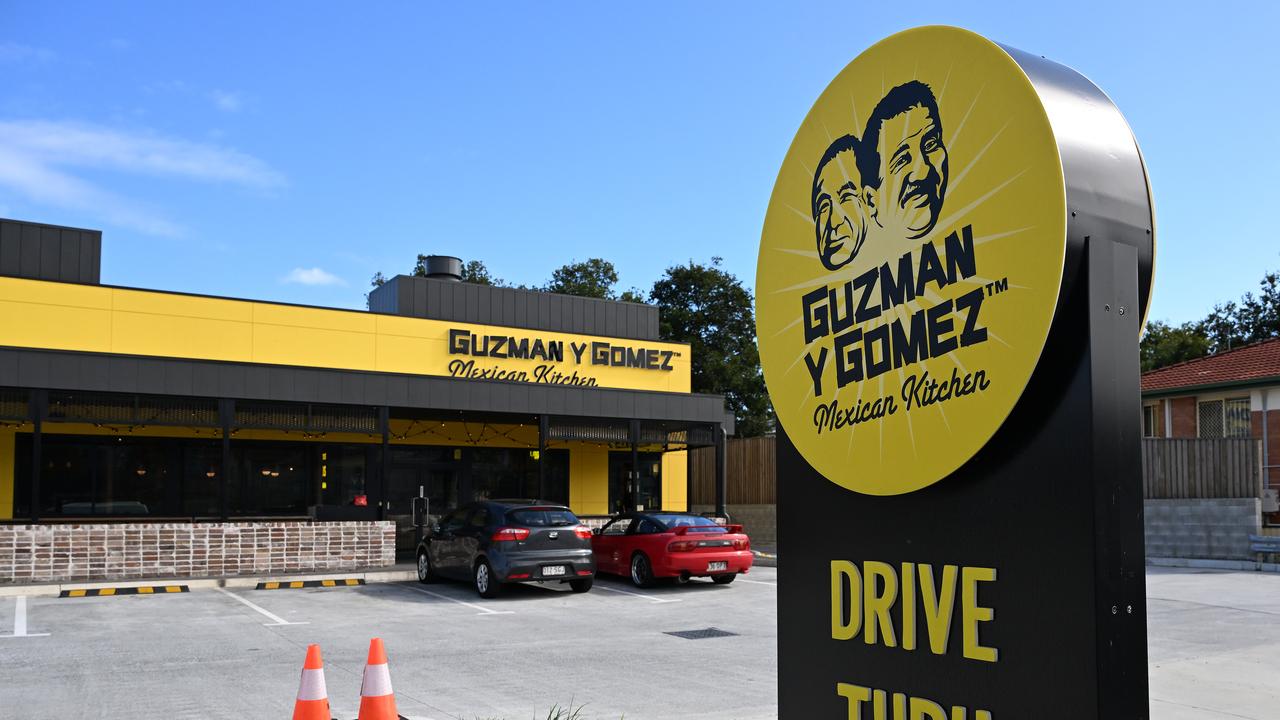
It also has franchises in Singapore and Japan, and Mr Marks told analysts that the company still believed it could expand internationally.
"When those opportunities arrive, we will be ready," he said.
"Today's decision is not a statement about GYG's global potential."
For now, it's joined the likes of National Australia Bank, Billabong, Pie Face, Michael Hill and Lendlease on the list of successful Aussie companies that couldn't crack the US market.