
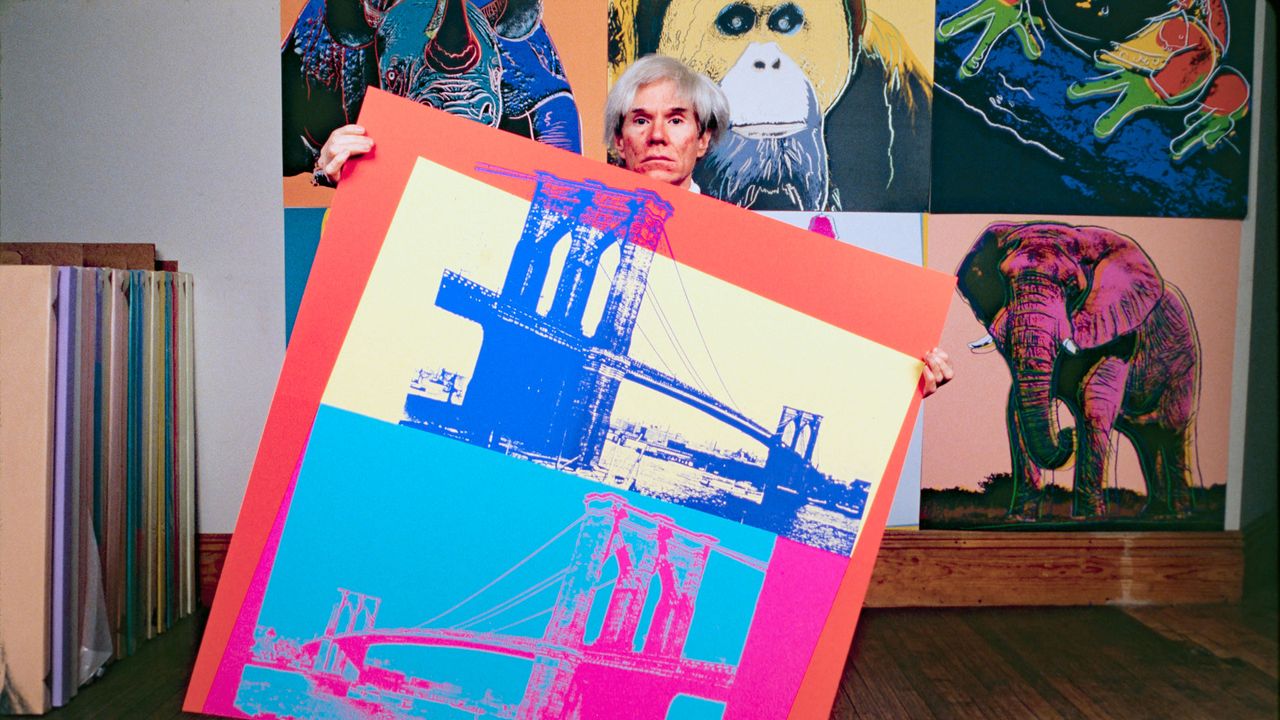
Andy Warhol called his studio The Factory. Between 1962 and 1968, it produced silkscreens, films, sculptures and 'happenings' at a scale no single person could have made alone. Warhol didn't run the presses but he decided what was worth making, what got signed, and what went on the walls of the rich and famous. The judgment was his but the execution was outsourced. This worked because he had spent years as a commercial illustrator developing the eye that made his taste and judgment worth trusting.
Rubens ran a painting factory in Antwerp in the 1600s. Raphael had a workshop producing work to his direction before he was thirty. Separating inspiration and direction from execution is not a new arrangement. It is how the best creative work has always scaled.
AI has changed one thing. It has moved to an execution-first model. Junior creatives are now running design factories before they have developed their eye and their ability to argue why one thing is better than another. The result will be a cascade of AI slop. The methodologies for fixing this are older than any of us. Here is what the Masters did, and how to apply it now.
Learning taste and judgement from the Masters
1. Train your eye

When Josef Albers brought the Bauhaus methodology to Yale after the Nazis closed the school in 1933, he made students study colour relationships for weeks before they were allowed to apply them. The Bauhaus Preliminary Course produced multiple iterations of the same exercise, not to make something good, but to train the eye to notice why one thing worked and another didn't.
Pick one piece of work every day, something you admire or something that bothers you, and work out why it does what it does. CB's guide to improving your graphic design skills is a useful starting point.
2. Learn to argue your corner
Paul Rand taught at Yale for thirty years and his critiques were not comfortable. He asked questions that weren't easily answerable and kept asking until the student found the answer themselves.
Find someone who will ask you why and won't accept 'I just felt it worked.' If you can't find that person, critique yourself. CB's piece on the critiques that changed designers' careers is worth reading.
3. Learn from bad work
Massimo Vignelli was as interested in bad design as good design, because understanding why something doesn't work builds the eye faster than accumulating things you admire. Most inspiration folders are full of successes. Keeping track of what doesn’t work and why will help you learn faster.
4. Teach what you know

Paul Klee taught at the Bauhaus while producing some of the most distinctive work of the twentieth century. Teaching and making were inseparable for him because explaining what he did sharpened his understanding of why he did it.
Mentor a junior, run a critique, write about why something works. You don't fully understand your own judgment until you have to put it into words for another person. This guide to giving and receiving creative criticism is a practical starting point .
5. Never stop learning
Hokusai said that nothing he made before the age of 73 was worth much, and that he hoped to finally understand something of the truth of things by 90. He died at 88, still drawing.
The development of the eye doesn't have a finish line, which means the commitment to developing it is the thing, not the destination. If you want formal structure, both RISD and the Royal College of Art have introduced programmes addressing creative judgment in the age of AI. Neither is cheap and both are aimed at people with an existing career. For the rest of us, there is plenty that you can do to stand out with no budget.
Warhol, Rubens and Raphael didn't stumble into having the eye. They built it, and then they built a factory around it. As Jessica Walsh from &Walsh puts it, the most valuable skills right now aren't about being the fastest makers but about being the strongest editors, curators and thinkers. The methodology for getting there has been available for hundreds of years.
6. Step up to being a director
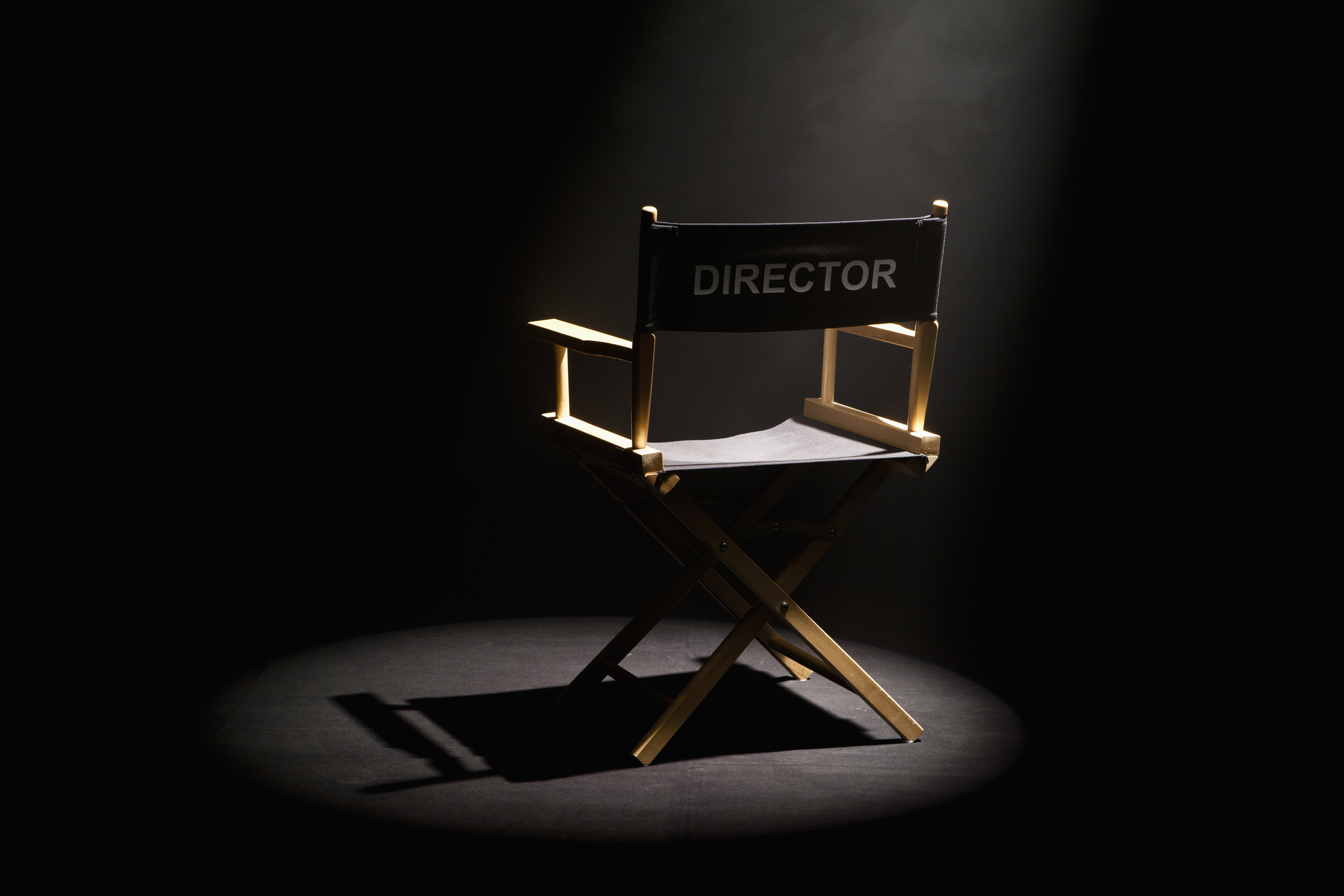
If you're an early-career creative: Every studio will measure you on speed and output first, but that's not what will make you stand out. The creatives who move from making to directing are the ones who can understand why something works, or doesn't, and can articulate it well.
If you're a senior creative or creative director: You have something the juniors in your studio don't have yet, which is years of accumulated experience. Run critiques, ask why out loud in reviews, and show your reasoning rather than just your decisions. The people in the room are learning how to direct by watching you, whether you're aware of that or not.
If you're a studio lead: The shift from execution to direction isn't going to happen by itself. If your studio's development programme is still built around tools and software, you’ll never stand out. What are you doing deliberately to develop the eye, and is that a key part of how your people grow?
Creative Bloq is now easier to access than ever before with our on-the-go app, which brings you all the content you know and love from our website, but in a super-streamlined design.