Transforming your garden into an eco-friendly oasis has never been easier, thanks to solar technology. By harnessing the sun’s power, you bring a wealth of aesthetic features and practical functions to your yard without increasing your utility bills.
It’s time to think outside the box and realize that solar energy can be used inside and out, and that you don’t necessarily need solar panels on your roof to enjoy its benefits.
With help from solar experts, I share how solar energy can power your yard and bring a wealth of perks without a big upfront spend.
Power without the hassle
“Most people know that opting for solar devices leads to significant energy savings and environmental benefits, but they also provide you with a great deal of flexibility,” says Doug Vernon, co-owner at Saguaro Electric.
“With solar devices, there’s no trenching, no burying wires, no tripping over extension cords, and no need to hire an electrician.”
And he adds that most solar devices are incredibly easy to set up and use, and will last for years with very little maintenance.
How to use solar energy in your garden
1. Outdoor lighting
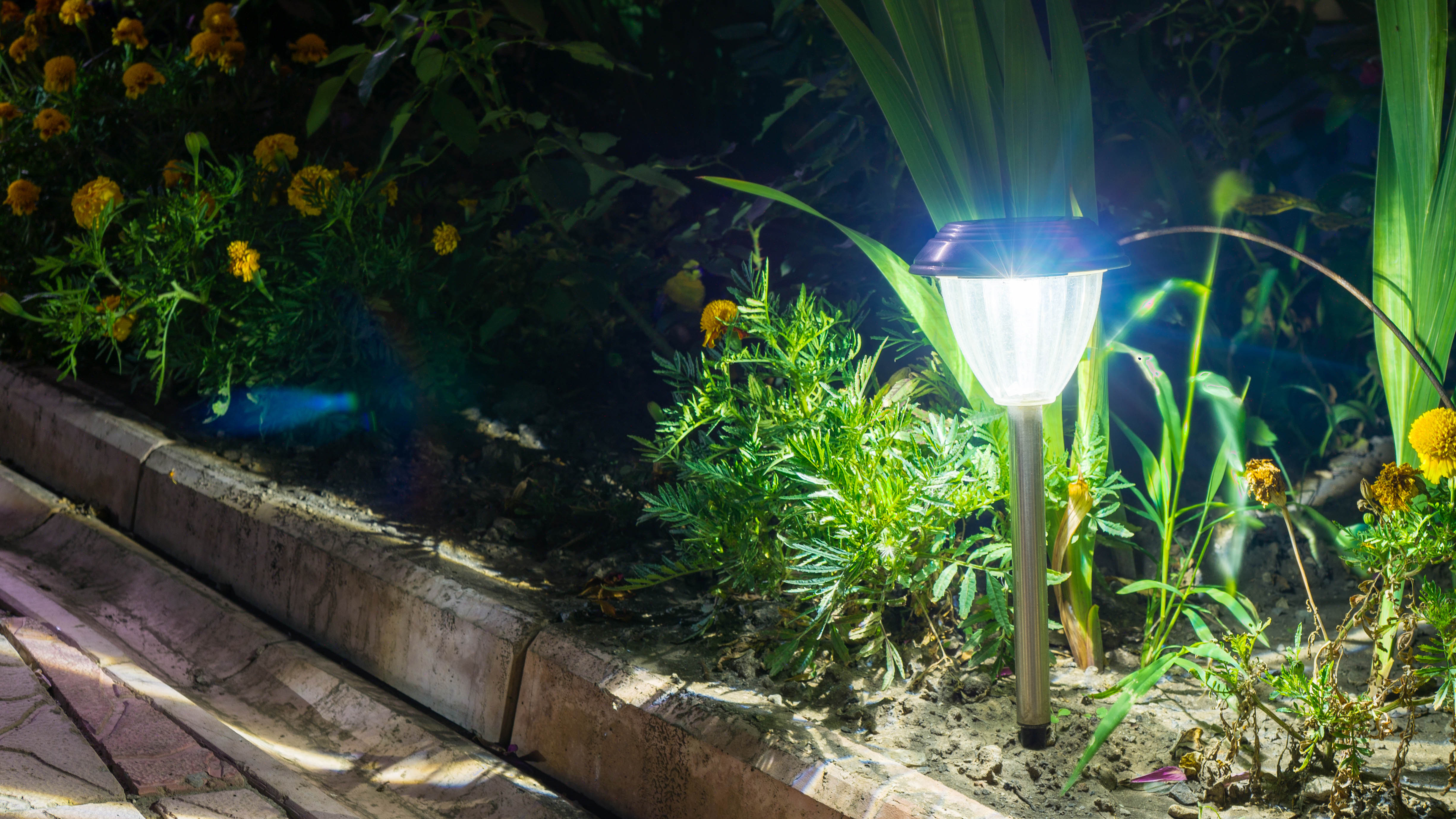
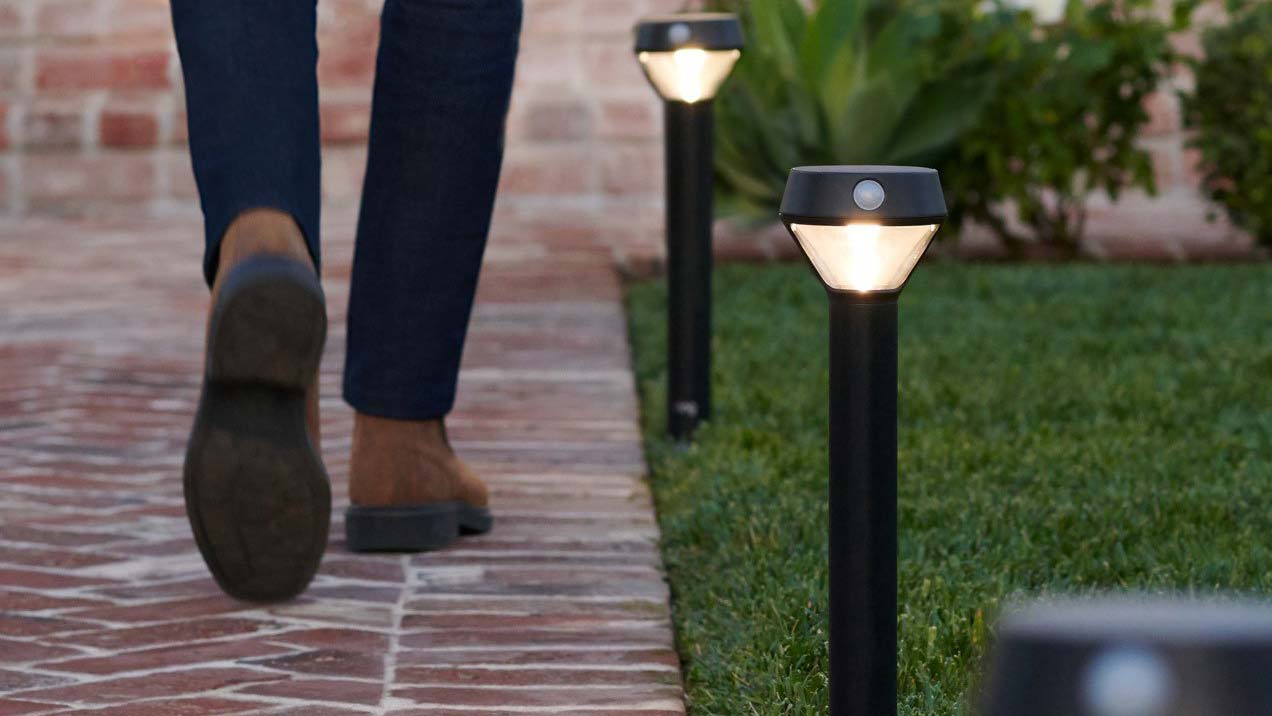
Outdoor lighting is the most common way that people use solar energy in their gardens and outdoor areas. Solar lights can light a pathway, act as security or entryway lights or liven up a patio. What’s more, the most attractive part about installing solar lighting is that it’s a quick DIY project. No electrician required.
2. Water features and pond aerators
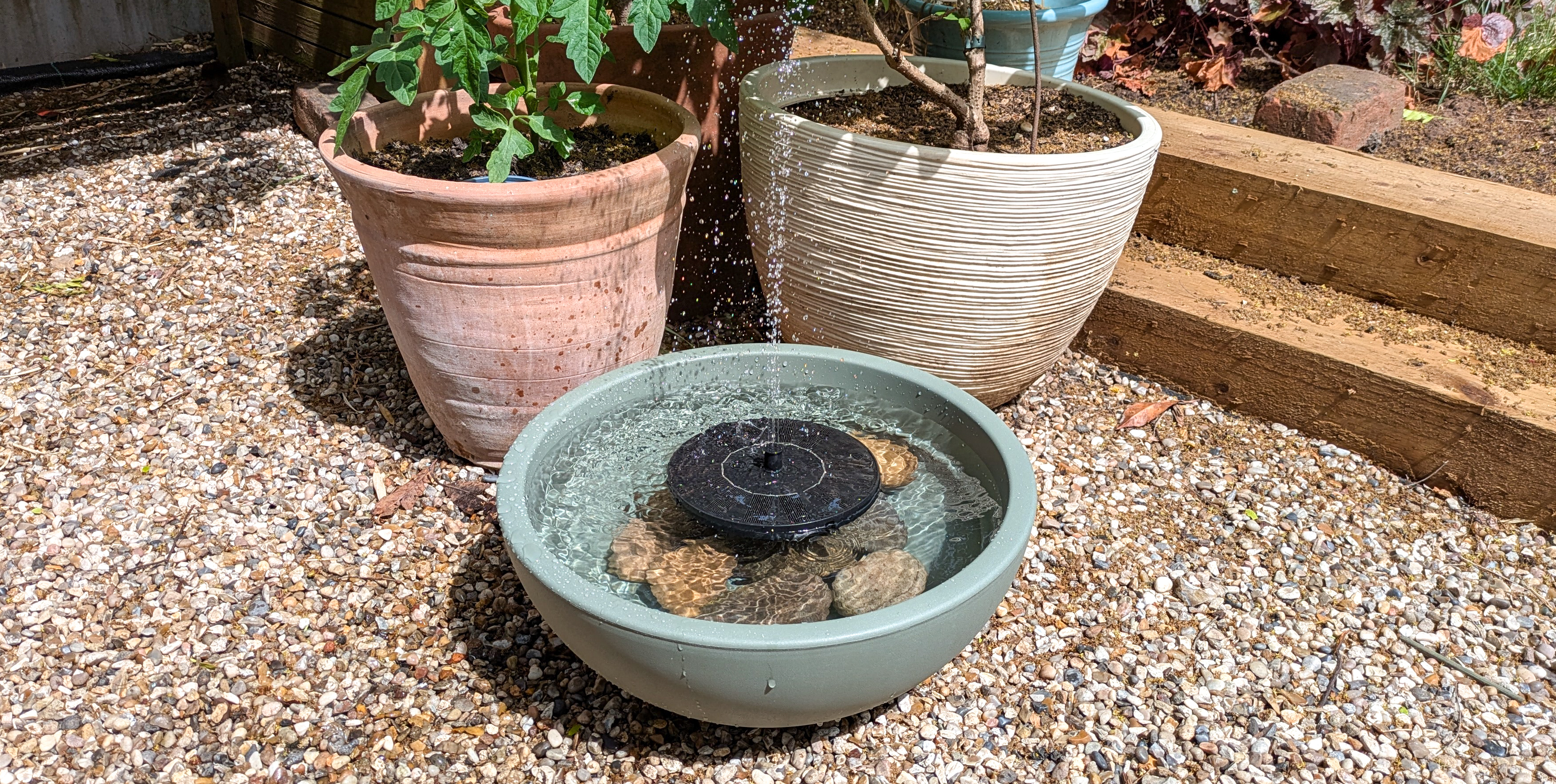
If you thought having a water feature in your backyard would cost a fortune, it's not the case. Solar energy makes installing a water fountain affordable, without the expense or inconvenience of burying electrical wires in trenches.
I recently put together my own water feature, using a circular bowl, a few pebbles, and a solar-powered floating water fountain. The whole project cost me under $40, with the Augta Solar Fountain Water Pump costing just $9.
Apart from decorative water fountains, solar energy can power pond aerators when a fountain isn’t sufficient to aerate deeper water.
3. Irrigation
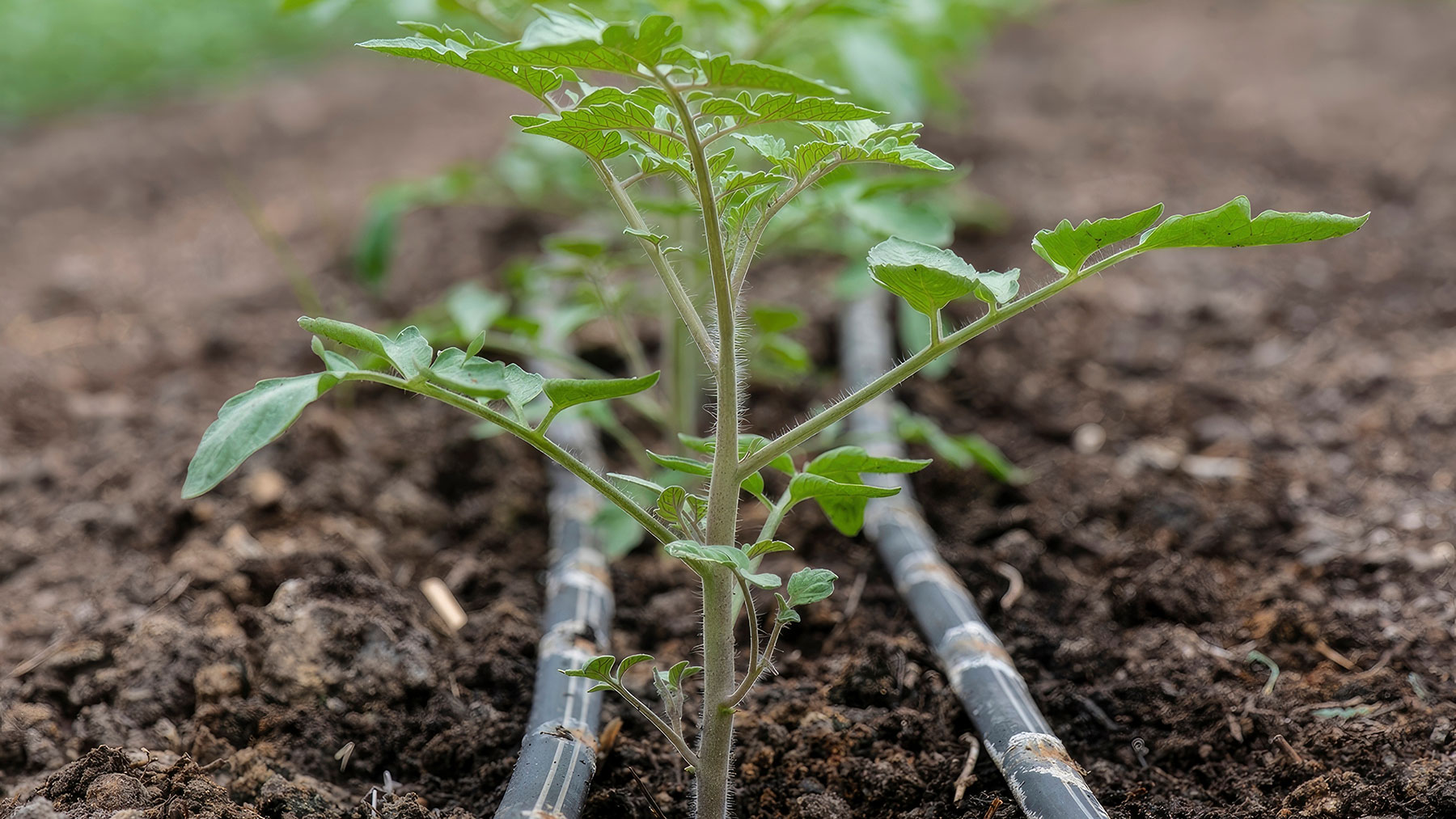
Solar energy can power an irrigation system, pushing water through a pump and a network of drip lines directly to your plants. It’s an excellent way to optimize solar energy and help your plants stay hydrated, especially when you’re away from home or on vacation.
Think about how having a solar-powered irrigation system could keep your tomatoes perfectly hydrated for a bumper crop.
4. A solar-powered greenhouse
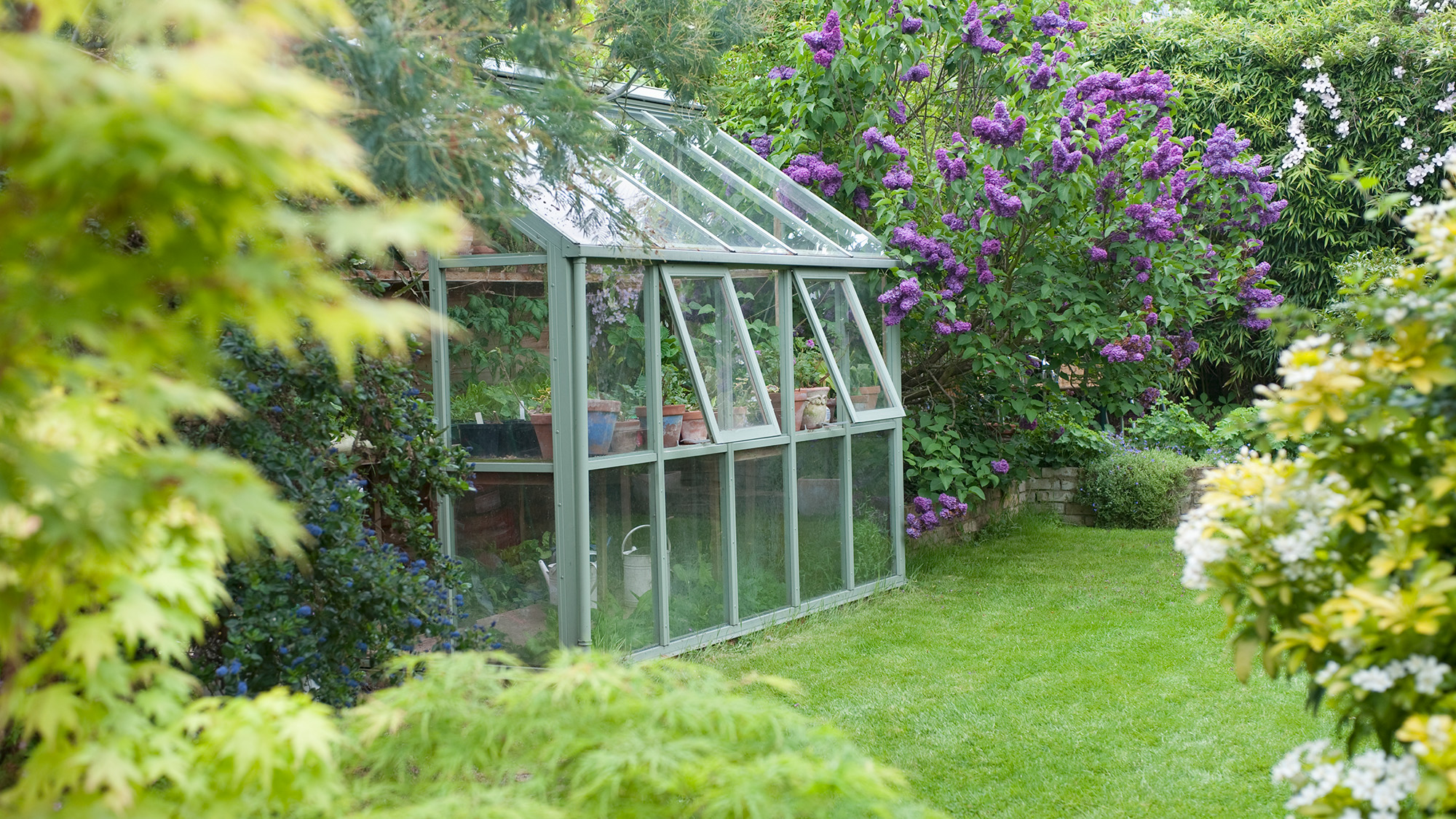
Greenhouses are notoriously energy-hungry, but light and heat are essential for plants to grow. To keep your electricity bill under control, solar panels can be mounted on greenhouse roofs to power ventilation fans, keep your plants cooler on extremely hot days or heat the space during a chill.
Solar energy can also provide lighting and power drip-fed irrigation systems (as already mentioned above).
3 tips when buying solar products for your garden
1. Watch the sun
It's worth taking time to assess your outdoor space before rushing out to buy solar-powered appliances.
"Take the time to track sunlight in your garden area. Solar products need at least six hours of direct sunlight daily to charge. If your garden doesn’t provide that, you’ll wind up disappointed with the runtime,” advises Vernon.
2. Check the battery and weather resistance
When shopping for solar garden products, Vernon also suggests checking the battery and weather resistance. “Only purchase those with high-quality batteries and weather-resistant construction. Any battery will lose capacity over time, but cheaper options are going to degrade quickly and will underperform your expectations,” he says.
You'll also need to consider that solar-powered devices come with some limitations compared to wired options. Vernon explains, "You’re not going to see peak performance during extended periods of cloudy weather and during the winter months when daylight hours are shorter.”
3. Read reviews
To save you from buying an inadequate product with a short lifespan, Alina Enache, co-founder at Lamp Genius, suggests, “Look for branded products that have reviews and, most importantly, a manufacturer’s guarantee of at least two years.”
If you're interested in buying solar lights for your garden, you could check out our best solar lights buying guide.