
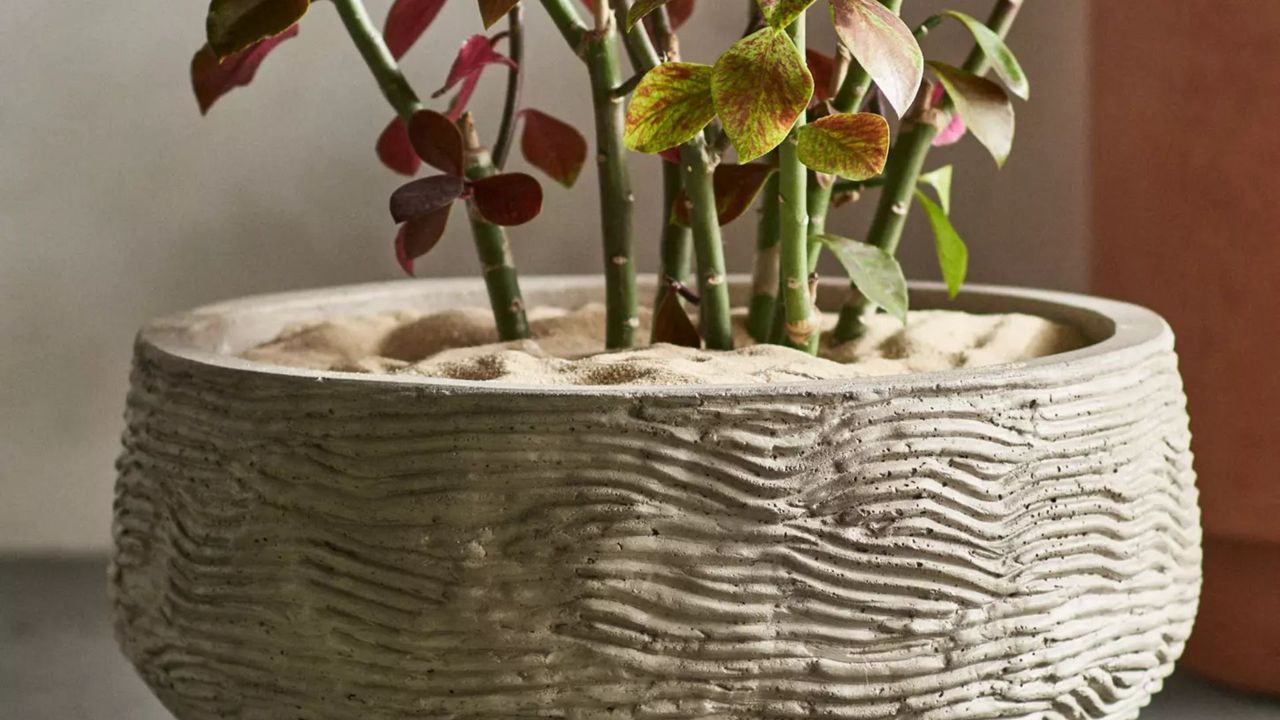
If you look at most contemporary homes with lush displays of interior greenery from serious plant parents, then you might notice a little finishing touch that goes a long way — soil cover.
Known to help indoor gardens retain moisture while acting as a protective barrier from pests, soil cover can also serve as part of the aesthetic. It's all in how you style it and the type you choose.
The experts tell me that ood moss, gravel, pebbles, sand, and Spanish moss are the most common types of soil cover. And here's a closer look at how each type of soil cover impacts your houseplants.
1. Preserved Mood Moss
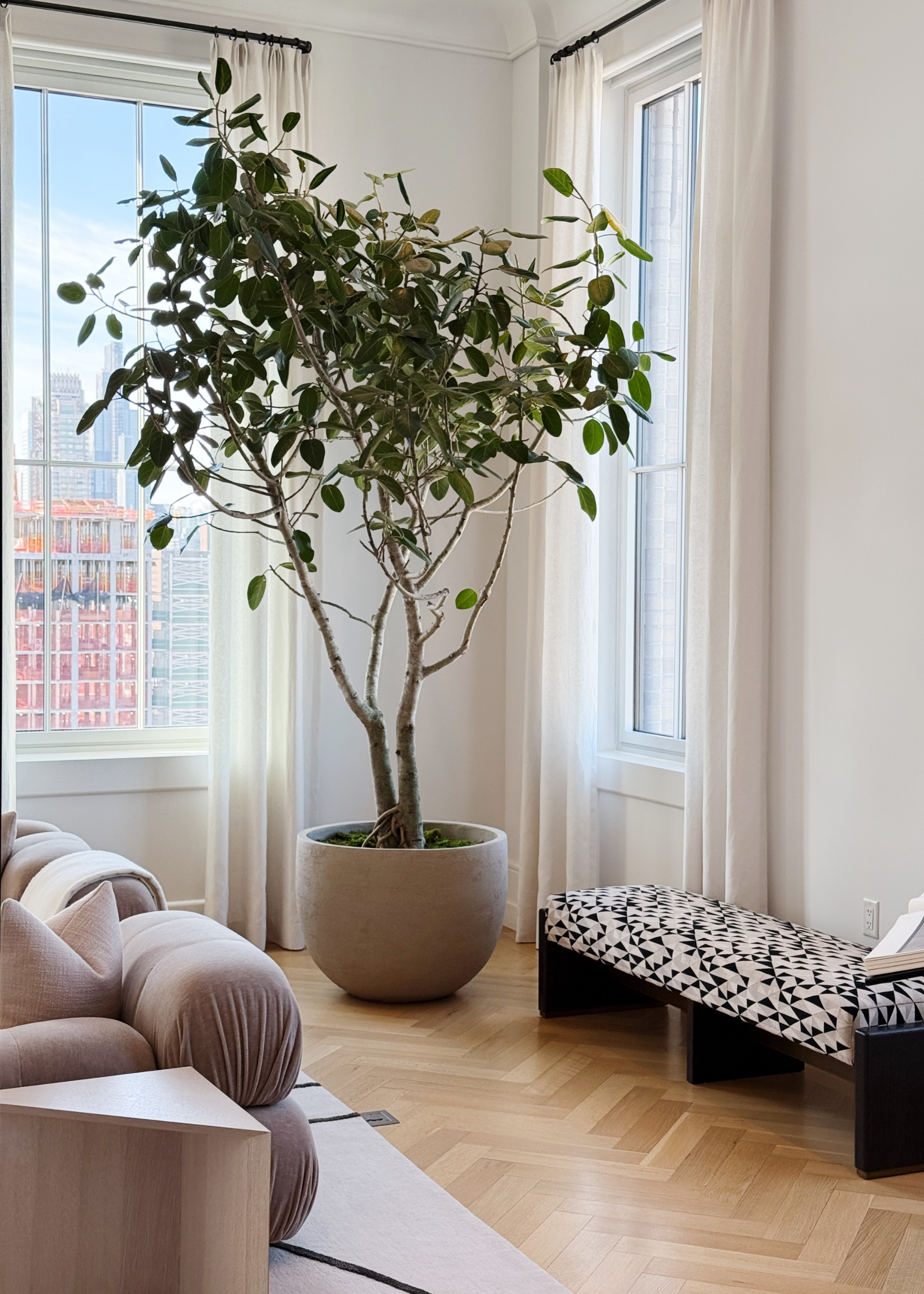
"Preserved mood moss is a dried & dyed moss that naturally has a mounded, round shape," says August Laska, founder of The Old Yew. "It provides a beautiful, green base layer and can help retain soil moisture for those plants that need it."
He goes on to explain that mood moss is also a great solution for hiding plastic grow pots inside larger decorative containers. This Preserved Mood Moss from SuperMoss on Amazon is perfect if you're looking for an extra way to care for houseplants in the summer.
2. Spanish Moss
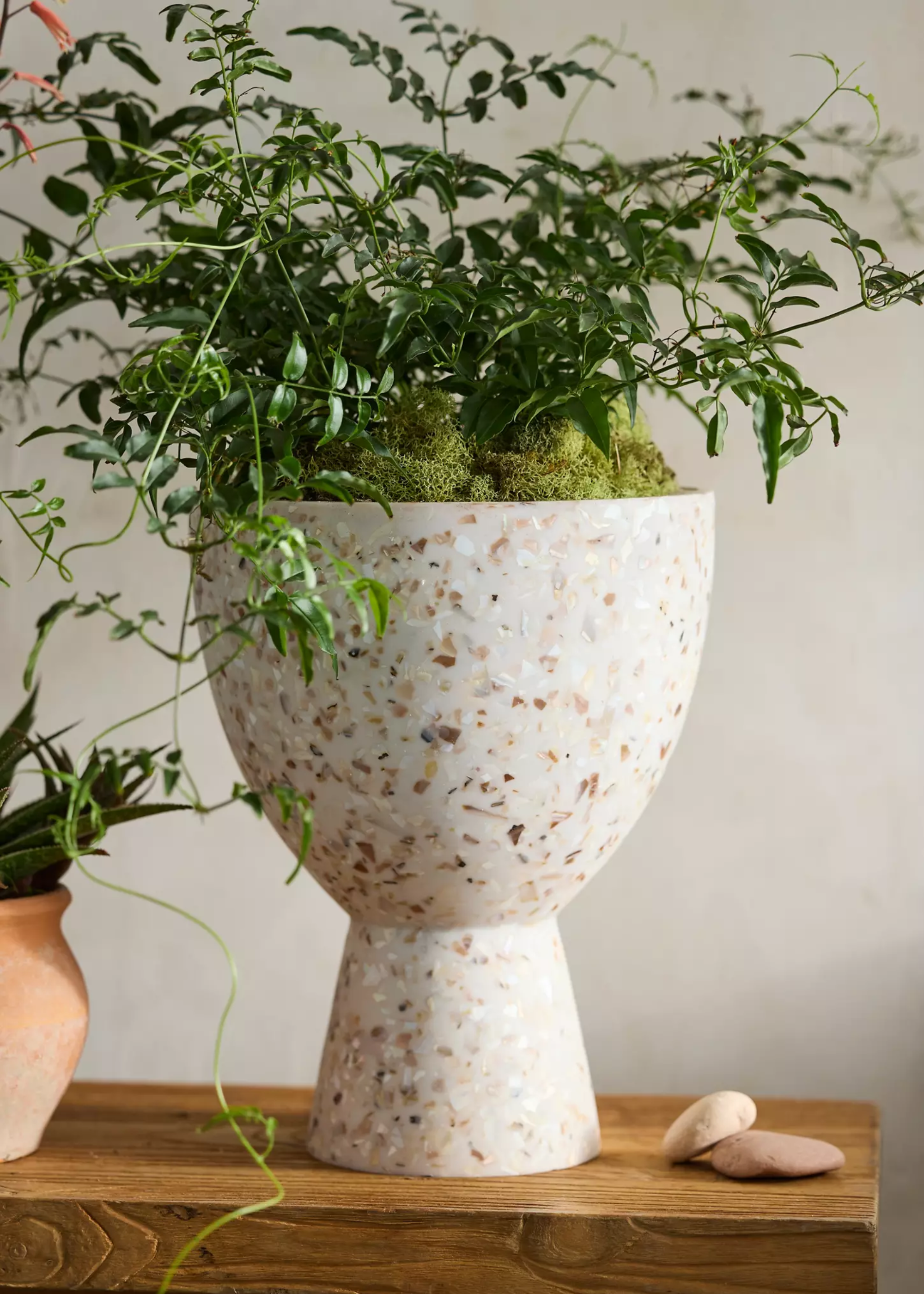
"Dried Spanish Moss is a great soil cover because it allows the soil to breathe while also providing an organic, natural-looking element," says August. "It comes in a variety of colors and is easy to remove and replace if need be."
This Spanish Moss from Mosser Lee features a 4.6-star rating on Amazon. And it's a great finishing layer for your bathroom houseplants and other moisture-heavy zones in your home.
3. Gravel & Pebbles
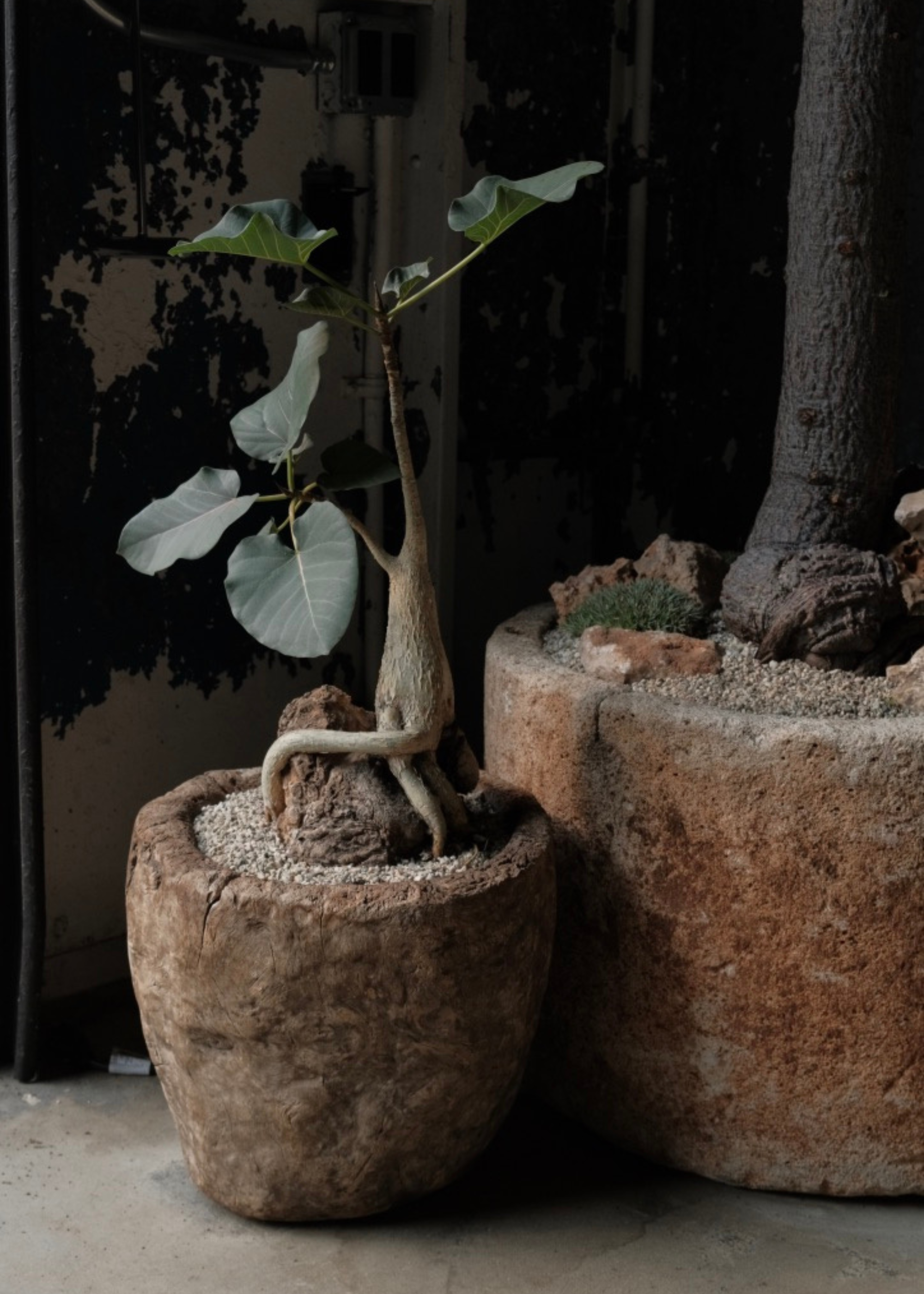
"I typically use crushed granite as a soil topper for indoor houseplants," says Rob Moffitt, botanical designer and founder of The Haus Plant. And August also finds that gravel and pebbles make a striking soil cover.
"I recommend using this for desert plants, like indoor succulents and cacti," he says. "In addition to mimicking the plant's natural environment, they can help increase drainage, drawing water away from the plant and avoiding rot."
This Volcanic Pumice from Invigortex and these Mixed Color Pebbles for Houseplants from Amazon are two great options for soil cover.
4. Sand
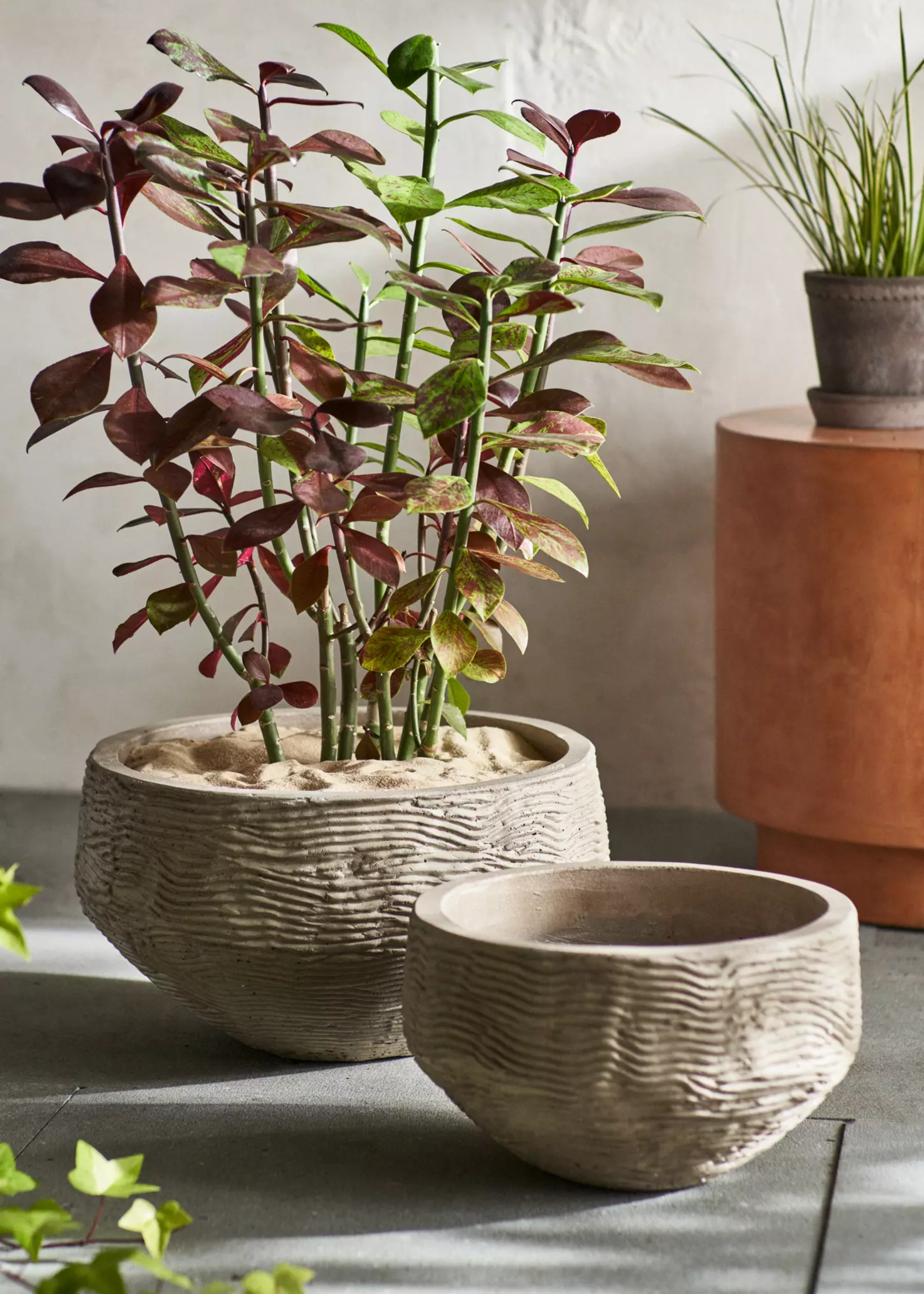
"A more practical choice, sand can be used as both a decorative and functional soil cover," says August. "It not only brightens the plant from the soil level but also prevents pesky fungus gnats from burrowing in the soil, suffocating them from below and stopping them from spreading."
I find that a sand soil cover can be especially chic on houseplants in the summer. It adds to the coastal aesthetic of the season. Remember that it's best to dress your succulents and indoor herbs with this type of soil cover.
Chic Planters to Help Your Soil Cover Look Good
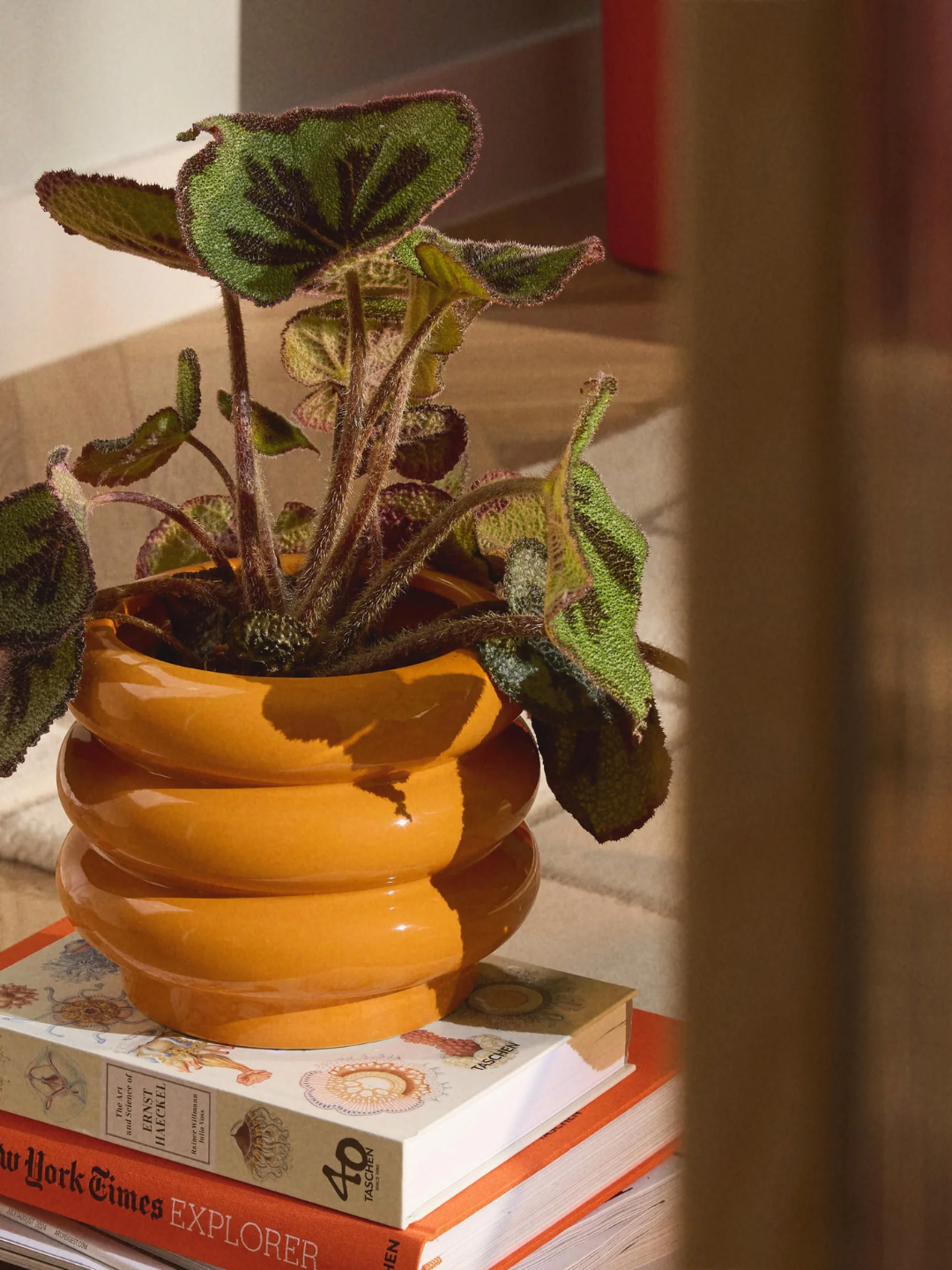
A gravel soil cover is a great way to add some edge to this stunning planter from Westwing.
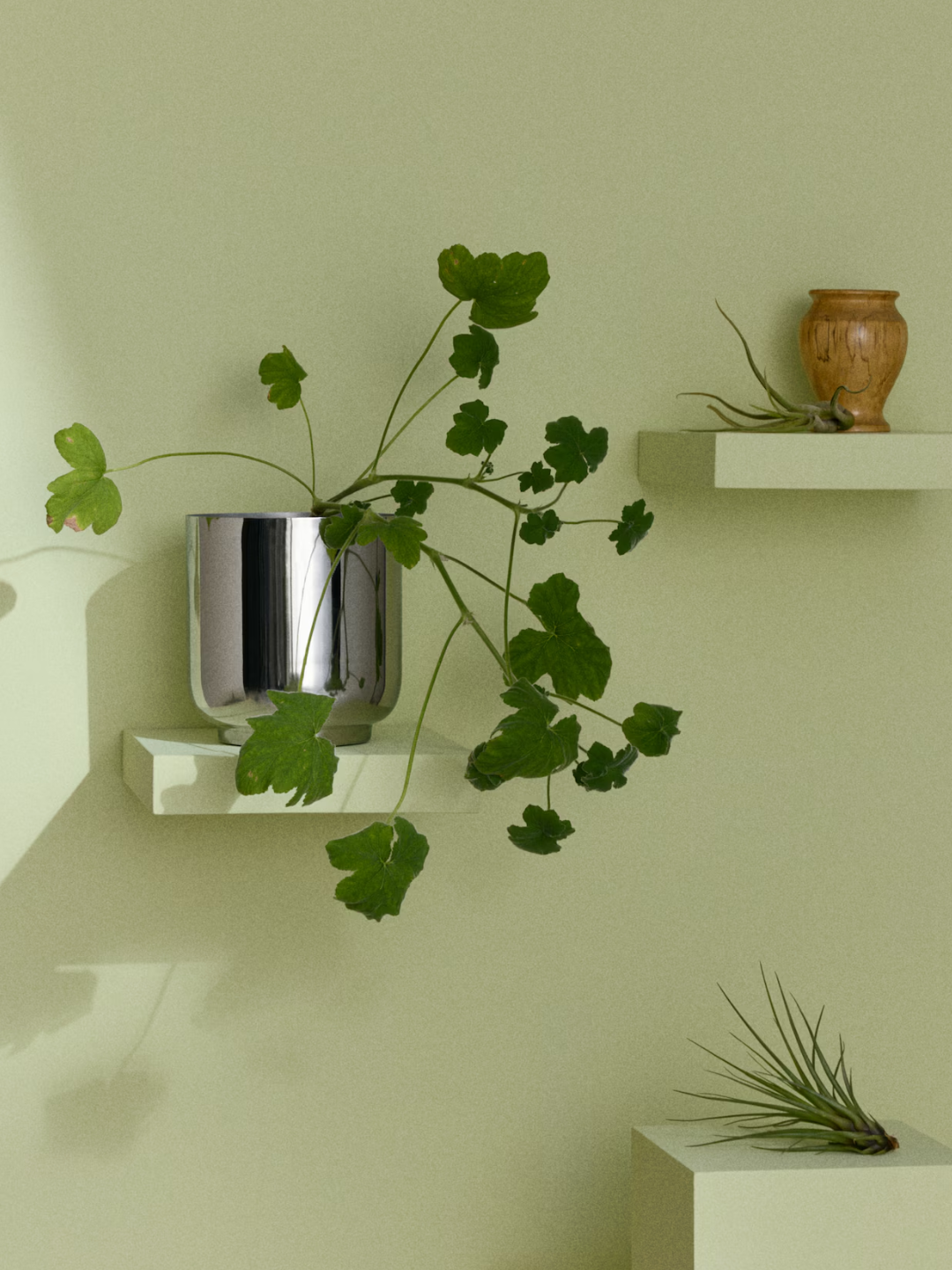
I love the idea of styling a houseplant that's mood moss-compatible in this chrome home accessory.
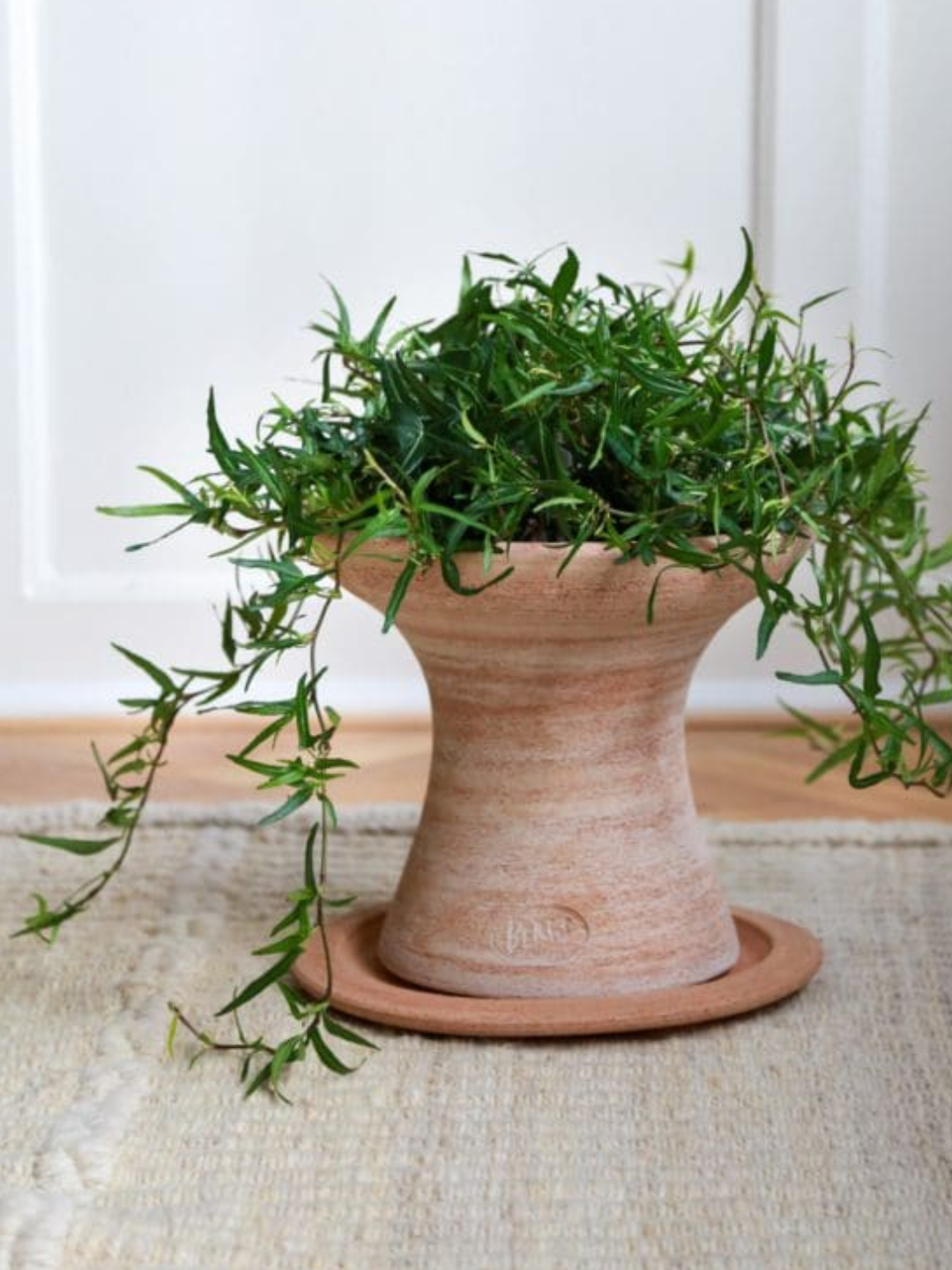
The Celeste Rosa Pot from Bergs Potter would look so charming with a houseplant that suits sand soil cover.
If you prefer styling some houseplants without a soil cover but you want them to stay consistently hydrated, let me introduce you to the Bergs Potter Water Cacti. It's my favorite slow watering discovery of late.
For more houseplant tips and styling ideas, sign up for the Livingetc newsletter.