In a neon-lit bar in northern Kentucky, a group of young Republicans recently gathered, their initial enthusiasm for Donald Trump’s administration having curdled into palpable frustration.
Over beers and brightly colored cocktails, they picked apart the presidency they had welcomed with high hopes just last year.
"I absolutely do not regret voting for Trump in 2024," stated Nathaniel Showalter, 34, sitting before a spray-painted concrete pillar. "I can’t wait for him to get out of office."
This sentiment, expressed under the bar’s low lights, revealed a deep-seated feeling that the Republican establishment — which they once applauded Trump for disrupting — had forsaken them.
This festering discontent is widening a generational chasm between younger and older conservatives as the party contemplates a future beyond Trump’s leadership.
The group views Trump’s "war with Iran" as a profound betrayal of his campaign promises. They are navigating an economy that feels as precarious as it did before his inauguration.
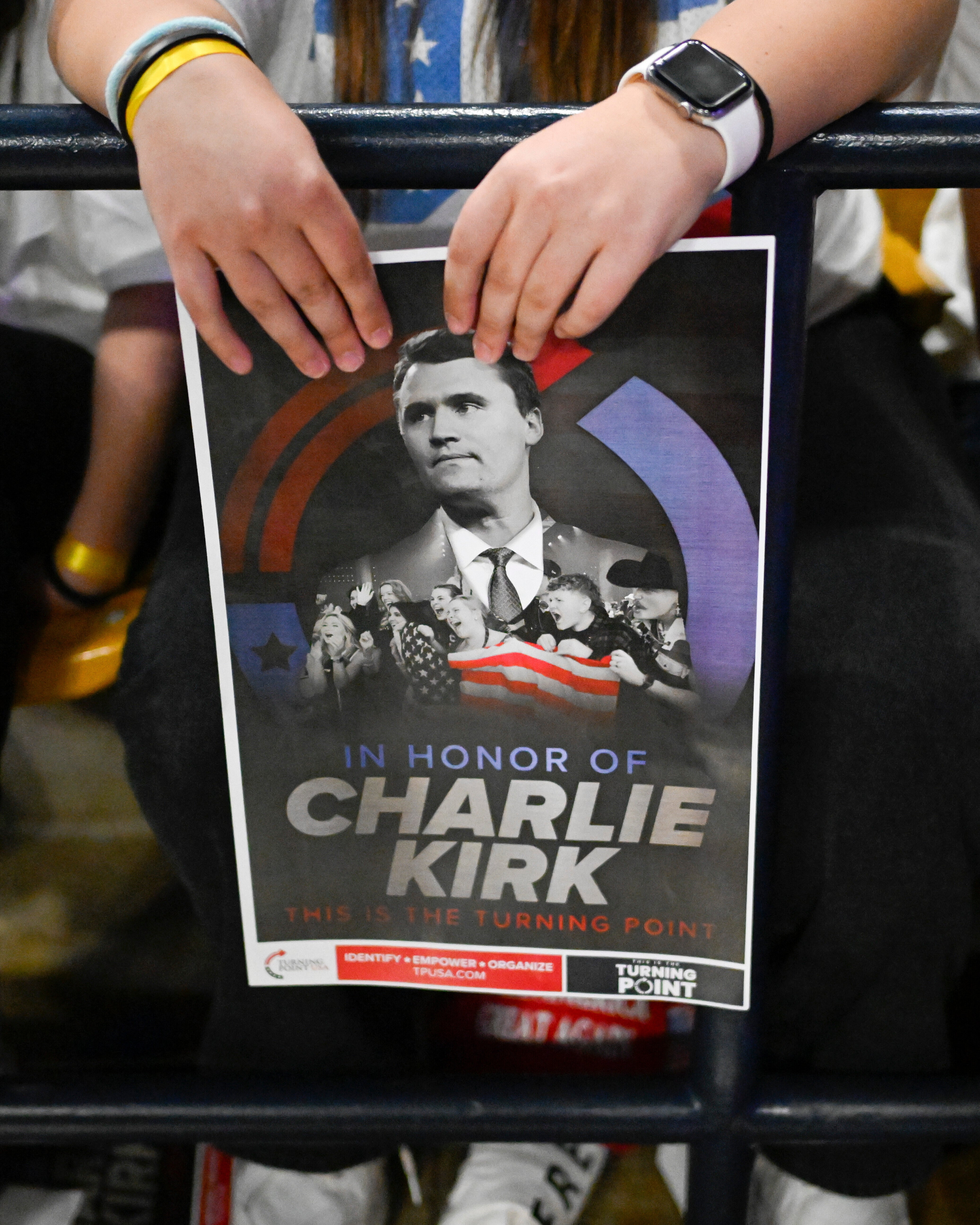
Adding to their disillusionment is the assassination of Charlie Kirk, the 31-year-old conservative activist they saw as their sole influential spokesperson within the White House.
The recent primary defeat of Republican Rep. Thomas Massie, who had cultivated a younger, anti-establishment following despite feuding with Trump, further stripped them of a key ally in Congress.
"There seems to be a concerted effort to keep the next generation out on the right," remarked TJ Roberts, the group’s 28-year-old state representative leader, the only one in a suit.
"There’s this sense of entitlement among the establishment on the right. ‘Well, I’m better than the alternative.’ Well, sure, but a stomach flu is preferable to stomach cancer. I’d rather have neither."
Roberts, who convenes the group monthly, voiced concerns that young people like those at dEcORa were "going to live a shorter, less prosperous life than your parents." He emphasized, "We have to make sure that young Republicans have a voice in Washington, D.C."
The boisterous group, all men in their 20s and 30s, crowded around a kaleidoscope-painted table, exchanging ribald jokes and debating, occasionally slipping into impressions of Trump or conspiracy theorist Alex Jones.
While views on Trump’s second term varied, a unifying anger stemmed from the conflict with Iran.

For many, Operation Epic Fury is not merely "a complete betrayal of his promises," as Michael Gartman, 32, put it. It serves as evidence that their voices have been drowned out by a political establishment, defense contractors, and megadonors perceived as pushing Israel’s agenda.
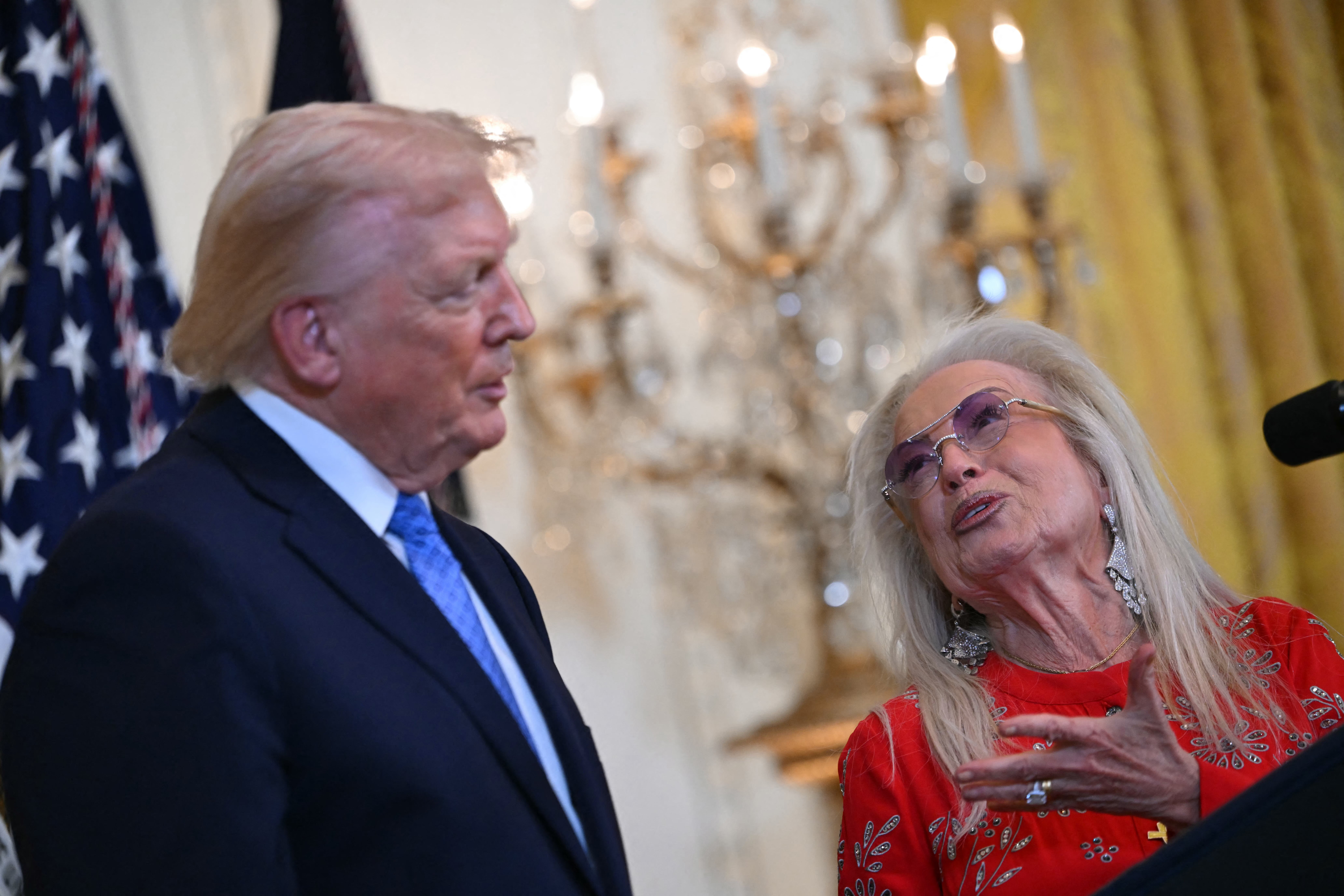
Logan Edge, a 30-year-old gun lobbyist, mimicked Trump discussing Miriam Adelson, the billionaire he once cited for advice on Israel.
"‘Oh Miriam, she’s over there, she loves Israel, maybe more than America,’" Edge recounted, adding in his own voice, "You can’t piss on my shoes and tell me it’s raining."
Andrew Cooperrider, 33, a conservative podcast host, sat with his 14-year-old son, Leo, who aspires to be an underwater welder.
When Leo suggested enlisting in the U.S. Navy for training, his father responded, "And I said absolutely not, not with everything going on, my son is not getting into the military right now and go fight these wars for these psychopaths."
Edge, whose father served in Desert Storm and Iraq, shared an emotional visit to Arlington National Cemetery.
"And me and my dad spent the day finding his friends. And it was very emotional, very tough. And you can get on the Metro and go to the next Metro stop and the first thing you see is Raytheon, Lockheed Martin and Northrop Grumman, and I said to my dad, ‘Look what you’re about to see.’"
He paused, visibly moved. "It brings tears to my eyes."
Angel Figueroa, 27, a military veteran with friends currently in the Middle East, questioned, "Why do my friends have to be over there? It would devastate me to see one of my friends getting bombed one day and what, I have to see their box now?"
While most considered a military draft unlikely, Elijah Drysdale, 27, wearing a backward cap over a red-haired mullet, noted that its mere discussion "speaks volumes to me, and it’s why we need a change in leadership."
Despite concerns about the Republican establishment, Roberts was a rare voice at dEcORa who expressed satisfaction with Trump’s second term. He argued that the party "under President Donald Trump is without doubt the best Republican Party I have seen in my entire lifetime, the old order is dead."

When someone interjected, "It’s dying," Roberts retorted, "No, it’s gone. Trump shifted the culture so well that these conversations you’re hearing right now, this would be unacceptable in the Republican Party of 2014."
Roberts believes there is now a greater willingness to oppose foreign military entanglements, corporate bailouts, and aid to countries like Ukraine and Israel. The party has also adopted a tougher stance on immigration, which the group applauded.
"I do think Trump started the (establishment’s) downfall, I think it’s only being kept alive now by him," Cooperrider stated, citing Trump’s endorsement of U.S. Sen. Lindsey Graham and his opposition to Massie.
John Wardrop, 24, felt "we could do a whole lot better," expressing hope for figures like Director of National Intelligence Tulsi Gabbard, Health Secretary Robert F. Kennedy Jr., and Vice President JD Vance.
Drysdale, however, offered harsher criticism. "I’m actually in disagreement," he said. "I think that he broke a lot of his promises." He warned that any affiliation with this administration would be "a stain on your reputation.
This isn’t the party that we want, this isn’t the party that we voted for, or thought we were voting for." When asked if they could envision voting for a Democrat, Henry Hecht, a 26-year-old libertarian, tentatively raised a hand, prompting mock outrage from Cooperrider.
The sense of malaise is compounded by the loss of Kirk, founder of Turning Point USA, who seemed to have no clear heir. Roberts described Kirk as "kinda like a mediator, so Trump understood where young Republicans were coming from."
The group cited several instances where Republican lawmakers betrayed promises and conservative ideology, including the extension of the Foreign Intelligence Surveillance Act and the growing national debt.
Massie’s opposition to the White House on these issues led Trump to back a primary challenger, former Navy SEAL Ed Gallrein, who centered his campaign on loyalty to the president. Gallrein’s victory demonstrated Trump’s power but deepened frustration elsewhere.
"We cannot really fight the left until we defeat these old, boomer Republicans," Edge asserted. "The left is organized, the left is institutionalized, they’re smart, they’re tactical, they’re not a joke, they don’t play."
Cooperrider suggested younger liberals were more mobilized, while Hecht questioned why right-wingers weren’t.
"My question is: why would you when, for so long, the right has been joking about their promises?" Roberts asked. "It creates an endless cycle. Eventually that cycle has to break."