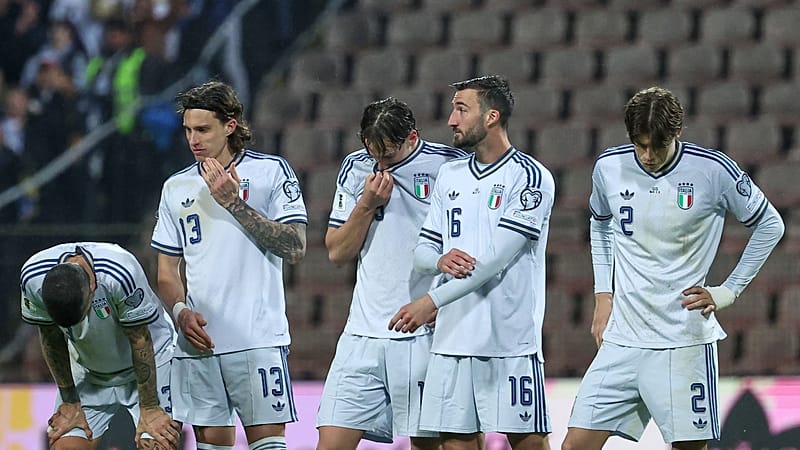
The 2026 World Cup will once again bring some of football’s most historic national teams back onto the sport’s biggest stage, while at the same time leaving several famous names on the sidelines. For some countries, the absence is only temporary, but for others it has become a long-running footballing wound. The most striking omission remains Italy. The four-time world champions will miss a third consecutive World Cup, having last appeared in Brazil in 2014. It marks one of the deepest crises in the history of the Squadra Azzurra, especially considering that only two decades ago they were at the summit of world football. The 2026 World Cup will also be without several nations that featured in Qatar in 2022. Denmark, Poland, Wales, Cameroon, Serbia and Costa Rica all failed to secure qualification and will miss this tournament after their last appearance. Nigeria, Russia and Iceland will be absent for a second straight World Cup, having last competed in Russia in 2018.
The drought has lasted even longer for Slovakia and Slovenia, who will miss a fourth consecutive World Cup since their last appearances in South Africa in 2010. Greece and Chile will each extend their absence to three tournaments, with both nations last participating in Brazil in 2014. Among the most notable long-term absentees are Romania and Ireland. Romania will miss a seventh consecutive World Cup, having last qualified for France 1998. Ireland, whose most recent appearance came in 2002, will now have watched six straight tournaments from home.
The big absentees
Italy: Global giants in decline
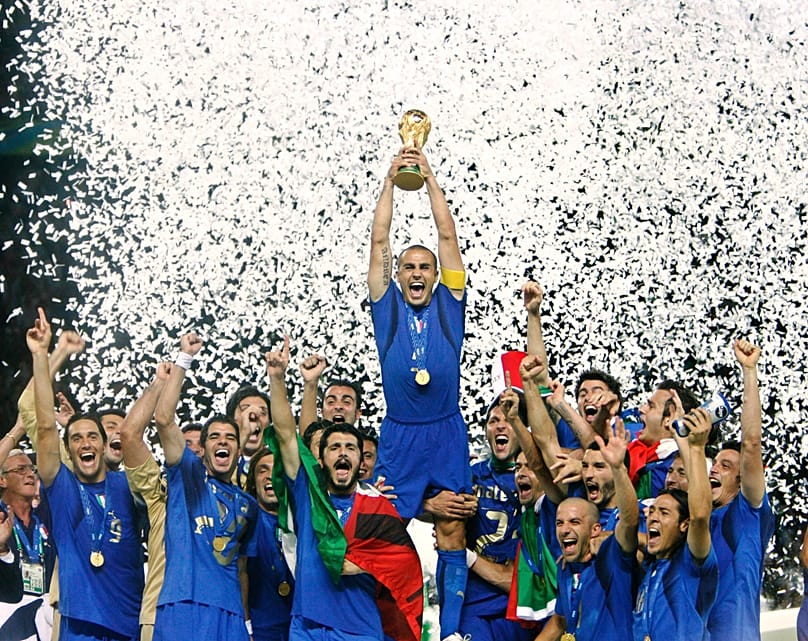
Few absences in world football are as shocking as Italy’s. The Squadra Azzurra remain one of the most successful national teams in history, with four World Cup titles (1934, 1938, 1982 and 2006).
Their latest triumph came in Berlin in 2006 against France, in a final remembered not only for Italy’s victory but also for Zinedine Zidane’s infamous red card after head-butting Marco Materazzi.
Since then, however, the decline has been dramatic: failure to qualify for the 2018, 2022 and now 2026 World Cups, with each disappointment proving more painful than the last.
Romania: Hagi’s magic and the long wait since 1998
Romania’s “golden generation” reached its peak at the 1994 World Cup in the United States. Led by Gheorghe Hagi — often called the “Maradona of the Carpathians” — Romania reached the quarter-finals playing some of the tournament’s most exciting football.
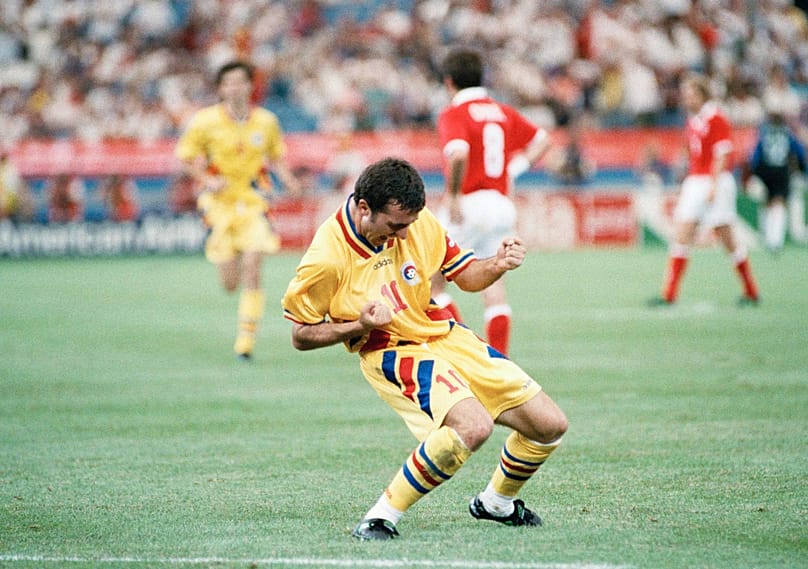
That tournament effectively marked the end of an era, although Romania also qualified for France 1998, where they reached the last 16. Since then, they have failed to qualify for seven consecutive World Cups, although recent performances at European Championships suggest they may finally be moving back in the right direction.
Wales: From Pelé to Gareth Bale
Wales had to wait 64 years to return to the World Cup, setting a European record for the longest gap between appearances when they qualified for Qatar 2022.
Their greatest achievement remains the 1958 tournament, where they reached the quarter-finals before being eliminated by Brazil thanks to a goal from a 17-year-old Pelé.
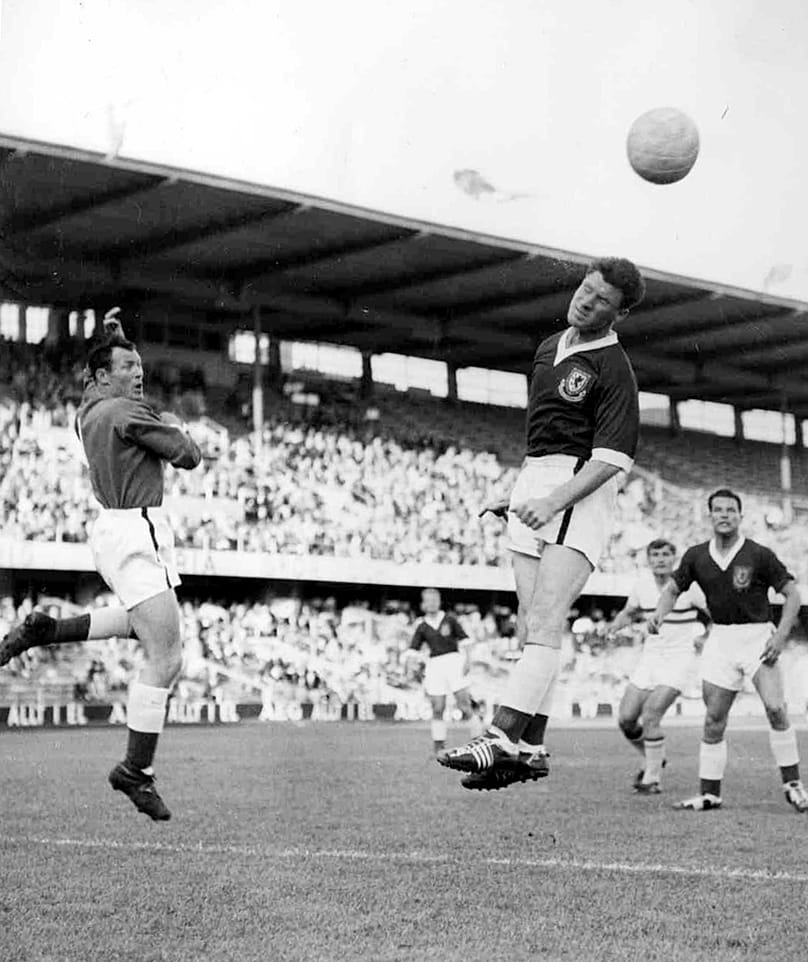
Their return in 2022, inspired by Gareth Bale, ended a historic drought. Yet their elimination from qualification for the 2026 World Cup at the hands of Bosnia and Herzegovina was a bitter blow for Welsh supporters, who will once again follow the tournament from home.
North Korea: The miracle of 1966 and the return in 2010
North Korea produced one of the greatest shocks in World Cup history when they defeated Italy in 1966 and reached the quarter-finals, becoming a global symbol of the underdog spirit.
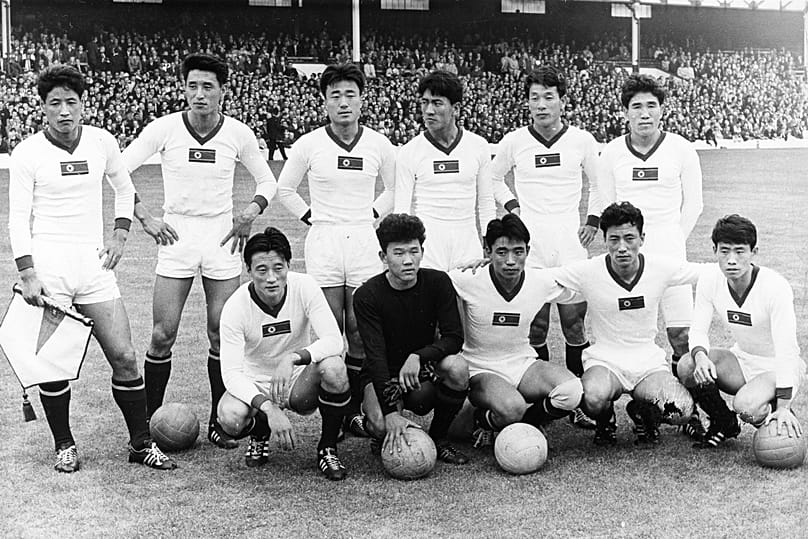
It would take another 44 years before they returned to the finals, appearing again at the 2010 World Cup in South Africa. That campaign ended in disappointment, however, as they lost all three matches with a goal difference of 1–12. Since then, they have not qualified again.
Canada: A new footballing force on the rise?
Canada first appeared at a World Cup in 1986, failing to score a single goal and finishing with a goal difference of 0–5.
Their return in 2022 after a 36-year absence signalled the emergence of a promising new generation led by Alphonso Davies. Although they again failed to win a point, they did at least score twice.
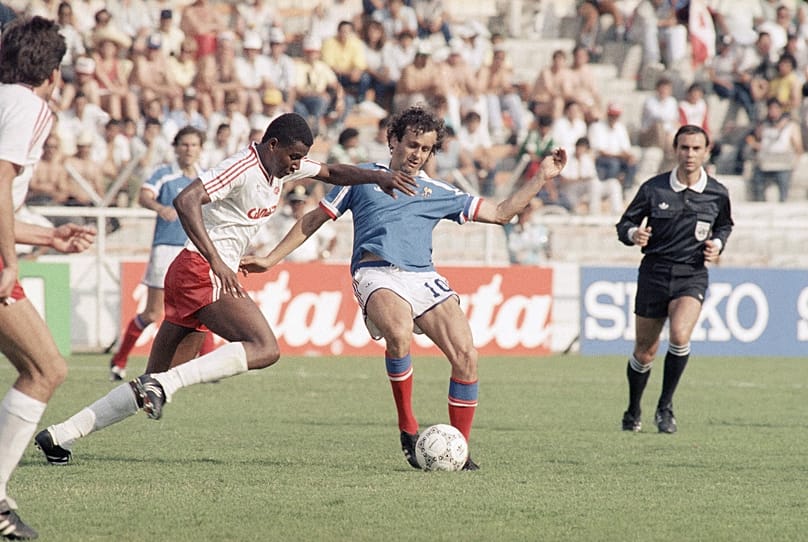
Now, as co-hosts of the 2026 World Cup, Canada have a genuine opportunity to reach the knockout stages — an achievement that would represent the greatest moment in the country’s footballing history.
Ireland: The Italia ’90 fairytale
Ireland’s finest hour came at the 1990 World Cup, when Jack Charlton’s side reached the quarter-finals at their very first tournament, sparking scenes of celebration across the country.
Ireland also qualified in 1994 and 2002, but have not returned since, making the run in Italy their greatest footballing achievement to date.
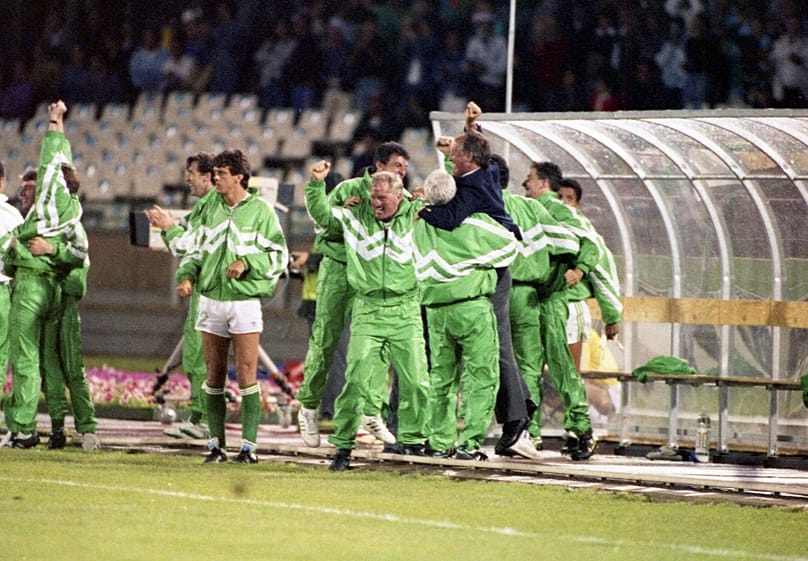
This time, they narrowly missed out after losing on penalties to Czechia in the semi-finals of the European qualifying play-offs, despite leading 2–1 until the 86th minute. Czechia eventually secured qualification by defeating Denmark, also on penalties.
Teams we have almost forgotten ever played at a World Cup
Cuba: The forgotten quarter-finalists of 1938
Few people remember that Cuba reached the quarter-finals of the 1938 World Cup, still the greatest achievement in Caribbean football history.
Cuba defeated Romania in a replay after the original match ended 3–3, at a time when penalty shoot-outs did not yet exist. In the quarter-finals they faced a powerful Sweden side and suffered an 8–0 defeat. Cuba have never returned to the World Cup since.
Indonesia: Asia’s pioneers
Indonesia, then known as the Dutch East Indies, became the first Asian nation ever to play at a World Cup, also in 1938.
Their campaign lasted only a single match, but its historical significance remains enormous. Drawn against Hungary in the first round, they lost 6–0, yet their place in football history was secured forever.
Israel: One appearance, 56 years ago
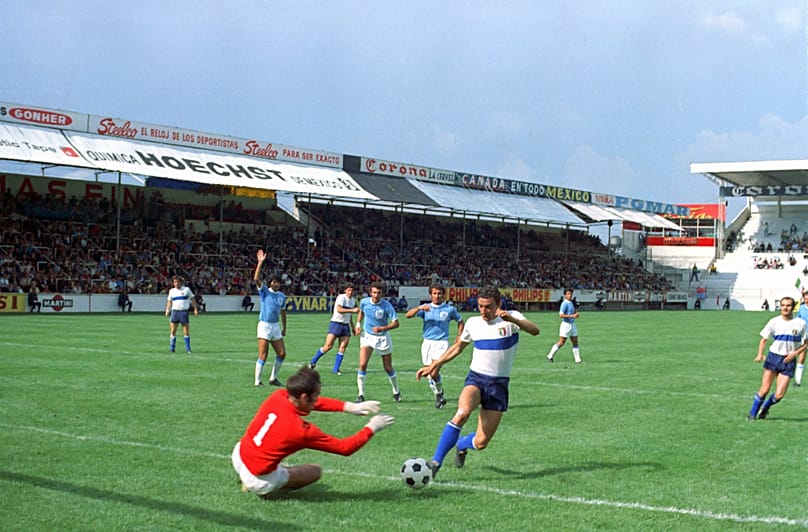
Israel have appeared at the World Cup only once, at Mexico 1970.
Their 1–1 draw with Sweden remains one of the defining moments in the nation’s football history. Overall, Israel performed respectably, also holding Italy to a 0–0 draw before losing 2–0 to Uruguay.
Jamaica: The “Reggae Boyz”
Jamaica’s only World Cup appearance came in France in 1998.
Heavy defeats to Croatia and Argentina did little to dampen the spirit of the “Reggae Boyz”, who saved their best for the final group match against Japan. A memorable 2–1 victory earned Jamaica worldwide admiration, while Theo Whitmore — scorer of both goals — secured his place in the nation’s football folklore.

China: A dream still waiting for a sequel
China qualified for their first World Cup in 2002, but exited with three defeats and without scoring a single goal, finishing with a goal difference of 0–9.
Since then, they have struggled even to come close to another qualification, leaving the dream of a second World Cup appearance seemingly as distant as ever.
The major comebacks
At the same time, several national teams are returning to the World Cup in impressive fashion. Japan, Saudi Arabia and Algeria have once again secured qualification and continue to establish themselves as consistent representatives of Asia and Africa. Particularly intriguing are the returns of several historic European sides. Turkey are back at the finals for the first time since 2002, when they famously finished third in Korea and Japan. Norway are also returning after a long absence, now led by a new generation of stars headed by Erling Haaland.

Scotland, Austria, Czechia and Paraguay are likewise back on the biggest stage, adding both colour and historical depth to the tournament.
The 2026 World Cup is therefore shaping up as a fascinating blend of comebacks, disappointments and renewed hope. For some nations, missing out is only a temporary setback. For others, every World Cup spent watching from afar becomes an increasingly painful chapter in their footballing history.