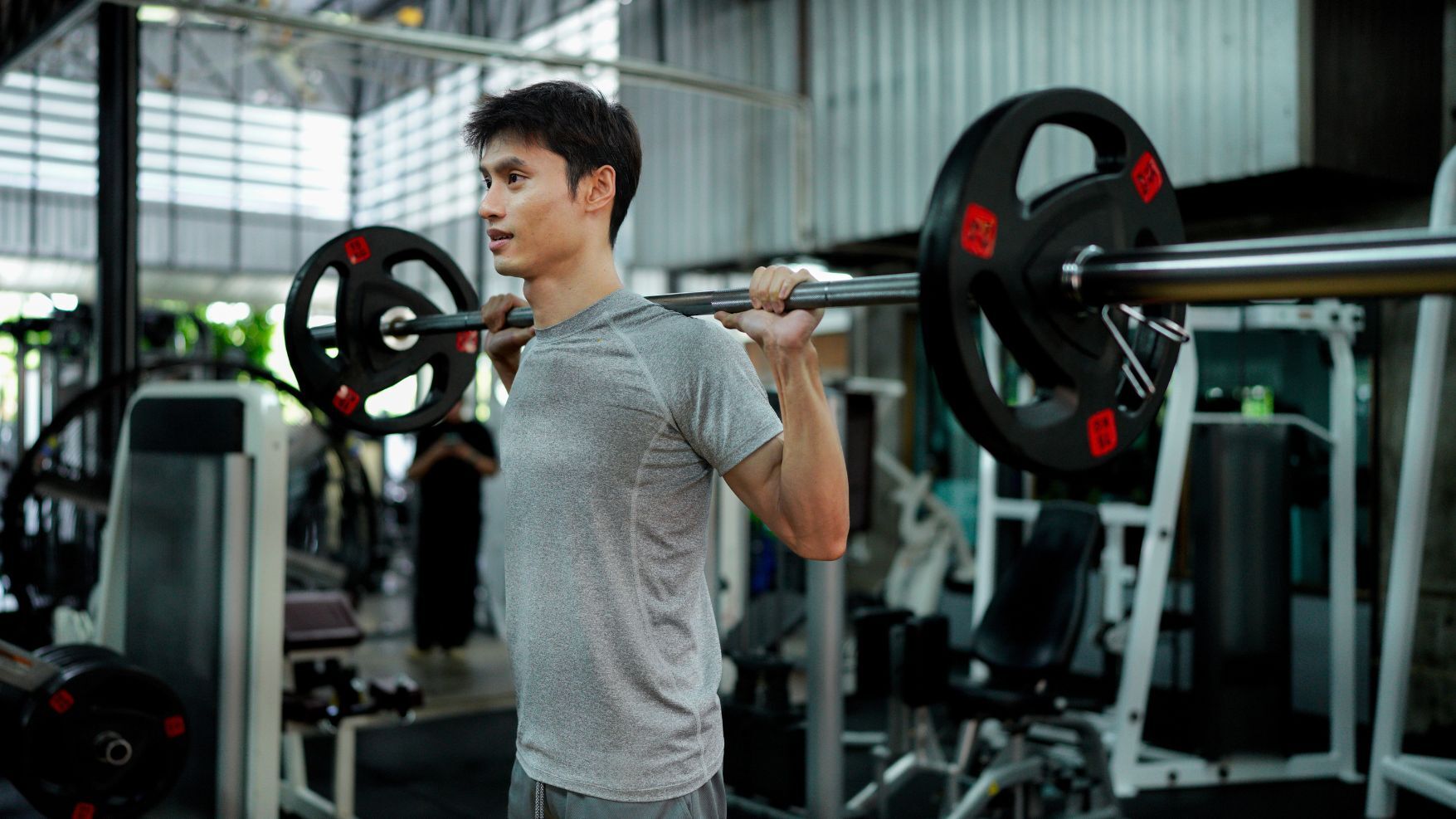
“The system was broken, so we built our own,” reads the banner of ALYZE, a new, professional athlete-driven health clinic coming to Bountiful, Utah. (Could the location sound any more perfect?)
Its founders and investors make up an all-star roster, including former NFL player Chase Hansen, Jackson Cluff of the New York Mets and Tyler Leith, a professional rugby player.
Also joining the team are medical professionals like Dr. Matt Moore, Assistant Professor in Health and Kinesiology with the University of Utah Health, and Dr. Jerry Chidester, esteemed plastic surgeon. Taking things to another level are performance experts and sports psychologists who are able to intimately address the unique challenges today’s athletes face.
"Collaboration like this allows us to combine expertise, challenge each other's thinking and ultimately build a stronger, more compassionate health system for everyone we serve,” says Dr. Moore.
Together, these professionals have launched what they call an integrated health optimization platform. ALYZE is part clinic, part luxury gym and part wellness center, with a broad ecosystem designed to streamline medical care and wellness for all types of athletes.
Fitness training and recovery services take care of you today, while diagnostics and a medical optimization plan for tomorrow.

It’s a model that makes complete sense, says Destini Moody, RD, CSSD, LD, a board-certified specialist in sports dietetics at Flex Therapist CEUs. “When athletes are involved in shaping these models, you tend to get better alignment between performance demands, recovery needs and clinical decisions, which is often missing in traditional healthcare.”
Athletes can also benefit from precision medicine and weight loss programs, all designed by professional athletes who are intimately acquainted with the challenges of well-coordinated healthcare.
It is the type of treatment usually only reserved for professional athletes, but
now accessible to the everyday individual.
"Before now, it was nearly impossible to genuinely be able to know what was going on with my body consistently AND have the resources available to help get my brain and body what they need,” explains Hansen.
ALYZE takes a bold stand against traditional medical systems, merging diagnostics, precision medicine and hormone therapy with fitness and recovery. Typically, these services are treated separately, leaving it up to the patient to piece together the intricacies of their care.
“ALYZE stands out because it brings objective data and real-world movement together, which is something I rarely see done well in one place,” says Suzana De Pina, Clinical Exercise Physiologist at Papayya.
Dr. Sergio Guiteau, MD, Board-Certified Family and Sports Medicine Physician and Medical Director of South Florida Advanced Rejuvenation, has experience covering professional and collegiate athletes. “You might think that they receive excellent streamlined care,” he says.
“However, more often than not, their care tends to be fragmented without much focus on prevention,” he continues. “I have seen professional athletes get shuttled from specialist to specialist without proper guidance and, in worst cases, without proper treatment.”
De Pina agrees. “In most settings, clients are either training without understanding what is happening internally, or they are given clinical data without any practical way to apply it, so combining the two has real potential if executed properly,” she says.
ALYZE instead offers comprehensive care with an all-in-one approach that greatly simplifies not only physical care but psychological, emotional and mental well-being, as well.
“It does address a significant gap, particularly around coordination of care and continuity between providers,” explains Moody. “Many athletes currently navigate separate systems for nutrition, medical care and recovery, so bringing these together into one integrated model has the potential to improve both performance outcomes and overall health management.”
“ALYZE has a model that finally aligns performance nutrition, clinical diagnostics and recovery under one coordinated system, which is exactly where elite sport has been heading for years,” Moody adds.
As a self-proclaimed health optimization clinic, longevity center and luxury wellness club, ALYZE maintains a strong emphasis on targeted medical concentrations. This includes metabolic health, as well as integrative and preventive medicine.
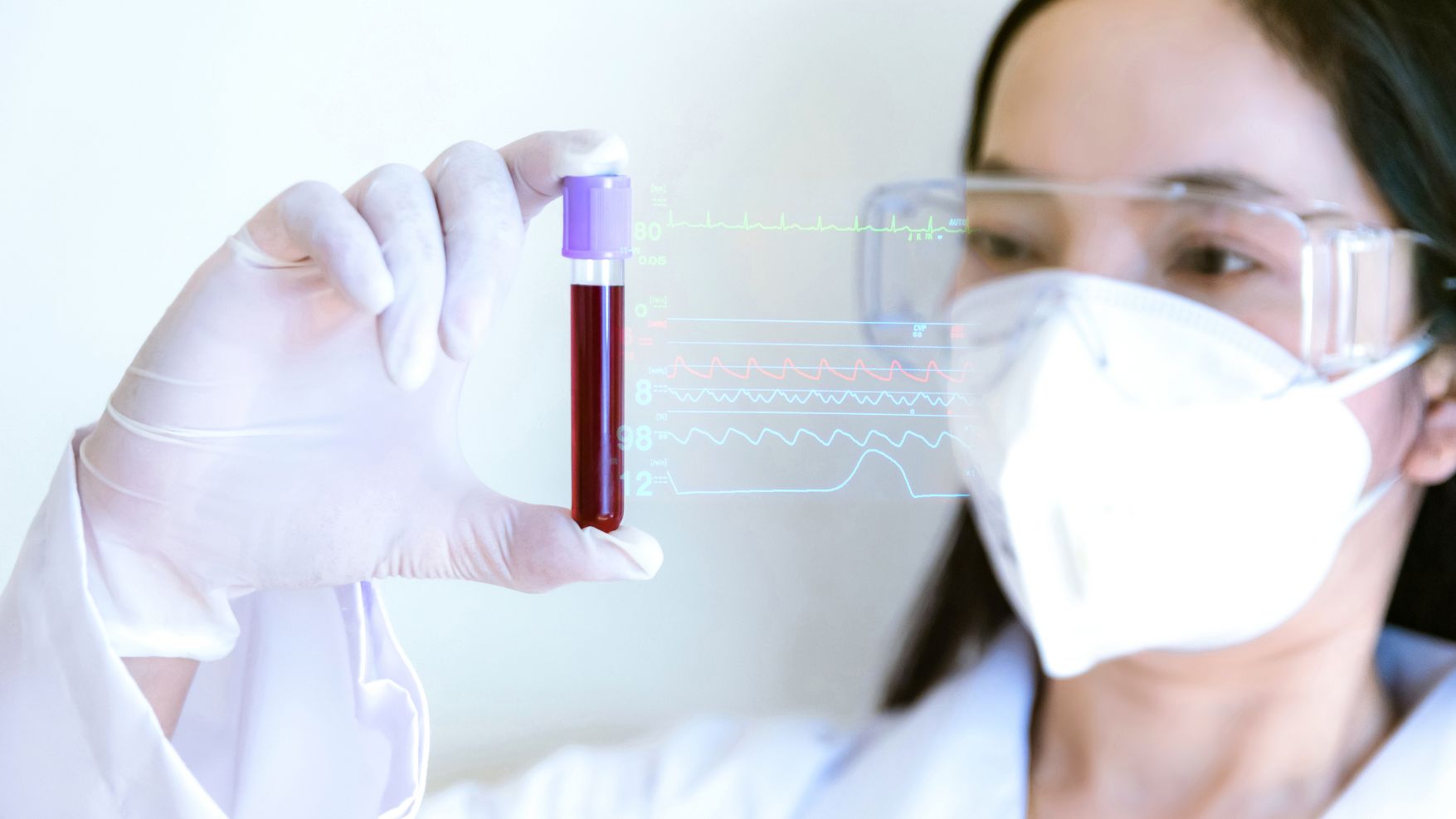
With repeat biomarker testing, it makes a bold guarantee of measurable results. This could be an enormous benefit to athletes – if ALYZE professionals use the data appropriately, says Kendall Maloof, LMFT, Clinical Director at Eagle Creek Recovery.
“The priority should be translating complex biomarker data into practical, actionable strategies that athletes and clients can actually follow consistently,” she says. “Too often, data is collected without clear application, so the focus needs to be on behavior change, adherence and outcomes that directly improve body composition, recovery and performance.”
Members can benefit from on-site lab testing, body composition scans, thyroid and hormone testing, metabolic assessment, hormone replacement therapy and weight loss programs. Meanwhile, stress management and mental performance coaching provide emotional and psychological health.
Among the many recovery services are a sauna, a cold plunge, red light therapy, hyperbaric oxygen therapy and massage services. A visit to the full-service medspa provides anti-aging and skin rejuvenation treatments.
“It does address a clear gap, particularly around continuity of care and the lack of integration between mental health, physical performance and recovery,” says Maloof. “Many athletes are navigating multiple providers without a shared framework, which can lead to inconsistent support and missed opportunities to address the full picture of wellbeing.”
It is a model that can have a profound effect on how we deliver care. This efficiency and focused concentration on personal care can have a significant impact on mental health, as well.
“I see ALYZE as a meaningful step toward integrating physical and mental health in a way that reflects how people actually function, rather than separating care into disconnected silos,” says Maloof. “When services like diagnostics, recovery and performance are coordinated, it creates a stronger foundation for addressing the underlying drivers of stress, burnout and dysregulation, which are often overlooked.”
De Pina thinks they are off to a great start, as long as they stay on track. “There is a consistent issue in the industry where clients are given data or diagnoses but no structured, progressive plan to correct dysfunction, so the focus needs to be on translating insights into precise, personalized training that evolves with the individual.”
“The priority should be bridging the gap between assessment and application, particularly in how movement is prescribed and progressed,” she adds.
“The demand for integrated care is growing as people become more educated about how interconnected their health really is,” says De Pina. “The challenge will be maintaining quality and individualization at scale, because it is easy to replicate the concept, but much harder to deliver truly personalized care that adapts to each person’s biomechanics, lifestyle and long-term goals.”
Membership is not yet available, with ALYZE instead filling a waitlist. In the meantime, additional locations are already in the works, with national franchising slated to launch in the fall of 2026.