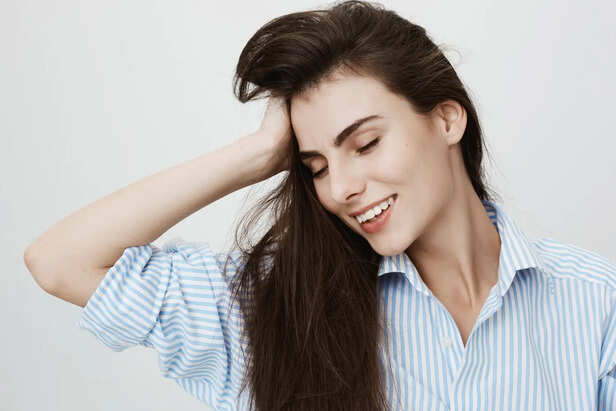
For years, most hair trends focused on appearance alone. Shiny curls, sleek ponytails, volume hacks, and expensive styling products dominated beauty conversations online. Yet behind all the styling tutorials and viral transformations, many people quietly struggled with dryness, buildup, irritation, breakage, and hair thinning.
Now, that conversation is changing.
In 2026, scalp health is becoming one of the biggest focuses in modern beauty culture. Instead of treating the scalp like an afterthought hidden under hair, more people are recognising it as the foundation of healthy hair growth and long-term hair condition.
This shift is not appearing randomly. Dermatologists, hair experts, beauty brands, and social media creators have all contributed to growing awareness around scalp care. Younger audiences especially are becoming more interested in wellness-based beauty routines that focus on prevention, balance, and consistency rather than quick cosmetic fixes.
The result is a major shift in how people think about hair care itself.
Why the Scalp Matters More Than People Realised
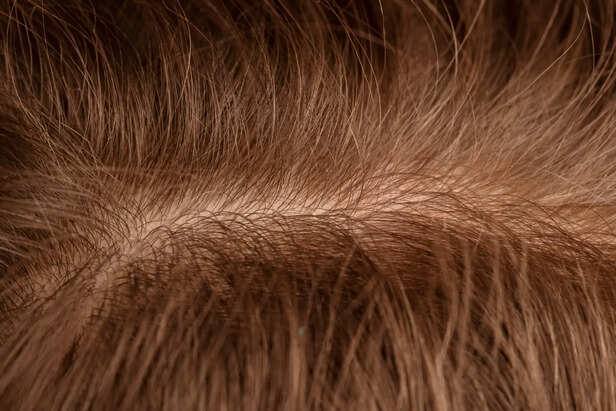
The condition of the scalp can influence overall hair appearance and comfort.
The scalp is skin, yet many people treated it differently from the rest of their body for years.
People moisturised their faces carefully, researched skin barriers, and followed detailed skincare routines while simultaneously applying heat, oils, dry shampoo, and styling products directly onto the scalp without much thought.
In reality, the scalp plays a significant role in maintaining healthy hair conditions.
Hair follicles are located within the scalp, and the surrounding environment can influence how hair looks and feels over time. Excess oil buildup, irritation, dryness, inflammation, or product residue may affect scalp comfort and overall hair quality.
This does not mean every hair problem begins at the scalp or that scalp treatments automatically solve all hair concerns. Genetics, hormones, nutrition, stress, and overall health also influence hair condition. However, scalp care is increasingly viewed as one important piece of the larger picture.
Many experts compare scalp care to soil health for plants. Healthy roots often support healthier growth above the surface.
The Rise of Scalp Care Products
The beauty industry has responded quickly to growing interest in scalp wellness.
Products once considered niche are now becoming mainstream. Scalp serums, exfoliating treatments, massagers, balancing shampoos, scalp oils, and microbiome-focused formulas are appearing across both luxury and affordable beauty markets.
Part of this trend comes from increased consumer awareness. Social media platforms have made educational beauty content more accessible, allowing users to learn about ingredients, scalp conditions, and hair care habits more easily than before.
At the same time, many consumers are becoming more selective about products. Instead of buying endless styling products promising instant transformation, people are increasingly interested in routines that support long-term hair health.
Scalp exfoliation, for example, has become popular because it may help remove buildup from oils, dead skin cells, and styling products. Some individuals report that cleaner scalp conditions make their hair feel lighter or easier to manage afterwards.
However, experts generally caution against overdoing treatments. Excessive exfoliation or aggressive product use may irritate sensitive scalps rather than improve them.
Humanity has an impressive talent for discovering moderation approximately three years after turning something into a twelve-step internet obsession.
Why Gen Z Is Paying Attention to Hair Wellness
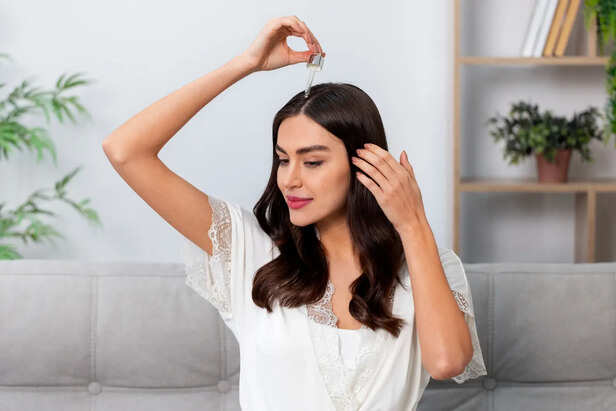
Younger audiences are increasingly focused on wellness-based beauty habits.
Gen Z approaches beauty differently from many previous generations.
Rather than focusing only on appearance, younger audiences often connect beauty to overall wellness, mental health, sustainability, and self-care. This mindset helps explain why scalp health feels relevant now.
Hair is closely tied to identity and confidence for many people. When hair feels unhealthy, damaged, or difficult to manage, it can affect emotional well-being as much as appearance.
Social media has also contributed to greater transparency around hair struggles. People openly discuss issues such as hair shedding, stress-related changes, scalp sensitivity, and heat damage in ways that were less common online years ago.
As a result, conversations about healthy hair now feel more realistic and less centred around perfection.
There is also growing fatigue surrounding extreme beauty routines. Younger audiences increasingly prefer manageable habits over complicated systems requiring dozens of products and constant maintenance.
Scalp care fits naturally into this shift because it emphasises consistency and long-term care rather than dramatic overnight results.
Stress and Lifestyle Are Part of the Conversation
One reason scalp health conversations are growing is because people are increasingly aware that hair health is connected to overall lifestyle factors.
Stress, sleep habits, nutrition, hydration, hormonal changes, and environmental conditions can all influence scalp comfort and hair condition. Many people notice changes in their hair during stressful periods, though experiences vary from person to person.
This awareness has encouraged a more holistic approach to hair care.
Instead of viewing hair concerns only as cosmetic issues, many consumers now connect them to broader wellness habits. This does not mean every scalp issue can be solved with better sleep or drinking more water. Medical conditions and genetics can also play important roles.
Still, the growing connection between wellness culture and beauty culture has changed how people think about hair care routines overall.
Scalp massages, simplified routines, reduced heat styling, hydration-focused products, and protective hairstyles are increasingly viewed as part of self-care rather than purely aesthetic habits.
Moving Away From Damage-Focused Beauty
Another reason scalp health is trending is that beauty culture itself is becoming less aggressive.
For years, many popular hair trends involved heavy bleaching, excessive heat styling, tight hairstyles, chemical treatments, or constant product experimentation. While these styles remain personal choices, many people are now more aware of how repeated stress may affect hair condition over time.
This shift does not mean styling trends are disappearing. People still enjoy experimenting with hair colour, textures, and creative looks. However, there is growing interest in balancing style with hair maintenance.
The popularity of healthier-looking hair reflects this change.
Glossy but natural textures, scalp-friendly routines, softer styling methods, and lower-maintenance beauty aesthetics are becoming more common online. Even luxury beauty campaigns increasingly emphasise healthy hair condition instead of only dramatic transformations.
This reflects a broader beauty trend where wellness and realism are becoming more influential than perfection alone.
The Science Behind the Trend
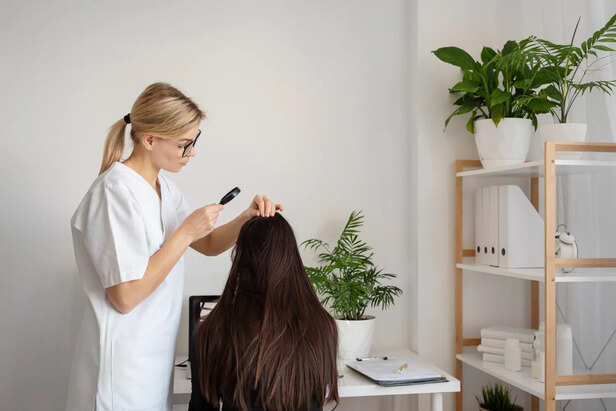
Experts increasingly discuss scalp care as part of long-term hair maintenance.
The growing attention toward scalp health is not purely social media hype. Scientific understanding around scalp conditions and hair biology has also expanded in recent years.
Dermatologists and hair specialists often explain that scalp balance matters because the scalp supports hair follicles and overall hair growth conditions.
Certain scalp issues such as excessive oil buildup, irritation, dandruff, or inflammation may contribute to discomfort and affect how hair appears or behaves. Maintaining scalp cleanliness and comfort is generally viewed as beneficial for overall hair care.
At the same time, experts also caution against unrealistic claims. No product can instantly transform hair growth overnight, and not every scalp concern has a simple cosmetic solution.
This balanced perspective is becoming more important as beauty marketing grows increasingly competitive online.
Consumers are becoming more sceptical of exaggerated promises and more interested in evidence-based routines that support gradual improvement over time.
Why Simpler Hair Routines Are Winning
Another interesting shift happening in 2026 is the move toward simplified beauty routines.
After years of complicated beauty trends, many people are becoming exhausted by routines that feel expensive, time-consuming, or impossible to maintain consistently.
Scalp health fits well into the growing preference for practical beauty habits because it often focuses on fundamentals rather than endless product layering.
Gentle cleansing, balanced hydration, occasional scalp exfoliation, reduced heat damage, and consistent maintenance are becoming more appealing than constantly chasing viral transformations.
This does not mean everyone now follows minimalist routines. Beauty remains deeply personal, and different hair types require different approaches.
However, the overall trend suggests people increasingly value sustainability, comfort, and long-term results over temporary online aesthetics.
Where Healthy Hair Culture Is Heading
The growing focus on scalp health reflects a larger shift happening across beauty culture in 2026. People are becoming more thoughtful about the relationship between appearance, wellness, and long-term care.
Instead of viewing hair only through the lens of styling and trends, many now understand that healthy-looking hair often depends on what happens at the root. Scalp care is no longer treated as a niche beauty topic reserved for specialists. It is becoming part of everyday conversations about self-care and realistic beauty habits.
This shift also reflects changing attitudes toward beauty itself. Younger audiences increasingly want routines that feel manageable, supportive, and authentic rather than exhausting or perfection-focused.
Healthy hair may still look different for everyone depending on genetics, texture, lifestyle, and personal preference. Yet one idea seems increasingly clear in 2026: beautiful hair is no longer only about how it looks. More people now care about how healthy it actually feels beneath the surface.
And honestly, considering how many years humanity spent spraying dry shampoo onto unresolved problems and calling it volume, this evolution was probably overdue.
Unlock insightful tips and inspiration on personal growth, productivity, and well-being. Stay motivated and updated with the latest at My Life XP.






.png?w=600)