Boisdale restaurant, a short walk from Victoria station in Belgravia, had been a popular hotspot for the centre-right political crowd in Westminster for at least two decades when it became the focal point of opposing Tony Blair’s indoor smoking ban.
But in recent months, Tory MPs who would have ordinarily frequented the venue have been avoiding it, because being seen there was a sure sign that they were planning to defect to Reform UK.
The restaurant has become an unofficial centre of operations for Nigel Farage and his party, where interviews and negotiations over defections took place accompanied by oysters, venison, and claret.

But from Friday, Conservative MPs and peers may feel that it is safe to return with the passing of the 7 May deadline set by Mr Farage for defectors to be accepted in Reform.
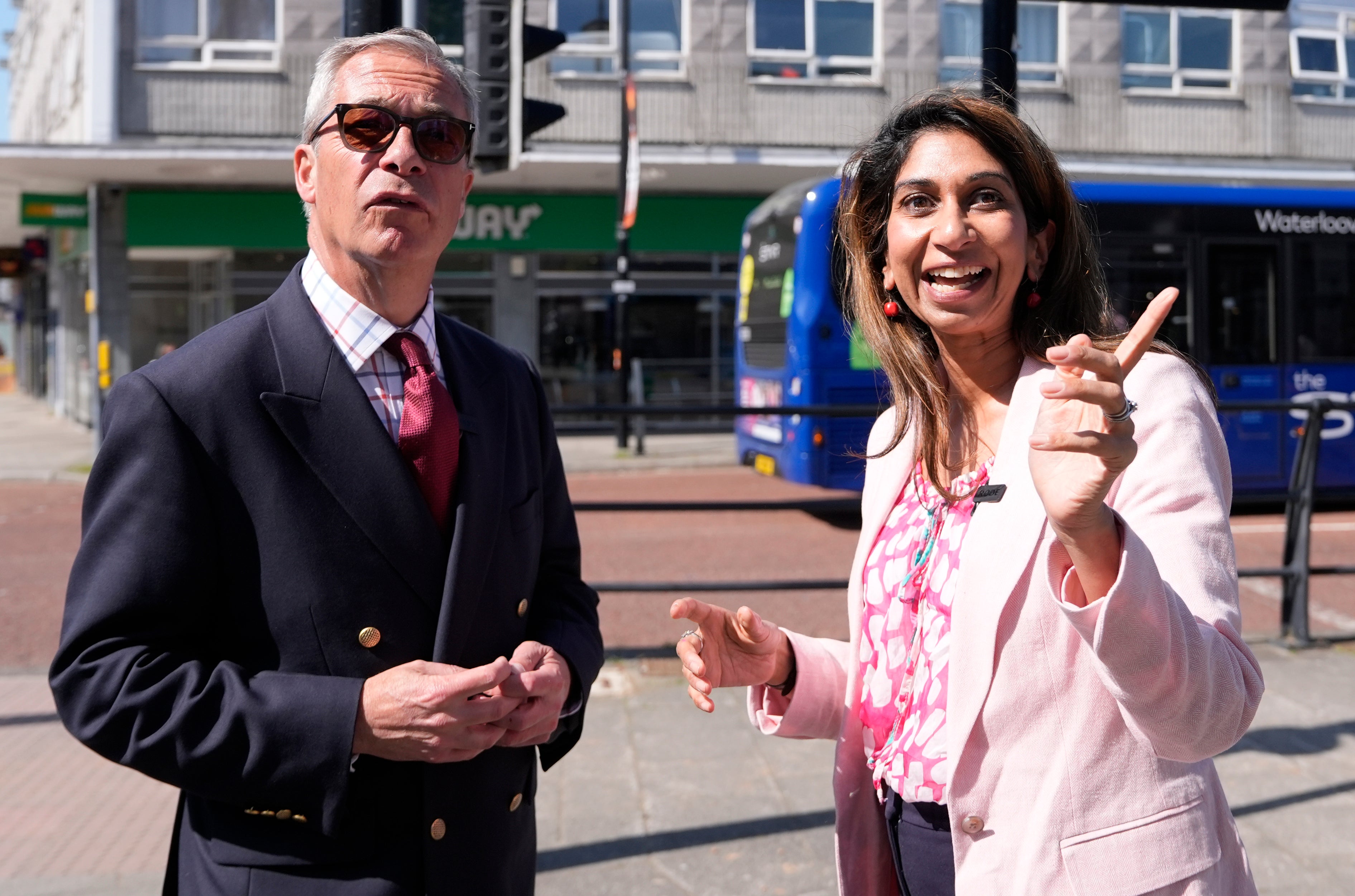
And despite suggestions that there could be a stampede to Reform by Tory MPs, the defections have in fact long since dried up, with the last MP to switch sides being former home secretary Suella Braverman on 26 January.
Since then only the arrival of ex-Newham mayor Sir Robin Wales from Labour on 4 March has been a defection of any significance.
In the meantime, the lure of Rupert Lowe’s Restore Britain on the right has seen a steady stream of defections from Reform members, including seven councillors.
Nigel Farage set the deadline of 7 May – the same day as the local and devolved elections – on 15 January at the press conference where he welcomed Mr Jenrick to Reform.
It was a message to Tory MPs, in particular. Mr Farage said that the elections on 7 May would be the day the Conservative Party stopped being a national party, such would be its losses.
The idea was that Tories on the right who had been nervously weighing up whether they defected to Reform would stop dithering and just do it.
But since then only Romford MP Andrew Rosindell on 18 January followed by Ms Braverman eight days later took the plunge.
From a watch list of 11 Tory MPs revealed in The Independent following Jenrick’s defection, only Rosindell and Braverman actually switched allegiances.
Reform targets like Katie Lam, Lewis Cocking, Sir John Hayes, Mark Francois, Esther McVey, Sir Desmond Swayne, Matt Vickers, Joy Morrisey and Bradley Thomas stayed put.
Even Tory peers like Lord David Frost and Lord Stewart Jackson, who had been rumoured to be ready to move and had less to lose potentially than MPs, did not join Reform. If all those who had been expected to defect had done so then it may well have been curtains for the Conservatives after 300 or so years of history, with a critical mass switching to Reform.
But instead the deadline did not provide the incentive Mr Farage may have hoped for.
Tory Party 2.0
Whether the parliamentarians who defected to Reform did so because they believed in what Mr Farage was selling has been widely disputed.
Mr Jenrick switched out of ambition. The former minister was sacked from Ms Badenoch’s shadow cabinet after it emerged that he had been plotting to defect when screenshots of Jenrick’s defection letter and media strategy were handed to the Tory leader’s office, exposing a plan to attempt to strike a devastating blow to his former party as he jumped ship.
He had calculated that he could not replace Kemi Badenoch as Tory leader and would stand a much better chance of being a potential heir to Farage at Reform.
Meanwhile, according to friends of fellow defector Mr Rosindell, his decision to swap parties was much more linked to his status as “Mr Romford” than any ideological reasons.
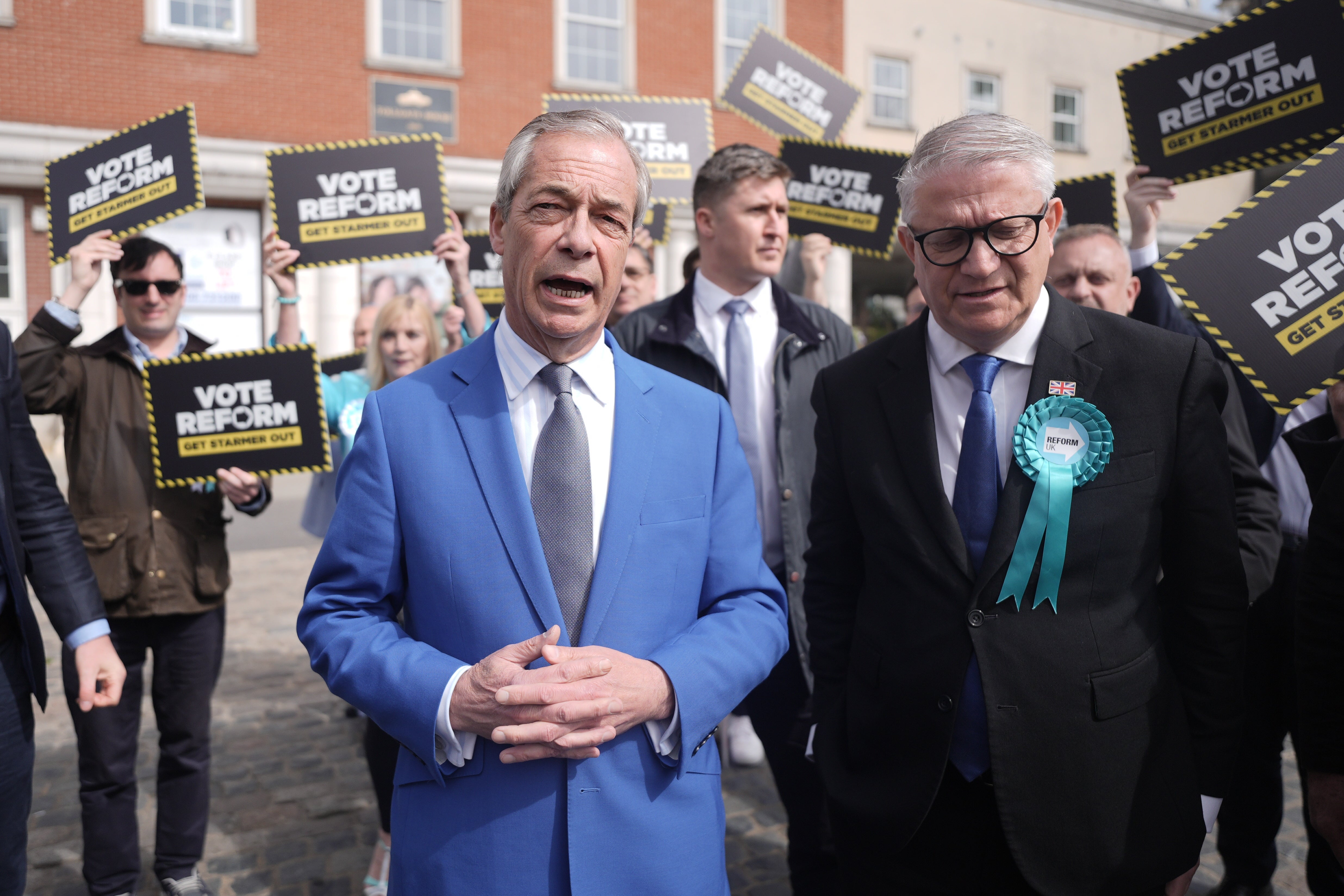
“All Andrew’s [Tory] councillors were about to go to Reform so he felt he had to go with them,” said one Conservative MP.
Ms Braverman’s husband had previously been a signed-up member of Reform UK, while she had become so detached from the Tories that she had rarely been seen in parliament.
Reform’s Scottish leader Lord Malcolm Offord was another who was struck with ambition. According to Conservative sources, his demands to be the Tory leader in the Lords had been rebuffed and days later he was standing on a podium next to Mr Farage.
Others including Sir Jake Berry, Nadine Dorries, Marco Longhi, Jonathan Gullis and Dame Andrea Jenkyns were no longer in parliament. Only Danny Kruger appears to have joined for ideological reasons.
But even though Mr Farage failed to get the critical mass of defections he had hoped for, the number of ex-Tories in senior positions had been a concern for the Reform base and original supporters.
According to one support tracker, around 9 per cent of Reform’s support is “wobbly” and does not like the party “being Tory 2.0”.
One long-time ally of Mr Farage said: “People do not want failed Tories back in government. They want something new and Nigel has allowed himself to get distracted.”
This is why Mr Lowe’s new party is picking up so many former Reform members.
But Tory MPs who were targets disagree with the “Tory 2:0” tag.
Privately several have said that the lack of policies, the way Reform “took out” their friends at the last election, the concerns over racists in Reform and the suspicion the party is made up of “grifters on the take” with scandals over Farage receiving £5 million and Richard Tice not paying tax, have all contributed to Reform not being an attractive landing spot.
As one Conservative MP put it: “Why would I want to join a party which is not really conservative, is never in parliament for the big votes on Chagos or veterans, where the leaders only believe in themselves and not in values?”
Local elections: What time will results be announced in England, Wales and Scotland?
Lib Dems are no ‘flash in the pan’, says Davey as party eyes council gains
Reform plans ‘threaten maternity leave and job security for 500,000 pregnant women’
Eve-of-election poll suggests SNP’s lead is ‘tightening’
Zack Polanski’s four major gaffes as local elections loom
Zack Polanski falsely claimed to be British Red Cross spokesperson