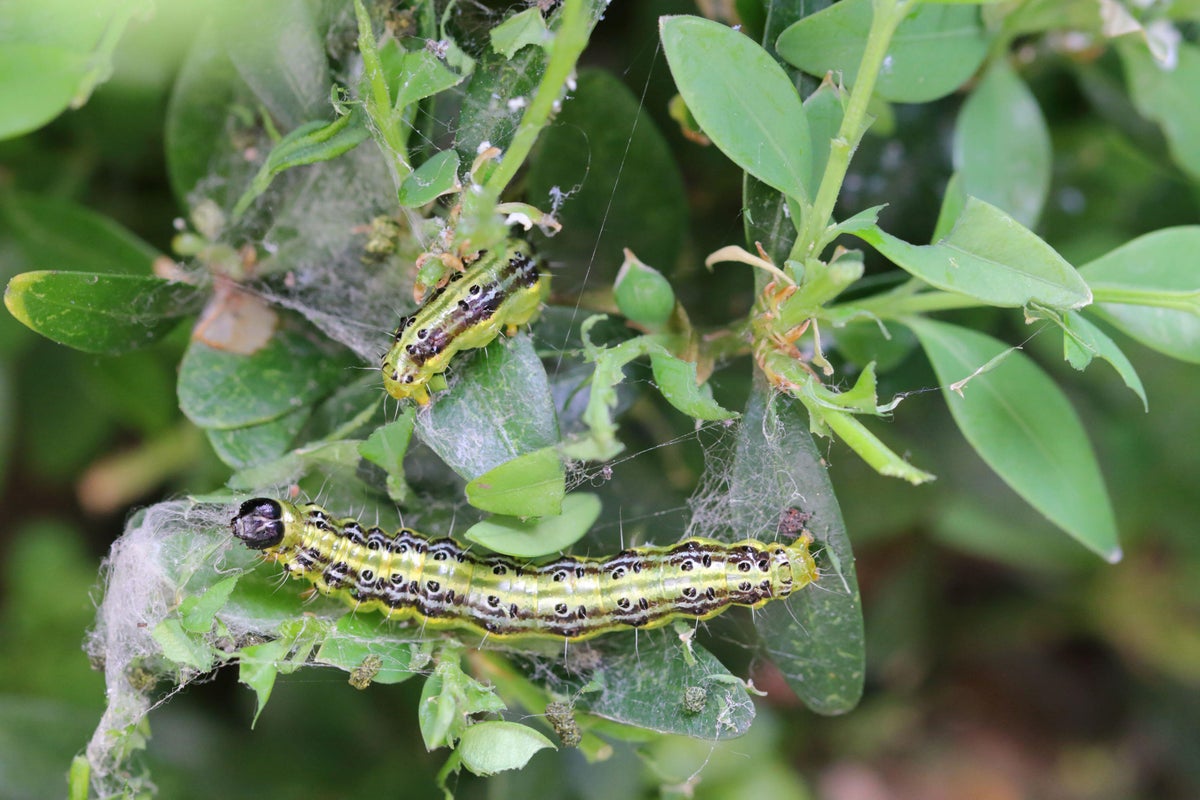
With spring's arrival, many gardeners brace themselves for the sight of caterpillars, often anticipating the devastation of prized crops like cabbages and Brussels sprouts.
While the prospect of decimated leaves can be daunting, these creatures are, in fact, "incredibly important for biodiversity," according to expert Kate Bradbury.
The garden writer and broadcaster, who specialises in wildlife gardening, serves as an RHS ambassador, supporting the charity’s Planet-Friendly Gardening Campaign.
“Over the years we’ve been taught to see caterpillars as a threat in our gardens,” she says.
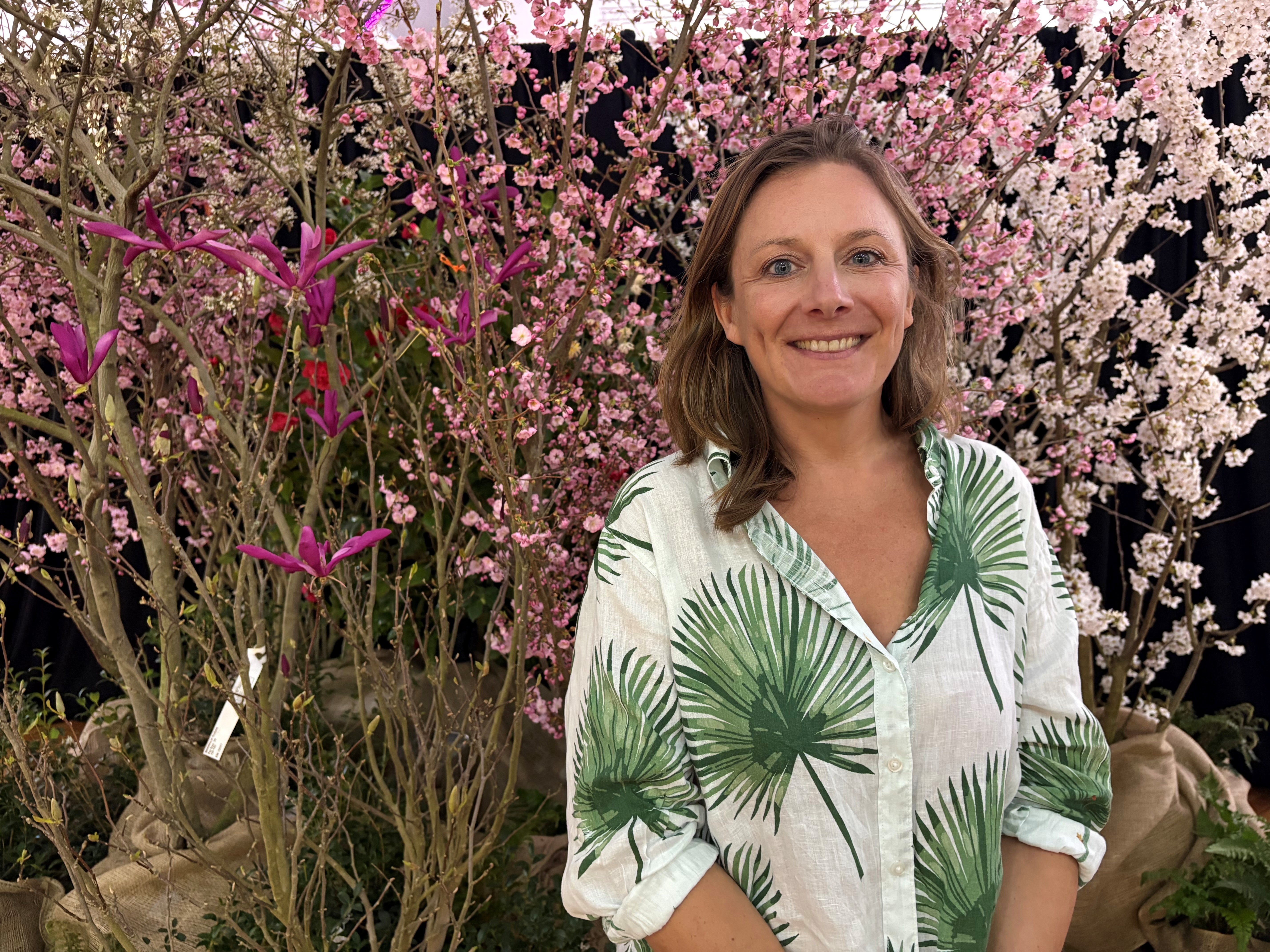
“I remember when I first started gardening, I bought my first gardening magazine and you’d open up this page and it would say ‘Jobs for the weekend: check caterpillars, remove caterpillars, remove slugs and snails’. It’s just been indoctrinated into us.”
“There are lots of different types of caterpillar, but only a few species give the others a bad name, they don’t all destroy plants,” she points out.
So, how do caterpillars benefit our gardens?
They provide food for birds and other wildlife
“We should view caterpillars as part of the garden’s ecosystem. I think it’s worth always remembering that caterpillars are right at the bottom of the food chain, so loads of other species eat them,” Bradbury observes.
“Baby birds eat them. One baby blue tit needs to eat 100 caterpillars a day for the first three weeks of its life. Hedgehogs eat them. We think hedgehogs eat slugs and snails, but they actually prefer caterpillars.
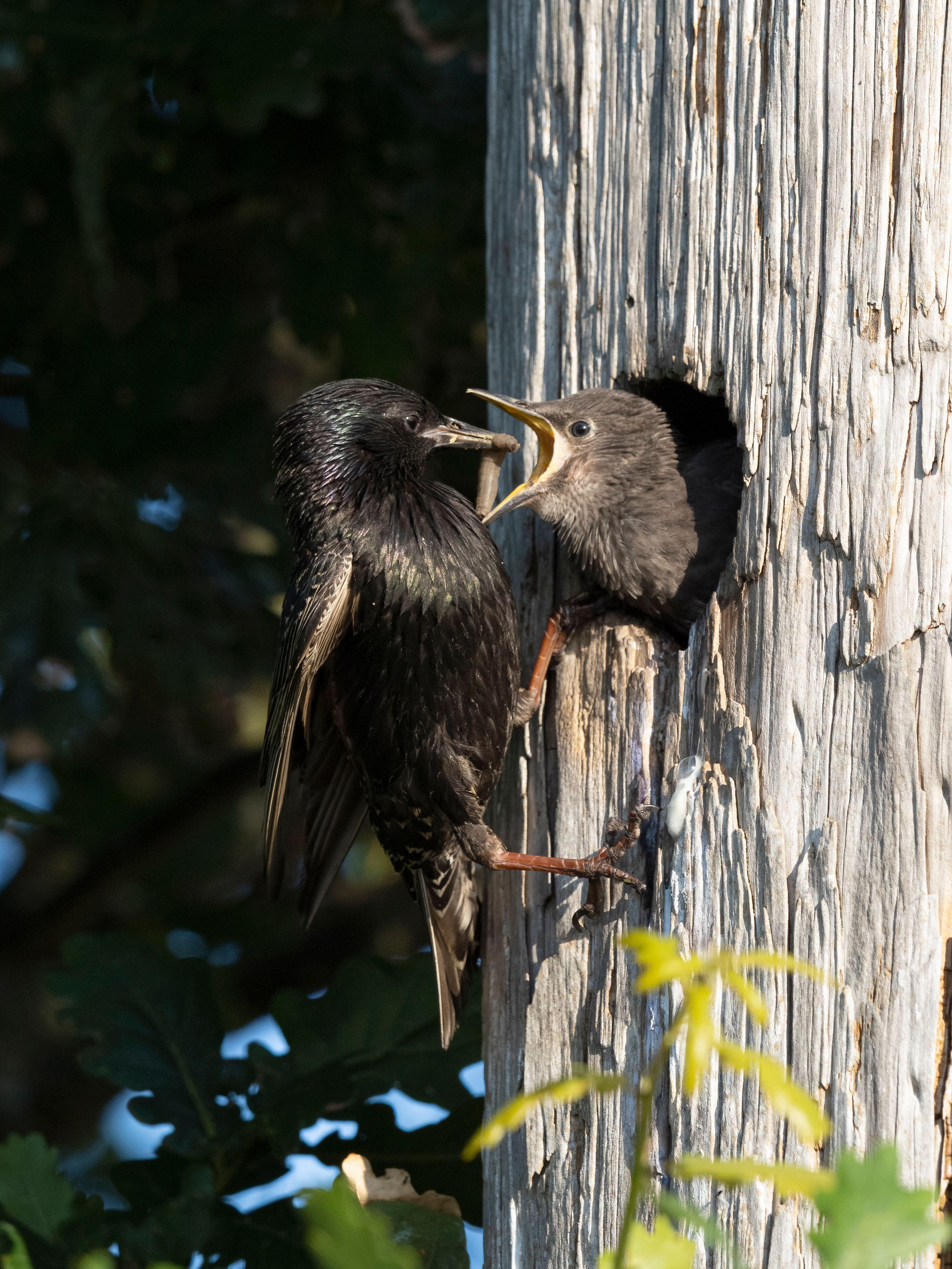
“So the more caterpillars we allow in our gardens, the more species we bring in, the more biodiversity we have as a whole and the more alive our gardens are.”
What about the box tree moth?
The caterpillars of this moth defoliate and can destroy box hedging, but that’s a non-native species, she points out.
“What happens with new arrivals is that there are no natural predators to clear them up,” she says.
“In the last 10,000 years, all of our native species have evolved together, and there are natural checks and balances that keep everything in in place.
“When you have something new coming in, it takes a few years for that to settle.
“But I’ve seen robins eating the adults. There are various parasitic wasps that are keeping them in check as well. So I have hope that with box tree moths, we start to see populations go back down again.”
Caterpillars provide water
Caterpillars are made up of between 70-90 per cent water, she says, thereby providing important moisture for young birds, especially when the weather is warm and dry.
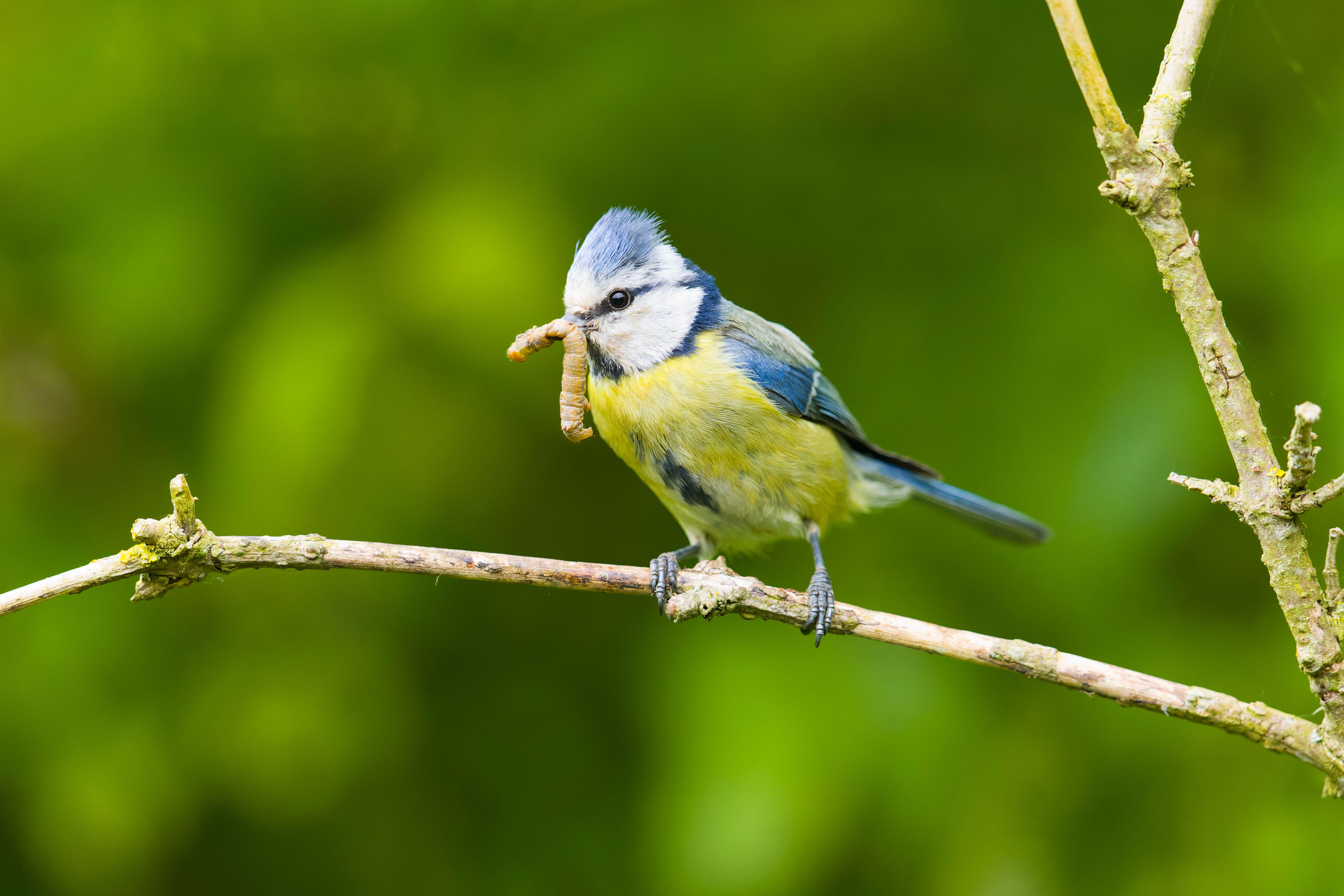
“Birds don’t carry water into their nest, so the only moisture the chicks get is often caterpillars and other grubs, things like earthworms. In a dry summer, they are not going to get earthworms out of the ground.
“Caterpillars are freely available on leaves, so the more we have in our gardens, the more chicks will survive dry springs.”
So, what can you do to minimise crop damage and encourage caterpillars into your garden?
Grow sacrificial crops
If you are growing veg such as Brussels sprouts, cabbages or other edibles which caterpillars love, grow some plants which you don’t mind sacrificing to keep them off your prized ones, she advises.
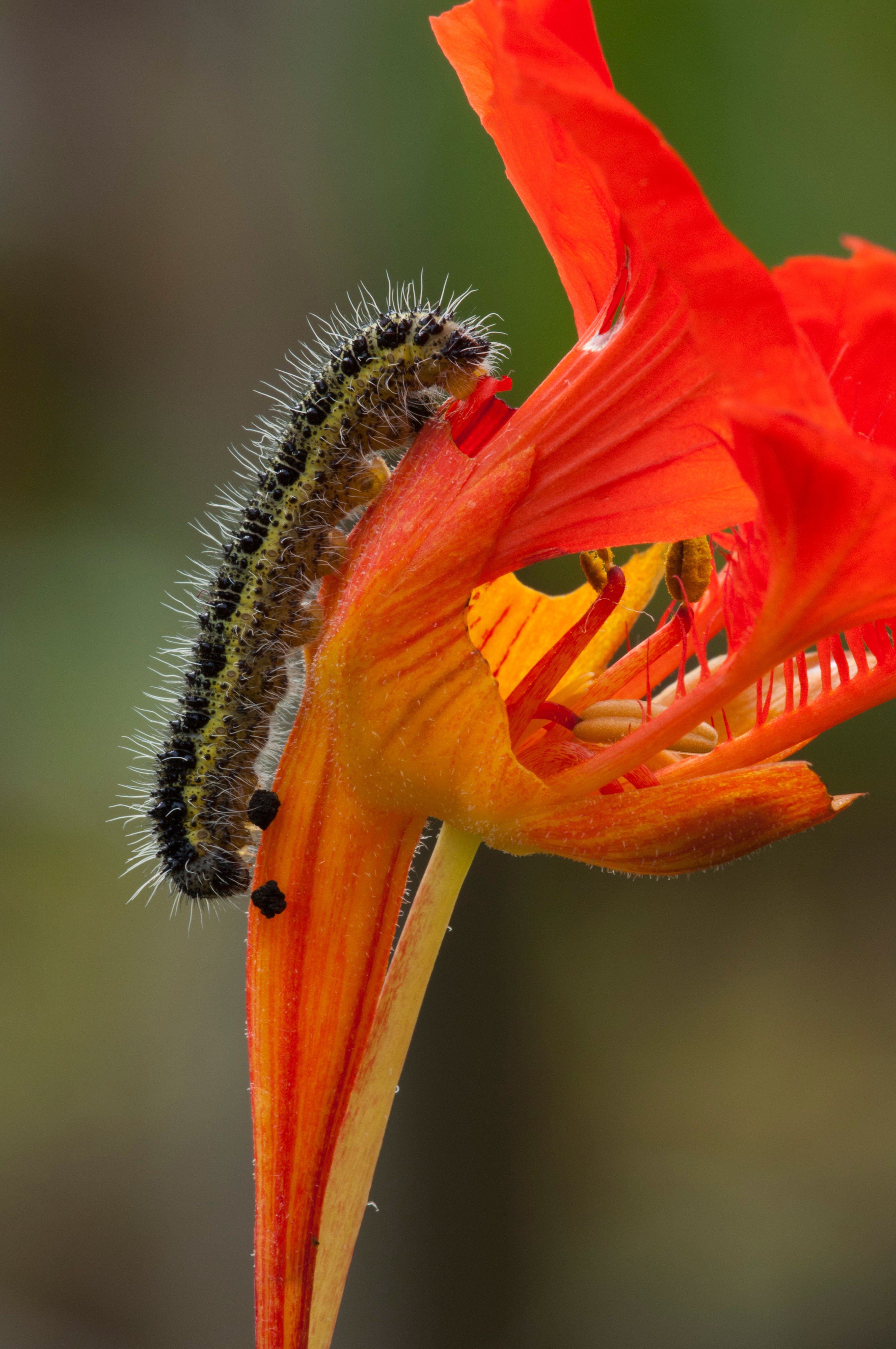
“The cabbage white’s the one that gives everything a bad name, but I grow brassicas and then I grow nasturtiums next to them, because they are loosely related.
“The large white caterpillars will feed on the nasturtiums quite happily. I will take a leaf off and use a clothes peg to attach that leaf to a nasturtium so the caterpillars can just naturally go on and start eating nasturtiums, or when they’re bigger, if I’ve missed them at earlier stages, I’ll just pick them off, pop them in (to the nasturtium) – and then the brassicas survive.”
Grow caterpillar-friendly plants
Mixed native hedges are among the best species to grow, says Bradbury.
“They’re really important for combating climate change, they absorb a lot of water and they help filter the wind, so you can reduce storm damage in your garden by having a hedge,” she says.
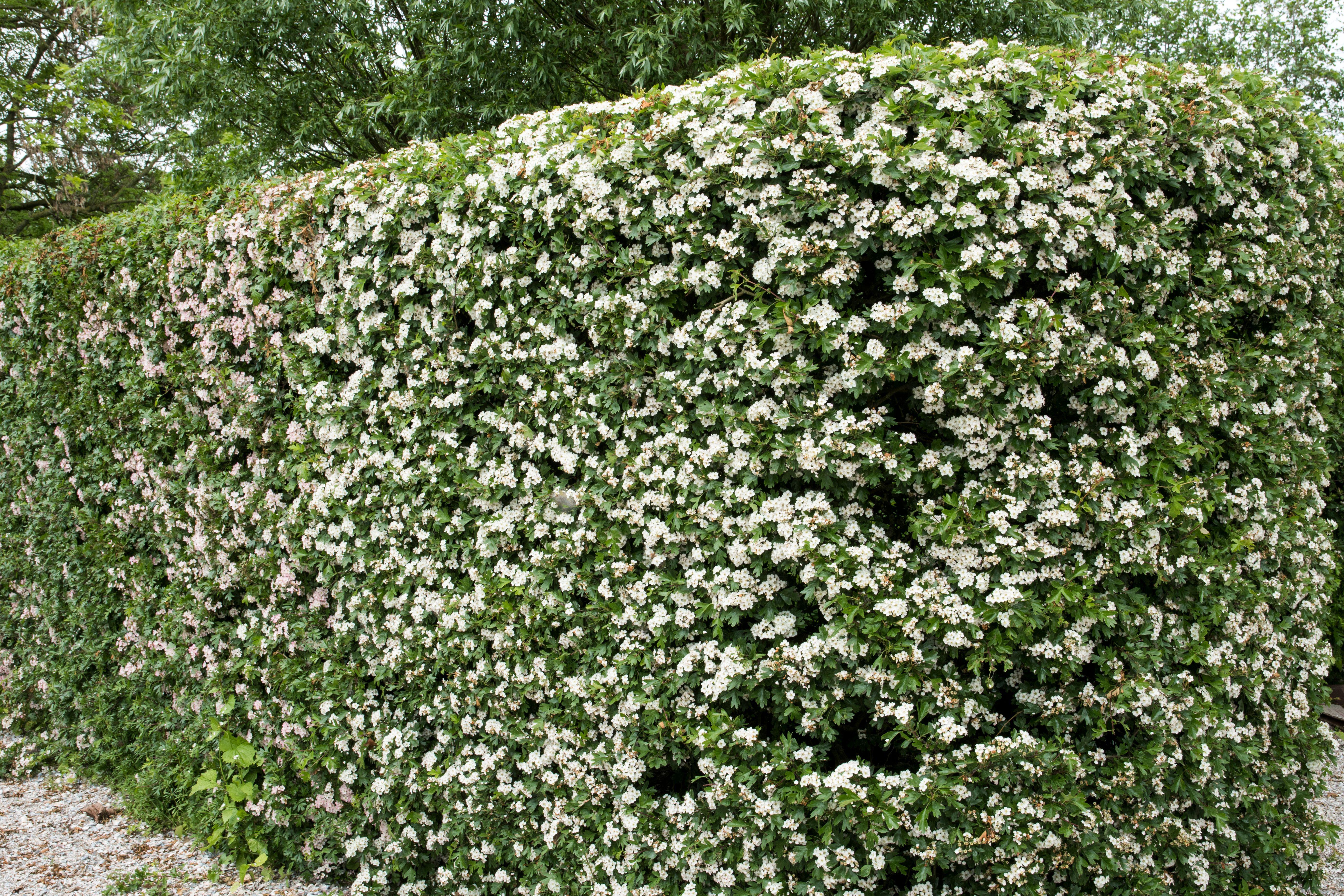
A mixed native hedge such as hazel or hawthorn provides shelter and nourishment for many different species – breeding grounds for moths, food and shelter for caterpillars, flowers for bees and berries for birds, she points out.
Long grass is also really useful for wildlife, she continues.
“Long grass is the best thing that we can have in a small garden for the caterpillars of butterflies and moths, even in a small space. In the really small space I’ve got, I’ve got five species breeding on my allotment in little bits of grass around the plot.”
Other plants which can become a feeding ground for include foxgloves and native plants that we used to consider weeds, including red campion, she suggests.
“The caterpillars only really eat the seeds (from the seedhead of the flower). You find them in the little pepper pot seed heads.”
Monty Don reveals Britain’s greatest gardens from royal estates to private plots
Experts weigh in on whether or not you should use out-of-date seeds
Stop watering your plants once a week, expert warns
The 5 simple gardening jobs that might give you a mental wellbeing boost
The best flowers and plants to spruce up your spring garden, according to the experts