
There's a peculiar thing that happens in creative agencies every year around the end of March. Someone slides into a Slack channel and types 'what if we just...' and then pitches something completely unhinged. For one glorious day, the answer is: 'yeah, go on then'.
April Fools' Day is the one occasion when brands are officially permitted to be weird, honest, self-aware and funny all at once, and the results are frequently better than anything that's survived 12 rounds of client feedback. This year's crop was particularly strong. Here are the ones most worthy of your attention.
Yahoo's Scrōll Stoppr: the most honest product launch of the year
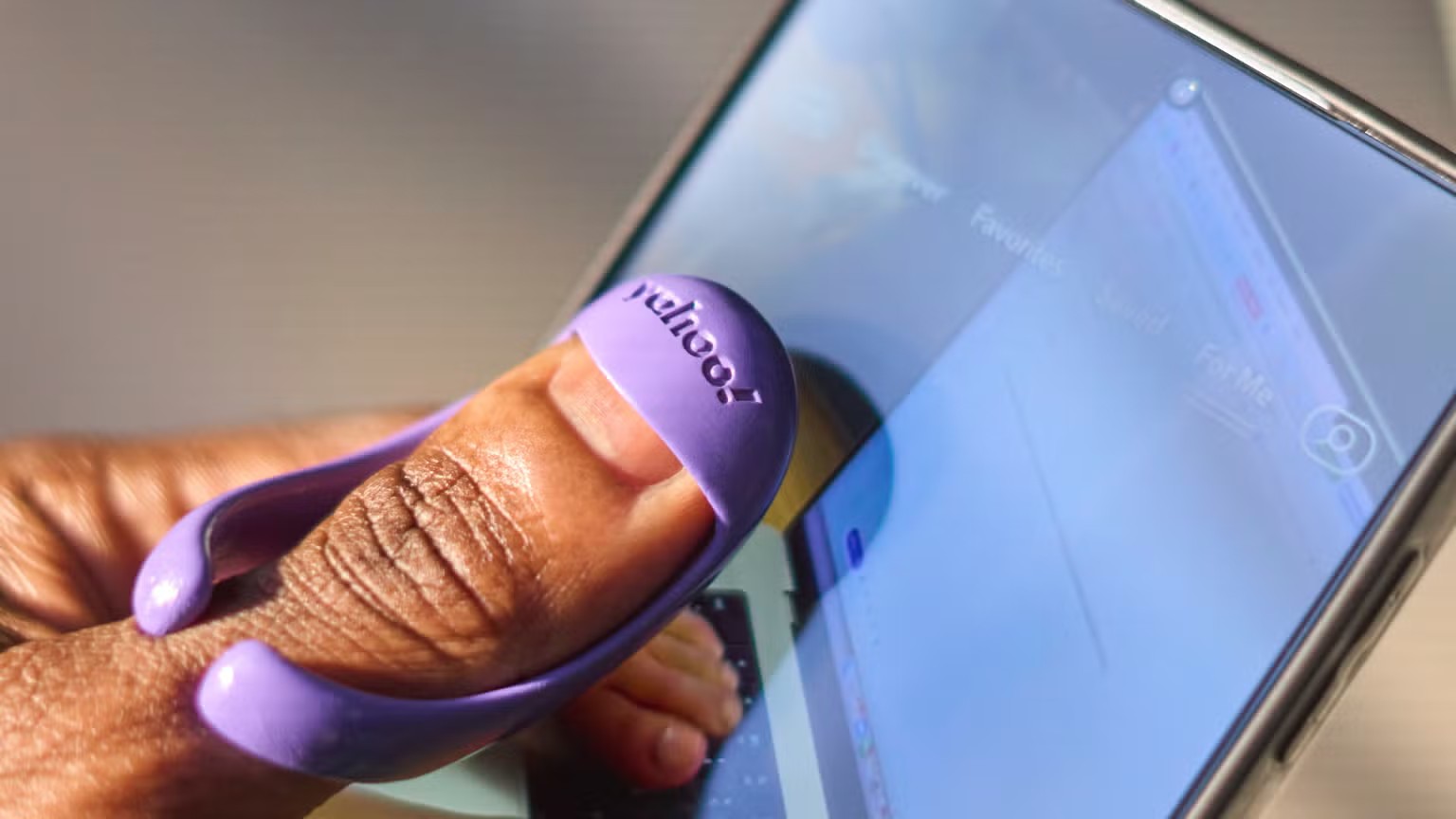
Yahoo News kicked off proceedings with the Scrōll Stoppr: a small weighted ring for your thumb that makes scrolling physically impossible. But here's the twist: it was actually real! You could buy one for $4.99 on the Yahoo TikTok Shop, delivered in a box that plays the classic Yahoo yodel. It sold out fast.
The genius isn't the gag itself; it's the self-awareness behind it. Yahoo is a news aggregator, a platform that profits, at least in part, from the very habit it's mocking. That takes nerve. "Our products are built to help you accomplish your goals, not go down rabbit holes," said Kemma Kefalas, head of creative lab at Yahoo. Which is either admirably honest or deeply ironic.
Snapchat Reals: the sharpest dig in the room
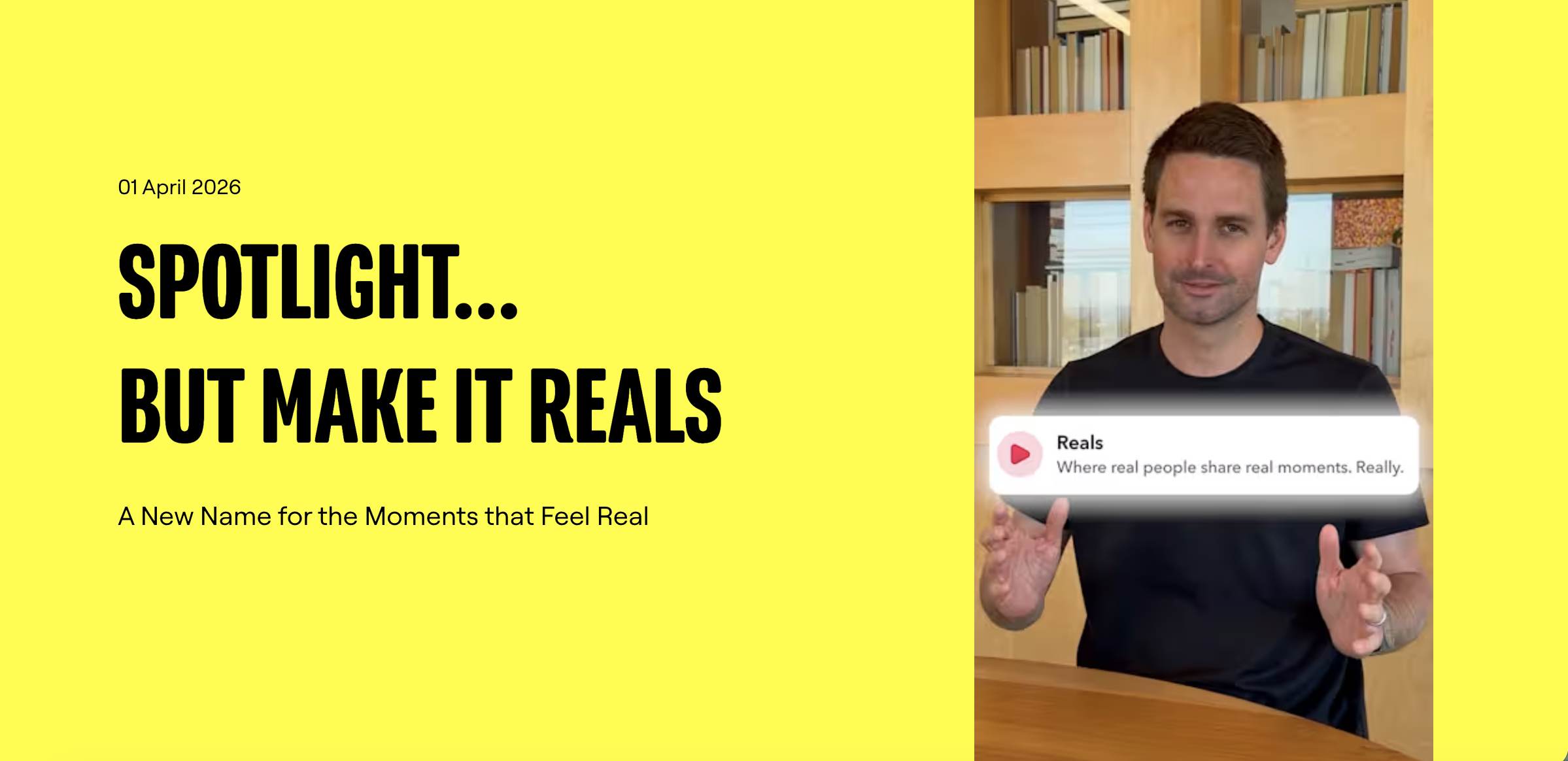
Here's another masterclass in the art of ironic self-awareness. Snap co-founder and chief executive Evan Spiegel appeared in a deadpan video to announce that Snapchat's Spotlight feed was being renamed "Reals": a pointed reference to Instagram Reels, which was itself a copy of TikTok, which borrowed heavily from... you know how this goes.
The marketing copy was a thing of beauty: "Real people. Real moments. Really." For any creative who's ever had to write copy that politely sidesteps saying "yes, we copied that," this was cathartic viewing.
Snap invented Stories. Instagram took it. TikTok ran with it. Now Snap gets to spend one day a year reminding everyone of that, with a smile on its face. It's petty, it's pointed, and it's very funny. Job done.
T-Mobile CALLoGNE: absurd, committed and weirdly effective
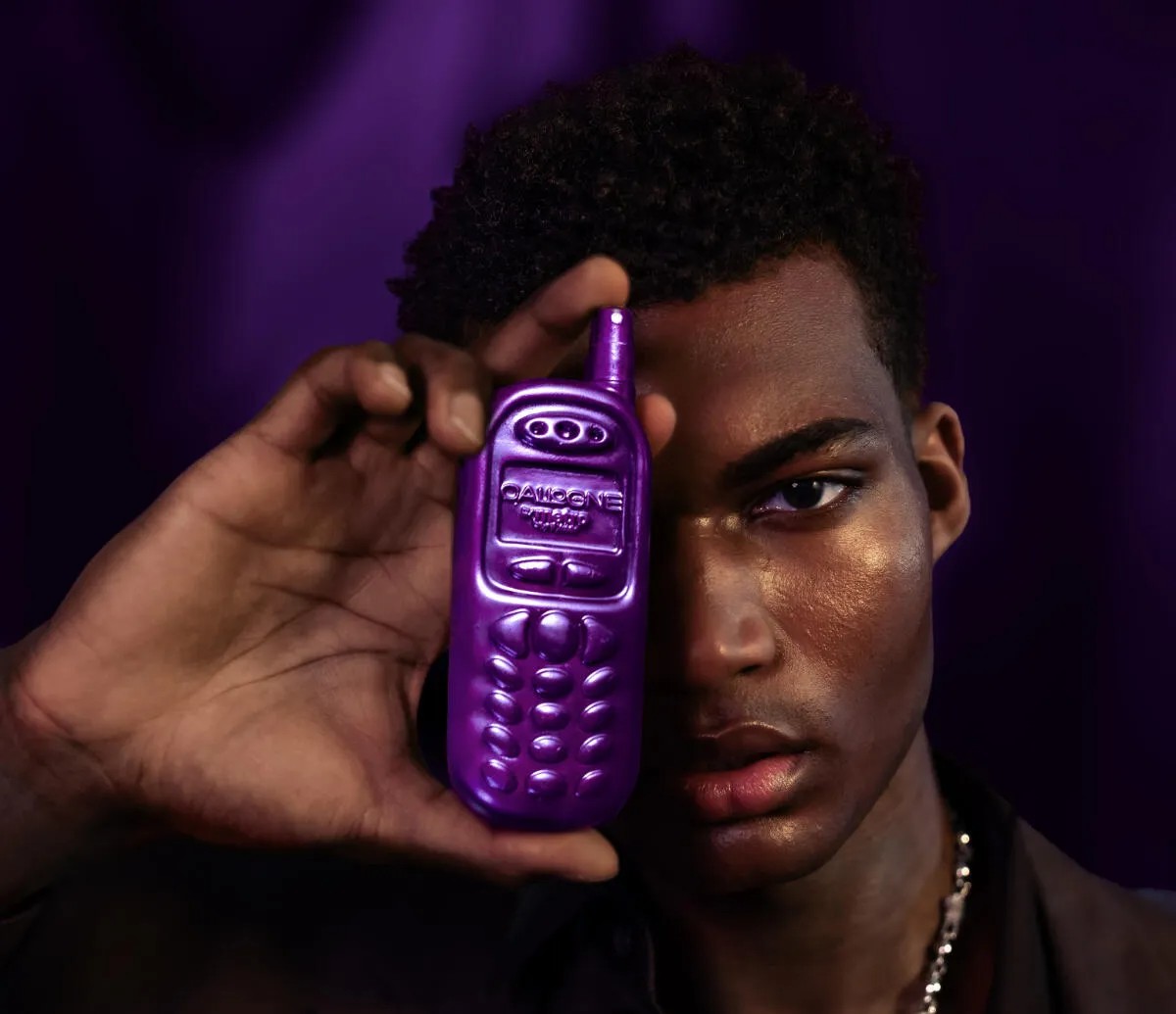
T-Mobile's prepaid brand Metro unveiled CALLoGNE, billed as "the world's first luxury fragrance inspired by the unmistakable scent of a brand-new phone". They sent spray bottles shaped like a magenta handset to tech influencers. The bottles were real. The cologne was not.
What makes this work is total commitment. The name is a clever portmanteau of "call" and "cologne," the art direction was sleek, and the brief was clearly fun to write. It's also, in a roundabout way, an ad for the feeling of getting a new phone, which is exactly what Metro sells. Silly? Yes. But also stupidly brilliant.
iFixit's MacBook Neo recall: satire with a point
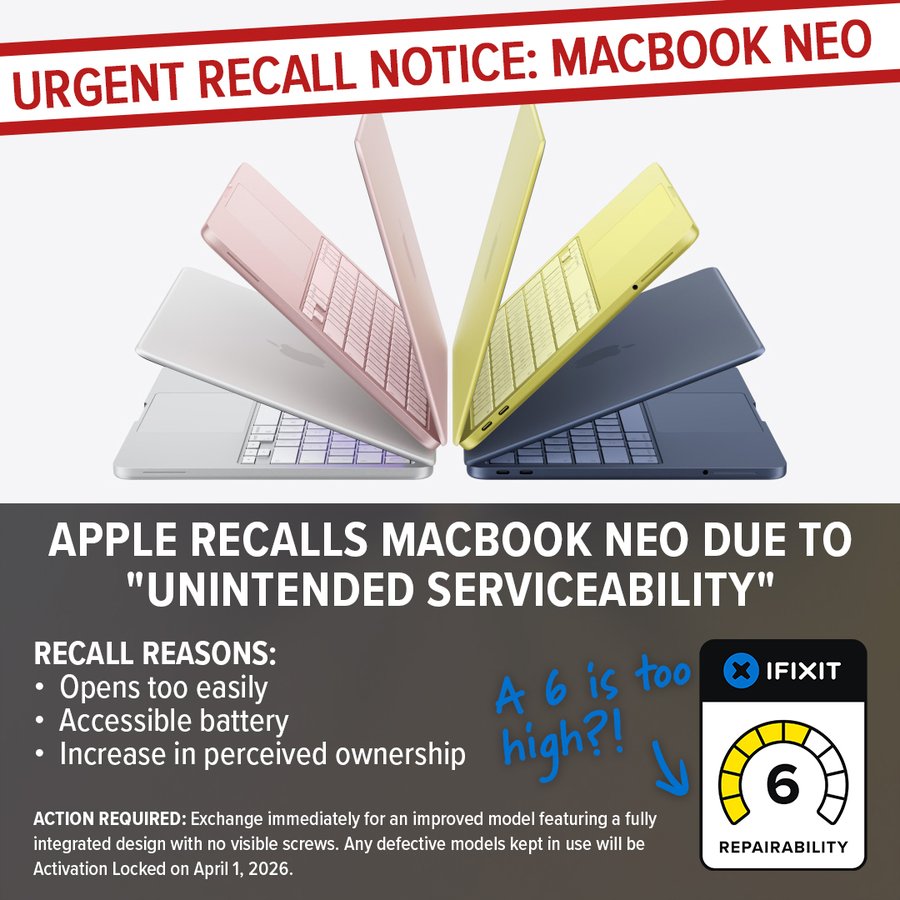
Repair-focused tech company iFixit reported that Apple had issued an emergency recall for its new MacBook Neo, following the discovery of a critical design flaw: it was accidentally too repairable. The battery, held in with magnets rather than industrial glue, had been flagged internally as a "security risk."
This one works because it's not really a joke. iFixit campaigns year-round for the right to repair, something that Apple products are notoriously bad at providing, and this prank is essentially a press release dressed up as satire. Every creative who's ever had to smuggle a serious message into a light-hearted format will recognise the move immediately: tell them something true, but make them laugh first.
Philips Hue PartyAware: a focus group disguised as a prank
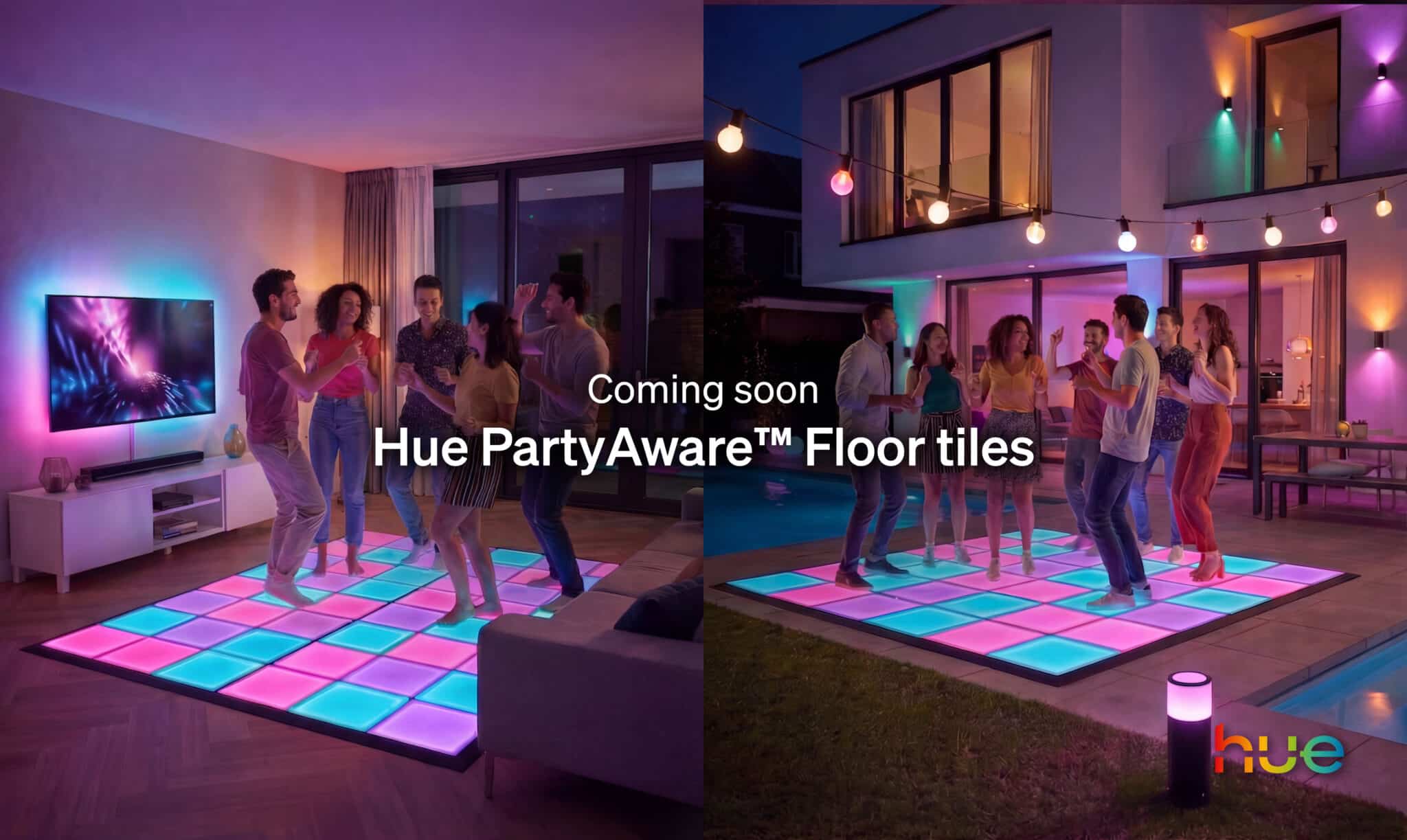
Smart-lighting brand Philips Hue teased modular LED floor tiles that react to music and footsteps. The internet's response was immediate: please, take our money.
The company confirmed it was a joke. The internet didn't really care. Philips had, somewhat accidentally, just run a global product-launch focus group with zero budget. The lesson for creatives is a simple one: sometimes the "joke" idea is actually the roadmap.
Cup Noodles heatless curlers: when the joke brief is better than the real one
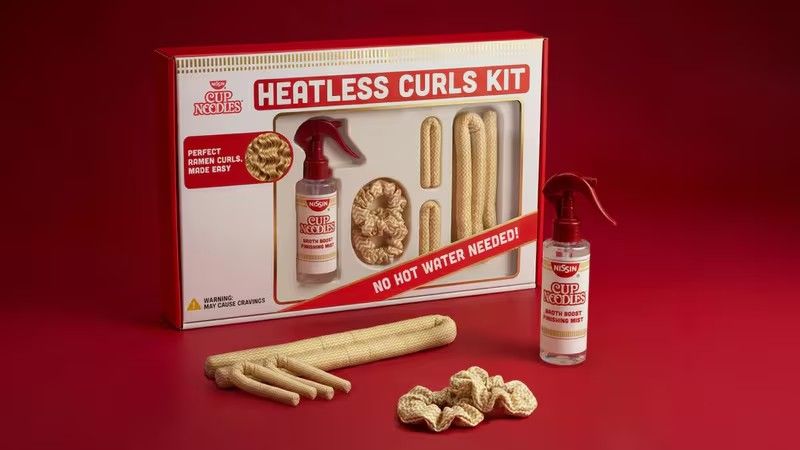
Nissin's Cup Noodles announced a heatless hair curler kit, complete with noodle-coloured rods and a "Broth Boost setting spray". It was absurd, it was perfectly on trend (heatless styling is properly big right now) and social media promptly lost its mind asking where to buy it.
It's a textbook example of what April Fools joke can do: reveal a product extension the audience didn't know it wanted until it saw it. The underlying insight, that the Cup Noodles brand has enough cultural pull to live comfortably outside the kitchen, is worth considerably more than the prank itself.
Key takeaway
The best April Fools' stunts this year weren't random acts of silliness. They were sharp, self-aware and, in several cases, more honest than the brands' actual campaigns ever manage to be.
The lesson? If you want a brief that cuts through, apparently all you need to do is pretend it doesn't count. Something to consider the next time someone types "what if we just..." into your Slack channel.