
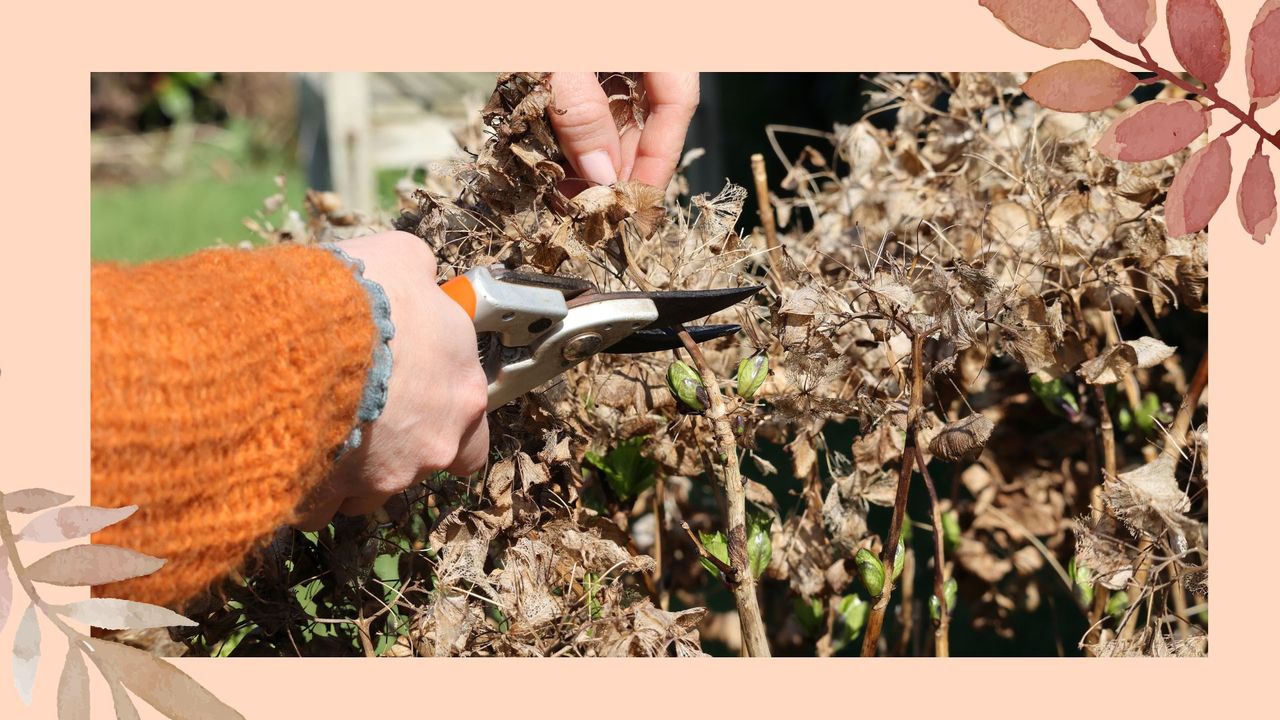
Generally, the consensus is to cut back hydrangeas in spring, but with the weather being so changeable this year, we're wondering how late in spring is too late to cut hydrangeas back?
How to prune hydrangeas and when to prune in the UK depends on the type of hydrangea you have, as different species require different approaches. Some require cutting back this spring before it's too late, but what is the cut-off point for pruning in March or even April?
We've asked our team of gardening experts for their professional advice on when and how to cut back the different types of hydrangeas this spring...
When is it too late to cut back hydrangeas?
Knowing when to prune hydrangeas is the key to encouraging new blooms. But knowing when in spring can feel tricky because the weather is still somewhat unpredictable, which can adversely affect the optimum timing.
“It’s always best to prune back hydrangeas in early spring before the new growth begins in earnest, so you’ll want to tackle this job just as leaves are beginning to show," says Andrew O'Donoghue, one of the co-directors at Gardens Revived. "Any later and you risk cutting off next year's flower buds. The only exception to this rule is climbing hydrangeas, as these are ideally pruned after flowering in summer.”
"In the UK, the latest sensible time to cut back hydrangeas in spring is usually late March to early April, but it depends on the type of hydrangea you have," explains our resident gardener, Orpheus Alexander. "Some hydrangeas form their flower buds on last year’s stems, while others bloom on new growth produced in the current season."
"Popular varieties such as Hydrangea macrophylla and Hydrangea quercifolia flower on old wood, meaning heavy pruning after early spring can remove this year’s blooms. If you are pruning these later in the season, it is best to simply remove any dead, damaged or very weak stems and leave healthy growth intact."
"By contrast, varieties including Hydrangea paniculata and Hydrangea arborescens flower" on new wood, so they are more forgiving and can be cut back a little later, even into April, without sacrificing flowers. In fact, a firmer prune can encourage strong stems and larger blooms."
"As a general rule, once buds have started to swell and leaves are emerging, it is best to avoid any hard pruning. At that stage, a light tidy is safer than a dramatic cut-back. If in doubt, err on the side of caution- hydrangeas can always be pruned more selectively after flowering."
Because experts recommend pruning hydrangeas when the weather is dry and mild, the process can be delayed even in spring.
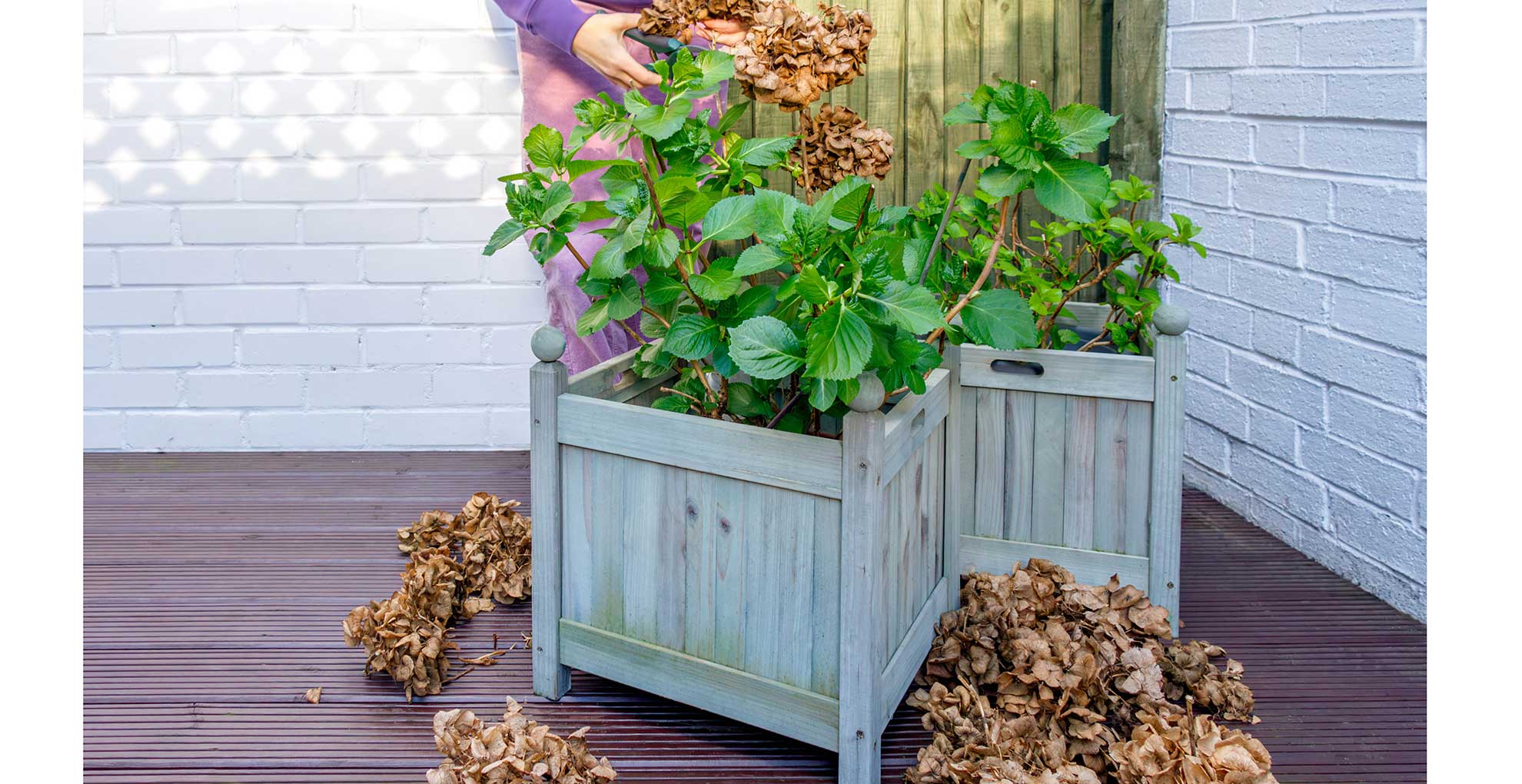
Similar to timing when you first cut the grass after winter, you should wait until temperatures are consistently above 8 degrees. Keep an eye on the rain forecast also, as pruning during Wet conditions can promote the spread of diseases, so it is always best to avoid it.
Andrew then points out that the other optimum time to prune hydrangeas, if you miss spring, is once the flowering season ends in late winter.
When to prune different types of hydrangea
There are three types of hydrangeas, all of which require a different approach to when and how you prune each, as our expert professional garden designer Marlene Lento explains below...
Hydrangeas that bloom on new wood
"These hydrangeas produce flowers on new growth that emerges in the current season," explains Marlene. "They can be pruned in early spring before new growth begins. Examples include Hydrangea paniculata, and Hydrangea arborescens."
This variety can also be pruned in winter once the flowering season has finished. To prune this type you need to take the following steps:
- Cut back the stems to a few inches above the ground.
- Remove any dead or weak stems.
Hydrangeas with minimal pruning requirements
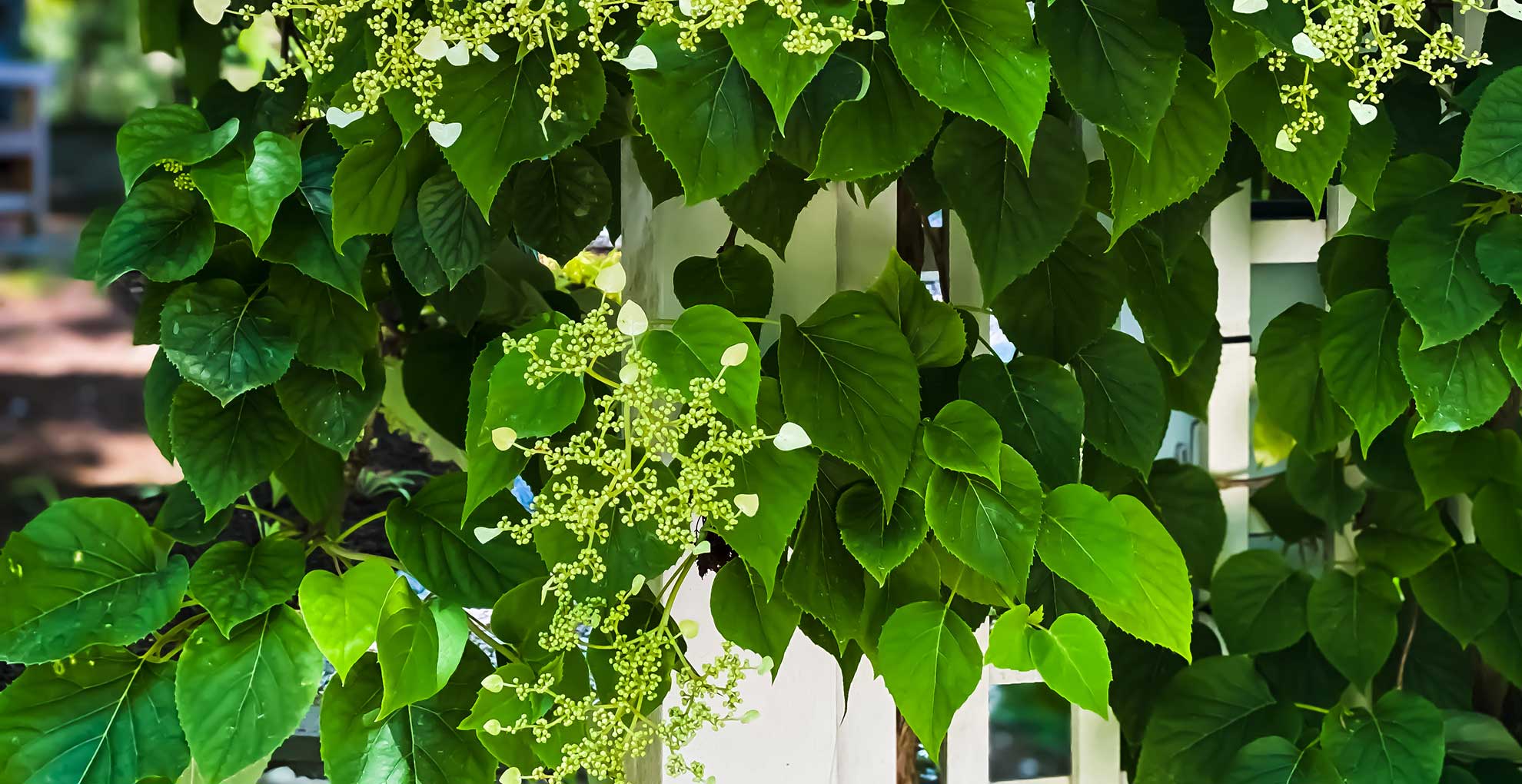
Some hydrangeas require very little by way of pruning, including climbing hydrangeas as Andrew mentioned before.
"Certain types such as Hydrangea anomala subsp. petiolaris (Climbing Hydrangea), require minimal pruning, " Marlene agrees. "You can remove any dead or damaged growth in early spring or late winter."
So this isn't a hydrangea variety that you have to worry about being too late to cut back this spring, because it might not require any pruning at all.
Hydrangeas that bloom on old wood
These types of hydrangeas produce flower buds on stems grown the previous year.
"These should be pruned immediately after flowering, which is usually in late summer or early autumn," says Marlene. "Examples include Hydrangea macrophylla, Hydrangea serrata, and Hydrangea quercifolia."
- Prune out any dead or weak stems.
- Trim back the flowering stems to a pair of healthy buds.
FAQ
What happens if you leave it too late to prune in spring?
Pruning is highly recommended but not necessarily essential. As our resident garden expert, Holly Crossley explains: "Most hydrangea varieties can be cut back in early spring, as leaving the old flowerheads on over winter protects the stems from frost, as well as providing sculptural interest to the garden. However, if you forget (or leave it too late), don't worry – they should still flower, but the plants may not look their best."
How far down you prune hydrangeas?
How far down you cut back hydrangeas depends on the type. As Orpheus explains: "For varieties that flower on old wood, such as Hydrangea macrophylla and Hydrangea quercifolia, cut just below the faded flower head, pruning back to the first strong pair of buds. This usually removes around a quarter to a third of the stem. Avoid cutting too low, as you may remove this year’s flowers."
"For types that flower on new growth, including Hydrangea paniculata and Hydrangea arborescens, stems can be cut back harder to around 15–30 cm (6–12 inches) above the ground, just above a healthy pair of buds."
What is the best time of day to cut hydrangeas?
So we now know when, in terms of calendar months, but what is the best time of day to cut hydrangeas? Because, similar to knowing the best time of day to water your lawn, that too can hugely affect the results.
"The best time of day to prune hydrangeas is in the morning, ideally after the dew has dried but before the heat of the day sets in," advises Marlene. "Pruning in the morning allows the plants to recover during the day, minimising stress and reducing the risk of disease."
"As for weather conditions, it's generally recommended to prune hydrangeas when the weather is dry and mild. Avoid pruning during periods of extreme heat, cold, or wet conditions. Wet conditions can promote the spread of diseases, and extreme temperatures can stress the plants."
If you are unsure which type of hydrangea you have, start with a light prune first – you can always cut more later if needs be.