As petrol and diesel prices continue to rise, there’s a good chance that many drivers will be looking towards electric vehicles as a way to escape continued price hikes.
While charging an EV at home is the easiest and most cost-effective solution, for many, public charging is what they’ll interact with most of the time.
Let’s take a look at how it all works and how to get the best price.
How many chargers are there?
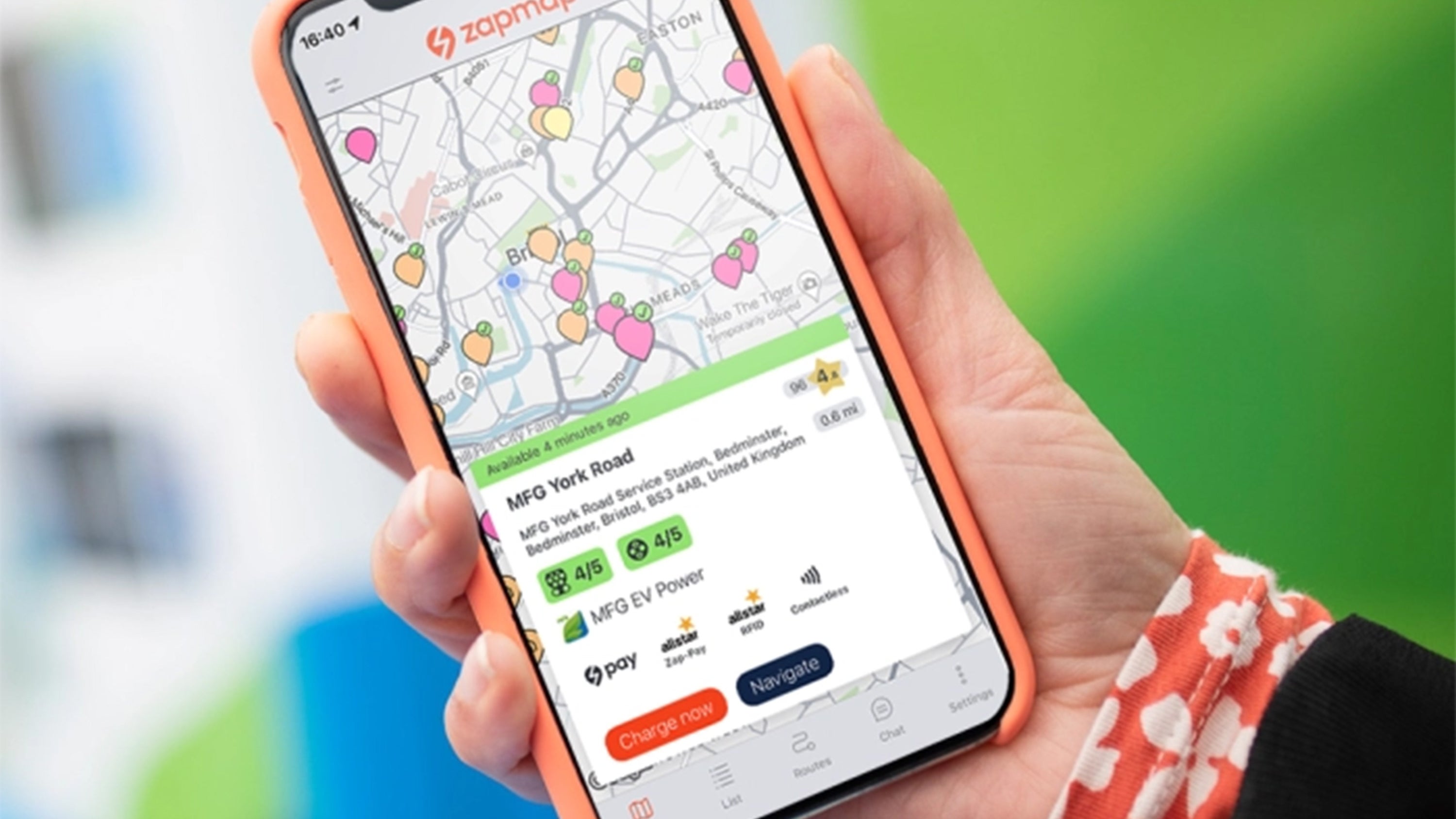
There has been a lot of criticism levelled at the charging infrastructure over the last few years, but it does seem to have turned a corner. According to leading charging mapping service Zapmap, there were 118,321 devices across 45,561 locations as of February 2026. For context, there were 102,771 chargers available at the end of 2024.
These are spread across a variety of speeds, too, but most of the newer installations are faster units designed to deliver a high rate of charge.
What do the speeds mean?
Different chargers are rated to deliver different speeds. The faster the speed, the quicker you’ll be able to charge up a car. The quickest ones in the UK are over 350kW and, in cars which can accept this rate, you could do a 10 to 80 per cent charge in around 18 minutes. However, the most common ones deliver between 3 and 8kW, which is quick enough for full overnight charge.
It’s worth mentioning that just because you find a charger which can deliver a rapid speed, it doesn’t always mean that your car can accept it. Electric vehicles get a maximum charge speed rating and won’t be able to take anything above this. For example, if your car is rated to charge at a maximum speed of 100kW, then that’ll be the quickest it can charge at. Even if you plugged into a 350kW unit, the fastest it’d be able to charge would be 100kW.
What’s the best way to find them?
Zapmap is one of the leading mapping services, so it can be a great place to find a charger nearby. However, there are plenty of other options. Google Maps now lists available chargers, while many vehicles come with charging locations pre-loaded into their native navigation systems.
These in-car systems can be a good option, too, as they’ll be able to work out the best possible places to stop across your planned route. They can also calculate how long you’ll have to charge for, and how much remaining charge you’ll be left with once you finish your trip
How do I check the price?
As with petrol and diesel, prices for electric chargers vary between locations. Again, Zapmap is able to show live prices, as can services such as ChargePrice and PlugShare. These show the locations and the prices that you’ll pay to charge. It’ll be displayed in a price per kilowatt hour, to p/kWh. For high-powered chargers, you can expect to pay in the region of 80p/kWh.
However, charging operators also have apps, and these can sometimes offer discount rates.
Are there any ways to make public charging cheaper?
These discount rates are some of the ways in which you can make public charging cheaper. For instance, you can subscribe to a subscription service on some providers to bring down the charges. Ionity, which operates some of the fastest chargers in the UK, offers a range of subscriptions. Its Power 365 plan might cost £104.99 per year, but it nearly halves the cost of charging, which makes it a good option for drivers who are often travelling long distances and need access to cheap – but fast – charging.
If you’re not in a hurry, then slower chargers will nearly always be cheaper. So if you’re able to spend a little longer without your car, or need to stop overnight somewhere, this will usually result in lower charging costs overall.
How do I pay for charging?
By law, all new chargers are required to have a contactless card reader installed on them to help make payment easier. However, though this method is the quickest, it stops you from being able to access those lower rates – on occasions. It’s why we’d recommend double-checking apps and charging provider services to check what the lowest prices might be.
You may have to activate the charge via an app, but it could be worth it for a cheaper charge.
Easter getaway warning as almost 22 million cars set to hit roads despite fuel price
UK drivers hit with record monthly increase in fuel prices sparked by Iran war
Drivers urged to drive 10% slower to ‘improve fuel efficiency’
Your coupe runneth over: Honda Prelude
Millions of drivers could claim more mileage expenses
Could voice control finally fix the biggest frustration in modern cars?