On Apple’s 50th anniversary, I can’t help but ponder the paths not taken. In recent years, the company almost brought a large, wireless charging mat to market called AirPower. At one point in time, Apple was reportedly developing an electric vehicle.
But of all the Apple products that never were, none have piqued my interest as much as the oft-rumored, Apple-branded smart TV. There have been Apple smart TV rumors as recently as late 2024, and while the company doesn’t seem to be focused on developing its own TV at the moment, I’d wager that we haven’t heard the last of these rumors.
Look, I’m not an Apple aficionado. I use an iPhone and AirPods, sure, but I’m nothing close to an Apple acolyte. That said, the thought of Apple going toe-to-toe with Samsung, LG and Sony — makers of some of the best TVs on the market — excites me. The company’s way into the market could be by way of the industry’s best display technology: OLED.
OLEDs blend excellent performance with elegant design — just like most Apple products
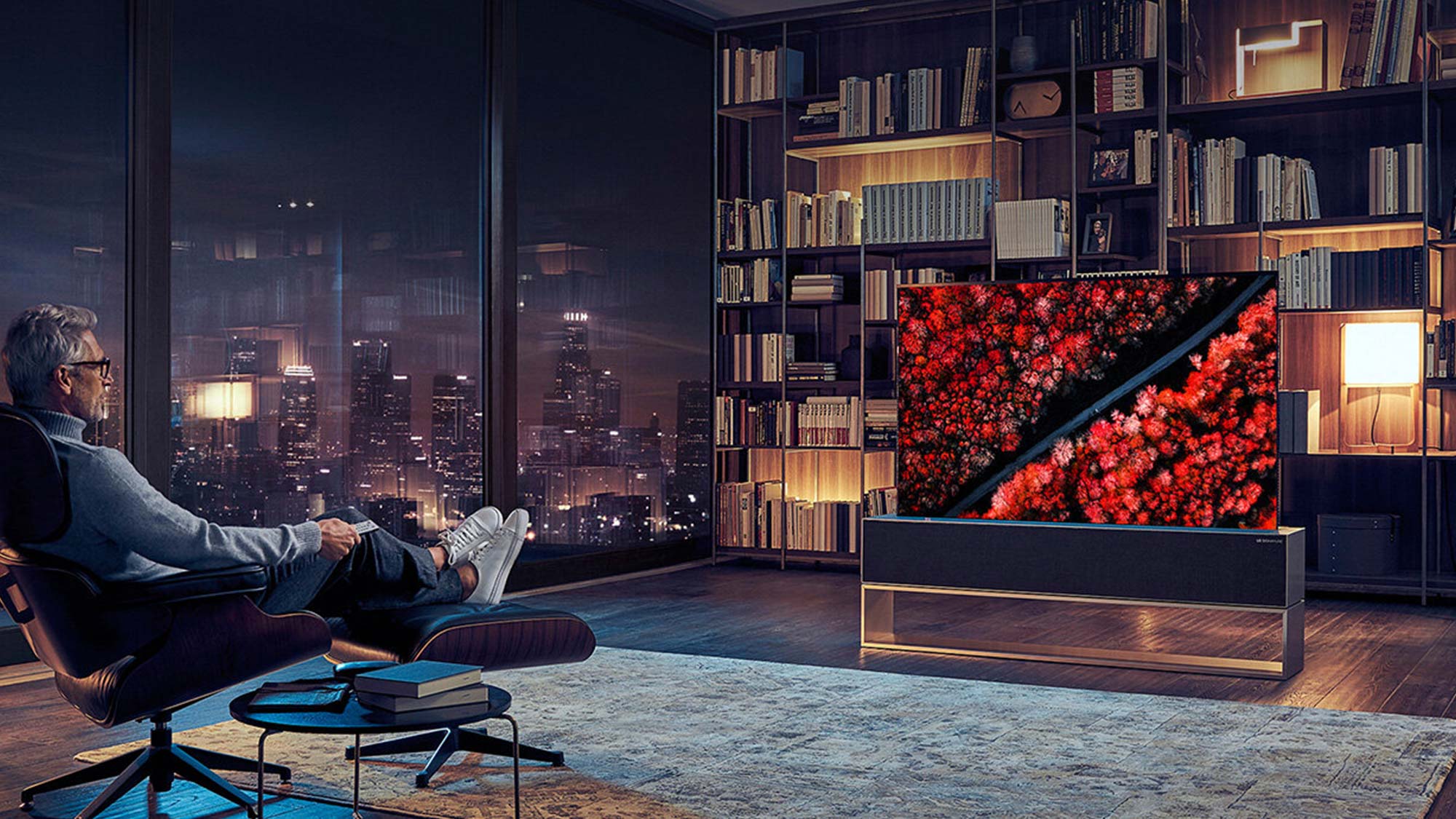
LG, Samsung and Sony, three of the biggest OLED TV-makers in the game, have mastered the art of building high-performance OLED TVs whose designs look as premium as the picture.
The best OLED TVs deliver excellent picture quality and eye-catching design elements, in large part because the technology allows for it. Because OLED TVs don't rely on a backlight, they offer benefits you won't find on even the best LED TVs, like perfect black levels, pixel-level dimming and ultra-wide viewing angles.
And, because there's no backlight packed into the panel, plenty of OLED TVs are mind-bogglingly thin. Some even offer a uniform profile so that they can be wall-mounted without a gap between the panel and the wall.
It's not hard to imagine Apple — a brand known for its sleek, minimalistic design approach — tapping OLED technology for its first foray into the TV market. Apple already leverages OLED displays for many of its products (including select iPhones and iPads), and the design flexibility associated with the display technology is seemingly aligned with Apple's philosophy of engineering thin, modern-looking products.
If anyone can build a TV with a built-in, cable-management system that I'll consider using, it's probably Apple.
The relative ease with which OLED displays can be polished down into thin forms with clean lines also lends itself well to Apple's penchant for eliminating every-day, design-related pain points. If anyone can build a TV with a built-in, cable-management system that I'll consider using, it's probably Apple.
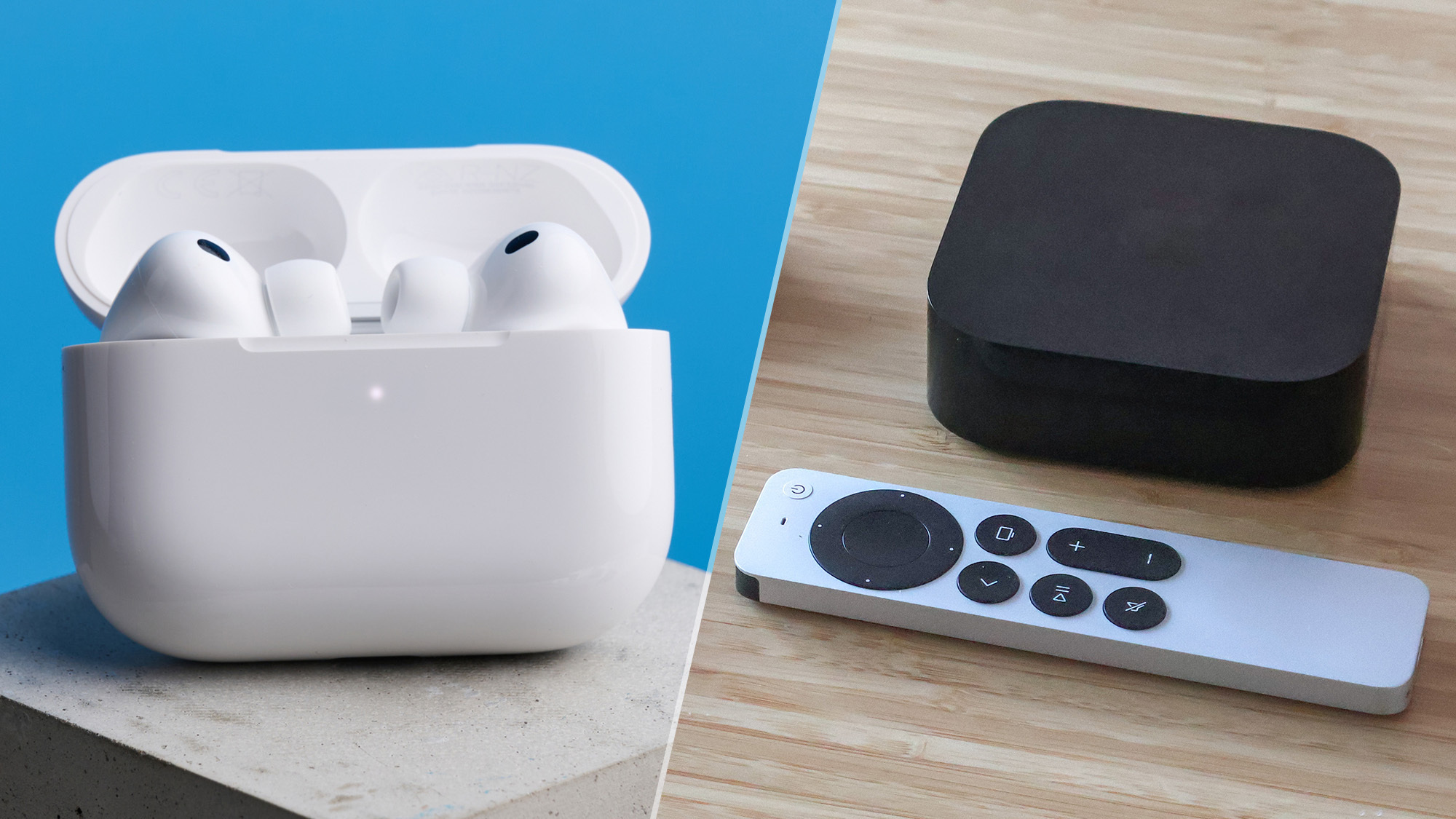
Perhaps there would, in fact, be an option for it to hang on the wall with a gap-free wall-mount, just as there is for LG's G Series OLED. A rechargeable, click wheel-equipped remote control with backlit buttons certainly seems like something Apple would pair with a smart TV of its own making.
But perhaps the biggest benefit of blending Apple design philosophy with a high-end smart TV has nothing to do with hardware at all — it's all about the software potential.
A TV that harmonizes with your iPhone, iPad and AirPods
Apple isn't unimpeachable when it comes to how it designs its software (Liquid Glass, anyone?). But for the most part, people have come to appreciate the brand's design language and how easy it is to navigate the software.
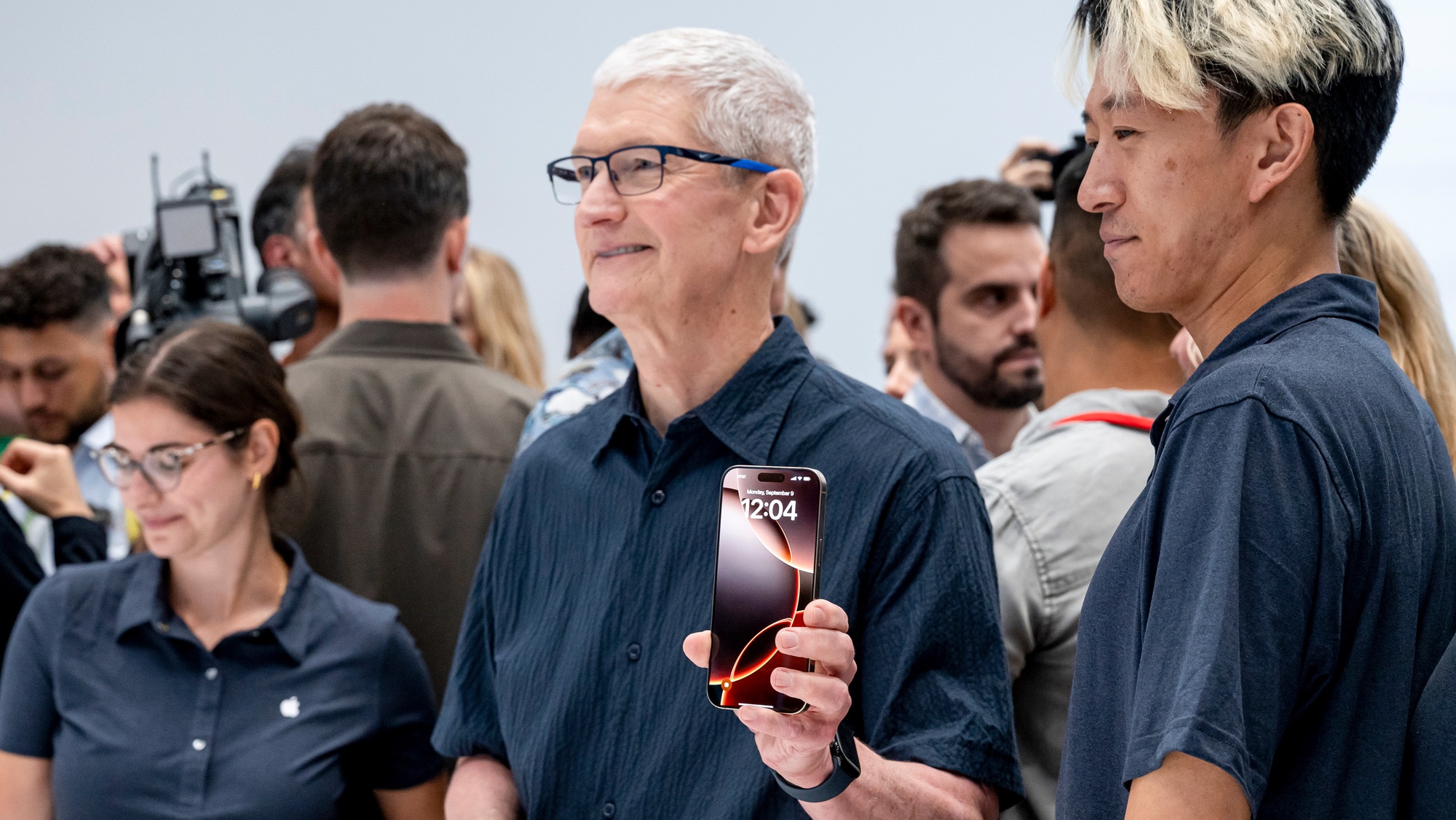
For instance, I appreciate how quickly my AirPods connect to my iPhone. I love how few hoops I have to jump through to securely rent or buy something from Apple TV+.
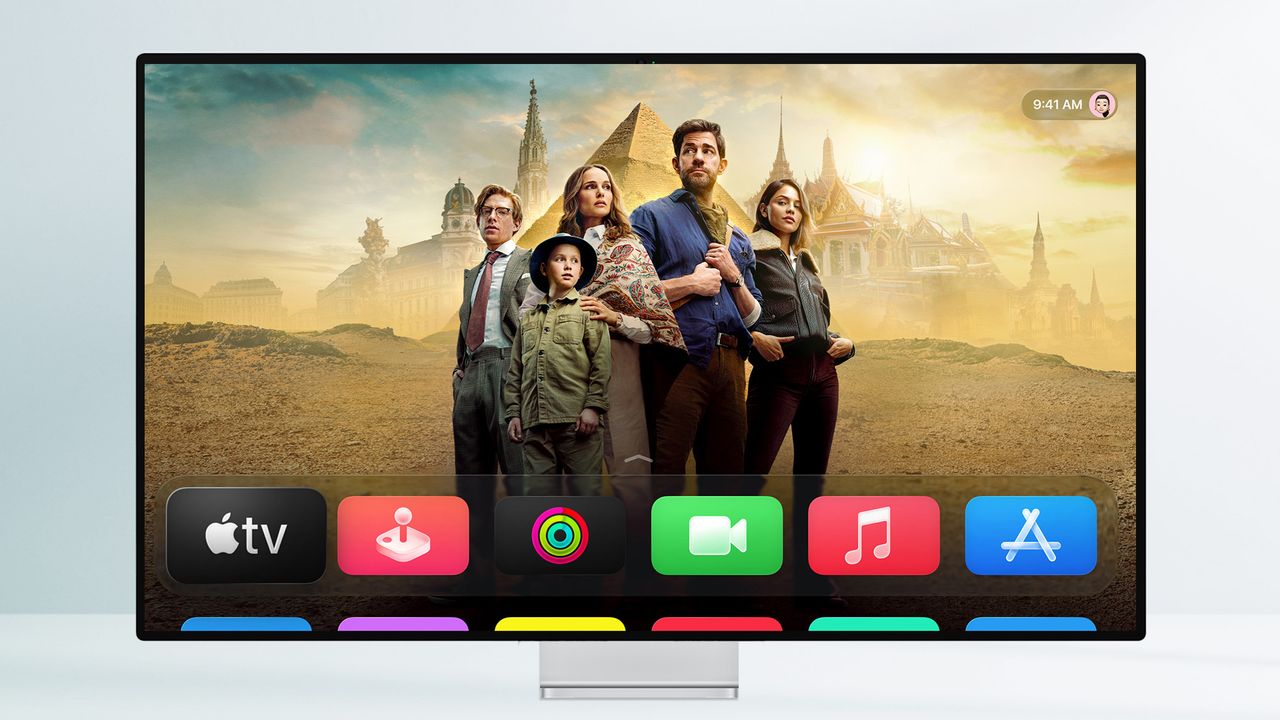
An Apple-made TV would likely be built around the brand’s tvOS software, which is what powers the Apple TV streaming box. I find the tvOS user interface to be just as snappy and easy to navigate as iOS, and a TV with the software suite built right in would likely eliminate my desire for a dedicated streaming device.
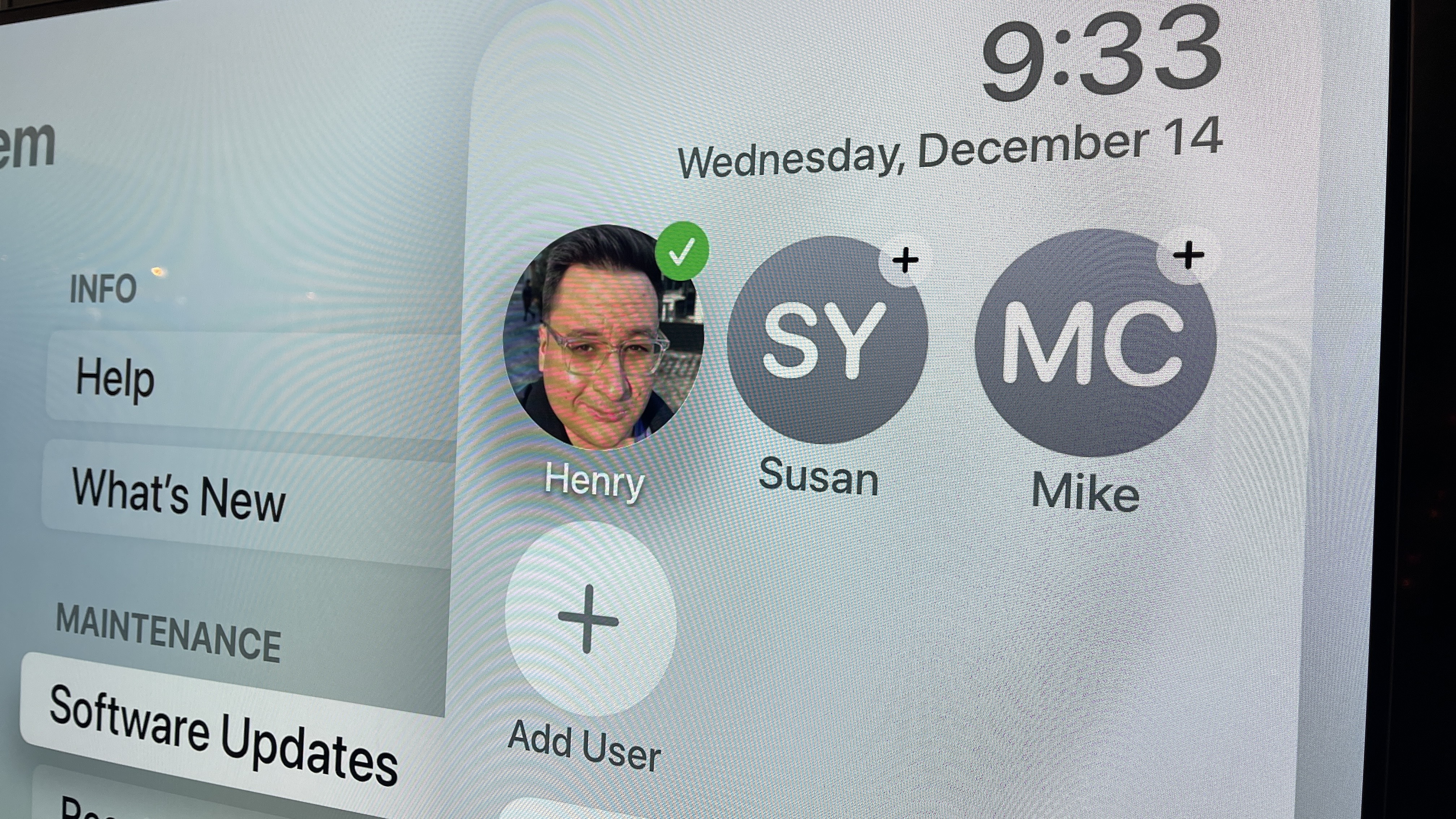
Apple wouldn't be the first brand to let people to control their smart TV with a smartphone, but it could be the best to do it.
Apple wouldn't be the first brand to let people to control their smart TV with a smartphone, but it could be the best to do it.
There could be iOS app integration, for instance. Pulling up an iMessage group chat on my TV screen while my friends and I watch a new episode of "Severance" wouldn't exactly be my cup of tea, but I could imagine others getting a kick out of it. Accepting a FaceTime call on your TV? Sure, why not?
Bluetooth-enabled TVs are nothing new, but what if you could instantly swap from your Apple TV's on-board speakers to your AirPods? I mean, this already exists on Apple TV streaming devices.
The Apple ecosystem is more streamlined than Samsung's or Google's. Yes, this has plenty to do with its walled-off nature, but in a world of bloated operating systems stuffed with half-baked AI features, Apple is better poised to cultivate a useful smart TV experience that integrates an entire household of gadgets.
How much would an Apple OLED TV cost?
Let's not kid ourselves: An Apple OLED TV wouldn't come cheap. For one thing, the brand isn't exactly known for budget-friendly, first-generation products. Then you've got to factor in the going rate for a high-end OLED TV.
Upon release, flagships OLEDs from Samsung, LG and Sony cost multiple thousands of dollars in sizes 65 inches and above. These prices steadily drop throughout the year, but they never fall far enough that one can truly call them "cheap."
Unfortunately, an Apple-branded OLED TV remains a dream — a highly realistic, downright-tangible dream.
That's just the reality of buying a high-end OLED TV in 2026. And, while there are a handful of entry-level and mid-range options that offer the OLED experience at lower costs, I can't imagine Apple finally throwing its hat into this ring for anything less than a high-end TV to compete with flagships from Samsung and LG.
Unfortunately, there hasn't been anything in the rumor mill of late to suggest that Apple is actually considering entering the TV market, nor do I have any insider information on the matter. An Apple-branded OLED TV remains a dream — a highly realistic, downright-tangible dream.
But what about you? Would you spend what it would likely take to get your hands on an Apple OLED TV?