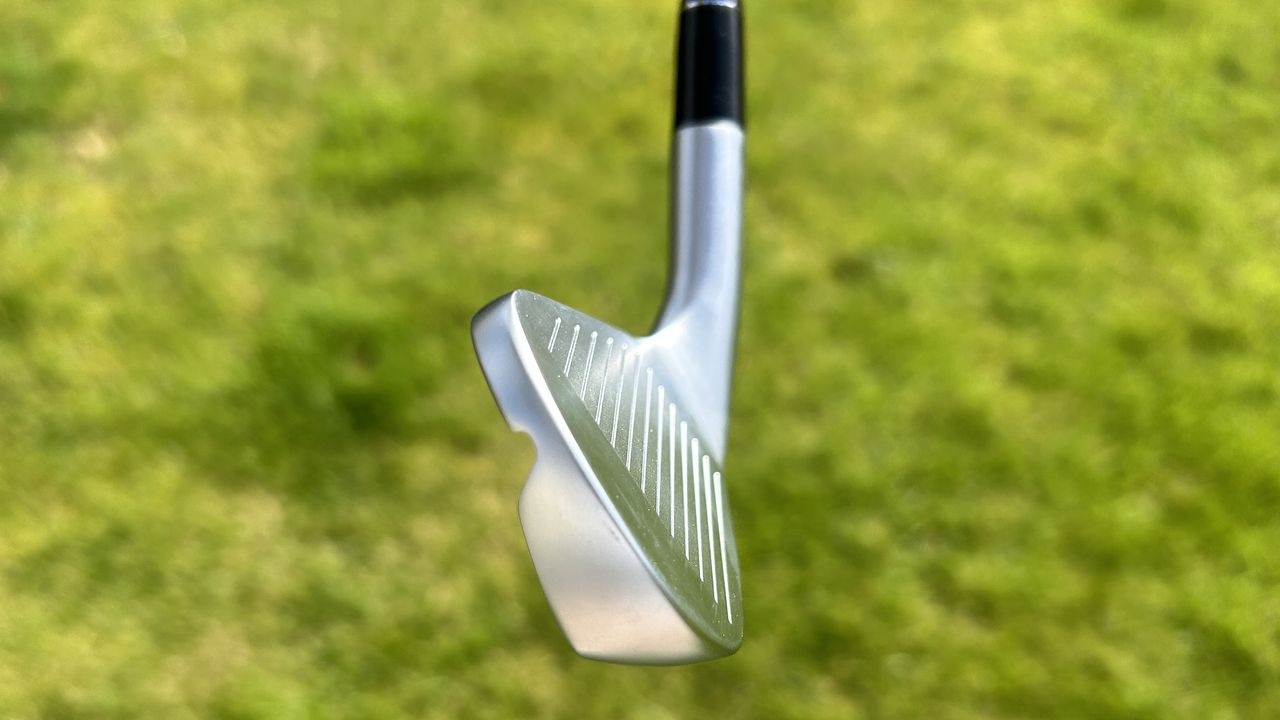
The loft of irons has come down pretty much across the board in recent decades. They have been “strengthened”, which means the face angle reduced in order to achieve more distance.
A typical 7-iron today will have less loft than it’s equivalent from the last century. The difference is up to two clubs so a 7-iron today might have the loft of a 5-iron from 30 years ago, which means the number inscribed on the bottom of each iron has never meant less.
Manufacturers have made improvements to iron heads but incorporating tungsten weighting and clever manufacturing techniques to deliver a high ball flight with less loft and that, in theory, should create more distance.
It tends to be the case that game improvement irons have seen the largest shift in lofts with player’s irons not being reduced to such an extent.
Although lofts have been strengthened, there is still quite a bit of variety out there when it comes to lofts through the set.
Here we take a look at the strongest and weakest irons lofts on the market today.
What does less loft mean?
When you strengthen the loft, ball speed should go up. Without other alterations to the club the ball will fly lower. That doesn't necessarily mean it will fly further.
To gain the benefit of extra distance from a stronger-lofted iron, the manufacturers will look to a balancing act with the other technology in the club.
By moving the center of gravity and matching up the launch angles with somewhat appropriate spin rates, they can get the most out of a stronger lofted set of irons. Basically, they can increase ball speed without affecting launch angle, delivering greater distance with a similar flight.
That sounds great, so why wouldn't everyone want that? It's certainly a boon for those with slower swing speeds who are looking to generate more distance.
But the principal reason players might seek a weaker loft is that the less loft you have, the less spin you generate - that might mean you find yourself hitting a longer ball, but you are struggling to hold greens.
Less spin can also cause a reduction in accuracy. Many will feel that the benefit of an extra 10 yards is negated by a drop in control but for others, control over direction is paramount.
High Launch Irons
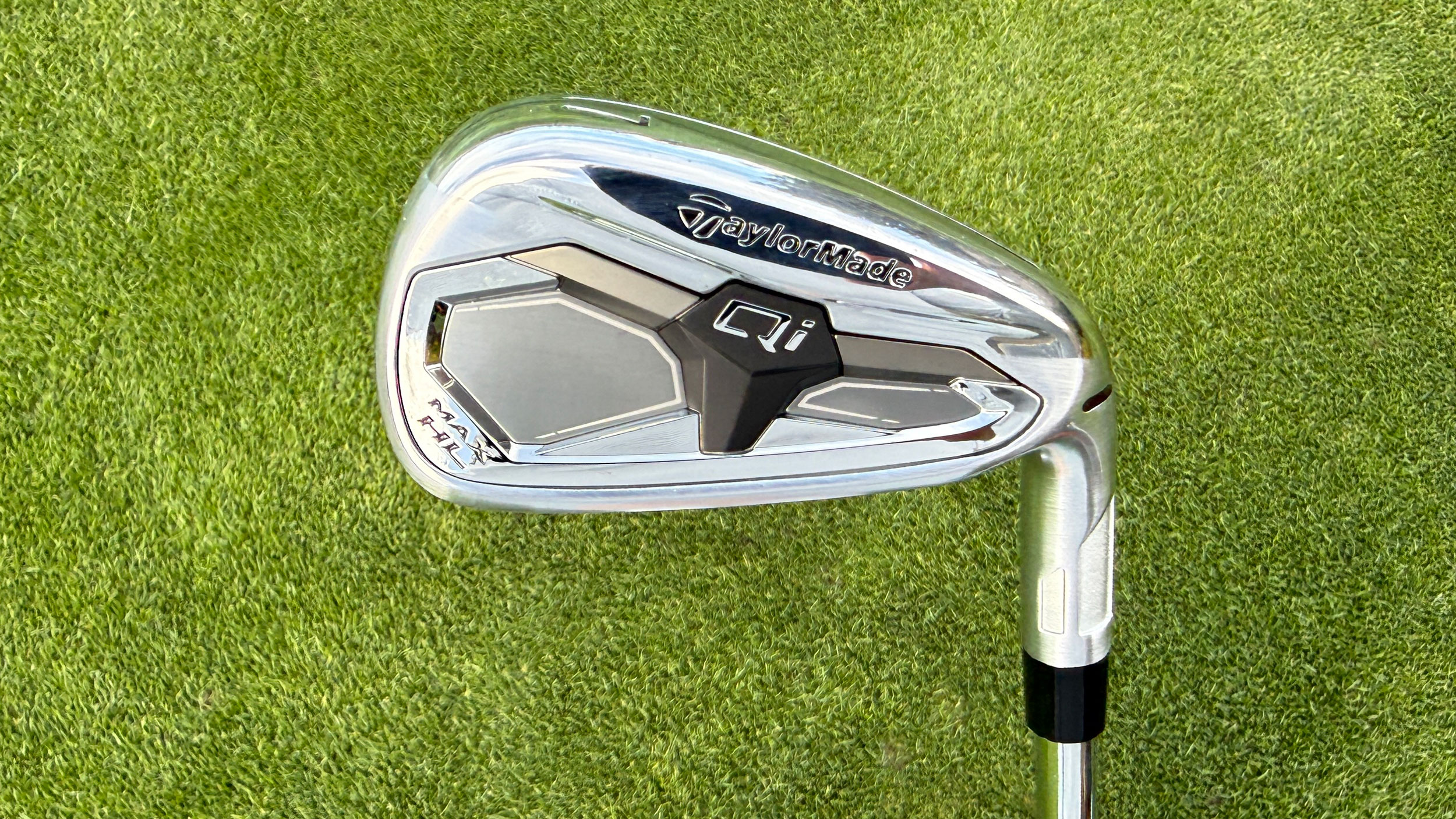
These concerns have led many manufacturers down the route of producing "high launch" options when it comes to irons.
These clubs take advantage of advances in technology and weight placement to deliver a higher ball flight, with a view to increasing maximum elevation and allowing balls to come down more steeply and potentially stop more quickly.
Brands like Srixon (ZXiR HL), Ping (G440 HL), TaylorMade (Qi Max HL - pictured above) and Callaway Quantum Max (HL build) all offer the bracketed high launch irons options.
These irons feature strong lofts but produce high launch angles, helping golfers with slower swing speeds find the optimum blend of distance and effective ball flight.
Are stronger lofts just in game improvement clubs?
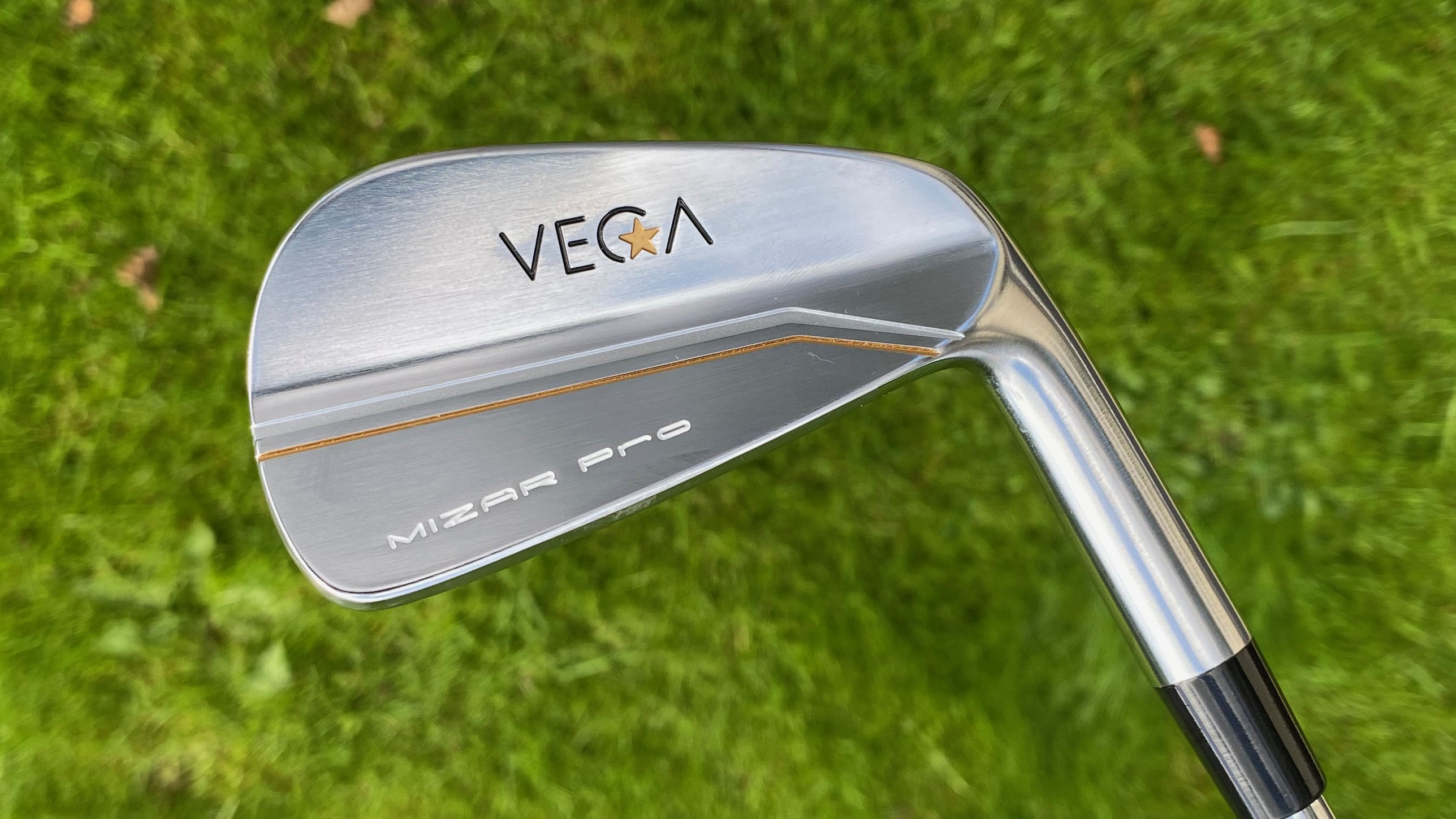
Generally speaking the strongest lofts will be found in game improvement clubs. But there are some irons aimed at lower handicappers that also feature strengthened lofts.
Even some blades out there have strengthened lofts. A good example is the VEGA Mizar Pro. The 7-iron in that set has a loft of 32 degrees. For context, most blades would be at the 34 or 35 degree mark.
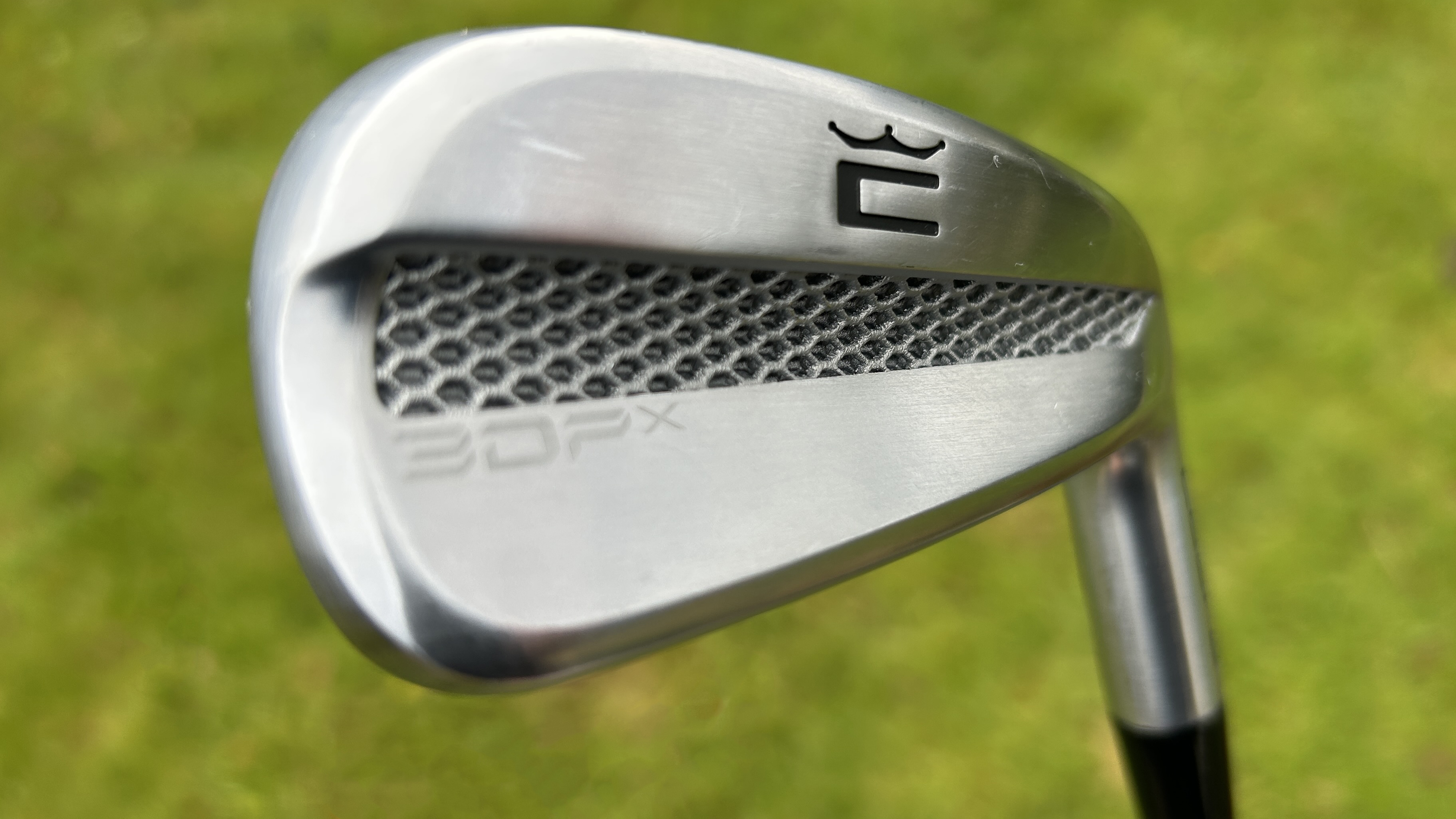
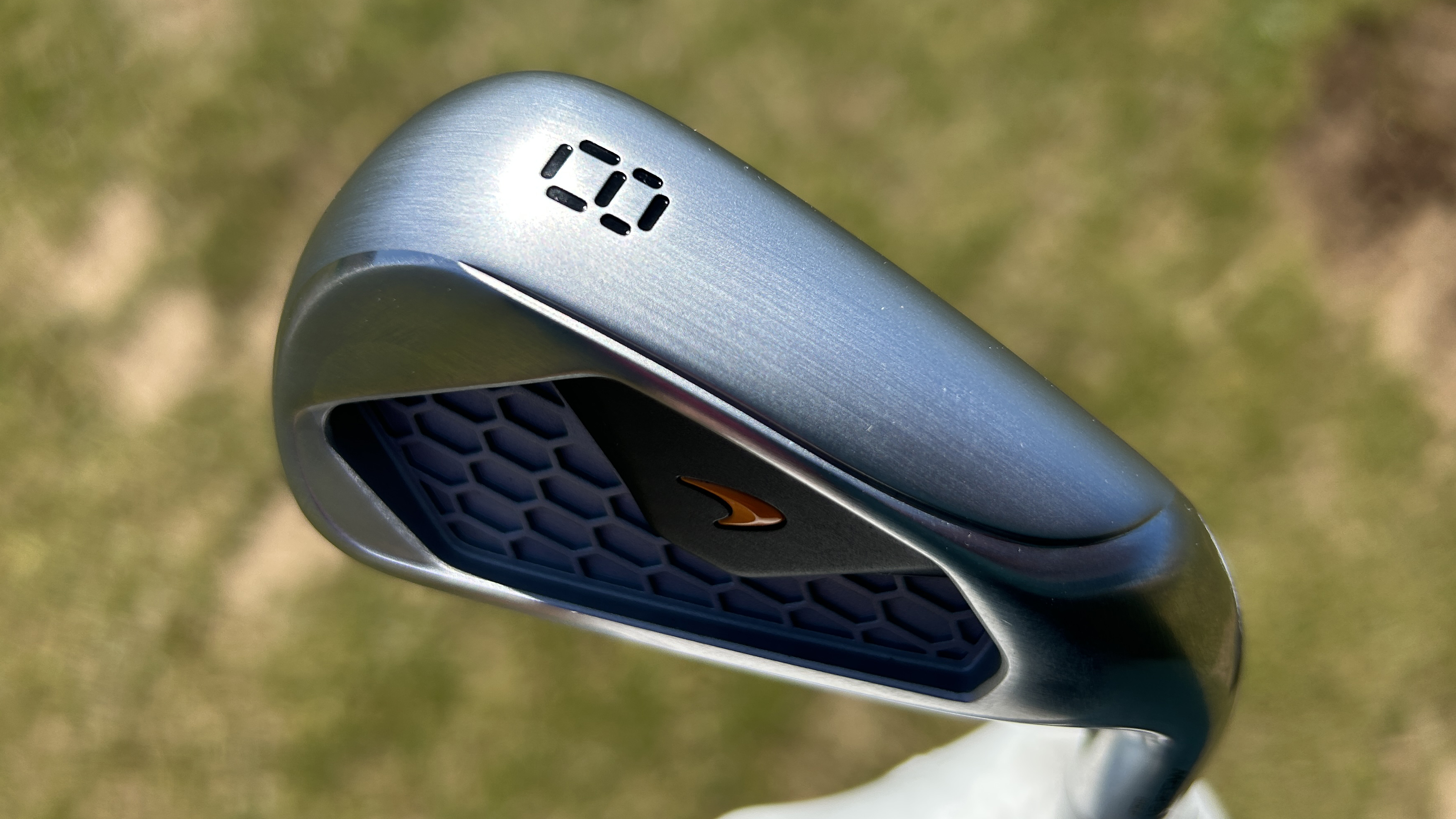
There are plenty of distance irons with strong static lofts. Examples include the PXG 0311 Black Ops (7 iron of 28°), TaylorMade Qi Max (28.5°), the Cobra 3DP X (pictured above, 7-iron of 29°) and the Titleist T350, where the 7-iron also measures in at 29° of loft.
The Mizuno JPX925 Hot Metal iron is an example of a game improvement iron with a more traditional higher loft, where the 7-iron measures in at 31° and is closer to what you'd find among the best compact mid handicap irons.
Irons for low handicappers with stronger lofts
There are some irons aimed at competent ball strikers that can afford to have stronger lofts because of the way the heads have been designed. The Srixon ZXi7 iron, for example, has a 7 iron loft of 32° while the TaylorMade P7CB iron has a 7 iron has a loft of 33°.
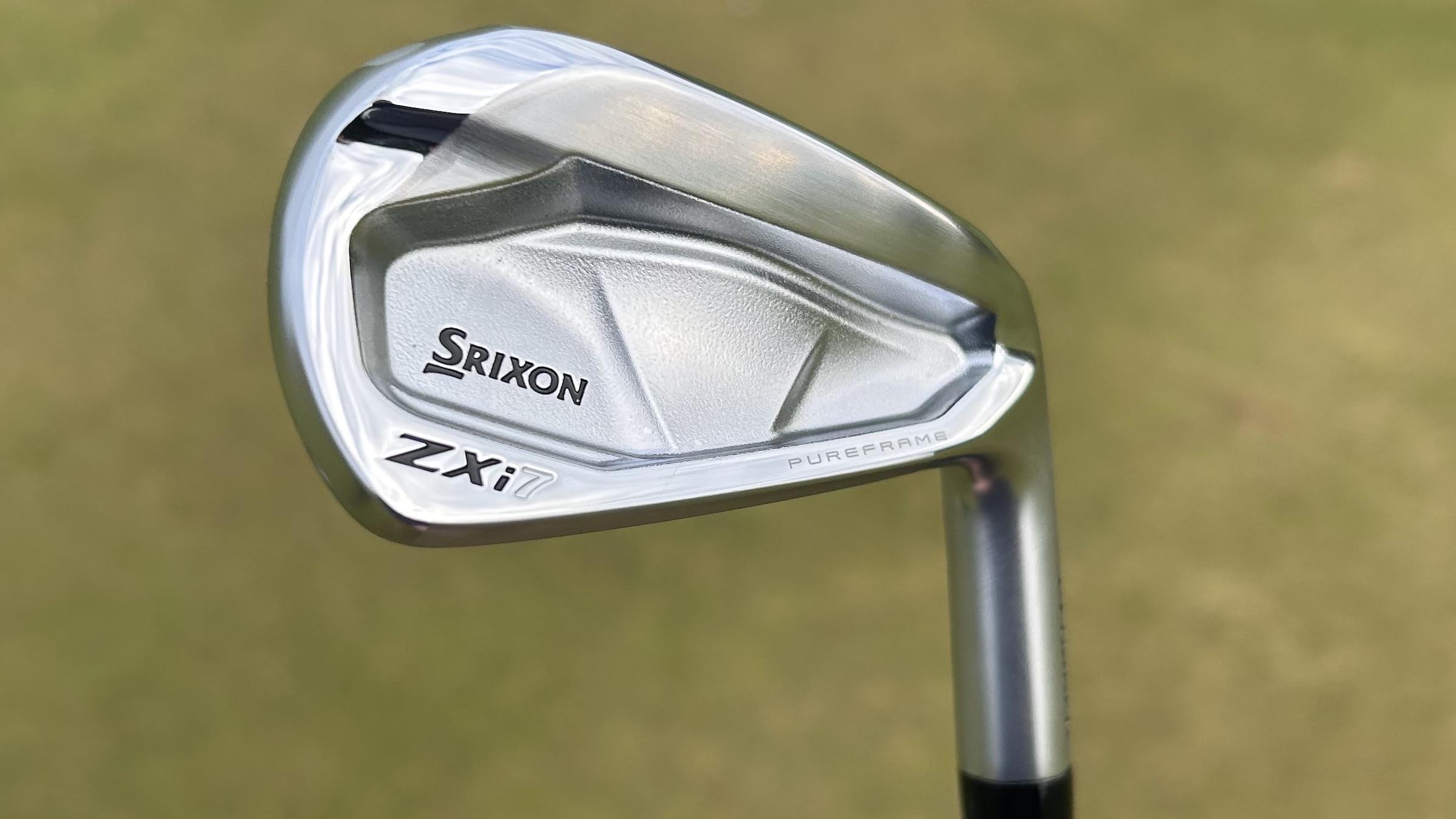
Irons for low handicappers with weaker lofts examples
If you're after the most traditional lofts in the game, perhaps you have lofts of speed in the locker and don't mind seeing a few extra hundred rpms then the irons you're going to want to take a look at are the Mizuno Pro S-3, the Titleist T100, the Callaway Apex CB and the Wilson Staff Model CB, all of which have a 7 iron loft of 34°.
Did anything surprise you about the lofts of modern day irons? Let us know in the comments.