
What if some of the foods sitting in your kitchen right now are the same foods a cancer researcher refuses to eat? Most people assume dangerous foods are easy to identify. But the reality is far more surprising. Many products marketed as convenient, healthy, or even essential have become part of our daily routines without us ever questioning what's inside them. After spending years studying disease and human pathology, a University of Cambridge cancer researcher made a decision that changed her grocery list forever. Her reasons may make you rethink what's on your plate today.
When Convenience Becomes a Daily Habit
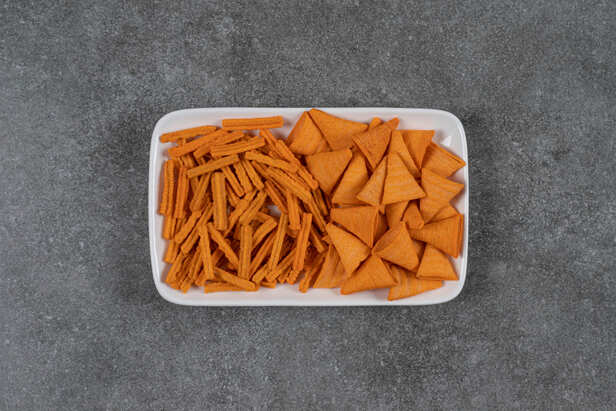
Many processed foods become part of daily routines before we question their impact.
Most unhealthy food choices don't happen because people ignore their health. They happen because convenience wins. A quick breakfast cereal before work, a packaged snack during meetings, or a sugary drink while commuting can become automatic habits. Over time, these choices stop feeling like decisions and start feeling normal. The researcher points out that many products are designed to fit seamlessly into busy lifestyles, making them easy to consume every day. The problem isn't a single meal it's the repeated pattern that quietly builds over months and years.
The Processed Meat Warning Few Ignore

Processed meats have been linked to increased colorectal cancer risk.
Bacon sandwiches, hot dogs, sausages, and deli meats remain household favorites worldwide. Yet these foods were among the first items removed from the researcher's diet. The concern comes from how these meats are preserved and processed before reaching store shelves. While they may seem harmless when eaten occasionally, regular consumption has been associated with higher health risks. The researcher believes awareness is crucial because many people view processed meats as ordinary foods rather than products that deserve closer attention and moderation.
The Surprising Sugar Problem

Many drinks contain far more sugar than people realize.
Soft drinks, energy drinks, flavored coffees, and sweet creamers often appear harmless because they are liquids rather than desserts. However, the body processes liquid sugar extremely quickly. This can lead to frequent blood sugar spikes and increased calorie intake without creating a feeling of fullness. The researcher highlights that many people consume significant amounts of sugar without realizing it simply because it arrives in a cup instead of on a plate. What feels like a small daily treat can quietly become a major source of excess sugar.
Why High-Heat Cooking Raises Questions
Many people love the smoky flavor of grilled food or the crispy texture of deep-fried meals. Yet extreme cooking temperatures can create chemical compounds that scientists continue to study closely. Burnt edges and heavily charred surfaces may contain substances formed during intense heating. The researcher isn't suggesting people avoid cooked food altogether. Instead, her focus is on balance and avoiding frequent exposure to foods that are repeatedly cooked at extremely high temperatures. Small cooking choices can make a noticeable difference over time.
The Health Halo That Tricks Consumers
One of the biggest surprises on the list is the inclusion of protein bars, diet snacks, and certain low-sugar products. Many consumers buy these items believing they are making healthier choices. However, attractive marketing can distract from long ingredient lists filled with additives, fillers, and artificial ingredients. The researcher warns against trusting labels alone. Instead, she encourages people to look beyond buzzwords and examine what they are actually eating. Sometimes the healthiest-looking package hides the most processed product.
The Story Hidden Inside Modern Grocery Stores
Walk through any supermarket and you'll notice that convenience dominates almost every aisle. Packaged snacks, ready-to-drink beverages, processed meals, and instant breakfast options are everywhere. These products save time, which explains their popularity. But the researcher believes consumers should understand how modern food environments influence behavior. Many products are engineered to be highly appealing and easy to consume regularly. Recognizing this influence is the first step toward making more intentional food choices rather than simply following routine habits.
Small Changes That Can Make a Big Difference
The message behind the researcher's choices isn't fear it's awareness. Instead of focusing on strict restrictions, she recommends prioritizing minimally processed foods whenever possible. Fresh fruits, vegetables, whole grains, nuts, and home-cooked meals often provide more nutritional value while reducing reliance on heavily processed products. Reading ingredient labels, limiting sugary beverages, and choosing moderation over extremes can help create sustainable habits. Small changes made consistently often have a greater impact than dramatic diets that are impossible to maintain.
Unlock insightful tips and inspiration on personal growth, productivity, and well-being. Stay motivated and updated with the latest at My Life XP.
Frequently Asked Questions (FAQs)
1. Why did the Cambridge cancer researcher stop eating these foods?The researcher said her decision was influenced by years of studying pathology and cancer-related risk factors. She chose to reduce or eliminate foods that are heavily processed, high in added sugars, or associated with increased health risks when consumed regularly.
2. Are processed meats really linked to cancer?
Yes. Processed meats such as bacon, sausages, hot dogs, and deli meats have been classified by the World Health Organization as carcinogenic to humans, particularly in relation to colorectal cancer. The risk generally increases with higher and more frequent consumption.
3. Why are sugary drinks considered harmful?
Sugary beverages can cause rapid spikes in blood sugar levels and contribute to weight gain, obesity, and metabolic disorders. Excess body fat is a known risk factor for several types of cancer and other chronic diseases.
4. What makes charred or burnt meat a concern?
Cooking meat at very high temperatures can produce compounds called heterocyclic amines (HCAs) and polycyclic aromatic hydrocarbons (PAHs). Research suggests these compounds may damage DNA and potentially increase cancer risk over time.
5. Are all processed foods unhealthy?
Not necessarily. Processing exists on a spectrum. While minimally processed foods like frozen vegetables can be nutritious, ultra-processed foods often contain excessive amounts of sugar, salt, unhealthy fats, additives, and preservatives that may negatively affect long-term health.