
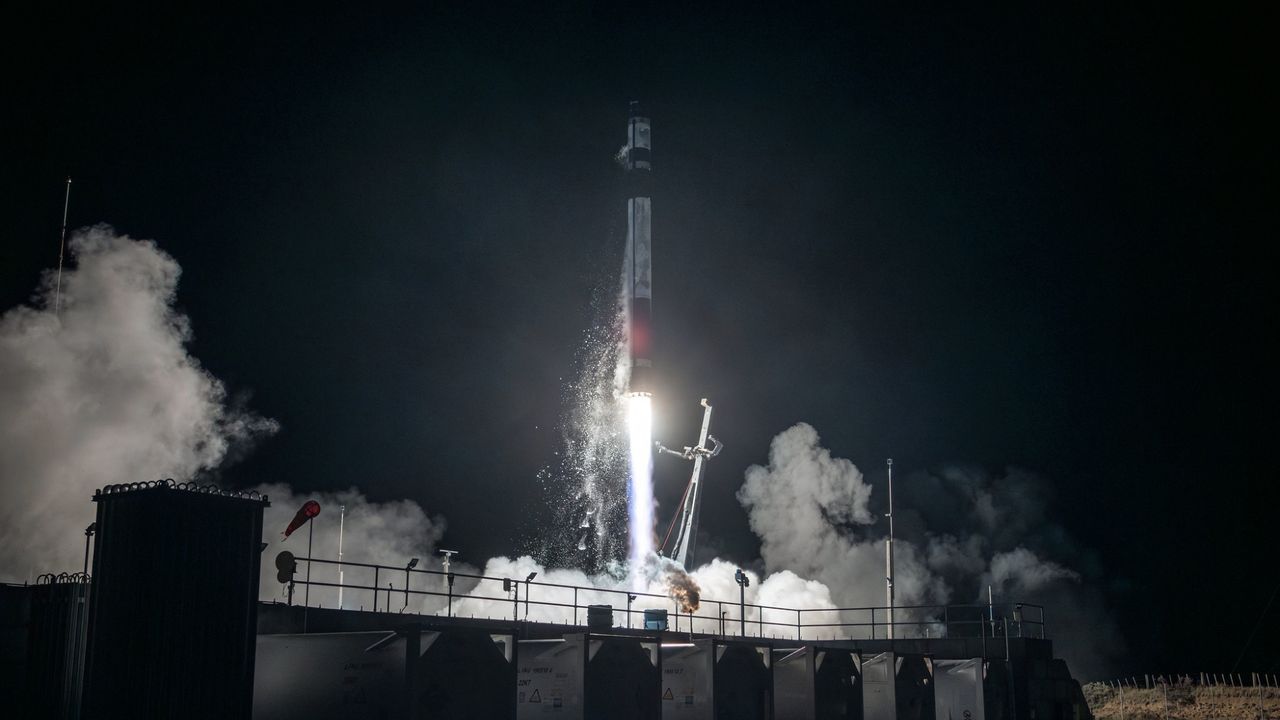
Rocket Lab launched two pioneering navigation satellites early on Saturday morning (March 28).
An Electron rocket carrying the first two satellites for the European Space Agency's (ESA) Celeste navigation constellation lifted off from Rocket Lab's New Zealand site on Saturday at 5:14 a.m. EDT (0914 GMT; 10:14 p.m. local New Zealand time).
Everything went according to plan on the launch, which Rocket Lab called "Daughter of the Stars." Electron delivered the two satellites to a circular orbit 510 kilometers (317 miles) above Earth, deploying the first spacecraft 20 minutes after liftoff and the second four minutes later.
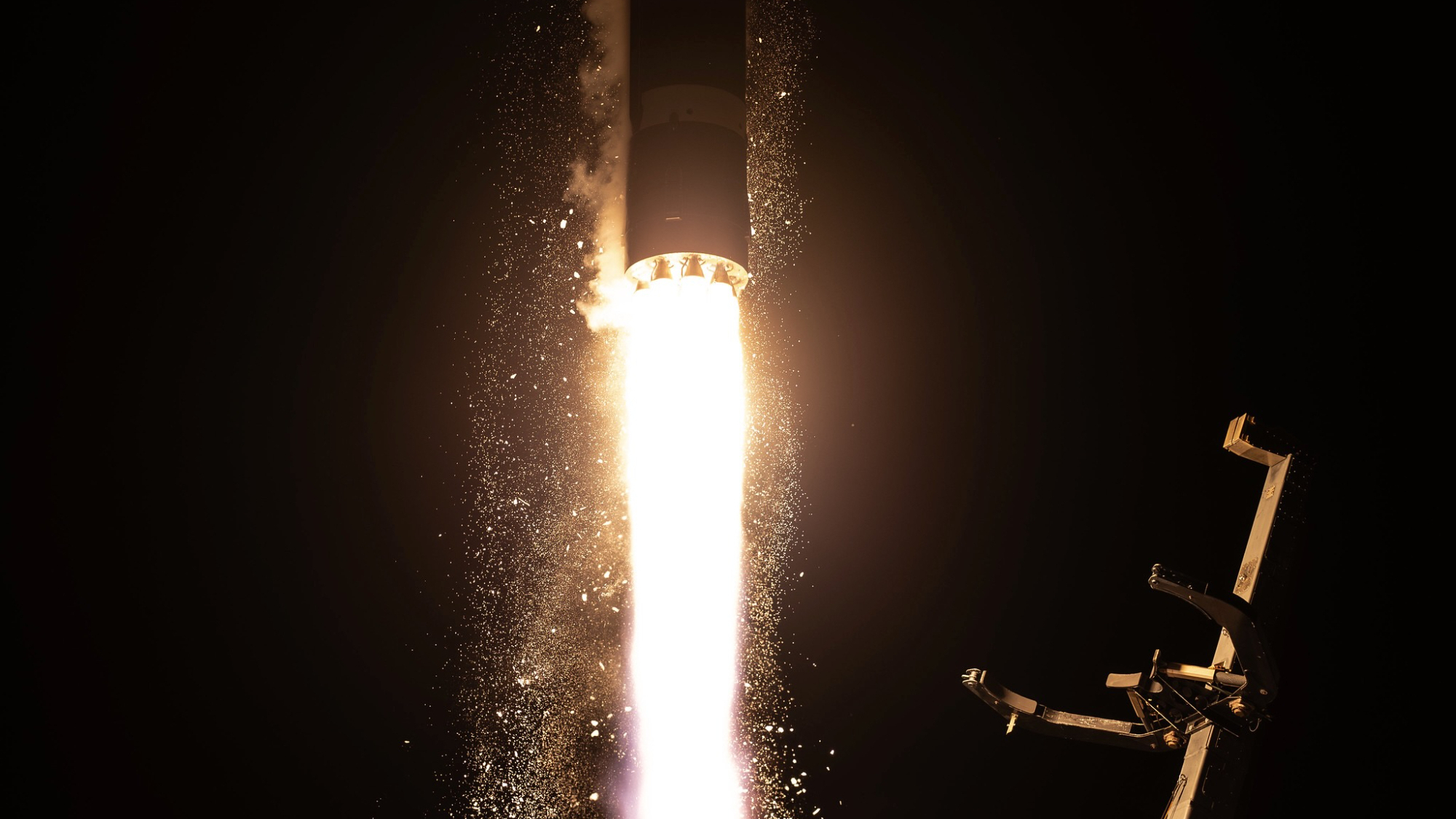
Celeste is Europe's first satellite-navigation effort in low Earth orbit (LEO).
The initiative "will demonstrate how a complementary layer flying closer to Earth can enhance Europe’s current Galileo system in medium Earth orbit (MEO), boosting the overall resilience, enhancing its performance and opening opportunities for new service capabilities directly from LEO," ESA officials wrote in a description of the launch.
The first phase of the Celeste program will loft a demonstration constellation of 11 satellites. The satellites that went up on Saturday are the first two of that group.
"Daughter of the Stars" was the 78th launch to date for the 59-foot-tall (18-meter-tall) Electron. Rocket Lab has also flown seven missions with a suborbital version of the vehicle called HASTE, which customers use primarily to test hypersonic technologies.
Rocket Lab initially planned to launch the mission on March 24, but the weather did not cooperate.
Editor's note: This story was updated at 4:10 p.m. ET on April 1 with news of successful launch and satellite deployment.