Whenever the world enters a phase of geopolitical uncertainty, investors instinctively ask the same question: Is this time different ?
It is an understandable reaction. Wars are unsettling not merely because of the headlines they generate, but because they create visible and tangible disruption. Markets can absorb fear, rumours and even sentiment shocks reasonably well. What unnerves investors is when they see oil facilities damaged, shipping routes threatened and physical infrastructure destroyed. It feels real, measurable and therefore far more dangerous.
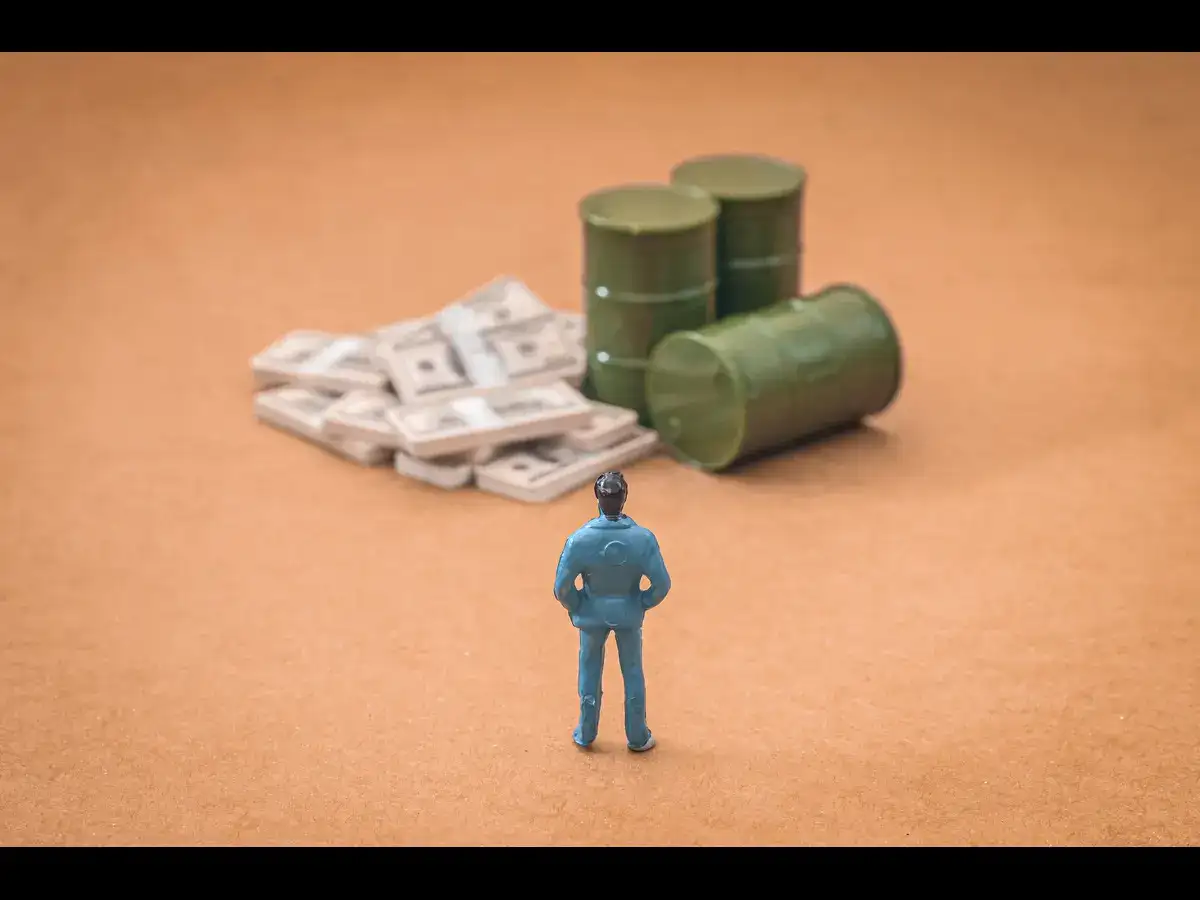
The current tensions in West Asia have triggered exactly such concerns. Oil infrastructure has come under stress, the possibility of supply disruption has increased and the fear of higher energy prices has naturally resurfaced. For India, which imports a significant portion, almost 88%, of its crude requirement, these concerns cannot be brushed aside lightly.
Yet, if history teaches us anything, it is that wars create disruption, but they also accelerate adaptation. Human systems, economies and markets have repeatedly shown an extraordinary ability to reorganise themselves much faster than investors anticipate.
History shows that crises often trigger adaptation
Take the 1973 oil embargo, arguably the most severe oil shock in modern economic history. Crude prices reportedly rose from about $3 per barrel to nearly $12 in a matter of months, creating a fourfold increase that shook the global economy. Inflation surged, growth slowed and equity markets corrected sharply. The S&P 500 itself lost close to half its value between 1973 and 1974.
However, something equally important happened after the crisis. The world adapted. New production sources emerged, North Sea oil gained prominence, Alaska expanded production and countries began investing heavily in energy efficiency and alternatives. The crisis did not merely create pain; it changed behaviour and expanded supply.
The same pattern repeated itself during the Russia-Ukraine conflict in 2022. At that point, Brent crude moved above $120 per barrel and there were widespread fears of prolonged energy distress, runaway inflation and a severe global slowdown. Yet, within a relatively short period, trade routes shifted, Europe diversified energy sources, Russian oil found new buyers and countries adjusted import strategies. India itself rapidly recalibrated its energy purchases.
The point is not that crises are harmless. The point is that the world rarely remains static.
The world is adapting even as the crisis unfolds
Even today, while attention is focused on damaged infrastructure, there are developments on the supply side that deserve equal attention.
Venezuela, which had largely disappeared from global oil expansion discussions for years, has begun returning to the market after the US took charge there. Its exports have reportedly risen to more than 1.2 million barrels per day, the highest in several years. Admittedly, this does not solve immediate supply concerns, nor will Venezuelan production transform the market overnight. However, it introduces fresh supply potential into a system that many assume is only becoming tighter.
Simultaneously, another important structural development has unfolded. The UAE has exited OPEC, freeing itself from production constraints and creating the possibility of greater output flexibility in future. The country has long-term production ambitions approaching five million barrels per day, and India has already moved proactively to strengthen energy ties with the UAE through petroleum agreements and strategic cooperation just a few days back.
These developments may not dominate headlines today because crises naturally attract more attention than adaptation. Yet adaptation is precisely what investors tend to underestimate.
India today is not the economy it was during earlier oil shocks
India, too, should not be viewed through the lens of earlier oil shocks. Higher oil prices undoubtedly hurt us. India imports roughly five million barrels of crude every day and an increase of $30 per barrel can imply an additional burden of nearly $150 million daily. These are meaningful numbers and cannot be dismissed casually. However, they also need context.
India today is a more than four-trillion-dollar economy with stronger external reserves, wider energy relationships, greater diplomatic reach and a far more diversified economic structure than in earlier decades. Higher oil prices may affect inflation, current account balances and near-term sentiment, but they are unlikely to derail the broader growth trajectory of the country.
Interestingly, the investor response that we are witnessing mirrors this divide in thinking.
Over the last few weeks, we have indeed seen a small section of investors becoming deeply concerned that the world may be entering an unusually unstable phase. Some have explored significantly reducing equity exposure because they genuinely fear (‘the gut feeling’) that markets may not recover from a conflict of this scale.
At the same time, there has been another, a larger group of investors whose thinking has moved in the opposite direction. Their argument is simple: while geopolitical events change headlines, they do not necessarily change the long-term wealth creation process. They have increased their SIPs, while some have selectively increased allocations and deployed fresh capital.
Investors leaving equities must still answer one question
Their reasoning raises an important question. If investors decide to move away completely from equities, where exactly do they go?
Bank deposits today provide barely-positive post-tax inflation-adjusted real returns. Debt instruments offer stability but limited long-term growth. Gold has historically served as an excellent protector during uncertain periods, but not always as the strongest creator of long-term wealth due to its price volatility. Cash, despite feeling safe, quietly loses purchasing power over time.
Investors often assume that moving out of equities eliminates risk. In reality, it frequently replaces visible risk with a different invisible risk.
History suggests that the greatest investment mistakes are rarely made because wars happen. They are made when investors assume that adaptation has stopped and that the future will remain permanently broken. Wars may alter supply chains, redraw maps and temporarily shake confidence. But human ingenuity has repeatedly shown that it adapts, reorganises and moves forward.
The world has done it before. It may well do it again.