

No more alarm clocks and no more long commutes. Now is the time for that long-planned getaway. But a lot of retirees aren’t traveling on the cheap: According to the AARP 2026 Travel Trends survey, 64% of respondents expect to travel in 2026, down 6% from last year.
Some plan to venture abroad, while others plan to travel stateside. No matter where you’re headed, there are steps you can take to make vacationing in retirement much smoother, more enjoyable and less expensive.
1. Pack light
No matter where you wander, nobody wants to schlep around heavy bags. But traveling light is especially important if you have mobility issues or physical limitations of some sort.
“We try to never pack more than we can carry in one trip,” says Veronica James, who chronicles her travel experiences in retirement with her husband, David, at the Gypsy Nesters blog. “This eliminates leaving bags lying around while flagging a cab or catching a bus, or even while we are checking into a hotel. Everything is always with us.”
Tip: Buy a few packing cubes — small, compressible bags that you can use to fit more clothes in your suitcase. Plus, only pack what you will actually wear. It's easy to over pack, resist the temptation.

2. Get a grip on jet lag
“One issue that has definitely not gotten better [with age] is jet lag,” Veronica says. “Living in Southern California and having our daughter and grandchildren nine time zones away in Paris has led us to some world-class bouts of jet lag over the past few years.”
To combat jet lag, the Jameses like to break up their trips to Paris by stopping in New York or Boston, where they visit family for a few days before resuming their trip across the Atlantic.
Tip: Stay hydrated while you’re flying, since dehydration can worsen the physical symptoms of jet lag, studies show.

3. Choose an aisle seat on long flights
Older people are at greater risk of suffering deep vein thrombosis brought on by a lack of movement. If you’re taking a long flight, forego the window seat and instead select an aisle seat, which can make it easier for you to stand and stretch. This will also help to prevent your muscles from becoming tense and stiff.
Tip: To help prevent blood clots, the National Blood Clot Alliance recommends walking for 30 minutes before boarding a flight. Wearing compression socks can also help reduce the risk of blood clots if you have circulation issues.
4. Stay hydrated
Not drinking enough water and sweating in extreme heat is more dangerous for older people whose bodies are at greater risk of dehydration, according to the Cleveland Clinic. Make sure to drink plenty of water while traveling and watch out for signs of dehydration, such as fatigue, dizziness, dry mouth, headaches, chills, muscle cramps or flushed skin.
Tip: In addition to drinking water, eating foods that are high in water content, such as cucumbers, bell peppers, apples, watermelon, and celery, can help you stay hydrated.
5. Watch out for travel scams
About one in three adults say they've been scammed when booking or taking a trip, with nearly one in four of those victims losing $1,000 or more, according to a McAfee survey. Although anyone can fall victim to a travel scam, older travelers should be extra vigilant, since they’re often targeted by fraudsters.
Tip: Be suspicious if you don’t see a contact link, or a physical address, phone number,or email address on a travel booking website. It could be an indication of a bogus company that’s out to hijack your travel dollars. If you do fall victim to a travel scam, report the fraud to the FTC online or call 877-382-4357.
6. Consider alternative destinations
You may very well have a “bucket list” of places to visit that includes popular tourist destinations both stateside or overseas. But you could save money — and avoid large crowds — by traveling to less-frequented cities. According to AARP’s 2024 Travel Trends survey, 29% of adults ages 50 to 59, 23% of people in their 60s, and 18% of retirees age 70 and older said they’re willing to visit unique or off-the-beaten-path destinations.
Tip: Thinking about traveling to Europe? Instead of going to highly sought-after destinations like Italy, Spain, or Amsterdam, consider less-frequented countries such as Lithuania, Bulgaria, or Georgia, where you can find cheaper flights and hotel rates.

7. Take advantage of discounts for older travelers
Keep an eye out for cheaper hotels, cruises and rental car rates for older travelers, as well as discounts at restaurants and attractions.
Tip: Planning to travel by train in the U.S.? Amtrak offers customers 65 and older a 10% discount on most rail fares and routes. Love exploring national parks? People ages 62 and older can purchase a one-year America the Beautiful — the National Parks and Federal Recreational Lands Pass for just $20 or a lifetime pass for $80.

8. Never put medications in checked luggage
If traveling internationally, the U.S. State Department recommends keeping your medications in their original, labeled bottles. Plus, keep all medications in your carry-on bag to avoid issues if your luggage gets lost. If you're traveling stateside, you can consider bringing only what you need in a pill organizer.
Tip: Carry a list of your meds with your doctor’s contact information in case you need to replace any lost medications during your trip.
9. Purchase travel medical insurance
Medicare might provide you with limited emergency care coverage when you’re traveling outside the United States, but it won’t cover most medical evacuations.
That’s where a travel medical insurance policy comes in. The average plan in 2026 costs $307 (average trip length of 15 days) or about $20 per day, according to travel insurance comparison site Squaremouth, but costs can vary depending on your age and the policy’s coverage limits and exclusions.
Even healthy seniors could benefit from purchasing a policy, since older people are more prone to falls and accidents due to decreased bone density, balance issues, and slower reflexes.
Tip: If you have any pre-existing medical conditions, make sure the travel medical insurance policy covers them.

10. Utilize memberships for travel deals and discounts
Jennifer Huber, author of the Solo Travel Girl blog, says she takes advantage of her memberships to AAA and AARP to score lower hotel rates. Moreover, “I hold an annual membership to the Peace River Botanical & Sculpture Gardens in Punta Gorda, Florida, and because I belong to the American Horticultural Society’s Reciprocal Garden Network, I receive free admission to more than 360 [gardens] in North America,” she says. “Last year, I visited at least four gardens during my travels, in addition to the home gardens, so the membership paid for itself.”
Tip: If you like to go to museums while you travel, consider joining a museum that includes access to the North American Reciprocal Museum Association, which offers free admission to hundreds of cultural institutions across the U.S., Bermuda, Canada, the Cayman Islands, Puerto Rico, and Mexico.
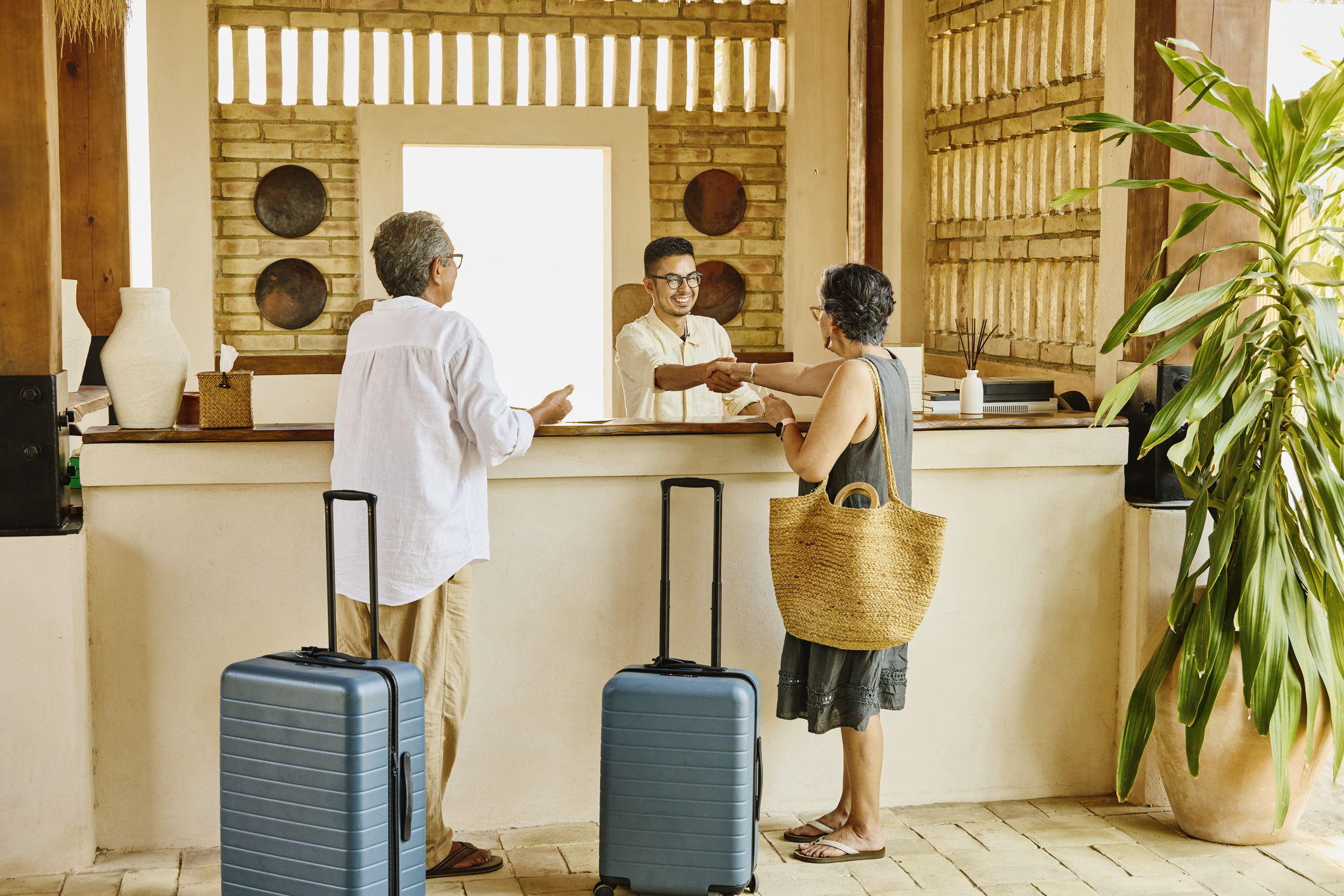
11. Choose a hotel that meets your needs
Not all hotels can accommodate guests with mobility issues. If stairs are a problem for you, make sure the hotel has a working elevator — or see if they can provide you with a room on ground level.
Tip: If you use a wheelchair, call the hotel and ask whether the bathroom is spacious enough to fit a wheelchair and whether the shower has grab bars.
12. Use a travel rewards credit card
“One of the most important ways to cut your travel costs is to get credit cards that provide the most travel benefits,” says Jim Ferri a retired travel agent and the author of the Never Stop Traveling blog. In fact, many credit card companies market their rewards cards to retirees, who often have a significant amount of disposable income earmarked for travel. “Credit card companies, especially those in the travel industry, are eager to have you as a client,” Ferri says.
His advice: “Look for cards that provide many benefits, such as thousands of points in sign-up bonuses, airline incidental statement credits, and free or discounted Global Entry or TSA PreCheck application fees.”
Tip: Check out Kiplinger’s list of the best travel rewards credit cards to find a card that suits your spending and travel behaviors.