The United States and Iran have agreed to a two-week ceasefire, pausing a conflict that has killed more than 5,000 people, displaced more than one million civilians and caused unprecedented disruption to global energy supplies.
Both sides declared victory as Iran committed to reopening the Strait of Hormuz and the US to halting strikes, the first of many steps towards repairing the enormous damage wrought by the conflict. Negotiators still have a ways to go to resolve fundamental disagreements and fathom a lasting peace deal.
A ceasefire came as a relief in Iran, with crowds gathering in the streets overnight to celebrate and burn flags of the US and Israel. Some 3,636 people have been killed since the war erupted on 28 February, according to US-based rights group HRANA.
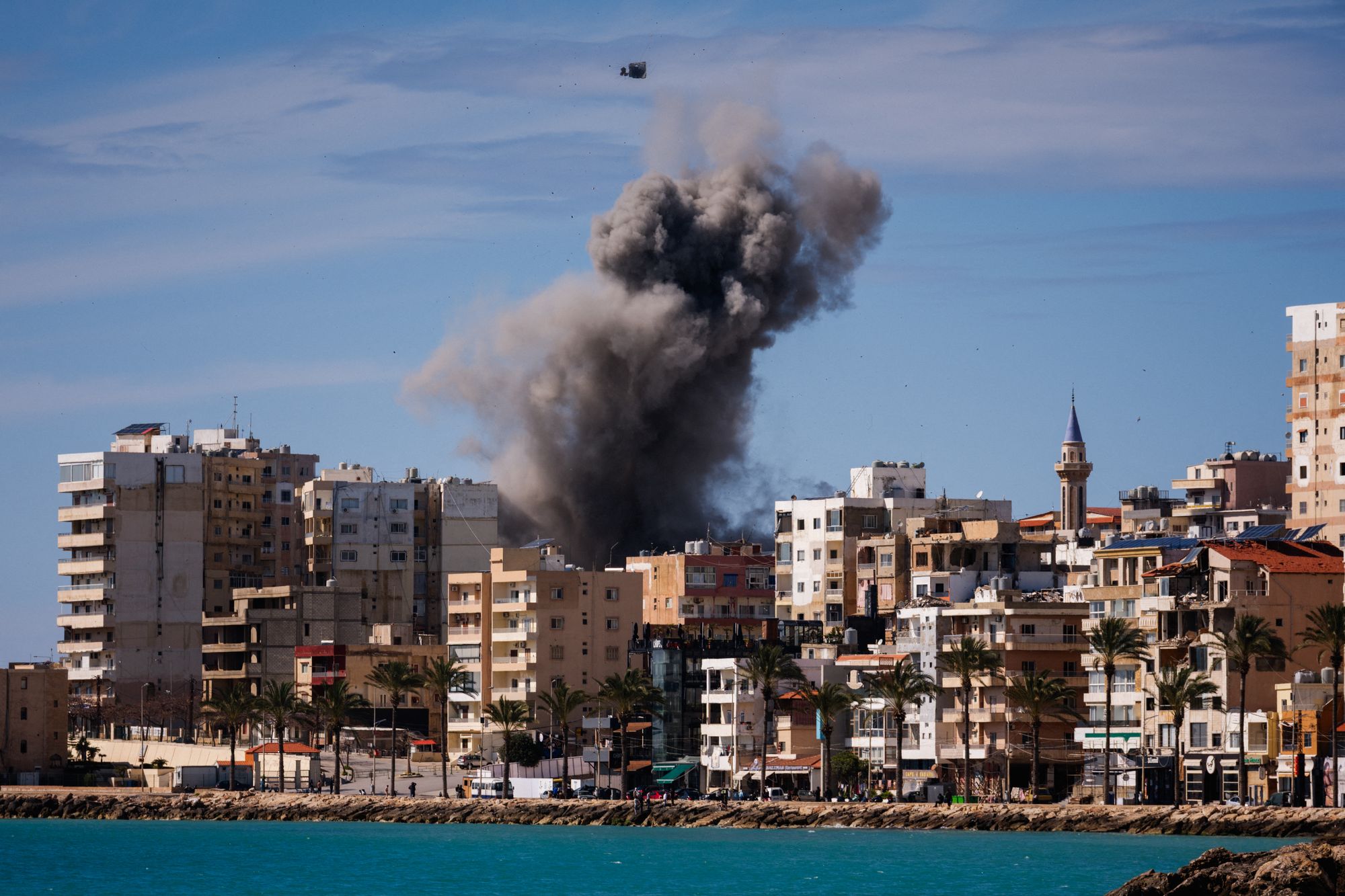
But fighting rages on in Lebanon, where Israel on Wednesday launched what it described as its biggest strikes yet. Lebanon's health minister said the strikes had caused hundreds of casualties.
While the ceasefire brings new hope of lasting peace in the region, key issues are still to be resolved. Iran’s reported 10-point proposal for a more enduring peace shows little overlap with a 15-point plan the US previously put forward, and includes points the US has already rejected.
As a ceasefire takes effect six weeks into a bitter campaign in the Middle East, The Independent tallies the ballooning costs.
Thousands of targets struck inside Iran
In the first 24 hours of the war, US forces struck over 1,000 targets in Iran, according to US Central Command, while the Israeli Air Force struck a further 750.
The rate of fire gradually tapered off as the war went on. US Defence Secretary Pete Hegseth said on 26 March that the military had hit more than 10,000 targets since 28 February, including underground facilities and buildings vital to the regime’s defence industrial base.
By Monday 6 April, the eve of the ceasefire, the US had hit “more than 13,000 targets” and damaged or sunk 155 Iranian vessels. That suggests an average of 273 targets were hit each day in the last two weeks, according to analysis by the Center for Strategic & International Studies.
A day before the ceasefire took effect, the US and Israel ramped up attacks across the country, with 124 locations affected - up 70 per cent compared to the daily average for the previous week, according to ACLED. Iranian attacks were reported in just 23 locations, down 20 per cent.
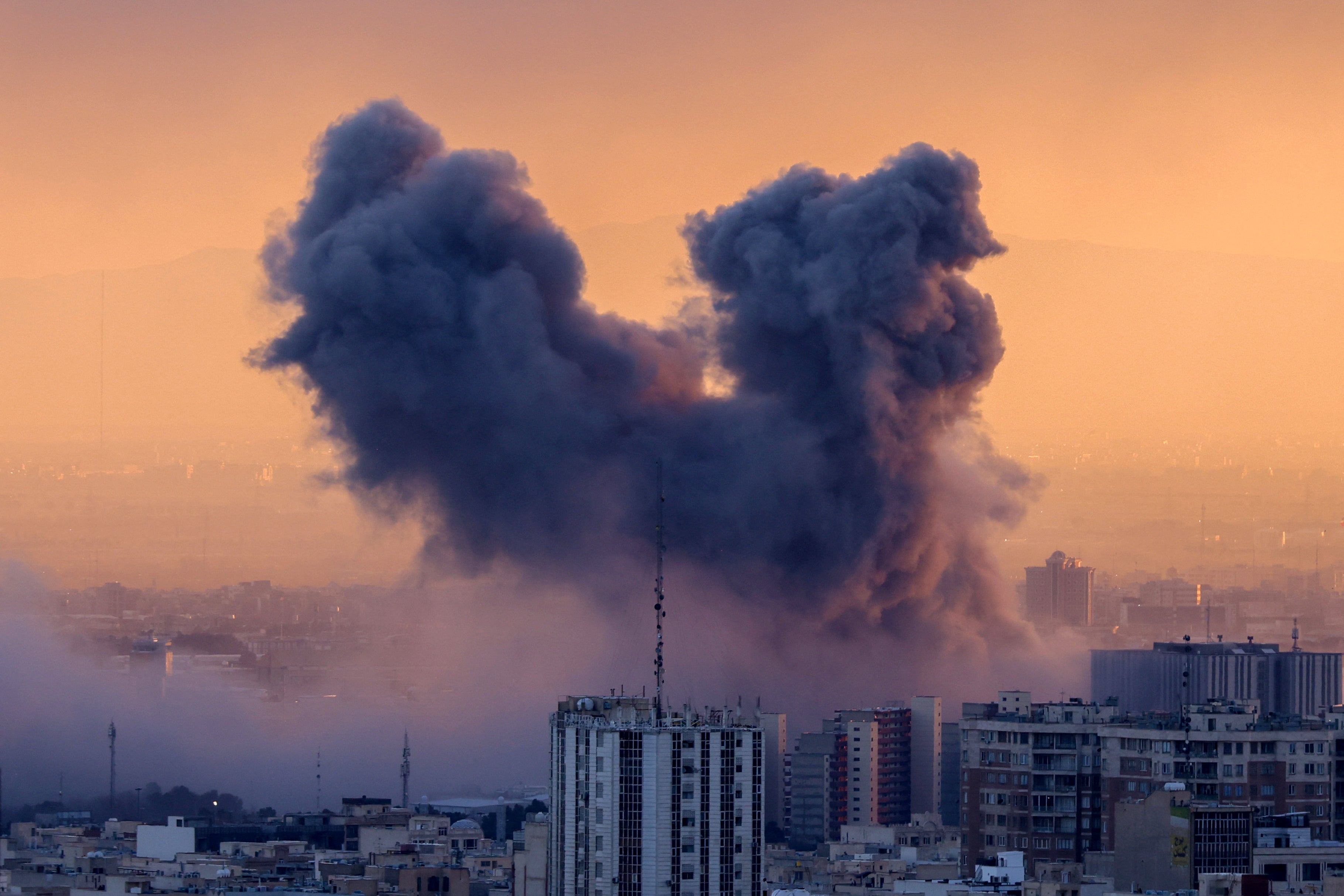
The US military claims to have sunk more than 90 per cent of Iran’s navy, while Israel has killed more than 250 Iranian leaders so far. The head of the Iranian regime, Ayatollah Ali Khamenei, was killed in strikes on the first day of the war.
The Washington Post reported previously that the US had fired more than 850 Tomahawk missiles, each costing $3.5 million, in the first four weeks of the conflict, which concerned some Pentagon officials. Elaine McCusker, a former Pentagon budget official, estimated that battle damage and replacement of losses over the first three weeks of the war alone would cost the US between $1.4 billion and $2.9 billion.
The US also lost three $31 million F-15E Strike Eagles on 1 March, mistakenly shot down by Kuwait. A fourth was lost on Friday, prompting a dramatic rescue mission involving dozens of US aircraft and hundreds of commandos to recover a weapons specialist stranded behind enemy lines.
The US had to destroy two of its own MC‑130 aircraft, each costing more than $100 million, during the rescue mission after they experienced mechanical failures inside Iran, the WSJ reported. Iran separately claimed to have destroyed two American Black Hawk helicopters worth $21 million each.
The $13 billion USS Gerald R Ford aircraft carrier separately suffered a fire on 12 March and had to return to Greece for repairs.

The number of US troops in the Middle East reportedly swelled passed 50,000 as Donald Trump bolstered regional assets with 2,500 extra Marines and another 2,500 sailors. The Pentagon also ordered about 2,000 soldiers from the Army’s 82nd Airborne Division to the region to boost military options.
Iran pounded its neighbours hosting US bases with missiles and drones since the conflict erupted. Washington says Tehran launched more than 500 missiles and over 2,000 uncrewed aircraft in the first 100 hours of the war before scaling back.
Bahrain, Kuwait, Saudi Arabia and the U.A.E. together detected or intercepted 232 unmanned aircraft and 194 missiles on day 1, versus just 52 aircraft and eight missiles on day 23.
At least 16 countries have been involved in the clashes — Azerbaijan, Bahrain, Cyprus, Iran, Iraq, Israel, Jordan, Kuwait, Lebanon, Oman, Qatar, Saudi Arabia, Syria, Turkey, the U.A.E. and the US — although many more have been affected by strikes on international shipping, or forced to defend foreign bases from attack.
One French soldiers was killed and six others were wounded after a drone attack in Iraq, and British forces have been forced to defend against drones from bases in the region.

The human cost of the war
As many as 5,372 people are reported to have died in the conflict after six weeks, according to regional tallies, medical records and rights groups monitoring the situation.
That figure includes 3,363 killed in Iran, according to US-based rights group HRANA. Among them were 1,701 civilians, including at least 254 children.
Maria Martinez, IFRC head of delegation for Iran, said that three per cent of the population is also internally displaced as a result of the conflict.
Iranians are still grieving the deaths of some 175 people, mostly schoolgirls, killed in a missile attack on an elementary school in southern Iran on the first day of the war.
A preliminary investigation is said to have blamed a “mistake” by the US military, though a full explanation is still pending.
The conflict has also seen a spike in arrests in Iran, according to monitors. Norway-based rights group Hengaw reported at the end of March that at least 1,700 people have been detained in a wartime crackdown. At least 160 prisoners were executed in Iran in the first quarter of 2026, the group said.
The war also reopened clashes between Israel and Hezbollah, displacing hundreds of thousands of people in Lebanon. As many as 1,530 people have been killed in Israeli strikes since March 2, including at least 129 children, according to the Lebanese authorities.
Gabriel Karlsson, the British Red Cross’s Middle East country cluster manager, told The Independent that more than a million people had been displaced by the end of March, up from the 700,000 reported on 11 March.
He said: “We are looking at hundreds of thousands of people who have no means to go back to see what happened to their houses, to their homes, to their livelihoods, living in shelters ... This is not only about a specific group or community. They come from all walks of life and all kinds of backgrounds.”
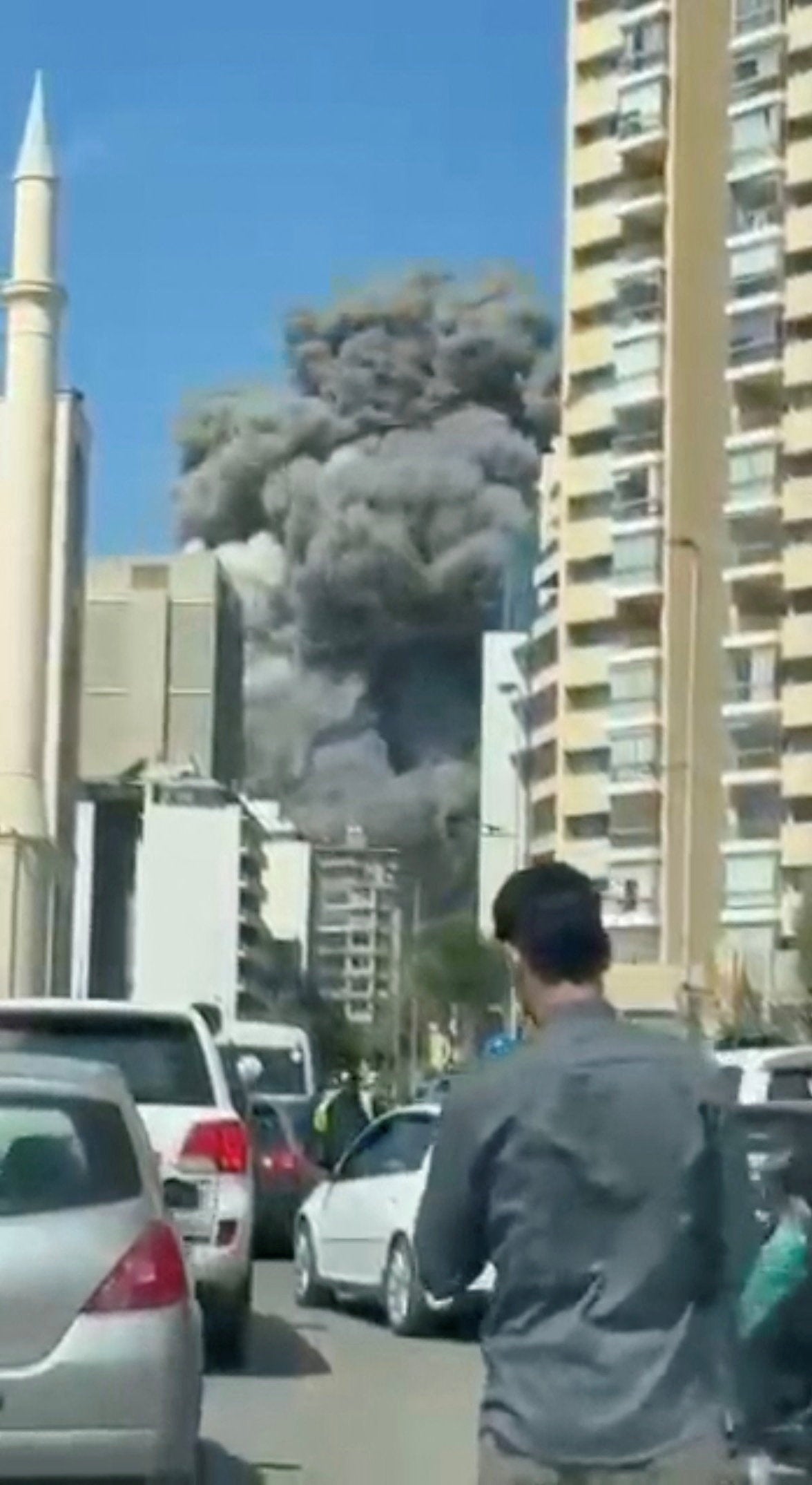
In the first week alone, the Lebanese Red Cross delivered 19,888 blankets, 7,533 mattresses, 2,920 hygiene kits and 75,766 food and water parcels to those in need. Karlsson said the situation had seen the mobilisation of all available resources, as the scale of the humanitarian catastrophe was eclipsing what they had seen in past crises, such as the Iraq war and the civil war in Syria.
The Red Cross reported on Saturday that four volunteers have been killed while saving others in just five weeks of conflict. Abolfazl Dahanavi, 20, was killed in an airstrike in Iran on 4 April while carrying out humanitarian activities, they said.
Global impact on oil and gas
Iran has sought to pressure the US and Israel to end the conflict with an effective closure of the Strait of Hormuz, a vital waterway that normally facilitates the transport of about one-fifth of global oil and liquified natural gas supplies.
A ceasefire brings hope the Strait could reopen as soon as Thursday, so long as both sides keep to their promises to halt strikes.
Oil tumbled to $92 per barrel on Wednesday with news of a ceasefire, but remained considerably higher than the $72 a barrel fetched on 27 February. Prices peaked at $120 a barrel on 9 March.
European and Asian refiners were paying record-high prices of near $150 a barrel for some crude oil grades this week, far exceeding prices for paper futures.
Analysis by the RAC Foundation published found that motorists in the UK paid an additional £307 million ($407 million) for petrol and diesel in the first weeks of the war.
Higher gas prices cost US drivers an additional $8.4 billion between 28 February and 31 March, according to an estimate from the Joint Economic Committee's Democratic minority published last week.
Impact on the economy
Pentagon officials told lawmakers that the first six days of the conflict had cost the US $11.3bn, as the opening hours of the war saw the US blitz Iran with expensive long-range missiles.
The Center for American Progress, a liberal advocacy group based in the US, forecast that in the first month, the war could have cost $25 billion in total. The UN estimated that the US was spending around $1 billion per day on the war.
Global growth could be dragged below 2 percent this year as headline inflation rises past 4 percent, according to projections of more severe scenarios by Citi analysts.
As flights to and from the Middle East were disrupted, The Independent reported that the conflict was costing the travel industry £450 million per day — around £20 million every hour.
In the US, Goldman Sachs estimated that the oil-price shock would cost the economy 10,000 jobs per month through to the end of the year, mostly hurting restaurants, hotels and retail stores.
Who benefits from war?
The rise in oil prices helped Russia to the tune of an extra $150 million per day, according to the Financial Times.
Moscow could be on track for its biggest year of fuel revenues since 2022. Norway and Canada, which have huge deposits of oil, could also gain from the price spike.
Defence firms will have also benefited from large orders of weapons. The Pentagon announced that Lockheed will quadruple production of the Precision Strike missile for the US.
Iran has also moved to enforce a toll for the Strait of Hormuz to recoup costs related to the conflict. Iran has already made a number of bespoke agreements with third countries to guide ships through the channel, and recently sought to ratify a toll system in local law.
A regional official who was directly involved in negotiations for the ceasefire agreement told the Associated Press that Iran would be allowed to charge fees on ships transiting the Strait as part of the ceasefire deal mediated by Pakistan.
“We're thinking of doing it as a joint venture,” Trump said Wednesday. “It's a way of securing it -- also securing it from lots of other people,” he said when asked whether he would allow Tehran to charge tolls for shipping. “It's a beautiful thing.”
Iran-US live: Tehran says Strait of Hormuz may be mined after Trump issues warning
Trump claims his three-word plan would set up GOP to ‘never lose another election’
Morning Joe hosts stunned by JD Vance’s ‘messed up’ comments about his wife
Netanyahu faces political storm in Israel after Iran ceasefire
Israel bombing Lebanon jeopardises Iran peace deal – and all our futures are at stake
Britons could face higher household bills for years to come – even if ceasefire holds