$70 has become the video game industry's new standard premium price, which both I and my credit card bill find distressing. But video game sales expert Tom Kaczmarczyk, founder and CEO of business intelligence company IndieBI, makes an interesting case – in both me and my credit card's opinion – as to why most developers should avoid it.
Kaczmarczyk discusses video game prices at a Digital Dragons Conference panel attended by GamesRadar+. One of his slides on the topic poses the question seemingly at the top of developers' minds, now that we're at a point in history where fans talk about GTA 6 costing $100 and don't immediately dive under the bedcovers in horror – "Is '$69.99' a good pricing strategy?" The slide answers itself: "(not unless you're Nintendo)."
Nintendo, of course, has already moved onto some $80 games with no problem – but that's because it's one of the only developers with fans who've sworn lifelong fealty from the minute they were old enough to say "M-Mario."
Kaczmarczyk explains, "A rule of thumb that we also often give to clients and prospective developers is, more expensive games tend to make more money overall. So if you were uncertain between two different price points, then defaulting to the more expensive price point is potentially going to be the better option."
But "there is not a tidy correlation – not a very, very clean one," he continues. “More expensive games seem to be making more money,” according to Kaczmarczyk. But, he adds, “more expensive games, if they end up on discount […] on Steam” rarely outcompete the platform’s best deals. This is yet another way Nintendo is an exception to the rule.
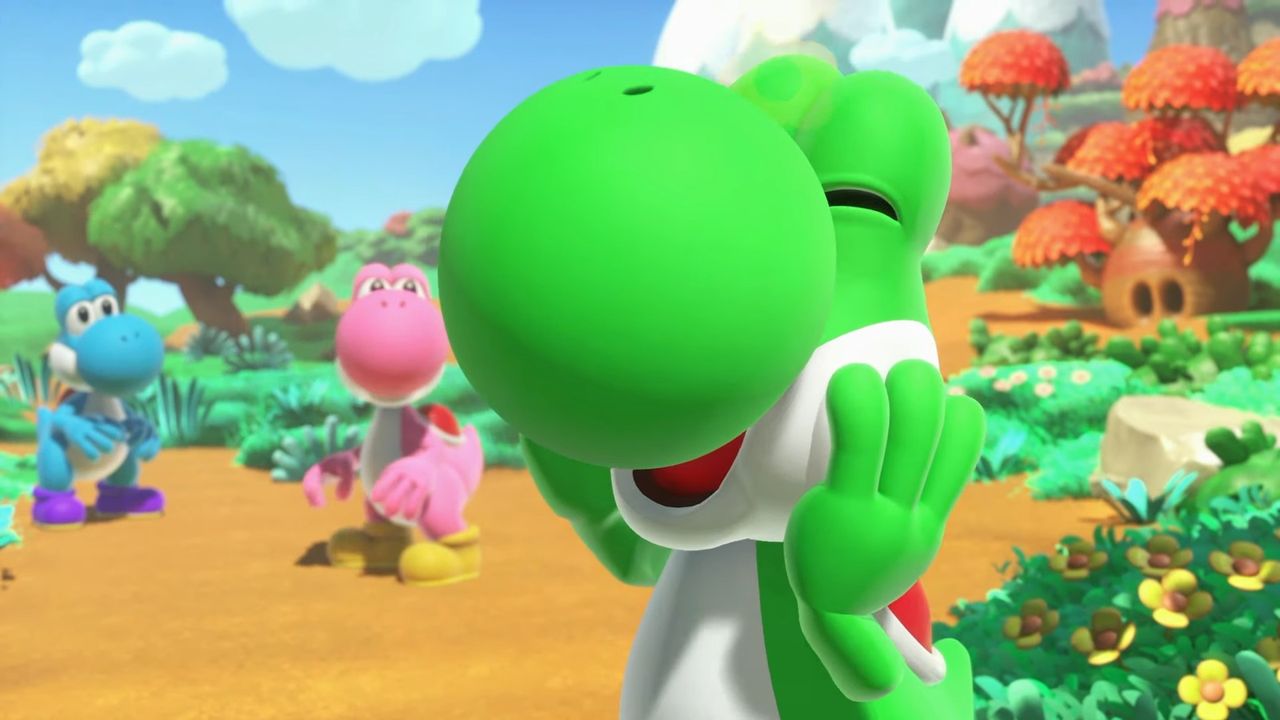
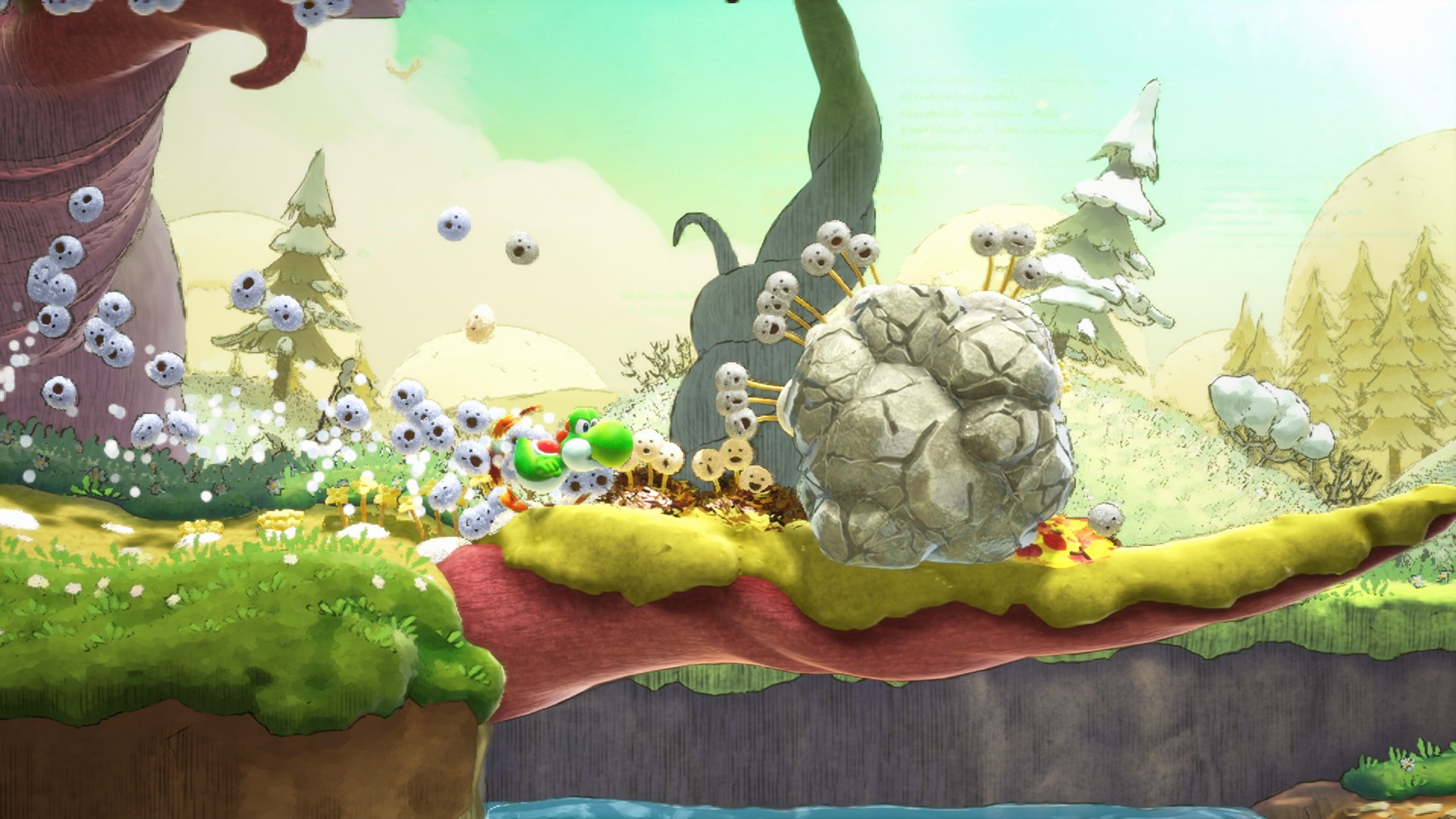
It makes its own consoles for which it can release its own games onto its own storefront – which rarely ever offers significant sales prices. Nintendo has no need for them, because it's created a closed ecosystem. Sale or no sale, where else are you going to buy Yoshi and the Mysterious Book? Barnes & Noble?
I think not. Meanwhile, other developers are in a bind. They don't have their very own console or their very own storefront. So, Kaczmarczyk advises them to prepare chunky discounts to attract players. Otherwise, "the customer has many other options for spending their money on cheaper games," especially on Steam.
It sounds backward, but his advice is ultimately to price "a very expensive game" and then "consider having a steeper sort of discount debt evolution, because it will be more impactful, and it will make it so that you can keep generating substantial revenue bumps early on in the lifecycle of your game, when it's still relevant and people still want to play."
Unless you're Nintendo, in which case, people always want to play.